
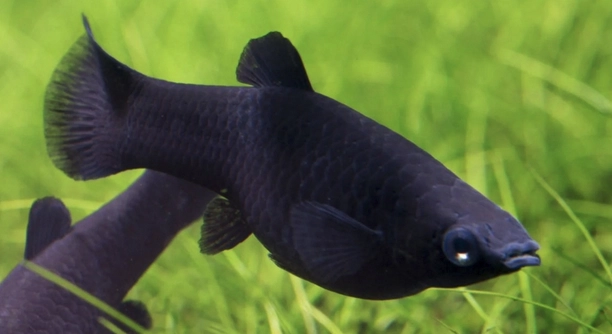
Black mollies are a popular choice for home aquariums because of their striking color and calm nature. Many fishkeepers enjoy watching them swim, but they often wonder about the possibilities of breeding these lively pets at home.
Black mollies can breed successfully in a well-maintained freshwater aquarium if proper conditions are met. Ensuring stable water parameters, adequate nutrition, and the presence of both male and female mollies significantly increases the chances of reproduction.
Knowing how to care for your mollies before and during breeding can make a big difference. There are several important details that will help your fish thrive and reproduce successfully.
Understanding Black Molly Reproduction
Black mollies reproduce through livebearing, which means they give birth to fully formed fry instead of laying eggs. In a healthy aquarium, females can store sperm and produce multiple broods from a single mating. Breeding tends to occur more readily in stable water with a slightly higher temperature, typically between 75–82°F. Proper nutrition is key; feeding a balanced mix of flake food, frozen brine shrimp, and vegetable matter ensures females are healthy enough to carry and give birth to fry. Providing hiding spots like plants or breeding nets protects the young from adult mollies, which may eat them. Observing your fish regularly will help you notice when a female appears swollen or when males display more active courting behavior. Consistent maintenance of water quality, temperature, and diet creates the best environment for natural breeding, increasing the likelihood of successful fry development and survival.
Breeding black mollies requires attention to water and diet. Stable conditions improve fry survival rates.
Some people assume black mollies breed quickly, but it is a careful process. Females may produce 20–80 fry per brood, and they can have several broods in a few months if conditions are ideal. Males display constant chasing and nudging to encourage females to release fry, which can be stressful without enough space. Adding live plants or a breeding box reduces risk to newborns, giving them shelter until they grow. Feeding high-protein foods supports both adult health and fry growth. Avoid overcrowding to prevent aggression, stress, and disease. Observing behavioral cues, such as chasing, swelling in females, or increased hiding, helps anticipate births. With patience and proper care, breeding black mollies can become a predictable and manageable process that adds life and color to your aquarium while maintaining healthy fish populations.
Signs Your Black Molly is Ready to Breed
Female black mollies appear noticeably rounder when carrying fry. Their shape changes gradually over a few weeks as the fry develop inside.
Other indicators include increased male activity, with males often circling or nudging the female. Monitoring these signs allows you to prepare a safe environment for the fry, ensuring better survival rates.
Pregnant females may also hide more frequently as the birth approaches. You may notice slower swimming or resting near plants, which are natural behaviors before giving birth. Providing small, dense vegetation or a breeding box gives fry a safe space immediately after birth. Maintaining clean water is essential because poor conditions can harm both the mother and her offspring. Regular feeding with high-quality, protein-rich foods supports the female’s health, reducing complications during delivery. Observing daily changes helps you time preparations, manage space, and ensure a calm environment. By recognizing these signs early, you can support successful breeding and increase the likelihood that more fry survive to maturity.
Creating the Right Environment
A stable tank with clean water and proper temperature encourages black mollies to breed. Hiding spots and plants help fry survive, while avoiding overcrowding keeps stress low.
A well-prepared environment requires careful attention to tank size, filtration, and water conditions. A minimum 20-gallon tank is ideal for a small group, with regular water changes to maintain quality. Live plants, floating vegetation, or breeding boxes give fry protection from adult mollies. Males chase females constantly, so providing enough space reduces stress and aggressive behavior. Keeping the water slightly warm, around 78°F, encourages natural breeding cycles and supports fry development.
Lighting and tank placement also influence breeding. Avoid harsh, direct light and sudden changes, which can stress fish. Gentle lighting mimics natural conditions, helping females feel secure. Hiding spaces not only protect fry but also reduce conflicts between adults. Observing how your fish interact helps determine if the environment supports healthy breeding. Adjustments in plants, tank layout, or filtration can improve success and ensure fry survive their earliest days.
Feeding and Nutrition
A varied, protein-rich diet boosts breeding success. High-quality flake food and occasional live or frozen foods keep fish healthy.
Protein supports fry development inside the female and prepares her for birth. Feeding small amounts multiple times daily ensures adults stay healthy without overfeeding, which can pollute water. Vegetables, like blanched spinach or zucchini, add essential nutrients. Fry need tiny live foods like baby brine shrimp or micro worms to grow strong. Consistency in feeding schedules reduces stress and improves overall health, directly influencing the chances of successful breeding.
Timing and portion size are crucial. Overfeeding can harm water quality and fry survival. Using a mix of flake, frozen, and live foods provides balanced nutrition. Monitoring fish behavior helps identify if diet adjustments are needed. Healthy, well-fed mollies are more likely to breed successfully, and fry grow faster with proper nutrition. Creating a feeding routine that supports both adults and young ensures long-term health, stronger fish, and higher fry survival in your aquarium.
Common Breeding Challenges
Overcrowding can prevent black mollies from breeding successfully. Too many fish in one tank increases stress and aggression, lowering the chances of fry survival.
Poor water quality is another major issue. High nitrate or ammonia levels can harm both adults and fry, making reproduction difficult or unsafe.
Managing Fry Survival
Newborn black mollies are very small and vulnerable. Without hiding spots or dense plants, adults may eat them. Using breeding boxes or heavily planted areas gives fry a safe place to grow. Regularly monitoring water quality and feeding appropriately ensures the fry develop healthily. Survival rates increase when the environment mimics natural conditions, giving fry space and food while keeping stress low.
Sexing Black Mollies
Males are smaller with a pointed anal fin called a gonopodium, while females are larger with a rounded anal fin.
Recognizing these differences helps prepare your tank for breeding. Ensuring a proper male-to-female ratio prevents harassment and supports natural reproduction.
FAQ
How long does it take for black mollies to give birth?
Black mollies typically carry their fry for about 4 to 6 weeks. The exact time depends on water temperature, nutrition, and overall health of the female. Warmer, stable conditions can slightly speed up development, while poor nutrition or stress may delay birth. Observing the female for swelling or hiding behavior helps predict when the fry will arrive.
How many fry can a black molly have at once?
A single female can give birth to 20–80 fry per brood. Larger, healthier females tend to produce more fry. Multiple broods can occur over several months if conditions are ideal. Providing space and hiding areas ensures higher survival rates for the newborns.
Do black mollies need a separate breeding tank?
A separate breeding tank is not required but highly recommended. It protects fry from adult mollies who may eat them. Breeding tanks or boxes with dense plants make the environment safer, reduce stress, and allow better monitoring of both fry and adults.
Can black mollies breed in a community tank?
Yes, but survival rates for fry are lower. Adult fish may eat newborns, and crowded conditions increase stress, which reduces breeding success. Adding plenty of plants, floating vegetation, or a breeding box improves safety and encourages females to give birth naturally.
How often do black mollies reproduce?
Females can reproduce every 6–8 weeks under ideal conditions. They can store sperm, so even one mating may result in several broods. Monitoring female health and adjusting diet and water quality helps maintain consistent reproduction without exhausting the fish.
What should I feed fry?
Fry need tiny, protein-rich foods. Baby brine shrimp, microworms, or finely crushed flake food work best. Feeding small amounts multiple times a day supports growth and strengthens immune systems. Maintaining clean water while feeding prevents harmful bacteria from building up in the tank.
Can stressed mollies breed?
Stress reduces breeding success. Overcrowding, poor water quality, or aggressive tankmates can prevent females from carrying fry or cause males to lose interest. Ensuring stable conditions, hiding spots, and minimal disturbance encourages natural breeding behavior and healthier fry.
Do black mollies need special water conditions to breed?
Stable water conditions are essential. Temperature should be around 75–82°F with low nitrates and ammonia. Soft to moderately hard water is ideal. Regular water changes and testing help maintain a safe environment for both adults and fry, increasing breeding success.
How can I tell if a female is pregnant?
Pregnant females appear rounder, especially near the belly, and may hide more often. They can also swim slower or rest near plants. Observing these behaviors allows preparation of hiding spots for fry and prevents accidental stress or injury to the female.
What is the best male-to-female ratio?
A 1:2 or 1:3 male-to-female ratio works best. This reduces harassment of females, prevents excessive chasing, and allows multiple females to breed without stress. Too many males can harm females and decrease overall breeding success.
Can black mollies reproduce year-round?
Yes, in a controlled aquarium environment with stable temperature, good nutrition, and clean water, black mollies can reproduce year-round. Seasonal changes are less important indoors, but consistency in care is key to continuous breeding.
How can I prevent fry from being eaten?
Use breeding boxes, dense plants, or a separate fry tank. Removing adults temporarily after birth ensures fry have time to grow without predation. Observing tank behavior helps determine if additional protection is needed.
Are there health risks to frequent breeding?
Frequent breeding can exhaust females, leading to slower growth, weaker immune systems, or fewer fry per brood. Rotating breeding cycles, providing high-quality food, and allowing rest periods help maintain adult health and long-term breeding success.
Can black mollies breed with other molly types?
Yes, they can interbreed with other molly varieties, producing hybrid offspring. However, this may affect color, size, or temperament. Purebred black mollies may require careful selection of mates to maintain specific traits over generations.
How do I care for the fry after birth?
Keep fry in a safe, well-planted area with clean water. Feed small, frequent meals of protein-rich foods. Monitor growth and water quality, and gradually introduce them to the main tank once they are large enough to avoid predation. Consistent care ensures healthy, thriving young mollies.
How long until fry mature?
Black molly fry grow quickly, reaching maturity in 3–6 months depending on diet, water quality, and space. Proper nutrition and a safe environment accelerate growth, allowing young mollies to participate in breeding cycles once fully mature.
Can two female black mollies give birth without a male?
No, fertilization requires a male. Females cannot produce viable fry on their own, although stored sperm from a previous mating can result in multiple broods over time. Ensuring at least one healthy male in the tank is necessary for reproduction.
What is the role of temperature in breeding?
Temperature affects metabolism, health, and fry development. Warmer water encourages breeding activity and faster growth but must remain stable to prevent stress. Sudden changes can halt breeding or harm both adult mollies and fry. Maintaining consistent warmth improves reproductive success.
Do black mollies breed naturally or need human intervention?
They breed naturally in a healthy aquarium. Human intervention is mainly for monitoring water, providing food, and protecting fry. Creating safe conditions and proper nutrition ensures breeding occurs without constant interference.
Can old mollies still reproduce?
Older females may produce fewer fry, and males may lose some reproductive vigor. Regular observation and maintaining health through diet and water quality help maximize breeding potential, even as fish age.
What are signs of healthy fry?
Active swimming, consistent growth, and bright coloring indicate healthy fry. Fry should feed eagerly and avoid lethargy. Maintaining clean water and proper nutrition ensures continued development and reduces the risk of disease or malformations.
How do I manage multiple broods at once?
Separate fry from adults, provide hiding spots, and monitor water quality closely. Feeding small, frequent meals supports growth. Managing tank space and population density prevents stress and promotes survival for all broods simultaneously.
Is selective breeding recommended?
Yes, if specific traits like color or size are desired. Selecting strong, healthy adults for reproduction ensures offspring inherit preferred characteristics while maintaining overall health of the tank population.
How can I encourage natural breeding behavior?
Stable water, proper diet, sufficient space, and hiding spots encourage males and females to engage in normal courtship and reproduction. Avoid overcrowding and sudden disturbances to support a calm, productive environment for black mollies.
How important is observation during breeding?
Daily observation helps detect signs of pregnancy, aggression, or poor water quality. Early intervention protects both adults and fry, ensuring healthier outcomes and reducing stress for the fish throughout the breeding process.
Black mollies are lively and beautiful fish that can bring a lot of enjoyment to an aquarium. They are relatively easy to care for, but breeding them requires some attention to detail. Maintaining stable water conditions, feeding a balanced diet, and giving them enough space are key to encouraging natural reproduction. While black mollies can reproduce in community tanks, using a separate breeding area or dense plants gives the fry a better chance of survival. Watching a female prepare to give birth and then seeing the fry grow can be rewarding, but it is important to remain patient and consistent with care.
Ensuring the health of both adult mollies and fry is essential for successful breeding. Females need enough nutrition and a stress-free environment to carry their fry safely. Males should have space to court without overwhelming females. Overcrowding or poor water quality can hinder breeding and increase mortality rates for the fry. By carefully monitoring tank conditions, including temperature, filtration, and water chemistry, you can provide an environment where breeding occurs naturally. Providing hiding spaces and small, frequent meals for fry helps them grow strong, reducing the chances that they will be eaten by adults. Consistency in feeding and water maintenance directly affects reproductive success.
Breeding black mollies can feel like a small responsibility, but it also allows for a closer connection to your fish. Observing their behavior, recognizing signs of pregnancy, and creating safe spaces for fry can be satisfying and educational. Over time, the experience can teach patience and attention to detail while giving your tank a lively, growing population. Even with careful planning, some challenges are normal, such as fry being eaten or slower growth in overcrowded tanks. Learning to manage these situations while keeping fish healthy will make breeding more successful in the long run. By focusing on proper care, nutrition, and environment, black mollies can thrive and reproduce naturally, allowing you to enjoy both their beauty and the small fry that join your aquarium.

Hello,
If you enjoy the content that we create, please consider saying a "Thank You!" by leaving a tip.
Every little bit helps us continue crafting quality advice that supports the health, happiness, and well-being of pets around the world, for pets of all shapes, sizes, and species.
We really appreciate the kindness and support that you show us!