
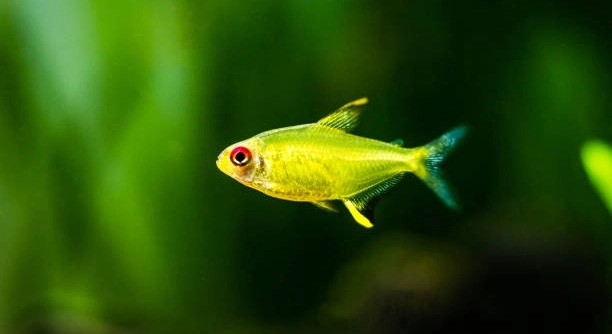
Lemon tetras are small, vibrant fish often admired for their lively swimming and shimmering colors. Many aquarium enthusiasts notice these fish sometimes hover in one spot, seemingly motionless, which can be puzzling when observing their usual energetic behavior.
Lemon tetras hover in one spot primarily due to environmental factors and social behavior. Stable water conditions, proper schooling dynamics, and minimal stress allow them to maintain position, while occasional hovering can also indicate feeding anticipation or territorial awareness.
Observing this behavior more closely can help ensure their tank environment supports health and comfort. Proper care allows lemon tetras to display their natural habits safely.
Common Reasons Lemon Tetras Hover
Lemon tetras often hover due to water conditions that do not fully meet their needs. Temperature fluctuations, improper pH levels, or high ammonia and nitrate concentrations can make them pause in one spot. These fish are sensitive to sudden changes and require a stable environment to thrive. Overcrowding can also lead to hovering, as the fish try to maintain personal space. Lighting levels in the aquarium play a role too; bright or inconsistent lighting may make them uneasy, prompting them to hold a stationary position. Even minor stress from tank maintenance or new additions can trigger this behavior. Observing their swimming patterns can reveal if hovering is normal or a sign of adjustment. Sometimes, hovering indicates anticipation for feeding or watching for movement in the water. Understanding the conditions that encourage natural behavior ensures the tetras remain healthy and active.
Hovering can simply indicate comfort or adjustment. Proper tank setup prevents prolonged stationary behavior.
Monitoring water quality, tank population, and light exposure helps reduce hovering. Ensuring these factors are stable keeps lemon tetras healthy and active.
Behavioral Patterns and Social Interaction
Lemon tetras hover to interact with their tank mates. This behavior can show social awareness or alignment with other fish movements.
Lemon tetras are schooling fish, meaning they rely on group dynamics for safety and comfort. Hovering can be a form of communication or observation within the school. They may pause to synchronize swimming patterns or respond to signals from other tetras. This behavior often reflects natural instincts carried from their native habitats, where maintaining awareness of surroundings and peers was vital for survival. Sometimes, hovering near specific tank areas indicates preference for resting spots or feeding zones. The way they position themselves in the tank can also reflect hierarchy or territorial boundaries within the school. By understanding their social structure, you can better interpret stationary behavior. Ensuring the aquarium provides enough space, plants, and hiding spots helps them express these natural behaviors safely. Observing these patterns regularly allows for adjustments in tank management to support a stable, harmonious environment.
Feeding and Hovering
Lemon tetras often hover when they sense food nearby. This behavior is natural and shows anticipation.
Hovering before feeding is a way for lemon tetras to prepare for meals. They may stay still near the surface or in mid-water, watching for movement and waiting for food particles to appear. This behavior can be more pronounced if feeding schedules are consistent. They quickly learn when food will arrive and position themselves strategically to grab flakes or pellets efficiently. Hovering in this context is not a sign of stress but rather a normal, instinctive response. Observing this behavior can help adjust feeding times or portions to ensure all tetras receive adequate nutrition.
Even when not hungry, hovering may occur around feeding areas. This is often due to learned routines, not health concerns. Lemon tetras associate these spots with food, making them linger momentarily, which is entirely normal.
Environmental Comfort
Stable water conditions encourage stationary behavior without stress. Lemon tetras hover in calm areas when temperature, pH, and filtration meet their needs.
Providing plants, gentle currents, and shaded areas creates a comfortable environment that reduces frantic swimming. Hovering can indicate contentment when the aquarium setup allows for security and predictability. They will often pause near plants or decorations to rest or observe surroundings, which reflects a healthy adaptation to their environment. Maintaining consistent lighting, water changes, and appropriate stocking levels further promotes this behavior. These small adjustments make hovering a normal part of daily activity rather than a sign of distress. Regularly checking water parameters ensures long-term comfort and stability, allowing tetras to display natural behavior freely.
Stress and Hovering
Hovering can indicate mild stress in lemon tetras. Changes in tank conditions or sudden disturbances often cause them to pause in one spot.
They may hover near hiding places when stressed, seeking security. Identifying stress triggers early helps maintain their health and reduces prolonged stationary behavior.
Schooling Behavior
Lemon tetras are naturally schooling fish, and hovering can be part of maintaining group cohesion. They often pause together to align movements or observe each other. This synchronized behavior supports social structure, ensures safety, and reflects instinctive schooling patterns carried from their natural habitats.
Health Indicators
Occasional hovering may signal illness or discomfort. Monitoring overall activity, appetite, and appearance helps identify potential health issues early.
Why does my lemon tetra hover at the surface?
Hovering at the surface often relates to oxygen levels or feeding anticipation. Lemon tetras naturally seek areas where oxygen is abundant. If water circulation is low, they may stay near the top where gas exchange is higher. Regular water testing and gentle filtration help keep oxygen levels stable.
Is hovering a sign of illness?
Hovering alone is not always a sign of illness, but combined with lethargy, loss of appetite, or unusual coloring, it may indicate stress or disease. Common health issues include swim bladder problems, bacterial infections, or poor water quality. Observing behavior alongside water parameters helps identify whether medical attention is needed.
Can tank size affect hovering?
Yes, small or overcrowded tanks can cause tetras to hover more. Limited space restricts swimming and increases stress, prompting stationary behavior. Maintaining appropriate stocking levels and providing enough swimming space allows lemon tetras to move naturally without excessive hovering.
Do lemon tetras hover when they are comfortable?
Hovering can be normal and indicate comfort. Fish often pause near plants, decorations, or shaded areas to rest or observe surroundings. In a stable environment with proper temperature, pH, and lighting, stationary behavior may reflect contentment rather than concern.
How does water temperature impact hovering?
Temperature fluctuations or water that is too cold or too warm can cause tetras to hover. Lemon tetras thrive in 72–78°F (22–26°C). Consistent temperature helps regulate metabolism and activity, reducing unnecessary stationary behavior. Using a reliable heater or thermometer ensures proper conditions.
Does lighting affect hovering behavior?
Bright or inconsistent lighting may make tetras feel exposed, prompting them to hover near shaded areas or plants. Providing natural light cycles and avoiding sudden changes in brightness can minimize stress-related hovering. Plants and decorations offer visual breaks that encourage natural resting behavior.
Can feeding schedule influence hovering?
Yes, tetras quickly learn routines and may hover near feeding areas in anticipation of food. Consistent feeding times allow them to associate certain spots with meals. Observing how they respond to feeding helps ensure all fish receive enough food and prevents aggressive competition.
Is hovering related to social hierarchy?
Hovering can reflect social structure within a school. Dominant tetras may occupy preferred spots while others pause nearby. This behavior helps maintain order and reduces conflicts. Providing enough space and hiding areas allows fish to express natural social behavior without stress.
When should I worry about hovering?
Worry arises when hovering is accompanied by other signs: rapid gill movement, clamped fins, discoloration, or loss of appetite. Persistent stationary behavior despite proper tank conditions may indicate illness or environmental issues. Immediate water testing and health checks help prevent serious problems.
How can I reduce excessive hovering?
Ensure water quality is optimal, temperature is stable, and the tank is adequately sized. Adding plants, hiding spots, and gentle currents encourages swimming and natural behavior. Regular observation allows adjustments to lighting, feeding, and group dynamics, helping lemon tetras remain active and healthy.
Do lemon tetras hover more during certain times of the day?
They may hover more during rest periods or after feeding. Natural cycles influence activity levels, and tetras often take short pauses to regain energy. Maintaining a consistent day-night cycle with moderate lighting supports natural behavior.
Can hovering indicate boredom?
In a bare tank, lemon tetras may hover out of inactivity. Providing enrichment like plants, driftwood, or gentle currents encourages exploration. A stimulating environment reduces stationary behavior while supporting mental and physical health.
Does water current affect hovering?
Strong currents can tire tetras, causing them to hover in calmer areas. Conversely, no current may reduce movement. Balancing flow with tank layout allows fish to swim naturally without unnecessary energy expenditure.
How do I know if hovering is normal?
Normal hovering is brief, occurs in safe areas, and happens without other concerning signs. Observing patterns over time, considering tank setup, and checking health indicators will help distinguish between routine behavior and potential problems.
Can hovering indicate preparation for breeding?
During breeding periods, lemon tetras may hover near spawning sites or among plants. This behavior is part of courtship and territorial observation. Proper tank conditions and plant coverage support successful spawning while allowing tetras to exhibit natural breeding behavior.
What role does tank decor play in hovering?
Plants, rocks, and other decorations provide resting spots and security. Lemon tetras often hover near these features to feel safe or observe their surroundings. Adequate tank decoration encourages healthy stationary behavior rather than stress-induced hovering.
Are juvenile lemon tetras more likely to hover?
Younger tetras may hover more as they adjust to tank conditions and social dynamics. Hovering helps them learn swimming patterns, group positioning, and safe spots. Monitoring juveniles ensures they acclimate successfully without prolonged stress.
How can I tell if hovering is stress-related?
Signs include clamped fins, rapid gill movement, darting when approached, or hiding excessively. Consistent observation combined with checking water quality, tankmates, and feeding patterns helps identify stress and allows timely intervention.
Does water chemistry impact hovering behavior?
Yes, improper pH, ammonia, nitrite, or nitrate levels can lead to hovering. Lemon tetras prefer slightly acidic to neutral water (pH 6.5–7.0). Regular testing and adjustments ensure optimal water chemistry, reducing unnecessary stationary behavior.
Can hovering be seasonal?
Some behavioral shifts may occur with seasonal temperature or lighting changes. While indoor tanks are less affected, natural instincts may still influence pauses and movement patterns. Maintaining stable conditions minimizes these seasonal variations.
How long is hovering considered normal?
Short pauses lasting a few seconds to a couple of minutes are normal. Prolonged hovering without movement, feeding, or interaction with other tetras may indicate a problem requiring attention.
Can tank mates affect hovering?
Aggressive or overly active tankmates may cause lemon tetras to hover to avoid conflict. Providing compatible species and sufficient space encourages natural activity while reducing stress-induced stationary behavior.
Does diet influence hovering?
Poor nutrition may reduce energy and increase hovering. A balanced diet of flakes, micro-pellets, and occasional live or frozen foods supports activity levels and overall health. Feeding small, frequent portions helps maintain normal swimming behavior.
What adjustments help reduce unnecessary hovering?
Stable water conditions, proper lighting, balanced diet, sufficient space, enrichment, and compatible tankmates all contribute. Observing patterns and responding to environmental needs ensures hovering remains a natural, healthy behavior rather than a stress response.
Is hovering more common in newly introduced tetras?
Yes, new tetras may hover while adjusting to water parameters, tankmates, and territory. Allowing gradual acclimation, providing hiding spots, and minimizing disturbances help them settle and reduce extended stationary behavior.
How do I monitor hovering effectively?
Observe at consistent times, noting duration, location, and frequency. Combine visual monitoring with water tests and health checks. Documenting behavior helps identify trends, triggers, and whether interventions are necessary.
Does tank maintenance affect hovering?
Sudden cleaning, water changes, or rearranging decorations can temporarily increase hovering. Gradual, gentle maintenance minimizes stress, allowing tetras to resume normal swimming quickly. Consistency and routine reduce unnecessary stationary behavior.
Can hovering indicate fear?
Hovering near plants, corners, or tank walls can be a response to perceived threats. Loud noises, vibrations, or sudden movements outside the tank often trigger this cautious behavior. Providing a secure, calm environment helps tetras feel safe.
Is it normal for all tetras to hover simultaneously?
Yes, synchronized hovering can occur in a well-adjusted school. This behavior reflects group coordination and awareness, not stress. It often happens during feeding preparation, rest periods, or observational pauses.
What is the role of hiding spots in hovering?
Plants, rocks, and artificial structures offer security. Tetras may hover near these areas to feel protected or observe surroundings. Sufficient hiding spots support natural stationary behavior and reduce stress-induced hovering.
Can hovering indicate anticipation of environmental changes?
Lemon tetras are sensitive to cues like approaching feeding, light shifts, or water changes. Hovering can signal anticipation or readiness for these events. Understanding this helps interpret stationary behavior in context.
How can I distinguish normal hovering from problematic behavior?
Normal hovering is brief, situational, and occurs without other health issues. Problematic hovering is prolonged, combined with unusual appearance, loss of appetite, or erratic swimming. Observing patterns, water conditions, and tank dynamics ensures correct interpretation and timely action.
Are there natural variations in hovering between individuals?
Yes, some tetras naturally hover more than others based on personality, age, or social rank. Recognizing these individual differences helps avoid unnecessary concern and allows proper tank management.
Can seasonal lighting or temperature changes affect hovering?
Even in indoor aquariums, slight variations can influence behavior. Lemon tetras may hover more during cooler or dimmer periods, reflecting instinctive adjustments. Maintaining consistent indoor conditions minimizes these behavioral shifts.
Does tank location matter for hovering?
Proximity to windows, heaters, or high-traffic areas may make tetras hover to avoid disturbance. Placing the tank in a stable, quiet spot reduces stress and encourages normal movement.
How can I encourage active swimming instead of hovering?
Balanced diet, proper tank size, enrichment, compatible tankmates, stable water parameters, and gentle currents all promote natural activity. Observing patterns and addressing environmental needs reduces unnecessary stationary behavior while supporting healthy, active lemon tetras.
Are there differences in hovering between males and females?
Males may hover more during breeding periods or territorial displays, while females may pause near hiding spots for security. Understanding these subtle differences helps interpret behavior accurately.
Can hovering indicate energy conservation?
Yes, brief stationary periods help conserve energy, especially after feeding or active swimming. In a well-maintained tank, this behavior is natural and does not signal concern.
Do juvenile tetras hover differently than adults?
Juveniles may pause more frequently as they acclimate, learn schooling behavior, and navigate the tank. Adults hover less unless responding to environmental or social cues. Monitoring age-specific patterns ensures proper care.
How often should I check on hovering behavior?
Daily observation is ideal, noting location, duration, and context. Combined with regular water testing, this ensures early detection of potential issues and supports overall health.
Does water hardness influence hovering?
Lemon tetras prefer soft to moderately hard water. Excessively hard or fluctuating hardness can cause stress, prompting more hovering. Testing and adjusting water parameters help maintain consistent comfort.
Are there seasonal breeding patterns linked to hovering?
During spawning periods, hovering near plants or specific tank areas is common as part of courtship behavior. Providing suitable spawning sites allows tetras to exhibit this natural behavior safely.
How do I know if hovering is feeding-related?
Hovering near the surface or feeding zones before meals indicates anticipation. Observing regular patterns and responses during feeding helps distinguish this from stress or illness.
Can multiple factors combine to cause hovering?
Yes, water quality, tank mates, lighting, temperature, diet, and social dynamics all influence hovering. Understanding these combined effects helps address the behavior effectively and supports healthy tank conditions.
Is occasional hovering a cause for concern?
Brief, situational hovering is normal and often indicates comfort or environmental observation. Concern arises only when accompanied by health issues, prolonged inactivity, or unusual behavior patterns. Regular monitoring ensures timely response if needed.
Can aquarium enrichment reduce hovering?
Adding plants, decorations, or gentle currents encourages exploration and reduces stationary periods. Enrichment supports natural instincts, mental stimulation, and overall health in lemon tetras.
Does hovering change with tank age?
Newly established tanks may cause more hovering as tetras adjust. Once parameters stabilize, hovering typically decreases. Monitoring early behavior helps assess adaptation and long-term comfort.
How does water clarity affect hovering?
Murky or cloudy water may increase hovering as tetras hesitate to swim actively. Maintaining clean, clear water encourages natural movement and reduces stress-induced stationary behavior.
Are there signs that hovering is due to aggression?
If tetras hover while avoiding specific tankmates or areas, it may indicate mild aggression. Ensuring compatible species, adequate space, and hiding spots reduces conflict and unnecessary stationary behavior.
Can hovering be a response to tank vibrations?
Yes, tetras are sensitive to sudden movements or vibrations outside the tank. Hovering near plants or tank walls is a protective response. Minimizing disturbances supports calm, normal behavior.
Does tank orientation impact hovering?
Placement near doors, windows, or high-traffic areas may cause tetras to pause more often. A quiet, stable location encourages relaxed swimming and reduces stress-induced stationary behavior.
How long should I monitor before deciding hovering is abnormal?
Observe patterns over several days to a week, considering tank conditions, feeding, and social behavior. Persistent or prolonged hovering combined with other signs warrants closer attention and possible intervention.
Can seasonal light cycles indoors affect hovering?
Even indoor lighting variations can influence behavior. Consistent day-night cycles help tetras maintain natural rhythms and reduce excessive stationary behavior.
Do diet changes affect hovering?
Switching foods suddenly may cause hesitation or pauses as tetras adjust. Gradual introduction of new diet items encourages normal activity while minimizing hovering.
Is hovering more common in specific tank locations?
Yes, fish often pause near preferred hiding spots, mid-water regions, or the surface. Observing location patterns helps identify normal resting behavior versus stress responses.
How can I balance schooling and individual hovering?
Ensure sufficient space, hiding areas, and compatible tankmates. Some tetras naturally pause while others swim actively. Supporting both needs promotes healthy social and individual behavior.
Are there natural variations between individual tetras?
Yes, some fish naturally hover more than others based on personality, age, or rank. Recognizing these differences prevents unnecessary concern while supporting healthy tank dynamics.
Can environmental enrichment reduce hovering caused by boredom?
Yes, adding plants, driftwood, and gentle currents stimulates exploration. Enrichment encourages active swimming, reduces stationary behavior, and promotes overall well-being.
How do I distinguish resting from stress-related hovering?
Resting occurs briefly, in safe areas, without other health issues. Stress-related hovering is prolonged, accompanied by clamped fins, rapid gill movement, or hiding. Regular observation helps differentiate the two.
Does water flow consistency matter?
Balanced flow allows tetras to swim naturally without tiring. Too strong or too weak currents can increase hovering. Adjusting flow ensures comfortable movement and reduces unnecessary stationary behavior.
Can hovering indicate energy conservation after feeding?
Yes, tetras often pause briefly to conserve energy after meals. In a stable, healthy tank, this is normal and not cause for concern.
Do juvenile and adult hovering patterns differ?
Juveniles pause more as they learn schooling and explore. Adults hover primarily for feeding anticipation, rest, or environmental observation. Monitoring both ensures proper care for all ages.
Are sudden changes in tank conditions linked to hovering?
Yes, temperature shifts, water chemistry fluctuations, or rearranged decorations can trigger temporary hovering. Gradual adjustments help tetras adapt without prolonged stationary behavior.
Does tank maintenance influence hovering frequency?
Cleaning, water changes, or rearranging décor may temporarily increase hovering. Gentle, consistent maintenance minimizes stress and encourages return to normal activity.
Can hovering reflect comfort in a well-set tank?
Yes, brief pauses near plants or decorations often indicate contentment. In stable, healthy conditions, hovering is a normal part of daily behavior.
How does tank population density affect hovering?
Overcrowding increases hovering as tetras seek personal space. Maintaining proper stocking levels allows free swimming and reduces prolonged stationary behavior.
Does hovering indicate feeding strategy?
Hovering near food sources is a natural anticipatory strategy. Tetras position themselves to optimize feeding efficiency. Understanding these cues ensures proper nutrition distribution in the tank.
Can hovering behavior change over time?
Yes, as fish mature, adapt to tank conditions, or experience environmental changes, hovering patterns may shift. Regular observation ensures they remain healthy and active.
How do I maintain natural hovering behavior?
Stable water, appropriate tank size, compatible tankmates, enrichment, consistent feeding, and regular monitoring encourage natural pauses while minimizing stress-induced hovering. Observing and responding to these needs promotes long-term health.
Is hovering always visible to the observer?
Sometimes, pauses occur in mid-water or near plants, making them less noticeable. Careful, regular observation ensures accurate interpretation of behavior.
Can water chemistry inconsistencies trigger hovering?
Yes, fluctuations in pH, ammonia, or hardness may prompt tetras to hover. Regular testing and stabilization reduce stress-related stationary behavior.
Does tank location relative to light or noise affect hovering?
Yes, tanks near windows, doors, or loud areas may cause tetras to pause more often. Positioning the tank in a stable, quiet spot encourages normal activity.
Can hovering behavior indicate territorial behavior?
Hovering near preferred areas may signal mild territoriality, especially during breeding. Providing enough space and hiding spots prevents conflicts and supports natural behavior.
Is hovering sometimes just a resting habit?
Yes, lemon tetras pause to rest or observe their environment. When accompanied by normal swimming, feeding, and coloration, this is typical and healthy behavior.
How do I distinguish between normal and abnormal hovering?
Normal hovering is brief, situational, and occurs in safe areas without other health signs. Abnormal hovering is prolonged, accompanied by unusual behavior, and requires attention. Consistent observation and water monitoring help distinguish the two.
Can water temperature consistency reduce hovering?
Stable temperatures reduce stress-induced hovering. Maintaining 72–78°F (22–26°C) allows lemon tetras to swim naturally, pause appropriately, and maintain healthy activity patterns.
Does tank enrichment affect stationary behavior?
Yes, adding plants, driftwood, and hiding spots encourages movement, exploration, and natural pauses, reducing stress-related hovering.
How can I encourage active schooling over excessive hovering?
Provide adequate space, enrichment, stable water parameters, and compatible tankmates. Balanced care promotes active swimming while allowing natural stationary behavior.
Does diet consistency influence hovering frequency?
Yes, irregular feeding or poor nutrition may increase hovering due to low energy. Consistent, balanced meals support natural activity levels.
Can hovering be a sign of social learning?
Yes, tetras may pause to observe others, learn schooling behavior, or align with group movement. Hovering in this context reflects adaptation and healthy social interaction.
Is hovering more common in certain tank zones?
Yes, near plants, surfaces, or mid-water zones. Recognizing preferred areas helps identify normal behavior versus stress-induced stationary pauses.
Can hovering indicate anticipation of environmental changes?
Hovering can signal awareness of feeding, light changes, or human activity near the tank. This anticipatory behavior is normal in healthy tetras.
Does tank mate behavior influence hovering?
Yes, overly active or aggressive fish can trigger hovering as tetras pause to avoid conflict. Adequate space and compatible species reduce
Lemon tetras are small, delicate fish that display a variety of behaviors in the aquarium. One of the behaviors that often draws attention is hovering in one spot. While this may seem unusual at first, it is important to remember that hovering is often a normal and natural part of their behavior. These fish are sensitive to changes in their environment and rely on stable conditions to feel secure. Factors such as water temperature, pH, and tank size can all influence how and where they hover. When these conditions are consistent, lemon tetras will often pause briefly to rest, observe their surroundings, or anticipate feeding times. Understanding that hovering is not always a sign of illness helps maintain a balanced perspective when caring for them.
Observing their environment closely can provide insights into why lemon tetras hover. Often, they choose areas near plants, decorations, or shaded spots, which offer a sense of security. These locations allow them to watch other fish in the school while remaining safe from potential threats. Hovering can also reflect social interactions, as lemon tetras are schooling fish and rely on group dynamics for comfort. Pausing in one spot helps them maintain coordination with their tank mates, observe movements, and respond to signals within the group. Additionally, feeding routines often play a role, with fish hovering in anticipation of food. By paying attention to these patterns, aquarists can distinguish between normal behavior and signs of stress or health concerns.
Providing a well-maintained and comfortable environment reduces unnecessary stress and encourages natural activity. Regular water testing, proper filtration, consistent lighting, and appropriate tank population all contribute to healthy behavior. Adding enrichment, such as plants and decorations, gives lemon tetras resting areas while encouraging swimming and exploration. Monitoring their behavior over time helps identify changes that may indicate environmental or health issues. Hovering is often a combination of instinct, comfort, and routine. By ensuring their needs are met and observing them carefully, aquarists can support lemon tetras in expressing natural behavior. Understanding and accepting hovering as a normal part of their daily activity helps create a healthier, more balanced tank environment and enhances the overall experience of caring for these lively, vibrant fish.

Hello,
If you enjoy the content that we create, please consider saying a "Thank You!" by leaving a tip.
Every little bit helps us continue crafting quality advice that supports the health, happiness, and well-being of pets around the world, for pets of all shapes, sizes, and species.
We really appreciate the kindness and support that you show us!