
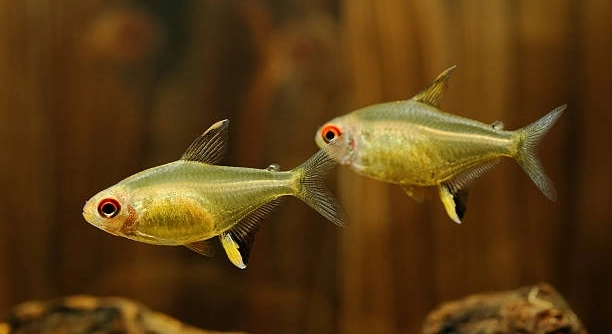
Lemon tetras are small, peaceful fish that bring bright color to any freshwater tank. Many aquarists enjoy keeping them for their cheerful yellow hue and lively swimming patterns in community setups. Their care is generally straightforward.
Lemon tetras do benefit from having live or artificial plants in their tank. Plants provide hiding spots, reduce stress, improve water quality, and support natural behaviors, making the fish healthier and more comfortable in a controlled aquarium environment.
Plants in a tank offer more than decoration. They can influence fish behavior, water conditions, and the overall harmony of your aquarium environment.
Why Lemon Tetras Thrive with Plants
Lemon tetras feel more secure when plants are in their tank. These fish are naturally timid, and plants provide areas to hide when they feel stressed. Floating plants can soften bright lights, making the aquarium feel calmer and more natural. Live plants help maintain water quality by absorbing nitrates and other waste, which can otherwise build up and affect fish health. Additionally, plants encourage natural swimming and schooling behavior. Lemon tetras often swim through stems and leaves, which keeps them active and reduces boredom. Plant roots can also host small microorganisms that fish may feed on, supplementing their diet slightly. Even artificial plants provide similar hiding spots and structure for swimming. A planted tank mimics their natural South American environment, offering both aesthetic beauty and functional benefits. By adding plants, you are creating a more balanced habitat that supports their health and overall happiness in a home aquarium.
Plants not only reduce stress but also help maintain water stability for lemon tetras.
Adding plants to a tank has lasting benefits beyond decoration. They improve oxygen levels, reduce algae growth, and provide areas for small fry to hide. Plants can soften water currents and create zones for fish to explore. Both tall background plants and shorter foreground species offer variety in swimming paths. This variety makes the tank feel less empty and more stimulating. Even simple plants like Java moss or Anubias can provide these benefits without complicated care. For those using artificial plants, choosing ones with varied textures and heights ensures the fish still get hiding spots and movement areas. Over time, plants can influence the overall health of your tank by reducing stress-induced illness and encouraging natural behaviors. A well-planted aquarium is visually appealing, healthier for the fish, and easier to maintain. Lemon tetras will thrive in a tank that feels like a miniature, lush habitat.
Choosing the Right Plants for Lemon Tetras
Soft-leaved plants are best for lemon tetras to avoid injuries.
Plants like Java fern, Anubias, and Amazon sword work well. They are hardy, require minimal care, and provide plenty of hiding spaces. These species tolerate a range of water conditions and do not grow too quickly, making maintenance easier. Floating plants like frogbit or water lettuce can reduce light intensity and add gentle shade. Fast-growing stem plants such as Hygrophila or Cabomba offer vertical cover and create natural corridors for swimming. When arranging plants, place taller ones at the back and sides, leaving open space in the center for schooling. This setup allows fish to feel secure without overcrowding the tank. For beginners, combining a few hardy species with a couple of floating plants creates a balanced environment. Over time, adding small patches of moss or low-growing plants can enhance complexity. By carefully selecting and positioning plants, you create a safe, engaging, and low-stress habitat for lemon tetras, ensuring they display their full color and natural behavior consistently.
Plant Placement and Tank Layout
Placing plants correctly creates a safe and open swimming space. Taller plants belong at the back, shorter ones at the front, and floating plants near the surface to soften light. This arrangement mimics natural habitats and keeps lemon tetras active and secure.
Proper plant placement balances safety and open swimming areas. Lemon tetras are schooling fish that need room to move freely while still having hiding spots nearby. Dense areas along the sides and corners of the tank allow fish to retreat when stressed, while open spaces in the center encourage natural swimming patterns. Floating plants reduce light intensity, creating calm zones and helping fish feel less exposed. Even artificial plants can be arranged to achieve similar effects, offering both structure and shelter without complex maintenance. A thoughtful layout makes daily observation enjoyable and promotes healthier, happier fish overall.
Plants can also help manage tank maintenance. Roots and leaves absorb excess nutrients, reducing algae growth, while dense planting zones trap debris and slow water currents. This creates a more stable environment and lowers stress for lemon tetras. Combining foreground, midground, and background plants provides visual depth and practical benefits, making the tank look natural and feel secure for the fish.
Caring for Planted Tanks
Healthy plants need proper lighting, nutrients, and occasional trimming. Balancing these factors ensures lemon tetras benefit without overgrowth or decay.
Lighting should suit the plant species while avoiding excessive brightness that stresses fish. Fertilizers or root tabs can support growth, especially for slow-growing species. Regular trimming prevents overcrowding and allows light to reach all parts of the tank. Removing dead or decaying leaves keeps water clean and reduces ammonia spikes that harm fish. Monitoring water parameters ensures both plants and tetras thrive together, as stable temperature, pH, and hardness are essential. CO2 injection is optional but can enhance plant growth in dense setups.
Maintaining a planted tank requires consistency but is manageable. Routine water changes, pruning, and monitoring light cycles keep plants healthy. Observing how plants respond to trimming or nutrient adjustments helps fine-tune care. Slow-growing species require less frequent attention, while fast-growing stems may need weekly trimming. Algae can appear if lighting or nutrients are unbalanced, so keeping a watchful eye is important. Combining hardy plants with lemon tetras creates a low-stress, visually appealing aquarium that supports natural behaviors. Over time, a well-cared-for planted tank develops stability, clarity, and vibrancy, benefiting both the fish and the overall aesthetic of the aquarium.
Benefits of Floating Plants
Floating plants provide shade and reduce stress for lemon tetras. They create calm areas in the tank, soften light, and offer temporary hiding spots while allowing open swimming below.
They also help with water quality by absorbing excess nutrients. Floating plants limit algae growth and contribute to a balanced, stable environment that supports the health of both fish and other tank plants.
Popular Plant Choices for Lemon Tetras
Java fern, Anubias, and Amazon sword are ideal. They are hardy, require minimal care, and provide secure hiding areas. Fast-growing stem plants like Hygrophila or Cabomba add vertical cover, while mosses and low plants fill gaps for visual depth. Floating plants like frogbit soften light.
Monitoring Plant Health
Healthy leaves and steady growth indicate thriving plants. Yellowing, holes, or decay signal nutrient or lighting issues that need attention.
Common Mistakes with Planted Tanks
Overcrowding, insufficient light, or ignoring maintenance can harm plants and stress fish. Balanced planting and regular care prevent these issues.
FAQ
Do lemon tetras need live plants, or are artificial ones enough?
Both live and artificial plants can work for lemon tetras, but live plants provide extra benefits. They improve water quality by absorbing nitrates, offer natural hiding spots, and encourage natural behaviors like swimming through leaves. Artificial plants can provide shelter, but they do not support water chemistry or biological balance.
How many plants should I put in my lemon tetra tank?
A good rule is to cover around 50-70% of the tank with plants. This balance gives the fish open swimming space while providing sufficient hiding areas. Overcrowding can stress fish and make maintenance harder, while too few plants leave tetras feeling exposed and insecure.
What types of plants are safest for lemon tetras?
Soft-leaved plants are best to prevent injuries. Java fern, Anubias, Amazon sword, and floating plants like frogbit or water lettuce are excellent choices. Fast-growing stem plants like Hygrophila or Cabomba can add vertical cover. Low-growing mosses or carpeting plants help fill spaces without restricting movement.
Do floating plants affect the behavior of lemon tetras?
Yes, floating plants create shaded areas that reduce stress and mimic their natural environment. They allow fish to explore open swimming spaces while feeling secure underneath. These plants can also calm more timid individuals, letting them rest near the surface without being exposed.
How do I maintain a planted tank with lemon tetras?
Regular maintenance is key. Trim fast-growing plants to prevent overcrowding, remove decaying leaves, and monitor lighting and nutrient levels. Routine water changes keep water chemistry stable. Slow-growing plants require less trimming, but even hardy species benefit from occasional care to maintain healthy growth.
Can too many plants harm lemon tetras?
Yes, overcrowding limits swimming space and can trap debris, affecting water quality. Fish need both hiding spots and open areas for schooling and exercise. A balanced layout with tall, mid, and foreground plants ensures fish feel secure while maintaining active, healthy behavior.
Are live plants better for breeding lemon tetras?
Live plants are beneficial during breeding because they provide dense cover for eggs and fry. Stem plants and mosses create surfaces for eggs to attach, and the cover helps protect small fry from being eaten. Artificial plants can offer shelter but do not support egg-laying naturally.
What lighting is best for planted tanks with lemon tetras?
Moderate lighting works well for both fish and plants. Bright light can stress tetras, while too little light hinders plant growth. Adjust the intensity depending on the species you keep, and consider using floating plants to diffuse excess light. Timer-controlled lighting helps maintain consistency.
Do plants affect water parameters?
Yes, live plants absorb nitrates and other waste, helping stabilize water chemistry. Healthy plants also produce oxygen during the day, supporting fish respiration. Dead or decaying plant matter can increase ammonia and nitrite, so regular inspection and removal of damaged leaves are essential.
How do I prevent algae in a planted tank with lemon tetras?
Balance light, nutrients, and plant growth. Fast-growing plants compete with algae for nutrients, while floating plants reduce direct light. Avoid overfeeding fish, perform routine water changes, and trim decaying leaves promptly. Algae-eating tank mates or snails can also help keep growth under control.
Can lemon tetras eat live plants?
Generally, lemon tetras nibble very little on healthy plants. Soft, tender plants may be occasionally explored, but most species like Java fern, Anubias, and Amazon sword are durable. Observing the fish ensures no significant damage occurs while keeping the plants intact.
Do artificial plants require maintenance?
Yes, even artificial plants need regular cleaning to remove algae or debris. Rinse or scrub them during water changes to prevent buildup. Unlike live plants, they don’t improve water quality, but proper upkeep keeps the tank clean and visually appealing for your fish.
How do I arrange plants for a natural look?
Place taller plants at the back and sides, shorter ones in the foreground, and floating plants at the surface. This creates open swimming areas in the center, hiding spots along edges, and a layered, natural appearance that mimics the tetras’ native environment while encouraging natural behaviors.
Can I keep lemon tetras without plants?
It’s possible, but not ideal. Lack of plants reduces hiding spots, increases stress, and can make fish more prone to illness. Providing at least some plant cover or decorations that mimic natural shelter helps maintain their well-being and supports normal schooling and activity levels.
What are the signs that plants benefit lemon tetras?
Fish that are calmer, actively schooling, and exploring the tank often indicate they feel secure. Healthy tetras show brighter coloration and regular swimming patterns. Plants that grow steadily without decay and help stabilize water parameters also show that the setup is working effectively for both fish and flora.
This FAQ provides practical guidance on choosing, arranging, and maintaining plants in a lemon tetra tank, ensuring the fish thrive in a balanced, healthy environment.
Lemon tetras are small, peaceful fish that respond well to a tank environment that feels safe and natural. Adding plants, whether live or artificial, improves their quality of life by providing hiding spots, reducing stress, and encouraging natural behaviors. Fish in a bare tank can become timid or stressed because they lack secure areas to retreat to when feeling exposed. Plants create zones of comfort while still allowing plenty of open space for schooling and active swimming. Even a few well-placed plants can make a noticeable difference in the overall atmosphere of the tank, helping the fish feel more at ease and display their bright yellow color more vividly. When considering a planted setup, it is important to think about the types of plants used, their placement, and how they interact with the fish’s behavior. A balanced combination of foreground, midground, background, and floating plants can provide structure while keeping swimming space open.
Maintaining plants in a lemon tetra tank is not difficult, but it does require consistent care. Live plants need appropriate lighting, nutrients, and occasional trimming to prevent overcrowding or decay. Trimming helps maintain healthy growth and ensures light reaches all parts of the tank, benefiting both the plants and the fish. Removing dead or damaged leaves is also important because decaying plant matter can affect water quality and introduce excess waste. Even artificial plants benefit from periodic cleaning to remove algae or debris that can accumulate over time. Regular observation of both plants and fish helps identify issues early, whether it is plant health, algae growth, or fish behavior. Over time, a well-maintained planted tank becomes easier to care for as the ecosystem stabilizes, making it a sustainable environment for lemon tetras to thrive.
Plants provide benefits beyond decoration. They improve water quality by absorbing excess nutrients, help reduce algae growth, and produce oxygen, all of which contribute to a stable environment for the fish. They also allow lemon tetras to display natural behaviors, such as exploring, schooling, and resting under cover, which supports both physical and mental health. Floating plants help soften light, creating calm areas that reduce stress, while stem plants and mosses offer hiding spots and surfaces for small fry if breeding occurs. Even simple setups with a few hardy plants can have noticeable positive effects on fish behavior and water stability. Whether using live or artificial plants, taking the time to arrange and maintain them thoughtfully creates a healthier and more comfortable tank. Lemon tetras respond well to this environment, and their activity, coloration, and overall well-being improve when their habitat includes well-chosen plant life.

Hello,
If you enjoy the content that we create, please consider saying a "Thank You!" by leaving a tip.
Every little bit helps us continue crafting quality advice that supports the health, happiness, and well-being of pets around the world, for pets of all shapes, sizes, and species.
We really appreciate the kindness and support that you show us!