
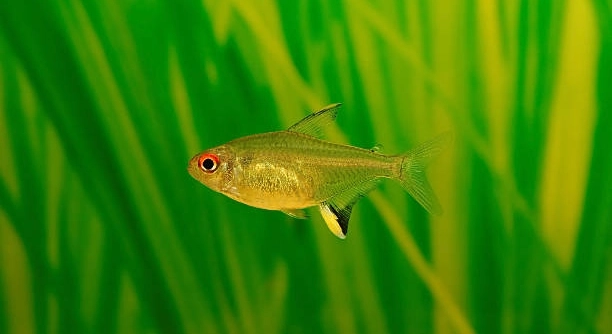
Do you ever find yourself staring at your lemon tetra swimming quietly in the tank, wondering if they truly enjoy their surroundings? These small, bright fish can bring charm to any aquarium, but their environment plays a bigger role than many realize. Simple changes can impact their behavior and overall wellbeing.
Lemon tetras respond positively to tank enrichment that mimics natural habitats. Adding plants, hiding spots, and gentle water flow encourages natural behaviors, reduces stress, and promotes social interactions among fish, contributing to healthier and more active individuals.
Providing proper enrichment can transform a basic tank into a stimulating environment. Observing your lemon tetras interact with their surroundings reveals insights into their natural instincts.
Understanding Lemon Tetra Behavior
Lemon tetras are small, active fish that thrive in groups. They naturally swim in schools and enjoy spaces that allow exploration. Observing them closely, I noticed that providing plants and driftwood immediately increased their movement. They would dart between hiding spots and linger near shaded areas. Open spaces in the tank were used less often, showing a preference for sheltered corners. Even small additions like floating plants or moss pads encouraged curiosity, keeping them engaged throughout the day. Behavioral changes were noticeable within a few days, including more frequent schooling and playful interactions. Some fish spent time investigating new textures, while others used hiding spots for rest. The presence of varied surfaces and structures helped reduce signs of stress, such as rapid swimming or clinging to tank walls. Over time, these adjustments created a balanced environment, promoting natural behavior and overall health. Consistent observation allowed fine-tuning of tank layout to match the needs of the group effectively.
Providing a mix of open space and covered areas creates a balanced habitat, supporting both exploration and security. Lemon tetras respond well to environmental variation and gentle enrichment.
Enrichment does more than stimulate activity. It affects social interactions, feeding patterns, and long-term wellbeing. In a bare tank, fish can become listless or stressed, which may lower immunity and increase susceptibility to disease. When hiding spots and plant clusters were added, schooling behavior became more synchronized, showing improved group cohesion. The varied environment also encouraged natural foraging, with fish exploring leaves and substrate more actively. Subtle changes in light and water movement enhanced this effect, demonstrating the importance of simulating natural conditions. Seasonal decorations, floating plants, or new textures can be rotated to maintain interest and reduce monotony. Over weeks, these enriched environments promoted a calmer, more confident community. Observing their interaction highlighted that enrichment is not optional but essential for psychological and physical health. Lemon tetras adjust quickly and benefit visibly, proving that even small, thoughtful additions can create a thriving tank.
Types of Tank Enrichment
Adding plants, rocks, or driftwood significantly impacts lemon tetra activity and comfort. Simple elements can provide shelter, stimulation, and more natural surroundings.
Different types of enrichment offer distinct benefits for lemon tetras. Plants, both floating and rooted, create shade, hiding spots, and surfaces for exploration, promoting natural movement and reducing stress. Driftwood and rocks provide vertical and horizontal structures, allowing fish to navigate and establish safe zones within the tank. Even subtle changes, such as rearranging decorations, encourage curiosity and prevent boredom, supporting cognitive stimulation. Water flow adjustments mimic river or stream conditions, improving exercise and overall health. Substrate variety allows fish to interact with different textures, enhancing natural behaviors. Adding enrichment gradually is important to avoid sudden stress, and careful observation ensures that each addition is beneficial rather than disruptive. Over time, these measures strengthen social dynamics, encourage schooling, and promote overall vitality, making the tank a more engaging and healthy environment for lemon tetras.
Choosing Appropriate Plants
Live plants improve water quality and provide hiding spots for lemon tetras. They create natural shelter, reduce stress, and encourage exploration. Floating plants also offer shade, helping fish feel secure while swimming in open areas.
Plants like Java fern, Anubias, and Amazon sword work well. These hardy species tolerate various water conditions and low light, making them easy to maintain. Arranging plants in clusters creates pathways and shaded areas, mimicking a natural environment. Floating plants reduce direct light and give timid fish spaces to retreat. Observing the fish, I noticed they explored leaves and stems, using plants both as play areas and resting spots. Gradual introduction of new plant types helps fish adjust without stress, while maintaining a clean, healthy tank environment. Dense planting encourages schooling behavior and natural movement patterns.
Even small plants can enrich the tank. They offer surfaces for interaction and help define the fish’s territory. Consistent care and occasional trimming keep plants healthy, ensuring continuous benefits for the fish.
Incorporating Hiding Spots
Rocks, driftwood, and small caves provide essential shelter for lemon tetras. These features reduce stress and allow fish to retreat when needed, supporting natural instincts and calmer behavior.
Adding driftwood or rock formations creates vertical and horizontal structures. Fish use these areas for resting and social interaction, improving overall activity levels. Caves or hollow ornaments provide secure spots for shy individuals, preventing aggression and allowing timid fish to feel safe. Combining different shapes and textures encourages exploration and stimulates curiosity. Observing my tank, fish quickly adopted these spots, showing increased confidence in open areas and more synchronized schooling. Placement near plants or shaded areas maximizes comfort. Gradual changes prevent sudden stress, and rotating structures keeps the environment engaging. These hiding spots complement plants and open areas, forming a balanced habitat.
Even small spaces between decorations become valuable territory. Lemon tetras actively investigate, rest, or dart through these areas, demonstrating clear enrichment benefits.
Enhancing Water Flow
Gentle water movement keeps lemon tetras active and simulates their natural river habitats. Small filters or adjustable pumps can create currents without overwhelming the fish, promoting exercise and natural swimming patterns.
Varying the flow slightly encourages exploration while preventing stagnant areas. Observing my tank, fish often swim against currents, which improves muscle tone and overall health.
Using Substrate Variety
Different substrates like sand, fine gravel, or small pebbles add texture to the tank floor. Lemon tetras interact with these surfaces during foraging, exploration, and resting. Substrate variety encourages natural behavior and keeps the environment stimulating over time.
Rotating Decorations
Regularly changing the placement of plants, rocks, or ornaments renews interest in the tank. Fish explore new layouts, which reduces boredom and promotes engagement with their surroundings.
Lighting Considerations
Moderate lighting mimics natural day-night cycles. Too bright or constant light can stress lemon tetras, while dimmed periods help regulate activity and support natural behaviors.
FAQ
Do lemon tetras need plants in their tank?
Yes, lemon tetras benefit greatly from live plants. They provide hiding spots, reduce stress, and encourage natural behaviors. Floating and rooted plants create shaded areas, giving timid fish places to retreat while more confident fish explore the open spaces.
Can decorations improve lemon tetra behavior?
Absolutely. Rocks, driftwood, and caves create structure in the tank. Fish use these features for hiding, resting, and exploring. Different shapes and textures encourage movement and curiosity, while reducing aggression among individuals. Even small gaps between decorations can serve as important territories.
How much water flow is ideal?
Gentle water movement works best. Strong currents can overwhelm small tetras, while still water may reduce activity. Adjustable filters or pumps create currents that encourage exercise and natural swimming without stressing the fish. Slight variations in flow stimulate exploration and muscle tone.
Is substrate important for lemon tetras?
Yes, substrate variety enhances the environment. Sand, fine gravel, or small pebbles encourage foraging and exploration. Fish interact with different textures, which promotes natural behavior and prevents boredom. A well-chosen substrate also supports plant growth and keeps the tank looking natural.
Do lemon tetras enjoy hiding spots?
Hiding spots are essential. They offer security, reduce stress, and allow timid fish to rest. Driftwood, caves, and rock formations create vertical and horizontal structures. Fish often dart through spaces, rest in shaded areas, and use them for social interaction, showing visible signs of comfort.
How often should tank decorations be changed?
Occasional rearrangement is beneficial. Rotating plants, rocks, or ornaments renews interest and encourages exploration. Fish quickly adapt to new layouts, which reduces monotony and promotes activity. Gradual changes prevent sudden stress, and varying the environment keeps the tank stimulating.
Does lighting affect lemon tetra behavior?
Yes, lighting is important. Moderate light mimics natural day-night cycles and supports normal activity. Constant or overly bright light can stress fish, while dim periods allow them to rest and regulate behavior. Floating plants or shaded areas help control light exposure naturally.
Can enrichment improve schooling behavior?
Enrichment positively affects social dynamics. Structured environments, hiding spots, and varied textures encourage synchronized schooling. Fish feel safer in complex habitats, which supports cohesion and reduces aggression. Observing their interactions shows clearer patterns of movement and more confident swimming in open areas.
Do lemon tetras need frequent changes in water flow or environment?
Yes, small adjustments are helpful. Slight changes in water flow or rearranged decorations stimulate curiosity and exercise. Consistent observation ensures changes enhance comfort rather than stress. These measures mimic natural variation, promoting overall health and activity.
How do I know if enrichment is working?
Look for increased activity, exploration, and natural schooling behavior. Fish will use hiding spots appropriately, interact with plants and decorations, and show reduced signs of stress, such as clinging to tank walls or rapid, erratic swimming. Positive changes usually appear within days of enrichment.
Can small tanks benefit from enrichment too?
Even small tanks can benefit. Thoughtful placement of plants, rocks, and small caves creates vertical and horizontal space for exploration. Fish will use these areas actively, and subtle adjustments can significantly improve behavior and comfort in limited spaces.
Is it safe to mix different enrichment types?
Yes, combining plants, decorations, substrate variety, and gentle water flow is safe. This creates a dynamic, stimulating environment that mimics natural habitats. Gradual introduction and observation ensure all elements are beneficial, preventing overcrowding or stress.
Do lemon tetras need enrichment for long-term health?
Enrichment is essential for long-term wellbeing. Fish in bare tanks may become stressed, inactive, or display abnormal behaviors. Providing a varied and engaging environment supports mental stimulation, physical activity, social interaction, and overall resilience against disease.
How often should plants or decorations be cleaned?
Regular maintenance is necessary. Cleaning plants, decorations, and substrate prevents algae buildup and maintains water quality. Avoid harsh chemicals, and rinse with tank water to preserve beneficial bacteria. Well-maintained enrichment continues to support health and natural behaviors effectively.
Can enrichment reduce aggression in lemon tetras?
Yes, structured and varied environments help. Hiding spots, plants, and territory markers allow timid fish to escape confrontation, while more active individuals have space to explore. This reduces stress and aggression, promoting a calmer, healthier community.
Do floating plants make a difference?
Floating plants add shade and security. They create dimmer areas for resting, reduce stress, and simulate natural river conditions. Lemon tetras use them to feel safe while navigating the tank, improving confidence and encouraging exploration of both shaded and open areas.
Can enrichment be introduced gradually?
Gradual introduction is recommended. Sudden changes can stress fish. Adding plants, rocks, or decorations slowly allows tetras to adjust, explore safely, and adopt new hiding spots or pathways, maintaining comfort while enhancing stimulation.
Does enrichment affect feeding behavior?
Yes, it encourages natural foraging. Fish explore plants, substrate, and decorations for food, promoting activity and reducing competition. Structured environments can distribute feeding areas, giving all individuals a chance to eat and maintaining healthier interactions.
Are artificial plants effective for enrichment?
Artificial plants can provide shelter and structure but may lack the subtle stimulation of live plants. They are low-maintenance, safe, and useful for adding hiding spots or shade, though live plants also improve water quality and encourage more natural behavior.
What signs indicate enrichment is insufficient?
Signs include lethargy, excessive clinging to walls, reduced schooling, or signs of stress like rapid gill movement. Fish may avoid open areas or show aggression. Observing behavior helps identify areas needing more or better-placed enrichment.
Can enrichment support breeding behavior?
Yes, enriched tanks provide secure spaces and natural hiding spots, which can encourage spawning. Plants, caves, and varied substrate offer surfaces for egg-laying and protection for fry, supporting a healthier breeding environment and reducing stress on adults.
How important is tank size for enrichment?
While larger tanks offer more flexibility, even small tanks benefit. Thoughtful placement of enrichment elements maximizes usable space, encourages natural swimming, and provides both open and sheltered areas, supporting healthy behavior regardless of tank size.
Does enrichment reduce stress during water changes?
Yes, established hiding spots and plant cover give fish safe areas during maintenance. Gradual water changes combined with familiar structures minimize disruption, allowing lemon tetras to feel secure and maintain normal activity.
Can enrichment prevent boredom in lemon tetras?
Yes, varied textures, plants, decorations, and adjustable flow keep the tank engaging. Fish explore, rest, and interact more actively, reducing repetitive or stressed behaviors and promoting overall vitality. Regular updates or slight rearrangements maintain interest over time.
Is enrichment necessary for all lemon tetra tanks?
Enrichment is highly recommended in any tank. Even minimal additions significantly improve behavior, reduce stress, and encourage natural interactions. Consistent observation ensures elements meet fish needs, supporting long-term physical and psychological health.
Lemon tetras are small, delicate fish that thrive when their environment meets both their physical and behavioral needs. Observing them closely, it becomes clear that a bare tank is not ideal for their overall health. They respond positively to enrichment that mimics natural habitats, including plants, decorations, and gentle water flow. Even small changes, such as adding a few hiding spots or rearranging existing decorations, can encourage exploration and reduce stress. Their natural behaviors, such as schooling, resting, and foraging, are more pronounced when the tank environment offers variety and stimulation. Over time, these enhancements lead to a calmer, more active group of fish. It is evident that enrichment is not a luxury but a necessity to maintain the well-being of lemon tetras in captivity. The combination of plants, rocks, caves, and varying substrate creates spaces for fish to feel secure, explore, and interact with one another in ways that resemble their natural behavior in the wild.
Providing a balanced environment also improves social dynamics among lemon tetras. In tanks with proper hiding spots and structured areas, timid individuals have places to retreat, reducing aggression and stress. Meanwhile, more confident fish can explore freely, promoting a healthier hierarchy and encouraging schooling behavior. The placement of plants and decorations plays a significant role, as it allows fish to navigate between shaded and open areas, providing comfort and stimulation simultaneously. Subtle changes, like rearranging rocks or adding floating plants, can maintain interest over time without causing stress. Water flow, lighting, and substrate variety further complement these enrichment strategies, offering opportunities for exercise, natural foraging, and mental stimulation. When all these elements are considered and applied thoughtfully, lemon tetras display more confident swimming patterns, increased activity, and improved interactions with tank mates. Observing their behavior after adding enrichment reveals the tangible benefits, showing that even small adjustments have a noticeable impact on their well-being.
Ultimately, tank enrichment is a key factor in supporting the long-term health and happiness of lemon tetras. Fish kept in stimulating environments are less likely to show signs of stress, lethargy, or abnormal behavior. They engage in natural patterns of schooling, resting, and exploring, which enhances both physical fitness and psychological health. Regular maintenance of plants, decorations, and substrate ensures that the environment continues to provide benefits while supporting water quality. Gradual adjustments and careful observation allow fish to adapt comfortably to changes, maintaining a dynamic and balanced habitat. By providing appropriate enrichment, caretakers can create a tank that meets the needs of lemon tetras, encourages natural behavior, and fosters a thriving, active community. These small but consistent efforts make a meaningful difference, helping lemon tetras live healthier, more fulfilling lives in captivity.

Hello,
If you enjoy the content that we create, please consider saying a "Thank You!" by leaving a tip.
Every little bit helps us continue crafting quality advice that supports the health, happiness, and well-being of pets around the world, for pets of all shapes, sizes, and species.
We really appreciate the kindness and support that you show us!