
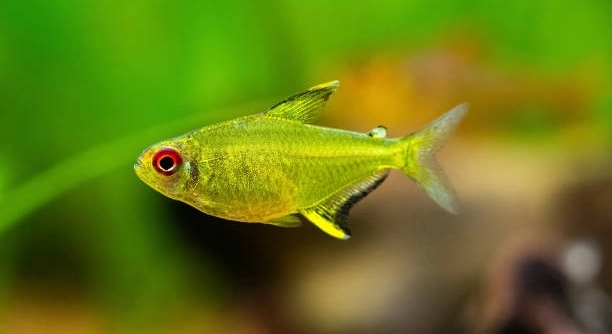
Have you ever watched your lemon tetras and hoped to see more of their natural activity and charm in your aquarium setting as they move through plants and gentle currents with their bright energy day.
Encouraging natural lemon tetra behavior relies on creating stable water conditions, gentle filtration, varied feeding, shaded planting, and calm surroundings that support their schooling instincts. These elements promote confident movement, healthy interactions, and activity patterns reflective of their natural habitat.
These simple adjustments create an environment that nurtures their natural instincts and encourages steady behavior throughout their daily swimming routines.
Provide Consistent Water Conditions
Maintaining consistent water conditions supports natural behavior in lemon tetras by giving them a stable environment where they feel secure. These small fish react quickly to changes, so steady parameters help them swim, feed, and interact with confidence. Clean water encourages their bright coloring and steady movement through plants. Regular monitoring of temperature, pH, and hardness reduces stress and supports a healthy routine. I like to keep the aquarium calm during maintenance so the fish do not feel disturbed. Gentle filtration keeps the water clear without creating strong currents that may overwhelm their delicate swimming patterns. A stable setup encourages their comfort and prevents sudden shifts that could disrupt their activity. When the water remains steady, lemon tetras show smoother schooling and more frequent displays of their natural movements. Over time, these consistent conditions allow them to develop predictable habits, making them easier to observe and understand in an aquarium.
Stable water helps lemon tetras feel settled, which supports natural swimming and calm schooling. With fewer sudden changes, they remain confident as they explore shaded areas and open spaces. Keeping conditions steady gives them a safe setting that supports their daily activity and gentle interactions within the group each day.
Consistent conditions also prevent unnecessary stress that may influence long term health. Lemon tetras rely on stable surroundings to maintain their natural patterns of movement and feeding. When the water stays clear and balanced, they show brighter coloring and smoother motion through plants. This steady environment reduces hesitation during schooling and allows them to react naturally to light and gentle currents. I find that maintaining a predictable routine helps them settle into comfortable patterns quickly. With thoughtful care, the aquarium becomes a space where their natural instincts can develop, allowing them to remain active, steady, and calm throughout the day.
Create a Comfortable Schooling Environment
Schooling behavior is central to lemon tetras, and a comfortable setup supports their confidence as they move together. Adequate space, soft lighting, and areas with plants allow them to form natural groups. A calm layout encourages steady movement and keeps the group relaxed while swimming through open and sheltered sections.
Creating a comfortable schooling environment begins with providing enough open space for lemon tetras to move freely without feeling crowded. These fish rely on group movement for security, so a layout that supports long swimming paths helps them maintain their natural rhythm. I prefer using plants along the sides and back of the aquarium, leaving the center open for active schooling. This arrangement lets them shift between shaded areas and open water while staying close to the group. Soft lighting keeps them calm and prevents sudden reactions that may disturb their flow. Lemon tetras show smoother movement when the aquarium remains free of harsh glare or sudden brightness. A gentle current also supports natural activity, giving them a consistent direction to follow without overwhelming their delicate swimming style. When the tank design supports steady group movement, the fish settle into comfortable routines. Over time, they display more natural behavior, including coordinated swimming, gentle chasing, and calm interaction within the group. This type of environment helps them stay active, confident, and secure, allowing their behavior to remain steady each day. Careful planning of space, lighting, and layout encourages their natural instincts and creates a peaceful aquarium where they can thrive comfortably.
Offer Varied and Natural Foods
Providing varied and natural foods supports steady behavior and keeps lemon tetras active during feeding. Small live or frozen options encourage natural instincts, while high quality flakes or micro pellets fill nutritional gaps. Balanced feeding keeps them confident, alert, and comfortable throughout their regular routines in the aquarium.
A varied diet encourages natural movement because it brings out their instinctive responses. I like to use small live foods such as daphnia or baby brine shrimp, which promote gentle chasing without creating stress. Frozen options work well for routine feeding and help maintain their health. Offering different textures supports their feeding habits and keeps them engaged. These foods also help maintain bright coloring and steady energy levels. When feeding time feels natural, lemon tetras show smoother motion and stronger participation within the group. This balanced approach keeps them active and comfortable as they explore the aquarium.
Providing natural foods also supports healthy digestion and contributes to long term stability. Lemon tetras thrive when their meals resemble what they would encounter in shaded, slow moving waters. Soft flakes, tiny pellets, and occasional treats create a dependable routine that encourages calm behavior. I like to keep portions small to avoid leftovers that could cloud the water. Clean feeding helps maintain stable conditions, which strengthens their comfort during daily activity. When food is consistent and appropriate, they move freely through the tank, following gentle currents and interacting with one another. This steady routine supports their natural patterns and keeps them relaxed.
Add Plants for Shaded Areas
Plants create shaded zones that support calm behavior in lemon tetras by offering places to rest and move quietly. These shaded spots help them feel less exposed and allow smoother transitions between open water and sheltered sections during their daily activity.
Using soft stem plants, floating plants, and dense clusters helps shape a layout that supports natural movement and calm schooling. I prefer placing taller plants along the back and sides while leaving a clear path in the center. This arrangement creates shaded corners where the fish can drift comfortably when they need a break. Floating plants help soften the light, which reduces stress and encourages steady swimming. Lemon tetras respond well to gentle lighting that filters through leaves. These planted areas also create small pockets of shelter for calmer interaction within the group. Over time, the fish develop predictable habits, weaving through plants and moving into open spaces with ease.
Maintain Gentle Water Flow
Gentle water flow supports natural movement in lemon tetras by giving them a steady current they can follow without strain. I like adjusting filtration so the flow remains soft and predictable. This keeps their swimming calm, supports smooth schooling, and encourages steady activity throughout their regular routines each day consistently.
A controlled current also reduces stress by preventing sudden shifts that may disrupt their behavior. I prefer directing the output toward plants to soften the flow. This creates comfortable paths for the group and keeps their movement balanced as they navigate open areas and shaded spaces during daily activity routines.
Use Calm Surroundings
Calm surroundings support steady behavior in lemon tetras by reducing sudden disturbances that may cause them to scatter. I try to keep noise low around the aquarium and avoid fast movements near the glass. This helps the group remain confident as they swim through plants and open areas without hesitation. A peaceful setting also supports stable feeding behavior, allowing them to gather calmly during meals. Soft lighting and predictable routines encourage natural interactions within the group. When the environment stays quiet and steady, lemon tetras show smoother movement, brighter coloring, and more consistent patterns that reflect steady activity in aquarium.
Limit Sudden Light Changes
Limiting sudden light changes supports calm behavior by preventing quick reactions that disrupt their movement. I like using gradual lighting so the shift feels gentle. This helps lemon tetras maintain steady patterns as they transition between shaded areas and brighter spaces throughout their regular activity in the aquarium each day.
How often should I feed my lemon tetras?
I usually feed my lemon tetras small portions two to three times a day. Overfeeding can cause leftover food to pollute the water, so I prefer giving just enough for them to finish in a few minutes. Small, frequent feedings keep them active and prevent sluggish behavior, which helps maintain bright coloring and steady swimming throughout the day. Rotating between flakes, micro pellets, and occasional live or frozen food encourages natural hunting instincts and keeps feeding time engaging. Consistency in timing also supports predictable activity patterns, helping them feel secure and comfortable in their environment.
Can lemon tetras live without live plants?
Yes, lemon tetras can survive without live plants, but they thrive with them. Plants provide shaded areas that reduce stress and allow the fish to rest calmly. I like to use artificial plants when live ones are not an option, though they don’t filter the water or contribute oxygen. Planted areas create hiding spots that support natural schooling and reduce aggressive behavior in small groups. Without plants, I make sure to provide floating structures or decorations that give similar shelter. The presence of cover helps maintain steady movement and prevents sudden darting across the tank, which indicates stress.
What is the ideal tank size for a small group of lemon tetras?
For a group of six to eight lemon tetras, I recommend at least a 20-gallon tank. More space allows them to swim freely and form natural schools without feeling cramped. Crowded conditions can cause stress and uneven behavior, such as one fish dominating the group or hiding excessively. A longer, rectangular tank is better than a tall, narrow one because it offers more horizontal swimming space, which matches their natural patterns. Adding plants, soft lighting, and gentle currents further supports comfort and steady activity. Proper tank size encourages healthier social interactions, smooth schooling, and confident movement throughout the day.
How do I prevent stress in lemon tetras?
Stress in lemon tetras often comes from sudden changes in water, lighting, or tank setup. I make sure to maintain stable temperature, pH, and water hardness. Gradual lighting adjustments and calm handling during cleaning help avoid startling them. Keeping noise low around the aquarium and preventing rapid movements near the tank also reduces stress. I monitor their behavior for signs like erratic swimming, hiding, or loss of color. Providing shaded areas with plants and smooth water flow helps them feel secure. A consistent routine in feeding, cleaning, and tank maintenance allows them to remain active, confident, and relaxed in their environment over time.
What types of food encourage natural behavior?
Small live foods like daphnia, brine shrimp, and micro worms encourage chasing and foraging instincts. Frozen options such as bloodworms or brine shrimp work well for routine feeding. High-quality flakes or micro pellets provide essential nutrients, but I mix these with natural foods to stimulate activity. I like to rotate foods to keep them engaged and prevent picky eating. Offering different textures and sizes encourages natural hunting and pecking behavior, helping them display confident swimming patterns. Gradual feeding in small amounts supports their digestive health and reduces stress, allowing lemon tetras to maintain calm schooling and smooth movement throughout the day.
Can lemon tetras be kept with other fish?
Yes, lemon tetras are peaceful and generally do well with other small, non-aggressive species. I pair them with fish like rasboras, small tetras, or peaceful corydoras. Avoid large or aggressive fish that may intimidate them or disrupt their schooling. Maintaining calm water flow and planted areas provides safe zones for the tetras to retreat if necessary. A mixed tank encourages natural social behavior while reducing stress, as they feel secure in their group and surroundings. Proper spacing, calm lighting, and balanced feeding routines help all species coexist without tension, supporting steady activity and comfortable interactions across the aquarium.
How do I monitor their health effectively?
I observe lemon tetras daily for changes in swimming patterns, color, or appetite. Sudden hiding, lethargy, or faded coloring can indicate stress, illness, or water issues. Regular water tests for ammonia, nitrite, nitrate, and pH help prevent environmental problems before they affect health. Watching schooling behavior and interactions provides insight into their comfort levels. Routine maintenance and gradual adjustments to diet, flow, or lighting support long-term stability. Healthy lemon tetras remain active, maintain bright coloring, and follow predictable schooling patterns. Early detection of irregular behavior allows me to make small corrections before problems escalate, keeping the aquarium balanced and calm.
How much light do lemon tetras need?
I provide moderate, consistent lighting for about eight to ten hours a day. Too much light can stress the fish, while too little can make them sluggish and less active. Floating or tall plants help filter light and create shaded zones, which encourage natural exploration. Gradual transitions between light and dark periods prevent sudden reactions, helping them maintain steady movement. Consistent lighting also supports feeding and schooling routines. I use timers to ensure the aquarium follows a predictable day-night cycle, which improves behavior and confidence within the group. Balanced lighting keeps lemon tetras calm, active, and healthy.
Can I encourage breeding in a home tank?
Breeding lemon tetras requires stable water conditions, slightly acidic pH, and warm temperatures around 78°F. I create a separate breeding tank with fine-leaved plants or spawning mops. Regular feeding with live and high-protein foods encourages readiness. Removing adults after spawning prevents eggs from being eaten. Maintaining clean water and gentle filtration improves hatching success. While breeding is optional for behavior, a well-prepared setup can also enhance confidence and natural activity patterns in the tank. Observing their interactions during breeding shows natural schooling and pairing behavior, which reflects healthy instincts in a controlled environment.
What are signs of a happy lemon tetra?
Bright coloring, smooth schooling, and consistent activity are the best indicators of a happy fish. I notice them exploring open areas, swimming confidently through plants, and maintaining group cohesion. They feed eagerly without stress, interact gently, and avoid excessive hiding. Calm responses to mild disturbances or changes in lighting suggest comfort. When lemon tetras feel secure, their behavior becomes predictable, and the group moves in coordinated patterns. Observing these signs helps me maintain a stable environment that supports both health and natural instincts over time, ensuring they thrive in the aquarium without unnecessary stress.
Final thoughts on encouraging natural lemon tetra behavior focus on creating a stable, calm, and supportive environment. These small fish thrive when their surroundings are predictable and gentle. Consistent water conditions are crucial, as sudden changes in temperature, pH, or hardness can stress them and alter their behavior. Regular monitoring of these parameters ensures the aquarium remains safe and comfortable. Gentle filtration helps maintain clear water without generating strong currents that overwhelm their delicate swimming patterns. Plants, both tall and floating, provide shaded areas and hiding spots, giving them a sense of security. Shaded zones allow lemon tetras to rest, explore, and interact with the group confidently. Soft lighting complements the plants, reducing stress and encouraging calm movement. Together, these elements create an environment where lemon tetras can display natural schooling behavior and maintain steady activity throughout the day.
Feeding also plays a significant role in supporting their natural instincts. Providing a varied diet that includes high-quality flakes, micro pellets, and occasional live or frozen foods encourages natural hunting and foraging behaviors. Small live foods such as daphnia or baby brine shrimp stimulate movement and gentle chasing without overwhelming the group. Rotating foods keeps them engaged and prevents monotony, while portion control ensures the water remains clean and reduces stress from leftover food. Gradual and frequent feedings help maintain steady energy levels and coloring, allowing lemon tetras to remain active and confident. When feeding routines are predictable and balanced, the fish display smoother motion and stronger interactions within the group. Over time, these habits contribute to long-term comfort and stability in the aquarium.
Maintaining a calm environment is equally important for encouraging natural behavior. Lemon tetras respond to gentle surroundings and predictable routines, so minimizing loud noises, sudden movements, or abrupt changes in lighting is essential. Providing enough space for schooling, soft currents for smooth swimming, and shaded zones for quiet rest helps them feel secure. Observing their behavior daily allows for early detection of stress or illness, supporting timely adjustments to their environment. Healthy lemon tetras show bright colors, coordinated group movement, and steady activity, which reflects their comfort and well-being. By combining stable water conditions, varied feeding, planted shelter, gentle currents, and calm surroundings, you create a balanced environment that encourages natural behavior. With careful attention to these details, lemon tetras can thrive, displaying their natural instincts while maintaining long-term health and confidence in the aquarium.

Hello,
If you enjoy the content that we create, please consider saying a "Thank You!" by leaving a tip.
Every little bit helps us continue crafting quality advice that supports the health, happiness, and well-being of pets around the world, for pets of all shapes, sizes, and species.
We really appreciate the kindness and support that you show us!