
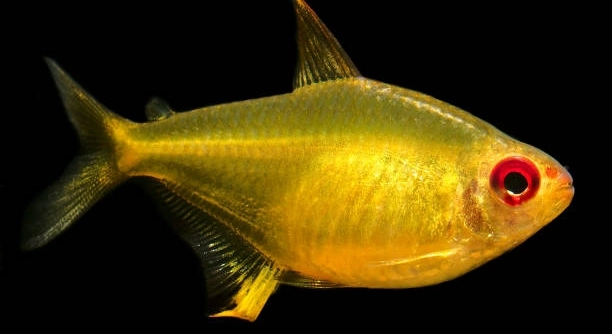
Have you ever watched your lemon tetra settle down in the tank and wondered if they might be resting for the night, even when their tiny bodies still seem active in the gentle aquarium light.
Lemon tetra typically show sleep behavior through reduced movement, dimmed coloration, and a calm hovering posture near plants. These subtle changes reflect a natural resting state that aligns with their circadian rhythm, allowing them to conserve energy and maintain health.
Noticing these gentle signs helps you understand their nightly routine while giving you a view of their calm underwater behavior.
Signs of Sleep in Lemon Tetra
Lemon tetra show their resting patterns in gentle ways that become easier to recognize once you spend time observing them in a calm tank. Their bodies often take on a slightly muted tone, and their usual active movements fade into slow drifting motions that feel peaceful to watch. They settle near plants or in shaded areas where they feel secure, letting the stillness of the water guide their quiet moments. This restful state supports their health by lowering stress and giving their bodies time to recover from daytime stimulation. I have always found that this gentle pause in activity adds a soothing rhythm to the tank, creating a soft balance between light and shadow. Once you know these patterns, you grow more aware of how your fish interact with their environment and how small changes in lighting and noise can shape their restful behavior.
Their calm posture at rest is a natural part of their daily cycle and helps them maintain steady health.
By understanding these signs, you gain a better sense of how they feel in their space and how to support peaceful routines.
Why Lemon Tetra Need Proper Rest
Proper rest helps lemon tetra regulate their energy and maintain stable behavior in their environment.
A consistent resting period supports their physical strength, immune function, and overall comfort in the tank. Lemon tetra respond to small shifts in lighting, sound, and activity around them, so creating a calm nighttime environment becomes important for their comfort. Soft lighting in the room, reduced movement near the tank, and a predictable day to night rhythm help them enter their resting state without disturbance. I have seen how steady routines encourage smoother behavior and reduce sudden darting or stress responses. A peaceful environment also helps them interact more comfortably with tank mates, since fatigue can make them reactive or timid. With proper rest, their colors remain bright, their swimming stays graceful, and their overall temperament becomes more balanced. Supporting their nightly rhythm is a simple way to improve their wellbeing.
How Environment Affects Rest
Lighting, noise, and tank layout influence how easily lemon tetra settle into their resting state. Soft surroundings help them relax, while sudden movement or bright light can delay their natural shift into calm nighttime behavior.
A stable tank setup supports their comfort during rest by keeping stress low and reducing unexpected changes around them. Gentle lighting in the room helps their bodies transition smoothly into a quieter state without disrupting their natural rhythm. Plants and shaded areas give them safe spaces where they can drift without pressure. I have noticed that when the tank remains calm at night, their behavior stays steady and balanced. Small adjustments, like keeping the room dim or avoiding sudden taps on the glass, make a noticeable difference in how peacefully they settle.
A predictable pattern in their surroundings keeps their nightly routine smooth, allowing them to regain energy before the next active period. Over time, this consistent support creates a healthier and more relaxed atmosphere in the tank.
Creating a Calm Night Routine
A calm nighttime routine helps lemon tetra ease into rest without interruptions, keeping their movements gentle and their behavior steady throughout the dark period.
Simple habits like lowering the room’s brightness and reducing activity around the tank help them settle without stress. I have found that keeping the environment free of sudden sounds or fast movements encourages them to rest more naturally. Providing soft plant coverage and stable water conditions also gives them secure areas to pause and drift quietly. Giving them a consistent day to night rhythm helps them feel safe, and they react with smoother swimming and calmer interactions with tank mates. Over time, these small steps improve their overall comfort and support long term stability in their behavior.
Common Behaviors During Rest
Lemon tetra often drift in place with slow, steady movements as their bodies relax into a calm state. Their colors may soften slightly, showing a gentle shift from their usual bright appearance while they remain still near plants or shaded spaces.
They avoid quick swimming and stay close to familiar areas, creating a sense of stability in the tank. Their quiet posture helps them conserve energy, and I notice their movements become smoother and lighter when the room stays peaceful.
How to Support Healthy Rest Patterns
Supporting healthy rest patterns starts with keeping the environment predictable and free of sudden changes. Soft lighting and a calm room help their bodies adjust naturally. I have seen how consistent care and steady surroundings reduce stress and encourage smoother nighttime behavior. Stable water conditions, comfortable plant coverage, and a quiet space allow them to settle without tension. When these elements stay balanced, their overall comfort improves, and their natural rhythm becomes easier to maintain each night.
Subtle Signs They Feel Safe
When lemon tetra feel safe, their drifting becomes smoother, and they rest in open areas instead of hiding. Their calm presence shows they trust their surroundings and feel comfortable settling into their nightly routine.
FAQ
How long do lemon tetra usually rest at night
Lemon tetra follow a daily rhythm that naturally guides them into rest when the lights dim. Their resting period often lasts several hours, and I have noticed they remain calm throughout most of the night. They stay in a gentle hovering posture, drifting quietly and avoiding any fast movements. Their bodies settle into a softened tone, and their environment plays a strong role in how steady their rest becomes. When the room stays dim and peaceful, they maintain a smooth routine that supports their comfort and overall balance in the tank.
Do lemon tetra change color while resting
Their coloration often becomes slightly muted at rest, showing a softer version of their usual bright appearance. This shift is a natural response to reduced activity and dim lighting. I have observed this subtle change many times, and it usually helps me recognize when they are calm. As the morning light returns, their color gradually brightens again, reflecting the return of their usual energy. This gentle fade and return show how closely their behavior follows their daily rhythm.
Is it normal for lemon tetra to stay still for long periods
It is a normal part of their nightly routine to remain mostly still. They hover near plants or areas that feel secure, allowing their bodies to relax. This stillness helps them conserve energy and maintain stable behavior throughout the next day. I have learned that their quiet posture is not a sign of concern but rather a healthy expression of rest. When the tank stays peaceful, they settle even more easily into this calm state.
Do they sleep with their eyes open
Like most fish, lemon tetra do not have eyelids, so their eyes remain open even while resting. Their behavior, rather than their appearance, reveals their restful state. Reduced movement, softer colors, and calm hovering mark their quiet periods. Once you become familiar with these signs, it becomes easier to tell when they are in their resting phase. Their still posture may seem unusual at first, but it supports their wellbeing and daily rhythm.
Can bright lights disturb their sleep cycle
Bright lights can interrupt their rest by keeping them alert and active when they should settle. I have seen how sudden brightness or extended lighting delays their transition into calm nighttime behavior. Maintaining a predictable lighting schedule helps them shift gradually into rest. A dim room and stable tank lights allow them to relax more easily, and this consistency supports their long term comfort.
Should the tank environment stay completely quiet at night
A quiet environment helps them relax without sudden disturbances. While complete silence is not necessary, sharp noises or fast movements near the tank can disrupt their resting period. I try to keep the room calm at night, and this small effort makes their behavior noticeably smoother. Their stillness becomes more natural when the surroundings remain steady.
What helps lemon tetra feel secure enough to rest peacefully
Security comes from predictable surroundings and comfortable tank features. Plants, shaded areas, and stable water conditions give them safe places to settle. I have found that when the tank stays stable and familiar, they rest more confidently. Their gentle hovering becomes more relaxed, and they interact more calmly during the day. Maintaining these elements strengthens their natural rhythm and helps them feel at ease.
Final Thoughts
Caring for lemon tetra becomes much easier when you understand how their resting patterns shape the way they move, respond, and settle into their environment each day. Their quiet moments are not always obvious, but over time you start to recognize the small details that show they are winding down. Their softened colors, gentle drifting, and calm posture all work together to support their overall balance. I have always found that watching these subtle shifts helps me better understand how they feel in their space. It is reassuring to know that these peaceful moments play a meaningful role in their health, and the more familiar you become with them, the more natural it feels to support their nightly routine.
Creating a steady environment gives them the comfort they need to settle without tension or disruption. Lemon tetra respond strongly to lighting, sound, and movement, so controlling these factors makes a noticeable difference. Soft lighting and a quiet room help them drift into rest smoothly. Plants and shaded corners give them places to pause without worry. Stable water conditions keep their bodies comfortable, and predictable routines reduce stress. I have seen how these simple choices make their behavior more measured and calm. They swim with more confidence during the day, and they settle with ease at night. This balance supports their immune system, reduces unnecessary stress, and helps them maintain bright coloration and steady energy.
Understanding their resting patterns also helps you recognize when something is off. If they struggle to settle or act restless during periods when they would usually calm down, it may signal that the environment needs adjustment. A shift in lighting, noise, or tank layout can create small disruptions that affect their comfort. Paying attention to these details makes caring for them feel more personal, because you start to sense how they react to the choices you make for their surroundings. Supporting their natural rhythm becomes a simple part of your routine, and it helps you shape a tank that feels safe and steady for them. Their gentle movements at rest, paired with their bright activity during the day, create a balance that reflects their overall wellbeing. When you give them the conditions they need to rest properly, you help them live comfortably in their space, and their calm behavior becomes a natural reflection of the care they receive.

Hello,
If you enjoy the content that we create, please consider saying a "Thank You!" by leaving a tip.
Every little bit helps us continue crafting quality advice that supports the health, happiness, and well-being of pets around the world, for pets of all shapes, sizes, and species.
We really appreciate the kindness and support that you show us!