
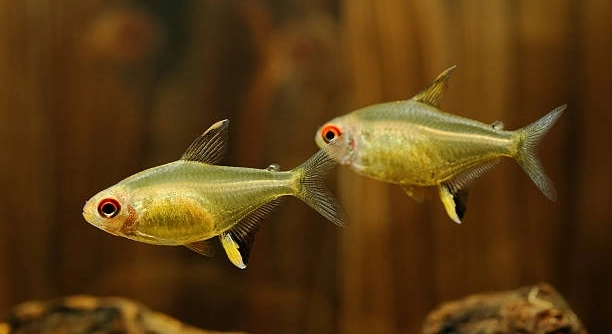
Lemon tetras are small, colorful fish that bring life to any aquarium. Many fishkeepers enjoy their vibrant yellow hue but may notice their growth varies depending on several conditions in the tank. Understanding these factors can help maintain healthy, thriving tetras.
Several key elements influence lemon tetra growth, including water quality, diet, tank size, lighting, temperature, stress levels, and social environment. Each factor interacts to affect development, making careful monitoring and maintenance essential for optimal fish health and proper growth.
By learning how these aspects shape your fish’s well-being, you can create a stable environment that supports steady growth and long-term health.
Water Quality
Water quality has a major impact on lemon tetra growth. Clean, stable water encourages healthy development, while poor water conditions can stunt growth and cause disease. Ammonia, nitrites, and nitrates must be closely monitored. A regular water testing schedule helps track these levels. Maintaining proper pH is also critical, ideally between 5.5 and 7.0. Chlorine and heavy metals from tap water can be harmful, so treating water before adding it to the tank is necessary. Frequent partial water changes prevent waste buildup and help maintain stable conditions. Temperature fluctuations and hardness should also be kept consistent, as sudden changes stress fish and slow growth. Overcrowding can reduce water quality quickly, so tank population must be managed carefully. Good filtration and aeration support oxygen levels, which aid metabolism and overall growth. Consistent attention to these factors ensures your lemon tetras develop steadily, with fewer health problems and a more vibrant appearance.
Maintaining proper water conditions is essential for lemon tetras. Clean water and stable chemical levels support growth, health, and vibrant coloration.
Monitoring water parameters daily, performing regular changes, and using a reliable filter system can prevent health issues. Healthy water leads to active, thriving tetras and reduces stress significantly.
Diet and Nutrition
A balanced diet is critical for lemon tetra growth. Providing high-quality flake or pellet food ensures essential vitamins and minerals are supplied. Supplementing with live or frozen foods like brine shrimp, daphnia, or bloodworms encourages natural feeding behavior and adds protein. Feeding small amounts multiple times a day prevents overfeeding, which can pollute the tank and affect water quality. Avoid giving food that sinks too quickly or is too large, as tetras may struggle to eat it. Variety in diet helps prevent deficiencies and supports vibrant coloration and healthy growth. Observing feeding habits can indicate health issues early, as lethargic or picky eaters may require adjustments. Over-reliance on one type of food can lead to slower growth or poor immunity, so alternating between flakes, pellets, and live or frozen options is ideal. Proper nutrition ensures lemon tetras reach their full size and remain energetic.
Proper feeding habits and nutrient variety help tetras grow stronger, healthier, and maintain a bright, attractive color.
Consistency in diet, feeding frequency, and portion control significantly impacts growth rate. Observing your tetras’ reactions to different foods allows adjustments that support long-term health. Providing a mix of prepared and live foods ensures well-rounded nutrition, preventing deficiencies and promoting vibrant activity.
Tank Size
A larger tank gives lemon tetras more room to swim and grow. Crowded conditions can stress fish, slow growth, and increase disease risk. A minimum of 20 gallons is recommended for a small school of tetras.
Ample space helps maintain water quality and reduces competition for food. Lemon tetras thrive in groups of six or more, and a larger tank allows social interactions without overcrowding. Plants, hiding spots, and open swimming areas create a comfortable environment that encourages natural behavior. Smaller tanks can cause stress, leading to stunted growth and weaker immune systems. Proper tank size ensures that each fish has enough space to develop fully.
A well-sized tank also simplifies maintenance. With more water volume, chemical changes happen more slowly, giving you time to manage nitrates, pH, and other parameters effectively. Fish experience less stress, grow steadily, and display brighter colors. Tank decorations can be arranged to mimic a natural habitat, providing security and areas to explore. Regular monitoring and careful stocking support a stable, healthy environment, helping lemon tetras reach their potential size and remain active throughout their lifespan.
Temperature and Lighting
Stable temperature promotes steady growth and overall health. Lemon tetras prefer water between 72°F and 80°F. Sudden changes can stress them and slow development.
Consistent lighting supports natural day-night cycles. About 10–12 hours of light per day is sufficient, with shaded areas for rest. Proper temperature and lighting regulate metabolism, feeding patterns, and activity. Using a reliable heater and timer prevents fluctuations and mimics a natural environment. Too much direct light may encourage algae growth, so balancing brightness is important. Monitoring daily helps ensure conditions remain steady.
Temperature affects oxygen levels and metabolism directly. Warmer water increases activity and feeding, while cooler water slows growth. Lighting also influences behavior; a predictable schedule reduces stress and supports normal swimming and feeding patterns. Using floating plants or decorations can soften light intensity, providing shaded retreats. Sudden temperature drops or prolonged exposure to strong light can weaken immunity, making fish more prone to disease. Maintaining a controlled environment ensures lemon tetras grow efficiently, remain energetic, and display bright, healthy colors consistently.
Stress Levels
Stress can slow lemon tetra growth and weaken their immune system. Factors like overcrowding, sudden changes, or aggressive tankmates increase stress.
Reducing stress involves maintaining stable water conditions, proper tank size, and peaceful companions. Plants and hiding spots offer security, allowing fish to feel safe and grow naturally.
Social Environment
Lemon tetras are schooling fish and thrive in groups. Keeping at least six together encourages natural behavior, reduces anxiety, and supports healthy growth.
Filtration and Water Movement
Proper filtration ensures clean water and adequate oxygen, which are essential for growth. Gentle water flow mimics natural habitats without stressing fish.
Disease Prevention
Healthy water, balanced diet, and regular monitoring prevent infections. Quick action at signs of illness reduces growth setbacks and supports long-term health.
FAQ
How often should I change water for lemon tetras?
Frequent water changes help maintain clean conditions and stable chemistry. For a small tank, changing 20–25% of the water weekly is ideal. Larger tanks may allow slightly less frequent changes, but monitoring ammonia, nitrites, and nitrates is essential to keep fish healthy.
Can lemon tetras live with other fish?
Yes, they are peaceful and do well with small, non-aggressive species. Avoid larger or territorial fish that may nip fins or intimidate them. Keeping them in a group of at least six helps reduce stress and encourages natural schooling behavior.
What is the best diet for lemon tetras?
A mix of high-quality flake or pellet food and occasional live or frozen options like brine shrimp, daphnia, or bloodworms works best. Providing variety ensures proper nutrition, supports vibrant colors, and encourages active feeding. Feed small amounts multiple times a day.
How large should the tank be?
A minimum of 20 gallons is recommended for a small school of six or more lemon tetras. More space reduces stress, prevents overcrowding, and allows natural behavior. Plants, decorations, and open swimming areas enhance comfort and growth.
What temperature is ideal for lemon tetras?
Lemon tetras thrive in water between 72°F and 80°F. Consistent temperature prevents stress and supports proper metabolism. Sudden fluctuations can weaken immunity and slow growth, so a reliable heater is important for maintaining stable conditions.
How much light do they need?
Around 10–12 hours of light per day is sufficient. Adequate lighting supports natural day-night cycles and feeding patterns. Providing shaded areas with plants or decorations helps reduce stress and allows fish to rest comfortably.
How can I reduce stress in lemon tetras?
Stress can be minimized by maintaining stable water conditions, providing proper tank size, peaceful tankmates, and hiding spots. Overcrowding or sudden changes can increase stress, which slows growth and weakens immunity, so observing fish behavior is crucial.
What are signs of poor health?
Lethargy, loss of appetite, faded colors, clamped fins, or unusual swimming patterns indicate stress or illness. Early detection allows prompt action, reducing setbacks to growth and preventing disease spread.
Do they need a school to grow properly?
Yes, lemon tetras grow better and stay healthier when kept in groups. Schooling behavior reduces stress and encourages normal activity. Keeping fewer than six may lead to anxiety, slower growth, and weaker immune systems.
How do I prevent disease?
Clean water, a balanced diet, appropriate tankmates, and regular observation are key. Quarantining new fish before adding them prevents introducing pathogens. Quick response at the first sign of illness helps maintain growth and overall health.
Can tank decorations affect growth?
Yes, providing plants, hiding spots, and open swimming areas creates a comfortable environment. This reduces stress and allows natural behavior, promoting healthy growth. Avoid overcrowding decorations that limit swimming space.
Is water hardness important?
Yes, soft to moderately hard water supports optimal growth. Extreme hardness or sudden changes can stress fish. Monitoring general and carbonate hardness ensures a stable environment that encourages healthy development.
How long do lemon tetras live?
With proper care, they typically live 3–5 years. Stable water conditions, a balanced diet, low stress, and disease prevention are essential to maximize lifespan and maintain steady growth throughout their life.
How can I encourage vibrant colors?
Proper nutrition, clean water, and low stress enhance coloration. Feeding a variety of high-quality flake, pellet, and occasional live foods ensures essential vitamins and pigments for bright, healthy colors. Consistency in care is key to maintaining vibrancy.
Do they need a specific pH?
Yes, lemon tetras prefer slightly acidic to neutral water, around 5.5–7.0. Maintaining stable pH prevents stress, supports growth, and reduces the risk of illness. Sudden pH changes can be harmful, so regular monitoring is recommended.
Can overfeeding affect growth?
Yes, overfeeding pollutes water, stresses fish, and may slow growth. Feed small portions multiple times per day and remove uneaten food promptly. Proper feeding ensures nutrition without compromising water quality.
Are there seasonal considerations for growth?
Stable indoor conditions prevent seasonal fluctuations from affecting growth. Temperature and lighting should remain consistent year-round. Sudden drops in temperature or light exposure can stress fish and disrupt feeding patterns.
How often should I test water parameters?
Testing at least weekly is recommended, especially for ammonia, nitrites, nitrates, and pH. Frequent checks ensure timely adjustments and prevent conditions that could stunt growth or cause illness. Reliable test kits make monitoring simple.
What role does oxygen play in growth?
Adequate oxygen supports metabolism and overall health. Gentle water movement, proper filtration, and surface agitation ensure sufficient oxygen levels. Low oxygen can slow growth, reduce activity, and make fish more susceptible to disease.
Can tankmates influence growth?
Yes, aggressive or larger fish can stress lemon tetras, reducing feeding and slowing growth. Peaceful, compatible tankmates allow normal behavior and minimize competition. Observing interactions helps maintain a calm, supportive environment.
How important is routine maintenance?
Regular cleaning, water changes, and monitoring parameters are essential. Consistent care prevents stress, disease, and poor water conditions, directly impacting growth. Scheduled maintenance keeps the environment stable and supports long-term health.
Does lighting duration affect growth?
Indirectly, yes. Proper light supports feeding and activity patterns. About 10–12 hours daily is sufficient. Too little light can reduce activity, while too much can increase algae and stress, both of which can affect growth.
What is the effect of tank size on social behavior?
Larger tanks allow proper schooling, reducing stress and encouraging normal activity. Crowded tanks can trigger aggression, limit swimming space, and slow growth. Adequate space improves both health and overall well-being.
Can live plants aid growth?
Yes, live plants improve water quality, reduce stress, and provide hiding spots. They mimic natural habitats, encourage exploration, and promote normal behavior, all of which contribute to steady growth.
Are certain water treatments necessary?
Dechlorinating tap water and using conditioners to neutralize heavy metals protects tetras. Proper treatment prevents stress and supports growth by maintaining safe, stable water conditions.
How do I manage tank population?
Avoid overcrowding, as it increases stress and reduces growth. Maintain appropriate numbers for tank size, monitor behavior, and adjust as needed. Balanced stocking ensures space, proper water quality, and healthy development.
Does temperature consistency matter more than exact degrees?
Yes, stability is more important than minor differences in temperature. Sudden changes are stressful, slow growth, and reduce immunity. Maintaining a consistent environment supports metabolism, activity, and overall health.
Can lemon tetras breed in a home tank?
Yes, with proper conditions including soft, slightly acidic water and a separate breeding area. Healthy adults, stable environment, and proper diet increase the likelihood of successful breeding and normal fry development.
What is the best approach for slow-growing tetras?
Check water quality, diet, tank size, and stress factors first. Adjust any issues gradually. Ensuring balanced nutrition, stable conditions, and peaceful social environment encourages steady growth over time.
How does stress manifest in small changes?
Minor behaviors like hiding, clamped fins, or reduced activity indicate stress. Early recognition allows intervention, preventing long-term growth issues. Providing proper space, companions, and environment reduces these risks effectively.
Are supplements necessary for growth?
Not always. A high-quality, varied diet typically provides sufficient nutrients. Occasional vitamin-rich foods can support growth during periods of rapid development or recovery from illness.
How do I balance feeding and water quality?
Feed small portions multiple times a day and remove uneaten food. This ensures nutrition without polluting the tank, maintaining stable water conditions that support growth.
Can tank placement affect growth?
Yes, tanks near drafts, heaters, or direct sunlight can experience temperature swings. Placing the tank in a stable, moderate environment helps maintain consistent conditions for growth.
What role does activity play in growth?
Active swimming encourages muscle development and healthy metabolism. Providing space and a stimulating environment supports regular activity, which directly impacts growth and overall vitality.
Is monitoring behavior as important as water parameters?
Yes, changes in feeding, swimming, or social interactions often signal problems before water tests do. Observing behavior helps detect stress, illness, or growth issues early, allowing timely corrections.
How do I support growth after illness?
Restore stable water conditions, provide high-quality food, and reduce stress. Gradual recovery ensures tetras regain energy and resume normal growth patterns. Patience and careful observation are key.
What is the effect of lighting color on growth?
Indirect, but natural or full-spectrum lighting supports normal behavior and feeding patterns. Avoid overly bright or colored lights that may stress fish and reduce activity, which can affect growth.
Do decorations need regular cleaning?
Yes, algae and debris can affect water quality. Gentle cleaning prevents buildup, supports oxygen levels, and maintains a healthy environment that encourages steady growth.
How do I know if water changes are sufficient?
Test for ammonia, nitrites, and nitrates. Stable levels indicate adequate water changes. If levels spike, increase frequency or volume of water replacement to protect growth and health.
Can feeding live foods improve growth?
Yes, live foods provide protein, stimulate natural feeding behavior, and support muscle and color development. Incorporate occasionally to enhance diet variety and growth outcomes.
Are lemon tetras sensitive to pH swings?
Yes, sudden pH changes can stress fish, reduce appetite, and slow growth. Maintaining a stable range of 5.5–7.0 is essential for health and proper development.
How does schooling behavior affect stress?
Proper schooling reduces anxiety and promotes natural movement. Isolated or small groups can experience stress, which negatively impacts growth, immunity, and overall well-being.
Can water hardness affect color as well as growth?
Yes, soft to moderately hard water supports metabolism, growth, and coloration. Extreme hardness or rapid changes can stress fish and dull colors over time.
How do I safely introduce new fish?
Quarantine new arrivals for at least two weeks, monitor for illness, and acclimate slowly to the main tank. This reduces disease risk and prevents stress, supporting stable growth.
Are tetras affected by loud noises or vibrations?
Yes, constant vibrations or loud sounds can stress them. Keeping the tank in a quiet, stable location helps reduce stress and supports normal growth.
What is the best way to monitor growth?
Observe size, color, and activity regularly. Comparing fish over time helps identify slow growth or health concerns early, allowing adjustments to diet, environment, or care routines.
Do lemon tetras require a specific water current?
They prefer gentle water movement that mimics their natural environment. Too strong a current can stress them, while stagnant water reduces oxygen and slows growth.
Can seasonal changes affect tank water?
Indoor tanks are less affected, but heating or cooling systems can create temperature swings. Maintaining stable conditions year-round ensures consistent growth and reduces stress.
How important is tank maintenance for long-term growth?
Regular cleaning, water changes, and monitoring parameters maintain a stable environment. This prevents stress, disease, and poor growth, ensuring lemon tetras remain healthy and vibrant over time.
Are there supplements to enhance color without affecting growth?
Occasional vitamin-rich foods or color-enhancing flakes can support pigmentation without harming growth. Overuse is unnecessary if diet is already varied and balanced.
How do I know if fish are stressed due to tankmates?
Signs include hiding, reduced feeding, or chasing. Observing interactions helps identify incompatible species. Removing aggressive fish or adding more tetras to balance schooling can reduce stress.
Can poor water circulation stunt growth?
Yes, inadequate circulation reduces oxygen, concentrates waste, and increases stress. Proper filtration and gentle flow support metabolism and promote healthy development.
Does feeding frequency matter more than quantity?
Both are important. Smaller, frequent feedings prevent overfeeding and ensure consistent nutrition. Large, infrequent meals can pollute water and stress fish, affecting growth.
How do I support growth in a new tank setup?
Cycle the tank fully before adding tetras, maintain stable water conditions, provide a balanced diet, and monitor behavior closely. Gradual adjustments prevent stress and promote healthy growth.
What is the impact of lighting intensity on behavior?
Excessive brightness can stress fish, while too little light reduces activity. Balanced lighting encourages normal swimming, feeding, and metabolism, supporting steady growth.
Can lemon tetras adapt to different water types?
They tolerate slightly varied conditions but grow best in soft to moderately hard, slightly acidic to neutral water. Sudden changes slow growth and increase stress.
Do seasonal light changes matter?
Consistent indoor lighting is sufficient. Sudden shifts in duration or intensity may stress fish, reduce activity, and affect growth. Maintaining a stable schedule supports normal development.
How do I recover fish after a stressful event?
Stabilize water parameters, provide hiding spots, reduce disturbances, and ensure proper diet. Gradual recovery minimizes growth setbacks and restores activity levels.
Are all tetras equally sensitive to stress?
Individual tolerance varies, but lemon tetras are generally sensitive to overcrowding, poor water, and aggressive tankmates. Observing each fish helps address stress before it affects growth.
Can tank plants help reduce disease risk?
Yes, plants improve water quality by absorbing nutrients and providing hiding spaces. This reduces stress, promotes immune function, and indirectly supports growth.
Is it necessary to measure growth periodically?
Tracking size over time helps identify slow growth, health issues, or environmental problems. Early intervention ensures fish reach their full potential.
Can lighting color affect appetite?
Subtle differences may influence activity and feeding patterns. Natural or full-spectrum light encourages normal feeding, supporting steady growth and energy levels.
What is the ideal schooling number?
At least six individuals per group promotes natural behavior, reduces stress, and encourages normal growth. Smaller groups may experience anxiety and slower development.
How do I avoid overstocking?
Follow recommended tank size guidelines, monitor behavior, and consider adult size. Proper stocking prevents stress, poor water quality, and slow growth.
Can sudden temperature drops be fatal?
Yes, abrupt changes can shock fish, weaken immunity, and cause death. Using a reliable heater and avoiding drafts protects growth and overall health.
Do lemon tetras need supplements if diet is balanced?
Generally, no. A high-quality, varied diet meets nutritional needs. Occasional supplements may help during recovery or growth spurts, but consistent care is most important.
Can tank noise affect feeding?
Excessive vibrations or loud sounds can reduce appetite and stress fish. Placing the tank in a stable, quiet area encourages regular feeding and supports growth.
Are soft, gentle water currents better than strong ones?
Yes, gentle currents mimic natural conditions and promote swimming without stress. Strong currents may tire fish, reduce feeding efficiency, and slow growth.
How do I maintain a stress-free environment?
Provide stable water, proper tankmates, sufficient space, hiding spots, gentle lighting, and minimal disturbances. Reducing stress supports feeding, activity, and healthy growth.
Do lemon tetras need oxygen supplements?
Not if the tank has good filtration and surface agitation. Oxygen-rich water supports metabolism, activity, and proper growth naturally.
Can pH fluctuations affect breeding and growth?
Yes, unstable pH can stress fish, reduce feeding, and slow growth. Slightly acidic to neutral water ensures optimal development and supports reproduction if desired.
What is the effect of sudden tank rearrangements?
Moving plants or decorations abruptly can stress fish. Gradual changes reduce anxiety, maintain growth patterns, and prevent behavioral issues.
Is monitoring feeding behavior more important than water chemistry?
Both are critical. Observing feeding indicates stress or illness early, while chemistry ensures a stable environment. Combining both practices supports optimal growth.
How do I know if growth is normal?
Compare size, activity, and color to healthy tetras of similar age. Slow or uneven growth may indicate diet, stress, or water issues that need correction.
Do lemon tetras require dark periods?
Yes, 10–12 hours of light and natural dark periods support rest, metabolism, and activity patterns that influence growth.
Are live plants better than artificial ones for growth?
Live plants offer water quality benefits, hiding spaces, and natural stimulation. While artificial plants provide cover, live plants contribute more to a stable, healthy environment.
How often should I check tankmates?
Regular observation ensures peaceful interactions. Aggression or competition can stress tetras and affect growth. Adjust stocking or rearrange tanks as needed.
Can water temperature influence disease susceptibility?
Yes, sudden drops or fluctuations weaken immunity, increasing the risk of infections that can slow growth and reduce overall health. Stable temperature is essential.
Do tetras need a varied environment for growth?
Yes, open swimming space, plants, and hiding spots reduce stress, encourage activity, and support healthy development and coloration.
Is it necessary to quarantine new fish?
Yes, quarantining prevents disease introduction, stress, and growth setbacks. Observing new arrivals for two weeks before adding them ensures safety.
Can over-cleaning affect growth?
Excessive disruption of beneficial bacteria during cleaning can impact water quality. Gentle maintenance balances cleanliness with stability, supporting steady growth.
Do lemon tetras require seasonal care adjustments?
Indoor tanks with controlled conditions rarely need changes. Maintaining consistent water, temperature, and lighting year-round supports steady growth.
How can I track growth progress effectively?
Take periodic photos, measure fish occasionally, and note activity levels. Tracking changes helps identify problems and allows timely adjustments for healthy development.
Does water clarity affect growth?
Indirectly, yes. Clear water supports oxygen exchange, feeding efficiency, and stress reduction. Poor clarity may indicate pollution, which slows growth and weakens immunity.
Can changing tank location affect growth?
Yes, exposure to drafts, vibrations, or fluctuating temperatures can stress fish. Stable placement prevents interruptions in feeding, activity, and normal growth.
Are there indicators of optimal growth?
Bright color, active swimming, regular feeding, and steady size increase indicate healthy growth. Sudden changes may signal issues requiring adjustment.
Do lemon tetras benefit from simulated natural conditions?
Yes, mimicking natural habitats with plants, gentle currents, and soft lighting promotes activity, reduces stress, and supports growth and overall health.
How important is consistent care for long-term growth?
Consistency in diet, water quality, and environment ensures stable metabolism, reduces stress, prevents disease, and allows lemon tetras to reach full potential size and vitality.
Final Thoughts
Lemon tetras are small, vibrant fish that can bring a lot of life to a tank. Their growth depends on several factors, including water quality, diet, tank size, temperature, and social environment. Paying attention to each of these elements is key to keeping them healthy and helping them reach their full potential. Clean, stable water provides a safe space where tetras can swim freely and feed properly. Regular testing for ammonia, nitrites, nitrates, and pH ensures that the water remains within the ideal range. Treating tap water to remove chlorine and heavy metals is also essential, as even small amounts of these substances can cause stress and slow growth. A reliable filter and gentle water movement support oxygen levels, which are important for metabolism and overall health. Overcrowding can quickly reduce water quality, so maintaining the correct number of fish for the tank size is important. Plants and decorations not only enhance the tank’s appearance but also give tetras hiding spots that reduce stress and encourage natural behavior.
Diet plays an equally important role in lemon tetra growth. Providing high-quality flake or pellet food as a base ensures that essential vitamins and minerals are supplied. Supplementing with live or frozen foods, such as brine shrimp, daphnia, or bloodworms, adds protein and encourages natural feeding habits. Feeding small portions multiple times a day prevents overfeeding, which can pollute the water and harm growth. Variety in the diet helps prevent nutritional deficiencies, supports coloration, and keeps fish active. Observing feeding habits also allows you to spot potential health issues early, as changes in appetite or behavior can indicate stress or illness. Consistent feeding routines combined with proper water maintenance create a stable environment, which is critical for both growth and long-term health.
Other factors like temperature, lighting, and social environment also affect growth. Lemon tetras thrive in water between 72°F and 80°F, with stable temperatures being more important than exact numbers. Proper lighting, about 10–12 hours per day, supports natural activity patterns without causing stress. These fish are social and do best in schools of at least six, which reduces anxiety and encourages normal swimming and feeding behavior. Minimizing stress, providing adequate space, and maintaining compatible tankmates further support growth. Regular observation, routine water changes, and a consistent feeding schedule all work together to create an environment where lemon tetras can grow steadily and remain healthy. Paying attention to these details ensures that these small fish stay active, colorful, and vibrant for years.

Hello,
If you enjoy the content that we create, please consider saying a "Thank You!" by leaving a tip.
Every little bit helps us continue crafting quality advice that supports the health, happiness, and well-being of pets around the world, for pets of all shapes, sizes, and species.
We really appreciate the kindness and support that you show us!