
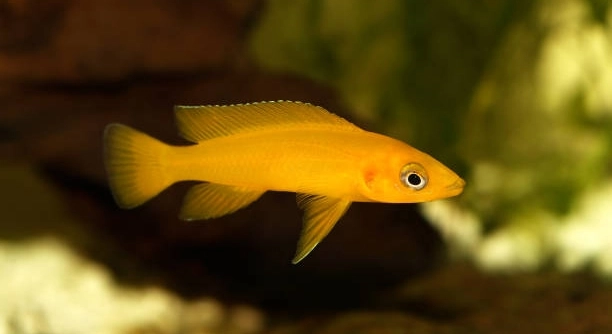
Have you ever watched your lemon tetra glide through the tank and felt unsure about what happens when these fish begin their breeding cycle? Understanding their egg laying can make your aquarium care feel reassuring.
Lemon tetra typically scatter adhesive eggs among plants or spawning mops, releasing them early in the morning under stable water conditions. These eggs develop quickly, and adults often show no parental care, which is why breeding setups help protect clutch.
Learning how these fish manage their spawning cycle brings clarity that can help you support a healthier overall aquarium habitat.
Understanding the Egg Laying Process
When lemon tetra begin their spawning cycle, their behavior becomes more focused and active, especially during the early hours of the day. They scatter their eggs among fine plants or artificial mops, relying on calm water and steady conditions to support successful fertilization. These eggs are small and slightly sticky, allowing them to cling to leaves or fibers. Once released, the adults do not tend to them, so a separate setup is often used to protect the developing eggs. Clear, stable water and gentle lighting help maintain a suitable environment while the clutch matures. Watching this stage can feel rewarding, especially when you notice the subtle changes within the tank. By keeping the space peaceful and maintaining regular upkeep, you give the eggs the best chance to develop well in the coming days. It is a simple process that benefits from consistency more than anything else.
The eggs usually hatch within a couple of days, so maintaining steady conditions during this short period supports proper development without added stress.
After hatching, the fry remain still for a brief time while absorbing their yolk sacs, and once they begin swimming, they will need gentle feeding that matches their tiny size.
Recognizing Healthy Eggs
Healthy lemon tetra eggs appear clear or slightly amber, and they stay firmly attached to the chosen spawning material. Any cloudiness or discoloration often indicates that the egg is not developing properly, so keeping the breeding setup clean helps limit these issues.
Once you see healthy eggs in place, the next step is supporting their early development with a stable and quiet environment. Consistent water quality is essential, especially since the eggs react quickly to sudden changes. A sponge filter is helpful because it provides circulation without drawing in delicate fry later on. Avoid direct bright lighting since softer light keeps the area calm and reduces stress on the eggs. As they develop, you might notice small signs of growth inside each one, showing that they are progressing normally. After hatching, the fry rely on microscopic foods until they grow large enough for slightly bigger options. Keeping feedings light but frequent helps them grow at a steady pace while minimizing leftover particles that might affect the water. Frequent small observations will guide you in adjusting care as they mature.
Caring for Newly Hatched Fry
Newly hatched lemon tetra fry need gentle care right from the start, especially since they are weak and sensitive to sudden changes in their surroundings. Keeping the space calm helps them adjust while they finish absorbing their yolk sacs and prepare for their first small feedings each day with ease.
Once the fry begin swimming freely, they need tiny meals that match their size, usually in the form of infusoria or other microscopic foods. Offering small portions several times a day keeps them nourished without overwhelming the tank. Clean water is important because leftover food breaks down quickly and affects stability. A sponge filter provides enough circulation while staying safe for the fry. Keep an eye on their bellies and activity levels, as these signs help you decide whether they are eating well. Slow and steady growth is normal, so avoiding overfeeding is one of the most helpful habits available.
As they continue to grow, the fry gradually accept slightly larger foods, including crushed flakes or tiny powdered options. Introduce these slowly so their systems adjust without stress. Keeping the lighting soft supports steady feeding because harsh brightness can make them hide. Regular water changes are useful as long as they are gentle and measured. Always match the temperature so the fry are not startled by sudden shifts. Watching their colors develop is a clear sign that they are progressing well. Stable routines make the entire process easier, giving the young fish a secure space to gain strength each day.
Protecting Eggs and Fry
Separating the adults after spawning helps prevent them from eating the eggs, which keeps more of the clutch safe. A simple divider or a dedicated breeding tank works well and reduces stress on the fry once they hatch. Keeping the environment calm supports steady development and lowers the chance of sudden problems caused by startled adults in the tank during their earliest days while you maintain soft lighting and stable water conditions for better results.
A clean and steady environment remains one of the strongest supports for healthy egg and fry development. Gentle filtration keeps the water moving without pulling the young fish into the intake, which is why sponge filters are favored. Small daily checks help you notice growth patterns, feeding response, and any signs of weak development. When performing water changes, move slowly and keep the temperature consistent to avoid shocking the fry. Using aged water reduces sudden chemical shifts that might cause stress. Soft lighting encourages natural behavior and prevents the fry from hiding too often. Once they gain strength, you can adjust feeding amounts slightly to match their growing needs. Steady habits create a predictable environment that helps the young fish thrive from the earliest stages.
Common Challenges During Spawning
Fungal growth can appear on eggs when the water lacks proper circulation, so keeping the breeding tank clean and stable helps reduce this issue. Checking the eggs regularly lets you remove any that show signs of trouble before they affect the others nearby.
Some eggs may fail to develop even under good conditions, which is normal with lemon tetra. Maintaining steady water parameters supports the healthiest clutch possible. Avoid sudden changes because they can interrupt development. Consistent care helps more eggs reach hatching without unnecessary stress on the spawning setup.
Supporting Strong Early Development
Strong early development depends on gentle feeding, clean water, and steady routines. The fry respond best when meals match their size and come in small portions throughout the day. Avoid letting food settle because it breaks down quickly and affects their environment. Slow water changes prevent stress, especially when the fry are still weak. Soft lighting keeps them calm and encourages natural activity. As they grow, you may notice their bodies gaining definition and color, which shows that the setup is working well. Staying patient and consistent is one of the most effective ways to support their progress.
Observing Growth Patterns
Watching the fry become more active each day helps you understand how well they are developing. Their color deepens slowly, and their feeding response becomes more confident as they grow. Keeping track of these changes guides you in adjusting care as they move toward stronger, more stable behavior.
How long does it take for lemon tetra eggs to hatch?
Lemon tetra eggs usually hatch within 24 to 36 hours, depending on water temperature and quality. Keeping the tank at a steady, slightly warm temperature around 25°C (77°F) encourages faster development. Eggs left in unstable conditions may take longer or fail to hatch altogether, so stability is key.
Do adult lemon tetras care for their eggs?
Adult lemon tetras do not provide any parental care. In fact, they may eat their own eggs if left in the same tank. Using a separate breeding tank or a protective spawning area ensures the eggs remain safe until hatching, increasing the chances that more fry survive.
What is the best environment for spawning?
A calm, quiet tank with fine-leaved plants or a spawning mop works best. Water should be clean, slightly acidic to neutral, and consistently warm. Gentle filtration, soft lighting, and minimal disturbance help support both the eggs and eventual fry, reducing stress that could harm development.
How should I feed newly hatched fry?
Newly hatched fry rely on their yolk sacs for the first day or two. Once they start swimming, provide infusoria or other microscopic food in small, frequent portions. Overfeeding can pollute the water, so careful monitoring and small amounts are essential until the fry are strong enough for larger foods.
Can I leave eggs in the main tank with adults?
It is not recommended. Adults often eat eggs, and even minor disturbances can damage them. Separating eggs into a dedicated breeding area or using a mesh barrier in the main tank keeps eggs safe and ensures more fry survive to swim freely.
How can I tell if an egg is healthy?
Healthy eggs are clear or slightly amber, slightly sticky, and adhere to plants or spawning mops. Cloudy, white, or fuzzy eggs may indicate fungal infection or failure to fertilize. Removing unhealthy eggs promptly protects the remaining clutch and maintains water quality.
When do fry start eating on their own?
Fry begin feeding on their own a few days after hatching, once their yolk sacs are absorbed. Initially, they need microscopic foods, transitioning to finely crushed flakes or powdered fry food as they grow. Gradually increasing food size ensures their digestive systems adapt properly.
What are common risks for eggs and fry?
Fungal infections, poor water quality, sudden temperature changes, and predation by adults are the main risks. Maintaining clean, stable conditions, gentle filtration, and separating eggs or fry from adults helps prevent these issues and supports higher survival rates.
How often should water be changed during spawning and early fry stages?
Frequent but gentle water changes are important. Replacing about 10–20% of the water daily with aged, temperature-matched water keeps conditions stable. Sudden or large changes can shock eggs and fry, so gradual adjustments are necessary to maintain their delicate environment.
When can fry be safely moved to the main tank?
Fry are usually ready to join the main tank once they are strong, active swimmers and large enough to avoid being eaten by adult fish. This typically happens after 4–6 weeks, depending on growth rates. Gradually acclimating them reduces stress and improves survival.
What signs indicate fry are thriving?
Active swimming, steady growth, and brightening colors are signs of healthy fry. Fry that feed consistently and interact naturally with their environment show that water conditions and food are supporting proper development. Slow or erratic growth may indicate the need for adjustments in care or feeding.
Can I use synthetic plants instead of live plants for spawning?
Yes, synthetic spawning mops or fine artificial plants work well. They provide surfaces for eggs to attach and can be easily removed or transferred to a separate tank, making them a convenient alternative when live plants are not available or practical.
How important is lighting during the breeding process?
Soft, consistent lighting is best. Harsh or fluctuating light can stress both adults and fry, slowing development or causing hiding behaviors. Gentle illumination encourages natural activity and feeding patterns, supporting stronger growth during the early stages.
Are there signs that adults are ready to spawn?
Mature adults display more active swimming, chasing behaviors, and brightened coloration. These behaviors usually occur in the morning or after water changes. Providing a calm, enriched environment encourages them to release eggs naturally while maintaining their health and reducing stress.
How many eggs can lemon tetras lay at once?
A female lemon tetra typically lays between 100 and 150 eggs per spawning. Not all eggs will survive or hatch, so providing a protective environment and consistent care increases the number of fry that reach maturity. Monitoring development helps gauge success rates.
What is the ideal temperature for breeding?
Temperatures around 24–26°C (75–79°F) are ideal. Consistency matters more than the exact number. Sudden drops or rises can prevent egg development, reduce hatching rates, or stress the fry. Gradual adjustments help maintain healthy conditions throughout the spawning period.
How long do fry take to grow into adult lemon tetras?
Fry typically reach adult size and coloration in about 3–4 months, depending on feeding and water quality. Consistent care, stable conditions, and gradual food progression support healthy development and reduce mortality during this critical growth period.
Can I breed lemon tetras multiple times in a week?
While frequent breeding is possible, it is best to allow recovery between cycles. Over-spawning can stress adults, weaken females, and reduce egg quality. Maintaining a healthy balance ensures stronger eggs and higher survival rates for each clutch.
What should I avoid when raising fry?
Avoid sudden water changes, overcrowding, overfeeding, and mixing fry with adult fish too early. Each of these can cause stress, increase mortality, or stunt growth. Gentle handling, consistent feeding, and careful observation ensure better outcomes.
Is special equipment necessary for successful breeding?
Basic equipment like a small breeding tank, sponge filter, and gentle lighting is sufficient. Additional items like spawning mops or fine-leaved plants help protect eggs and make care easier. Overcomplicating the setup is unnecessary if water quality and stability are maintained.
How do I prevent fungal infections on eggs?
Maintaining clean water, gentle circulation, and removing unfertilized or damaged eggs reduces the risk of fungal growth. Some breeders add a mild antifungal solution, but consistent tank maintenance and careful monitoring are usually enough to prevent outbreaks and ensure healthy development.
Can lemon tetra eggs survive in tap water?
Tap water may contain chlorine or other chemicals harmful to eggs. Using aged or treated water that matches tank temperature and pH helps prevent shock and supports proper development, ensuring higher hatching success without exposing eggs to toxic conditions.
How do I know when fry are ready for solid food?
Once fry are actively swimming and consistently feeding on microscopic foods, you can slowly introduce finely crushed flakes or powdered fry food. Gradual changes allow their digestive systems to adapt and reduce stress while supporting steady growth.
What role does water pH play in breeding?
Slightly acidic to neutral water supports both egg and fry development. Extreme pH levels can reduce fertilization success and slow growth. Regular testing and minor adjustments help maintain stable conditions for optimal breeding results.
How often should I monitor the eggs and fry?
Daily observation is recommended to ensure eggs are developing properly and fry are feeding and active. Quick checks allow removal of damaged eggs, adjustments to feeding, and early detection of any water or health issues, improving overall survival rates.
Can lemon tetras lay eggs without a male present?
No, fertilization requires a male. Without a male, females may release unfertilized eggs, which will not develop. Providing at least one male in proper condition is necessary for successful breeding and viable fry production.
How long should I wait before introducing fry to other tankmates?
Fry should remain separate until they are strong, fast enough to avoid predation, and about a month old or more depending on tank size. Introducing them too early risks high mortality and unnecessary stress for the young fish.
Is it normal for adults to eat some eggs even in a breeding setup?
Yes, some adults may still nibble eggs even with protection. Careful observation and use of spawning mops or dividers reduce losses, but occasional predation is part of their natural behavior and should be expected.
How does water hardness affect egg development?
Soft to moderately hard water is preferred. Extremely hard or very soft water can interfere with egg adhesion, development, and hatching. Maintaining moderate, consistent hardness improves overall breeding success and fry survival.
Can temperature fluctuations affect fry survival?
Yes, even small fluctuations can stress fry, slow growth, or increase mortality. Stable temperature, ideally around 25°C (77°F), ensures healthy development and reduces risks during the early, sensitive stages of life.
What is the best method to transfer eggs safely?
Using a fine mesh or gently moving spawning mops with attached eggs into a separate tank minimizes disturbance. Avoid direct handling, which can damage eggs or cause stress to any attached fry that have begun movement.
How do I ensure more eggs hatch successfully?
Provide clean, stable water, maintain gentle filtration, separate adults, remove damaged eggs, and monitor temperature consistently. Small, frequent observations and adjustments prevent common problems and improve the number of eggs that reach hatching without unnecessary stress.
Can I breed lemon tetras in a community tank?
Breeding in a community tank is challenging because adults and other species may eat eggs or fry. Dedicated breeding tanks increase survival rates and make monitoring easier, ensuring more fry reach a strong, independent stage.
What is the ideal lighting cycle during breeding?
A consistent day-night cycle of moderate, soft light supports natural behavior and encourages spawning. Avoid sudden changes in brightness, which can stress adults or fry and negatively impact development. Maintaining predictable lighting helps regulate activity patterns and feeding.
Do fry need air circulation or aeration?
Gentle aeration via sponge filters provides sufficient water movement without harming fry. Strong currents can sweep away eggs or fry, so keeping circulation light and controlled ensures oxygenation while maintaining safety.
How can I tell if adults are stressed during spawning?
Signs include erratic swimming, hiding excessively, or aggressive chasing beyond normal courtship. Stress reduces egg quality and increases the chance of adults eating eggs. Maintaining calm, stable conditions helps minimize stress and supports successful breeding.
Can lemon tetras breed year-round?
Yes, with consistent water temperature, lighting, and food availability, they can spawn multiple times a year. Allowing recovery between spawning cycles ensures adults remain healthy and eggs maintain higher viability.
Is it normal for fry growth rates to vary?
Yes, small differences in size and growth are typical. Individual fry may eat differently or develop at slightly different speeds. Providing consistent food and care helps minimize disparities and encourages more uniform growth over time.
How do I manage leftover food in the breeding tank?
Remove uneaten food quickly to prevent decay, which can foul the water and stress eggs or fry. Small, frequent feedings reduce leftovers and help maintain stable conditions for optimal development.
Can lemon tetras breed without live plants?
Yes, spawning mops or fine artificial plants provide suitable surfaces for egg attachment. These alternatives allow easy transfer to a separate tank, maintaining egg safety while providing the necessary structure for spawning and early development.
What should I do if eggs fail to hatch?
Check water conditions, remove any unhealthy eggs, and verify temperature and pH stability. If multiple spawns fail, consider reviewing adult health, diet, and tank setup to identify factors affecting fertilization or early egg development.
Are there signs that fry are ready to be weaned onto larger foods?
Active swimming, increased size, and consistent feeding response indicate readiness. Gradually offering finely crushed flakes or powdered foods supports digestive adaptation without overwhelming their systems or causing stress.
Can I mix fry of different ages in the same tank?
It is not recommended. Larger fry may outcompete or accidentally harm smaller ones. Keeping fry of similar age together ensures fair access to food and safer growth conditions.
How long should I maintain a breeding tank after spawning?
Maintain the breeding tank until fry are strong, active swimmers and feeding reliably, usually 4–6 weeks. Afterward, gradual acclimation to a larger tank or community environment is safe.
Is it necessary to count or track each egg?
Tracking every egg is not required but monitoring approximate numbers helps gauge survival rates and identify potential issues early. Focus on overall health and hatching progress rather than precise counts.
What role does tank size play in breeding success?
A small, calm tank reduces stress for spawning adults and protects eggs. Sufficient space allows proper water circulation and feeding without overcrowding, improving egg survival and fry development.
Can lemon tetras breed without a male-female pair ratio?
A balanced ratio, typically one male per one or two females, encourages proper courtship. Too many males or females can reduce spawning success or increase stress during courtship behaviors.
How do I handle mold or fungus on eggs?
Remove affected eggs carefully to prevent spread. Maintaining clean water, gentle circulation, and separating adults are the main ways to prevent mold rather than relying on chemical treatments, which can stress fry.
Are temperature and pH more important than tank decor?
Yes, stable temperature and pH directly affect egg fertilization, development, and fry survival. Decorations mainly provide surfaces and hiding spots but cannot replace proper water conditions.
How do I prevent fry from stunting?
Provide consistent food, stable water conditions, and sufficient space. Avoid overcrowding and sudden changes, as stress and poor nutrition can slow growth and affect long-term health.
What is the safest way to introduce fry to larger foods?
Gradually mix finely crushed flakes or powdered food with existing microfoods. Monitor feeding behavior and remove excess to prevent water pollution, giving fry time to adapt without causing digestive stress.
Do fry need constant observation?
Daily monitoring is sufficient. Observe activity, feeding, and water conditions to detect issues early. Excessive handling or disturbance can stress fry, so focus on visual checks and maintaining steady conditions.
How can I tell when fry are fully independent?
When they swim confidently, feed consistently, and resist stress from mild water changes, they are ready for transition. At this point, they can safely join larger tanks without risk of immediate predation.
Can I reuse spawning mops for multiple spawns?
Yes, but clean them gently between uses to prevent mold, leftover eggs, or bacteria from affecting new spawns. Maintaining hygiene ensures higher hatching success and reduces risks for fry.
How often should I test water during breeding?
Daily checks for temperature, pH, and ammonia help catch problems early. Small adjustments keep conditions stable, improving egg and fry survival without stressing adults or developing fry.
What is the most common reason for failed hatching?
Unstable water conditions, temperature fluctuations, or predation by adults are the primary causes. Consistent care, proper separation, and gentle monitoring greatly increase hatching success.
Are there any signs that eggs are overripe?
Eggs that remain unfertilized for more than 24–36 hours may become cloudy or swell. Removing these prevents fungal growth from affecting healthy eggs and maintains water quality in the breeding setup.
How do I introduce fry to a community tank safely?
Acclimate them slowly by matching water parameters and gradually increasing exposure. Ensure they are large enough to avoid predation and feed consistently before transfer, reducing stress and mortality.
Can stress affect egg fertilization?
Yes, stressed adults may fail to spawn or produce poor-quality eggs. Providing a calm, stable environment with proper diet, water quality, and minimal disturbance encourages successful fertilization.
How do I maintain oxygen levels for eggs and fry?
Gentle aeration using sponge filters provides enough oxygen without strong currents. Avoid high-flow pumps that could dislodge eggs or fry, maintaining a calm, well-oxygenated environment for proper development.
Is it normal for fry to cluster together?
Yes, clustering is a natural behavior that helps fry feel secure and conserve energy. It also makes feeding more efficient and reduces stress during their early swimming stages.
What temperature adjustments are safe during development?
Minor changes within 1–2°C are generally safe, but sudden shifts can be harmful. Keep adjustments gradual and consistent to maintain egg and fry health without causing shock.
Can I breed lemon tetras in cooler climates?
Yes, but maintaining a stable tank temperature with heaters is essential. Unstable or too-cool water slows development, reduces survival rates, and can prevent spawning entirely.
How do I prevent overcrowding in the fry tank?
Separate fry into multiple tanks if numbers are high or use dividers. Overcrowding can lead to stunted growth, stress, and poor water quality, so planning space is crucial for healthy development.
Are there visual differences between male and female fry?
Not initially. Sex differentiation appears as they mature, usually after a few months, when males display brighter coloration and slightly slimmer bodies compared to females.
Can I breed lemon tetras without special breeding food?
Yes, standard high-quality flake or frozen foods can support breeding, but supplementing with live or finely powdered foods improves egg quality and fry survival. Proper nutrition is important for adult health and reproductive success.
How do I reduce mortality during the first week?
Maintain stable water conditions, avoid sudden movements, feed small frequent meals, and protect fry from adults or aggressive tankmates. Gentle care and careful observation prevent most early-stage losses and encourage steady growth.
What is the role of water hardness in fry growth?
Moderate water hardness supports healthy development. Extremely soft or hard water can stress fry, interfere with mineral uptake, or slow growth. Regular testing ensures levels remain stable and suitable for lemon tetra development.
Can lemon tetra fry survive in community tanks from the start?
Survival is low if introduced immediately due to predation. Keeping fry separate until they grow stronger increases survival rates, reduces stress, and allows proper feeding and growth without competition from larger fish.
Is it necessary to provide hiding spots for fry?
Yes, hiding spots help fry feel secure and reduce stress. Fine plants, mops, or gentle decor give them places to rest, reducing aggressive encounters and supporting natural behavior during early growth stages.
Do water changes disturb fry?
If done gently and gradually, water changes do not disturb fry. Sudden or large changes can shock them, so careful partial replacements with temperature-matched water are recommended to maintain stability and health.
Can I breed lemon tetras with just one male?
Yes, one male is sufficient for successful fertilization if paired with one or more females. Ensuring proper adult health and a calm environment improves spawning success and increases viable fry numbers.
What is the most effective way to prevent egg loss?
Separating adults, using spawning mops, maintaining clean water, and monitoring temperature and pH carefully are the best ways to protect eggs. Quick removal of damaged eggs also reduces risks and supports higher survival rates.
**How long
Breeding lemon tetras can feel like a careful balancing act, but with the right approach, it is both manageable and rewarding. These fish are relatively small and delicate, which means they require consistent water conditions, gentle handling, and a quiet environment. Keeping the water clean, maintaining a stable temperature, and providing suitable surfaces for eggs are the foundations of successful spawning. A calm setup reduces stress for the adults and allows them to focus on their natural behaviors. Observing the adults’ activity, color, and interaction can give clear indications of readiness to spawn, making it easier to plan and protect the eggs before hatching. While they do not care for their eggs or fry, creating a controlled environment ensures that most eggs survive and develop into healthy fry. Even small adjustments, like soft lighting, gentle filtration, and minimal disturbance, can have a noticeable impact on success rates.
Once the eggs hatch, the fry need special attention. Their tiny size and weak bodies make them highly sensitive to water quality, temperature, and feeding routines. Infusoria or other microscopic foods are necessary in the first few days until they are able to handle slightly larger foods. Small, frequent feedings prevent water from becoming polluted, which can quickly harm fry in such a small, concentrated space. Observing the fry closely provides insights into their growth, health, and activity levels. Signs like active swimming, steady feeding, and gradual color development indicate that they are thriving. Gentle water changes, consistent temperature, and soft lighting help maintain a stable environment, reducing stress and allowing the fry to develop steadily. Using sponge filters or other low-current filtration ensures oxygenation without putting the fragile fry at risk. Over time, as they grow and become stronger, they can gradually be introduced to larger foods and eventually moved to community or larger tanks, always with care to prevent stress or predation.
Maintaining patience and consistency is key throughout the process. Breeding lemon tetras is not about rushing or trying to control every factor at once, but rather creating conditions where the fish and fry can follow their natural life cycle. Minor issues like unfertilized eggs or occasional fry losses are common, and addressing them calmly with small adjustments often resolves most problems. Providing adequate space, clean water, stable temperature, and proper nutrition ensures both adults and fry remain healthy. Watching the fry grow and develop their colors can be very satisfying, as it demonstrates that consistent care and attention are effective. By following basic guidelines, monitoring conditions closely, and responding thoughtfully to small changes, breeders can support successful spawning and healthy development while keeping their aquarium a stable and balanced environment for all the fish. This approach allows lemon tetras to thrive naturally, making the process straightforward and fulfilling while promoting long-term success in your aquarium.

Hello,
If you enjoy the content that we create, please consider saying a "Thank You!" by leaving a tip.
Every little bit helps us continue crafting quality advice that supports the health, happiness, and well-being of pets around the world, for pets of all shapes, sizes, and species.
We really appreciate the kindness and support that you show us!