
Are your aquariums filled with small, shimmering fish that bring a gentle energy to the tank? Lemon tetras are among the most vibrant and active juveniles, adding charm and liveliness to any freshwater setup.
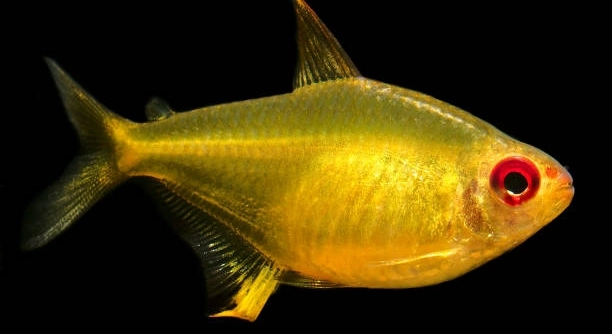
Juvenile lemon tetras are small, slender, and slightly translucent with a pale yellow hue. They display schooling behavior, remain active throughout the day, and gradually develop their bright coloration as they mature in a stable, well-maintained aquarium environment.
Observing their playful movements and gradual color changes offers insights into their growth and behavior, making them a delightful addition to home aquariums for beginners and enthusiasts alike.
Appearance and Early Colors
Juvenile lemon tetras are delicate and small, usually measuring around half an inch to an inch. Their bodies are slightly translucent, with a faint yellowish tint that gradually intensifies over time. The fins are almost clear at first, with subtle hints of orange or yellow beginning to appear. Eyes are dark, providing a striking contrast against their light bodies. As they grow, their silver undertones become more noticeable, and the lateral line starts to develop, giving them the characteristic lemon tetra look. They tend to display subtle iridescence, especially under aquarium lighting, which makes them sparkle as they swim. Schooling behavior begins early, with juveniles instinctively grouping together. Movement is gentle but constant, as they explore their environment. Decorations like plants, driftwood, and smooth rocks help juveniles feel secure, which encourages healthy coloration and activity. Proper nutrition with small, protein-rich foods enhances their early growth and strengthens their developing fins.
Their subtle early colors make them a calming yet lively addition to any tank setup.
Observing juvenile lemon tetras closely can reveal minor variations in size and hue, reflecting health and diet. Some may show faster color development, while others remain paler for longer. Tank conditions, including temperature, pH, and water quality, directly influence their vibrancy. Regular feeding of high-quality flake or micro-pellet foods ensures steady growth. Introducing live or frozen foods like daphnia or brine shrimp can accelerate coloration and support overall health. Grouping juveniles in schools of at least six individuals minimizes stress and encourages natural behavior. Providing hiding spots reduces aggression and helps weaker fish thrive. Even minor changes in water parameters can affect their development, so consistent monitoring is essential. Juveniles may also show early signs of fin growth and body shaping during this period, which predicts adult form. Watching these small transformations helps owners understand and support their tetras’ health.
Behavior and Activity
Juvenile lemon tetras are constantly swimming and exploring, staying active throughout the day. They remain close to each other, forming tight schools.
They exhibit peaceful interactions with tankmates, rarely showing aggression. Activity levels rise during feeding, and juveniles respond quickly to movement or light changes. Swimming patterns are smooth and coordinated, reflecting their instinctive schooling behavior. Their curiosity is balanced with caution, as they avoid sudden disturbances. Observing these patterns helps identify any stress or illness early. Proper tank setup with plants, open swimming areas, and moderate lighting supports natural behavior. Maintaining clean water with stable parameters encourages consistent activity and reduces lethargy. Juveniles are more sensitive to sudden changes, so gradual adjustments in temperature or decor are recommended. This stage is crucial for establishing strong social bonds within the school and developing confidence in their environment.
Juvenile tetras display distinct personality traits that evolve as they mature. Some are more adventurous, leading explorations, while others prefer the safety of the middle or back of the school. These differences can indicate individual health and adaptability. Activity levels also reflect feeding efficiency, as more energetic juveniles tend to compete successfully for food. Maintaining a consistent routine helps establish predictable swimming and feeding behaviors, which reduces stress. Observing interactions within the group allows for early detection of any social imbalance or bullying. Tank conditions, such as flow rate and plant placement, can influence swimming patterns, encouraging natural schooling or hiding behavior. Providing a balanced diet, including live foods, ensures juveniles remain strong and active, which contributes to the development of adult coloration and fin shape. Understanding their behavior at this stage lays the foundation for a healthy, well-adjusted adult tetra population.
Feeding Juvenile Lemon Tetras
Juvenile lemon tetras require frequent, small meals to support growth. High-quality flake or micro-pellet foods are essential, supplemented with live or frozen foods like daphnia or brine shrimp to enhance nutrition and coloration.
Feeding should occur two to three times daily in small amounts that can be consumed within minutes. Overfeeding can lead to poor water quality, which stresses juveniles and slows growth. Live foods provide protein and encourage natural hunting behavior, while frozen options are convenient and nutritionally balanced. Rotating food types ensures juveniles receive a complete diet. Observing their response to each feeding helps identify preferences and any potential health issues early. Strong, healthy juveniles will actively swim to food, showing energetic and coordinated movements within their school.
Consistent feeding schedules and attention to water quality prevent nutritional deficiencies. Juveniles may initially struggle with new foods, but gradual introduction ensures adaptation. Avoid leaving uneaten food in the tank, as it can decompose quickly, promoting harmful bacteria. Balanced nutrition supports fin development, body growth, and early color formation. Incorporating variety in diet stimulates activity and reinforces natural behaviors. Monitoring each fish’s growth allows adjustments in portion sizes and frequency, ensuring all juveniles receive adequate nutrition. Healthy feeding practices during this stage lay the foundation for vibrant adult tetras with strong immune systems.
Tank Setup and Environment
Juvenile lemon tetras thrive in well-planted tanks with open swimming areas. Gentle water flow and stable conditions are crucial for their health.
The tank should have a mix of live plants and hiding spots, such as driftwood or smooth rocks, to reduce stress. Substrate can be fine gravel or sand, providing comfort and mimicking natural habitats. Water parameters should remain stable, with temperatures around 74–78°F and a pH near neutral. Consistent lighting supports plant growth and enhances juvenile coloration. Avoid overcrowding, as it increases competition and stress, which can hinder growth. Maintaining proper filtration ensures clean water without strong currents that could overwhelm small juveniles. Regular water changes are essential for removing waste and preventing ammonia spikes. A secure lid prevents escapes, and gradual introduction of new tankmates reduces conflict.
Monitoring tank conditions and observing juvenile behavior helps maintain a healthy environment. Juveniles are sensitive to sudden changes in temperature or pH, which can trigger stress or illness. Plants not only provide hiding spaces but also contribute to oxygenation and natural water chemistry balance. Driftwood or rocks offer vertical and horizontal territories, allowing juveniles to explore safely. Grouping juveniles in schools of six or more encourages natural schooling and reduces anxiety. Lighting should mimic a natural day-night cycle, enhancing activity patterns and coloration development. Regular inspection of filters and substrate prevents buildup of debris, keeping the tank clean. Establishing a calm, stable environment ensures juveniles grow strong, active, and ready for adulthood.
Social Behavior and Schooling
Juvenile lemon tetras are naturally social and do best in groups of six or more. Schooling reduces stress and encourages natural movement patterns, making them more confident and active in the tank.
They often follow each other closely, coordinating turns and maintaining a tight formation. This instinctive behavior provides safety and helps establish hierarchy without aggression.
Growth and Development
Juveniles grow rapidly in the first few months, with fins and body shape developing steadily. Early coloration is pale but intensifies with proper nutrition and stable water conditions. Growth rate can vary between individuals, influenced by food quality, tank environment, and social interactions. Regular monitoring ensures healthy progress and prevents stunted development. Maintaining consistent feeding, clean water, and appropriate temperature supports skeletal and muscular growth. Active schooling encourages exercise, which strengthens their bodies and improves coordination. Observing gradual color changes and fin elongation helps track maturity. Early care and attention during this stage lay the foundation for vibrant, healthy adult lemon tetras.
Common Health Considerations
Juveniles are sensitive to poor water quality and sudden environmental changes. Regular testing and maintenance prevent stress-related illnesses.
FAQ
What do juvenile lemon tetras eat?
Juvenile lemon tetras eat small, frequent meals that are high in protein. Micro-pellets or finely crushed flake food are ideal. Live or frozen options, such as daphnia or brine shrimp, help promote natural behavior and faster growth. Rotating food types ensures balanced nutrition and supports early coloration.
How often should I feed them?
Feeding two to three times daily in small amounts is best. Each portion should be consumed within a few minutes to prevent leftover food from polluting the water. Overfeeding can stress juveniles and negatively impact water quality. Careful observation during feeding helps ensure all fish are eating.
How many juveniles should be kept together?
Lemon tetras are schooling fish and thrive in groups of at least six. Larger groups are even better, as they reduce stress and encourage natural schooling behavior. Juveniles in proper schools are more confident, active, and less likely to hide excessively.
What tank size is appropriate?
A small school of juvenile lemon tetras can live in a 10-gallon tank, but larger groups need 20 gallons or more. Sufficient space prevents overcrowding, reduces stress, and allows them to swim freely. Decorations should not block open swimming areas.
What water conditions are ideal?
Juveniles prefer stable water with a temperature between 74–78°F, a neutral pH, and moderate hardness. Regular water testing is essential to maintain these conditions. Sudden changes in temperature or pH can stress juveniles and cause health problems.
How important is tank decoration?
Live plants, driftwood, and smooth rocks provide hiding spots and help reduce stress. Plants also contribute to water oxygenation and create a more natural environment. Juveniles explore decorations while swimming, which encourages exercise and social interaction.
Do juvenile lemon tetras show early signs of color?
Yes, they start pale yellow and slowly develop brighter yellow and silver tones. Color intensity improves with age, nutrition, and proper tank conditions. High-quality food and a calm environment accelerate this process, helping juveniles reach their full visual potential.
How do I prevent disease?
Maintaining clean water and stable conditions is critical. Avoid overcrowding, remove uneaten food promptly, and quarantine new fish before adding them to the main tank. Observing for lethargy, discoloration, or unusual behavior allows early intervention. Regular water changes and proper filtration minimize the risk of infections.
Can juvenile lemon tetras coexist with other fish?
Yes, they are peaceful and can share a tank with other small, non-aggressive species. Avoid large or aggressive fish that may stress or harm juveniles. Observing interactions ensures the school remains safe, and adjustments to tankmates can be made if any bullying occurs.
How fast do they grow?
Growth varies by diet, water quality, and tank environment. Juveniles can reach adult size within several months. Proper nutrition and consistent care accelerate development, while poor conditions may slow growth or affect coloration and fin health.
How can I tell if they are stressed?
Signs of stress include hiding, clamped fins, erratic swimming, and loss of color. Stress can result from poor water quality, overcrowding, or aggressive tankmates. Immediate attention to water parameters, feeding, and tank layout helps juveniles recover and maintain healthy behavior.
When do they start schooling properly?
Juveniles instinctively form schools early but become more coordinated as they grow. Observing synchronized swimming, following, and turning together indicates proper schooling. Ensuring enough space and a stable environment supports this natural behavior.
Are juvenile lemon tetras sensitive to light?
Bright, sudden lighting can stress juveniles. Moderate, consistent lighting with a day-night cycle promotes natural behavior, activity, and coloration. Plants and decorations provide shaded areas where juveniles can retreat if needed.
Do they require supplements or special foods?
Occasional live or frozen foods enhance growth, immune health, and early color development. Standard flake or micro-pellet diets can meet basic nutritional needs, but variety supports optimal development and stronger juveniles.
How do I encourage healthy fin growth?
Providing space for swimming, a balanced diet, and stable water conditions encourages fin development. Avoid rough decorations or aggressive tankmates that may damage delicate fins. Observation of early fin growth helps track development and identify any issues.
Can juveniles survive in tap water?
Tap water can be used if properly treated and tested. Chlorine or chloramine must be removed, and water parameters adjusted to meet their needs. Consistent monitoring is essential to avoid fluctuations that may stress juveniles.
How do I monitor their growth effectively?
Track size, color development, and activity levels weekly. Healthy juveniles will gain size steadily, show brighter colors, and swim actively. Recording these observations helps identify potential issues and adjust care routines early.
Are juvenile lemon tetras hardy fish?
They are moderately hardy but sensitive to sudden changes in water conditions. Consistent care, proper nutrition, and a stable tank environment are key to their survival and development into vibrant adult tetras.
Can I mix different ages of lemon tetras?
It is possible but juveniles may be outcompeted by larger adults for food. Providing ample hiding spots and monitoring feeding ensures juveniles are not stressed or starved. Gradual introduction and careful observation help maintain harmony in mixed-age tanks.
How important is temperature stability?
Temperature swings can stress juveniles and slow growth. Using a reliable heater, monitoring daily, and keeping the tank away from drafts or direct sunlight ensures stable conditions. Stability supports active swimming, proper digestion, and color development.
How soon do juveniles show personality?
Even at a young age, they may display differences in boldness and curiosity. Some lead explorations, while others stay in the middle or back of the school. These traits can indicate individual health and adaptability.
Can stress affect coloration?
Yes, stress causes paler colors and slower development. Maintaining a calm, stable environment, proper schooling, and minimal disruptions supports early color formation. Proper feeding and water quality further enhance vibrancy.
Is tank size crucial for schooling?
Adequate space is essential for tight schooling. Crowded conditions increase stress and reduce coordinated swimming. Larger tanks allow natural movement patterns, safer social interactions, and healthier growth overall.
Do juveniles need filtration?
Yes, gentle filtration removes waste and maintains water quality without creating strong currents. Strong currents can exhaust small juveniles and disrupt schooling. Choosing the right filter type helps balance cleanliness with comfort.
What are the most common health issues?
Stress, poor water quality, and overfeeding can lead to fin rot, ich, or stunted growth. Early detection through observation and water maintenance prevents most problems. Proper diet and tank setup minimize risks and support juvenile health.
How long until juveniles resemble adults?
Within a few months, juveniles start showing adult coloration and body proportions. Full development depends on care, water quality, diet, and social stability. Gradual observation helps track growth and identify any developmental issues early.
Can juveniles be trained to eat specific foods?
Yes, gradual introduction of new foods encourages acceptance. Repeating small portions of live or frozen foods alongside regular diet helps juveniles adapt without stress, ensuring a balanced and varied nutrition plan.
How do I ensure all juveniles get enough food?
Feed small portions multiple times daily and observe each fish. Distribute food evenly across the tank to minimize competition. Adjust portions if weaker juveniles struggle to access food. Proper schooling and hiding spots reduce stress during feeding.
Are juvenile lemon tetras fragile during transportation?
Yes, juveniles are sensitive to temperature changes, poor water quality, and rough handling. Use stable, aerated containers and minimize transit time. Gradually acclimating them to new tanks ensures a smooth transition and reduces mortality risk.
Do they react to human presence?
Juveniles notice movement outside the tank but are generally cautious. Over time, they may associate hand movements or feeding with food but remain sensitive to sudden disturbances. Calm, consistent handling reduces stress and supports natural behavior.
Can juveniles survive with slightly different water conditions than adults?
They tolerate slight variations but are more sensitive than adults. Minor fluctuations in temperature, pH, or hardness may stress juveniles and affect growth. Maintaining consistent parameters ensures healthy development.
What signs indicate juveniles are healthy?
Brightening color, active schooling, steady growth, and coordinated swimming all indicate health. Fins should be intact, and juveniles should eagerly eat. Lively behavior and interaction within the school reflect a stable environment.
How important is quarantine for new juveniles?
Quarantine prevents disease transmission and allows monitoring of health before introduction. Observing juveniles in isolation ensures they adapt well and are free of parasites or illness, protecting the main tank population.
Do juveniles need supplemental lighting?
Moderate lighting supports plant growth and enhances early coloration. Avoid overly bright or constant light, as this can stress juveniles. Providing shaded areas allows retreat and comfort within the tank.
How long should juveniles remain in the nursery tank?
They can stay until they reach half or three-quarters of adult size and are strong enough to join the main tank safely. Gradual acclimation reduces stress and ensures successful integration.
Can juveniles recognize each other in the school?
Yes, they develop social bonds and recognize familiar schoolmates, which stabilizes behavior and reduces aggression. School cohesion supports confidence and activity.
What is the best water change schedule for juveniles?
Frequent small water changes, around 20–25% weekly, maintain stable water quality. Large or irregular changes can stress juveniles and disrupt schooling, so consistency is key.
Do juveniles need air stones?
Gentle aeration helps oxygenate water but avoid strong bubbles that can disturb schooling. Natural plant oxygenation may be sufficient in well-planted tanks.
Are juveniles sensitive to tankmates’ aggression?
Yes, aggressive fish can stress or harm juveniles. Peaceful, small species are best to maintain calm and allow schooling behavior to develop naturally.
How do I track individual growth?
Observation during feeding and routine monitoring helps track size, fin development, and coloration. Noting differences ensures weaker juveniles receive extra care and balanced nutrition.
Can water hardness affect juvenile growth?
Moderate hardness is ideal. Extremely soft or hard water can stress juveniles and slow growth. Testing and adjusting hardness ensures proper skeletal and overall development.
Are juvenile lemon tetras easy to care for?
They are moderately easy if water quality, nutrition, and social needs are met. Consistent care ensures steady growth, proper coloration, and active schooling.
Do they show early signs of gender?
Males may develop slightly brighter coloration and slimmer bodies as juveniles, while females are rounder. Subtle differences become more apparent with age and proper care.
How long until juveniles are full-grown?
Full growth generally takes four to six months, depending on diet, environment, and schooling conditions. Proper early care ensures healthy adult size and appearance.
Can juveniles handle occasional temperature fluctuations?
Minor, slow changes are tolerated, but sudden shifts can stress juveniles. Gradual adjustments are safer for long-term health and growth.
What is the best method to acclimate juveniles to a new tank?
Float the transport bag to match temperature, gradually mix tank water, and release juveniles slowly. This reduces stress and allows smooth adaptation.
Do juveniles interact with plants?
Yes, they explore, swim around, and hide among plants. Plants provide security, encourage natural movement, and contribute to water quality.
How do I prevent fin damage in juveniles?
Provide smooth decorations, avoid rough substrate, and limit aggressive tankmates. Proper nutrition also strengthens fin development.
Are juveniles affected by noise or vibrations?
Excessive vibrations or loud noise can startle juveniles, causing temporary stress. Keeping the tank in a calm area supports stable behavior.
Do juveniles need special care during molting periods?
They do not molt like invertebrates, but they may shed small fin edges. Proper nutrition and stable water conditions support healthy fin regeneration.
Is frequent observation necessary?
Yes, regular monitoring allows early detection of stress, illness, or growth issues. Observing schooling, feeding, and color changes ensures juveniles remain healthy.
Can juveniles recover from minor stress quickly?
Yes, with stable water, proper feeding, and calm surroundings, juveniles often bounce back within a few days. Prompt attention prevents long-term health problems.
Do juveniles need a specific light cycle?
A regular day-night cycle, around 10–12 hours of light, supports activity, feeding, and coloration. Darkness allows rest and reduces stress.
How do I handle tank cleaning with juveniles?
Use gentle siphoning and avoid strong currents. Move juveniles carefully if needed, and replace water gradually to maintain stable conditions.
Are juvenile lemon tetras suitable for community tanks?
Yes, with peaceful, small species. They integrate well if water parameters and space allow safe schooling without competition or stress.
Do juveniles need special attention during growth spurts?
Yes, ensure adequate food, stable water, and room for swimming. Growth spurts increase nutritional needs and activity, so careful monitoring is important.
Can juveniles develop health problems from poor diet?
Yes, deficiencies can stunt growth, affect coloration, and weaken immunity. A balanced diet with varied protein sources prevents common issues.
How do I ensure juveniles thrive long-term?
Maintain clean water, stable conditions, appropriate diet, and social schooling. Observing behavior, growth, and color ensures continued health into adulthood.
Are juveniles sensitive to chemical changes?
Yes, chlorine, chloramine, and sudden pH shifts can stress or harm juveniles. Proper water treatment and gradual adjustments protect them.
Do juveniles need hiding spaces even in small tanks?
Yes, even minimal decor like plants or small rocks provides security, reducing stress and supporting natural schooling behavior.
How quickly do juveniles adapt to new food?
Gradual introduction works best. Repeated exposure over several days helps acceptance without causing stress or refusal to eat.
Can juveniles be kept with snails or shrimp?
Yes, peaceful invertebrates are safe companions, providing cleaning benefits without threatening juvenile tetras. Avoid larger, aggressive species.
How do I know if juveniles are growing at a healthy rate?
Steady size increase, fin development, brightening color, and active swimming indicate healthy growth. Sudden changes in behavior or appearance may signal issues.
Are juveniles prone to parasites?
Yes, especially in overcrowded or poorly maintained tanks. Quarantine and proper hygiene reduce the risk of infections like ich or flukes.
Do juvenile tetras need supplemental calcium?
Generally no, a balanced diet and proper water hardness provide sufficient minerals for skeletal and fin development.
How long do juvenile behaviors last before adulthood?
Schooling, cautious exploration, and gradual color change continue for several months until they reach adult size and full coloration.
Can juveniles survive minor neglect?
Occasional missed feedings or minor water changes are tolerated but repeated neglect affects growth, coloration, and overall health.
Do juveniles require specialized heaters?
No specialized heaters are needed, but reliable, stable heating maintains the ideal 74–78°F temperature range.
Can juveniles be stressed by overcrowding?
Yes, too many fish reduce swimming space, increase competition, and lead to stress, paler coloration, and slower growth.
How do I introduce juveniles to established tanks?
Acclimate slowly, monitor for aggression, and provide hiding spots. Observe interactions to ensure schooling and feeding proceed normally.
Do juveniles need water softeners?
Only if tap water is extremely hard or soft. Moderate hardness is ideal for growth and overall health.
Are juvenile lemon tetras fragile during illness?
Yes, juveniles are more vulnerable than adults. Early detection and care are crucial to prevent severe outcomes.
How do I prevent schooling disruption?
Avoid sudden movements, strong currents, or aggressive tankmates. Provide enough space and stable conditions for consistent school formation.
Can juveniles be trained to recognize feeding areas?
Yes, repeated feeding in the same spot encourages predictable swimming patterns and reduces stress during meals.
Do juveniles require a specific tank shape?
Long, shallow tanks are ideal for schooling, allowing horizontal movement and maintaining cohesive groups.
How long should juveniles be observed daily?
A few minutes each day is sufficient to monitor activity, feeding, and coloration, ensuring early detection of issues.
Are juvenile lemon tetras sensitive to chemicals from cleaners?
Yes, even small residues can harm them. Only use aquarium-safe products and rinse surfaces thoroughly before returning fish.
Do juveniles respond to seasonal changes?
Gradual seasonal temperature shifts are tolerated if kept within safe limits. Sudden changes can stress juveniles and disrupt behavior.
How do I handle juveniles during tank rearrangement?
Temporarily provide hiding spaces or separate containers. Move decorations gradually to minimize stress and maintain schooling cohesion.
Can juveniles recognize feeding patterns?
Yes, they quickly learn timing and locations of regular feedings, which encourages coordinated swimming and reduces stress.
Do juveniles need special attention during molting periods?
They do not molt, but fin edges may regenerate. Stable conditions and proper nutrition support healthy fin growth during these periods.
Are juveniles prone to injury?
Yes, rough decorations or aggressive tankmates can cause fin or body injuries. Smooth decor and peaceful companions prevent accidents.
Do juveniles need observation during night cycles?
Minimal observation is required; juveniles rest at night. Monitoring is mainly for unusual behavior or signs of illness during active hours.
How do I introduce live plants safely?
Rinse plants thoroughly to remove pests or chemicals. Gradually add to tank to avoid disturbing juveniles or water chemistry.
Can juveniles tolerate temporary water parameter changes?
Minor, gradual changes are usually tolerated, but sudden shifts in temperature, pH, or hardness can stress them and affect growth.
Do juveniles show early social hierarchies?
Yes, subtle dominance may appear, usually reflected in feeding order or leading movements. It rarely causes aggression if group size is adequate.
Are juveniles affected by tank vibrations?
Yes, excessive vibrations or tapping can stress them. Place tanks on stable surfaces to maintain calm and schooling behavior.
Can juveniles survive with minimal plants?
Yes, but plants improve security, water quality, and encourage natural movement. Some hiding spaces are still recommended.
How do I know if juveniles are adapting to new water?
Steady swimming, feeding, and schooling indicate successful acclimation. Lethargy, hiding, or loss of color suggests stress.
Do juveniles need extra oxygenation?
Moderate aeration helps, but well-planted tanks
Juvenile lemon tetras are small, lively fish that require consistent care and attention to thrive. Their early stages of life are marked by gradual growth, developing coloration, and schooling behavior. Proper nutrition is crucial during this period, with frequent small meals of high-quality flake or micro-pellet food, supplemented with live or frozen options like brine shrimp or daphnia. Providing a variety of foods ensures that juveniles receive balanced nutrition, which supports both body development and early fin growth. Observing their feeding behavior helps identify weaker individuals and ensures all juveniles are consuming enough. Overfeeding should be avoided, as leftover food can quickly reduce water quality, which in turn can stress the fish and slow their development. Paying attention to these basics helps juveniles grow steadily and develop into healthy adults.
Water conditions are another critical factor for the well-being of juvenile lemon tetras. They are sensitive to sudden changes in temperature, pH, or hardness, so maintaining stable parameters is essential. Ideal temperatures range between 74–78°F with a neutral pH and moderate hardness. Regular water testing and weekly partial water changes help keep water clean and safe, preventing stress and illness. Tanks should also be equipped with gentle filtration and sufficient aeration to support healthy swimming and oxygen levels. Decorations, such as live plants, driftwood, and smooth rocks, provide hiding spots and make the environment feel secure, which encourages active schooling and exploration. Juveniles thrive in groups, and maintaining a proper school size reduces stress and promotes natural behavior. Careful attention to both water quality and environment allows juvenile tetras to develop strong bodies, healthy fins, and vibrant coloration.
Behavior and social interactions are an important part of raising juvenile lemon tetras. They are naturally social and exhibit schooling behavior early on, which provides safety and confidence. Watching them coordinate movements and explore their surroundings can reveal subtle differences in personality, with some being bolder or more active than others. Providing a balanced environment with open swimming space and safe hiding spots allows each fish to express its natural behavior. Gradual acclimation to new tanks or tankmates reduces stress and encourages successful integration. By supporting their behavioral and social needs, juveniles grow into well-adjusted adult lemon tetras. Attending to these aspects, along with nutrition and water quality, ensures that juvenile tetras not only survive but thrive, developing into vibrant, active fish that are a rewarding addition to any aquarium.

Hello,
If you enjoy the content that we create, please consider saying a "Thank You!" by leaving a tip.
Every little bit helps us continue crafting quality advice that supports the health, happiness, and well-being of pets around the world, for pets of all shapes, sizes, and species.
We really appreciate the kindness and support that you show us!