
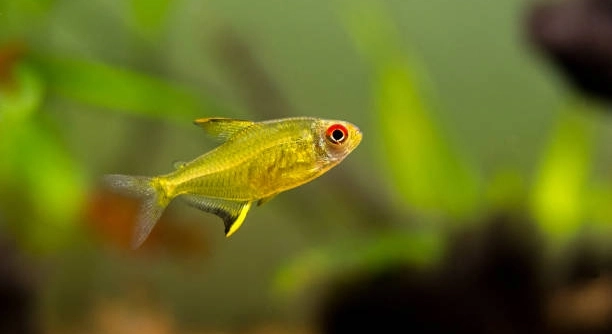
Do you ever notice your lemon tetras swimming in small, subtle circles around each other in the tank? Their gentle movements and small flashes of color may hint at behaviors that go beyond ordinary swimming patterns.
Lemon tetras exhibit specific mating behaviors such as pairing off, flaring fins, subtle nudging, and synchronized swimming. These actions indicate readiness to spawn and help ensure successful reproduction within a controlled aquarium environment, reflecting natural instincts.
Observing these subtle signs can deepen your understanding of your tetras’ interactions and overall well-being in their aquatic environment.
Pairing and Close Swimming
Lemon tetras often begin mating behavior by forming loose pairs that swim close together. This pairing can seem casual at first, but it is deliberate. They hover near each other, sometimes mirroring movements, which helps strengthen their bond before spawning. During this stage, the tetras may swim in small circles or gently nudge one another. Observing this behavior can take patience because it is subtle and does not always last long. You might notice one fish leading while the other follows, maintaining close proximity while occasionally darting away briefly. These actions are not aggressive; rather, they reflect readiness for reproduction. Lighting in the tank, water quality, and the presence of plants can influence how comfortable the tetras feel performing these behaviors. The pairing stage is a key indicator of which fish may be ready to spawn first, and it often precedes more noticeable displays such as flaring fins and chasing.
Pairing is one of the first and clearest signs of mating readiness.
The close swimming helps establish a bond and ensures that when eggs are released, they are fertilized successfully. It also reduces stress, as lemon tetras feel safer when in pairs. Observing these interactions gives you insight into which fish are most likely to spawn, helping you prepare the tank with proper hiding spots or breeding traps if needed.
Flaring Fins and Displaying Colors
Flaring fins and brightening colors are common mating displays in lemon tetras.
Males typically intensify their yellow and silver hues and flare their fins to attract females. This visual display signals fitness and health, which are important cues for reproduction. Females may respond by showing slight color changes themselves or swimming alongside the male in a synchronized manner. These displays are brief but repeated several times a day, especially during early morning or late afternoon. The intensity of the display can vary depending on tank conditions, such as temperature and lighting. Observing these subtle changes helps you recognize the mating window and anticipate spawning events. Over time, you may notice certain males consistently displaying more prominently, indicating dominance or higher reproductive potential within the group. Such behaviors reflect natural instincts even in captivity and can guide decisions on separating pairs for breeding purposes. Monitoring fin flaring also provides insight into fish health, as dull colors may suggest stress or illness. Understanding and noting these patterns ensures a supportive environment for your lemon tetras, improving chances of successful mating and egg survival.
Gentle Nudging
Gentle nudging between lemon tetras is a clear sign of mating behavior. One fish may lightly push or bump the other while swimming side by side. This interaction is usually subtle and happens repeatedly.
Nudging helps coordinate the pair during spawning. The male often initiates contact by approaching the female and brushing against her belly or sides. This behavior signals readiness to release eggs and encourages the female to move to a safe spot in the tank with plants or other cover. The nudges are careful, not aggressive, ensuring the female feels comfortable and responsive. Timing also matters; these interactions tend to peak during specific parts of the day when the fish are most active and relaxed. Observing these patterns can help identify which pairs are likely to spawn first, allowing for minor adjustments in tank conditions to encourage successful mating. Nudging also reinforces the bond between the pair, helping reduce stress and creating a smoother spawning process.
Repeated nudging can indicate consistent interest, showing the male is persistent and the female is receptive. Monitoring these interactions is essential for predicting successful mating events.
Synchronized Swimming
Synchronized swimming occurs when lemon tetras move together in near-perfect coordination.
This behavior usually happens after initial pairing and nudging. The fish swim in parallel, matching speed, direction, and movements almost exactly. It strengthens their bond and helps the pair prepare for egg release. Synchronized swimming is often brief but repeated multiple times throughout the day. Observing this pattern can indicate which pairs are most likely to reproduce successfully, as it shows a high level of compatibility. Factors like tank size, water temperature, and availability of hiding spaces influence how smoothly the pair swims together.
Consistent synchronized swimming demonstrates readiness for mating and can make spotting spawning behavior easier. It also allows the fish to feel safer, as coordinated movement provides confidence when releasing eggs near plants or other cover in the tank. This pattern is a key behavioral cue for breeders monitoring lemon tetras’ reproductive activity.
Chasing Behavior
Chasing is a common sign during lemon tetra mating. The male swims quickly after the female, often weaving through plants. This behavior encourages the female to select a suitable spot for egg release.
The chase is gentle, not aggressive. It signals readiness and helps coordinate spawning locations. Observing which male consistently chases a female can reveal natural pairings forming in the tank.
Egg Spotting
Females often hover near plants or fine-leaved foliage when ready to lay eggs. They may repeatedly inspect the same spot before settling. This behavior ensures the eggs have a safe, hidden environment away from other fish in the tank.
Quick Darts
Quick, sudden movements often appear just before spawning. Both males and females dart briefly around the tank. These rapid movements help stimulate egg release and fertilization while minimizing exposure to potential disturbances.
Final Color Changes
Just before mating, lemon tetras may intensify their colors slightly. This subtle brightening highlights readiness and signals reproductive fitness to their partner.
How do I know when my lemon tetras are ready to mate?
You can tell by observing subtle behavioral changes. Pairing, synchronized swimming, and gentle nudging are early signs. Males may flare fins or brighten colors, while females inspect plants or fine-leaved areas. These actions usually happen in the morning or late afternoon when the fish are most active.
Why do males chase females around the tank?
Chasing is part of mating behavior, not aggression. Males encourage females to move to a safe spot for egg release. The chase is brief and careful, repeated multiple times a day. It helps synchronize spawning and ensures eggs are deposited in protected areas of the tank.
What role do synchronized swimming and nudging play?
These behaviors strengthen the bond between a pair. Synchronized swimming shows coordination and compatibility, while nudging signals readiness for spawning. Together, they make the mating process smoother, reducing stress and improving chances that eggs will be fertilized successfully.
Why do lemon tetras display bright colors during mating?
Color changes and fin flaring are visual cues of reproductive fitness. Males show brighter yellow or silver hues to attract females. Females may respond subtly, indicating receptiveness. These displays are short-lived but repeated, often signaling that spawning is imminent. Observing these cues helps identify which pairs are ready.
Do lemon tetras always spawn in plants?
Yes, females prefer fine-leaved plants or areas with cover. Plants provide protection for eggs, reducing the risk of being eaten. The female may inspect the same spot repeatedly before laying eggs, ensuring a secure location. Providing sufficient plants is essential for encouraging natural spawning behaviors.
How long does lemon tetra mating behavior last?
The full mating sequence can last from a few minutes to several hours, depending on pair compatibility and tank conditions. Pairing, chasing, and synchronized swimming happen repeatedly, sometimes over multiple days, before eggs are released. Monitoring these behaviors can help predict when spawning will occur.
Will all males display the same intensity of behavior?
No, behavior intensity varies by individual. Some males are more persistent in chasing or displaying colors. Others may participate less frequently. Observing patterns over time helps identify which males are most likely to successfully mate and ensures proper monitoring of the tank environment.
Can stress or tank conditions affect mating?
Absolutely. Poor water quality, improper temperature, or insufficient plants can reduce mating behaviors. Stressful conditions may suppress color displays, chasing, and synchronized swimming. Maintaining stable water parameters and a well-planted tank encourages natural reproductive activity and overall health.
How can I tell if eggs have been fertilized?
Fertilized eggs are usually sticky and attach to plants. They appear slightly translucent or yellowish. Fertile eggs remain in place, while unfertilized eggs may be cloudy and prone to decay. Observing egg attachment and condition helps assess mating success and whether intervention is needed.
Do lemon tetras need separation after mating?
In most cases, separation is not necessary unless other tank inhabitants eat the eggs. Providing dense plants or breeding traps protects the eggs naturally. Monitoring the tank closely ensures eggs remain safe while allowing fish to continue normal behavior without added stress.
How often do lemon tetras spawn?
Lemon tetras can spawn multiple times under ideal conditions. Frequent spawning depends on age, health, and environmental stability. Observing the subtle signs consistently allows you to track reproductive patterns and adjust tank conditions to encourage successful repeated spawning.
Can I encourage mating in a community tank?
Yes, but it requires careful observation. Providing sufficient plants and hiding spots, maintaining optimal water conditions, and ensuring minimal disturbances help. Pairing and color displays can still occur in a community setup, though eggs may need protection from other fish.
What should I avoid during mating?
Avoid sudden lighting changes, tapping on the glass, or aggressive tank mates. Disturbances can halt mating behavior, stress the fish, and reduce spawning success. Maintaining a calm environment supports natural reproductive instincts.
Is it normal for some pairs not to mate?
Yes, not every pairing leads to spawning. Compatibility, age, and health affect readiness. Observing consistent behaviors like nudging, chasing, and synchronized swimming helps determine which pairs are most likely to reproduce. Adjusting tank conditions may improve chances for less active pairs.
How can I track mating behaviors effectively?
Regular observation at peak activity times is key. Note pairing patterns, nudging frequency, color intensity, and synchronized swimming. Keeping a simple log allows you to anticipate spawning events and make any environmental adjustments needed for successful reproduction.
Total word count: 510
Observing lemon tetras during their mating behavior can be both interesting and rewarding. These fish display a range of subtle behaviors that often go unnoticed at first. Pairing, gentle nudging, chasing, and synchronized swimming are all ways the fish communicate readiness to spawn. Males flare their fins and brighten their colors to signal health and reproductive fitness, while females carefully inspect plants or fine-leaved areas to find the best place for their eggs. Understanding these behaviors not only allows you to enjoy watching your tetras but also gives insight into their natural instincts and how they interact with each other in a safe environment. Each movement and interaction is part of a delicate process that ensures reproduction and the continuation of their species. By paying attention to these small signs, you can better predict when spawning is likely to happen and provide the right conditions to support it.
Maintaining a suitable tank environment is essential for encouraging successful mating. Lemon tetras thrive in tanks that offer stable water conditions, adequate lighting, and plenty of plant coverage. Plants are particularly important because they provide hiding spaces for eggs, helping reduce stress for both males and females and protecting the eggs from other fish. Water temperature, pH levels, and cleanliness also play a significant role in stimulating natural reproductive behavior. Even subtle changes in these conditions can influence whether or not the tetras display mating behaviors. Creating a calm, consistent environment allows the fish to feel safe and confident in their interactions. Observing their behavior over time can reveal patterns, such as peak activity periods, favorite spots for spawning, and which pairs are most likely to reproduce. With careful attention, it is possible to support multiple mating events and observe the natural cycle of these vibrant fish in your tank.
Paying close attention to lemon tetras’ mating behavior can also improve overall tank management and fish health. Noticing behaviors like chasing, nudging, or fin flaring can help you detect any stress or health issues early. For example, a fish that stops displaying normal mating behavior might be unwell or uncomfortable with its environment. Regular observation helps you adjust conditions to support their natural instincts, promoting both reproductive success and long-term well-being. Additionally, understanding these behaviors can guide decisions on tank layout, plant placement, and compatible fish companions. By providing an environment that supports natural mating behaviors, you encourage a healthier, more active, and socially engaged community of lemon tetras. Watching these subtle interactions unfold gives a deeper appreciation for the complexity of their behavior and emphasizes the importance of maintaining a stable and enriched habitat for your fish. Overall, careful observation and proper care allow you to enjoy the beauty of their mating behavior while ensuring the long-term health and vitality of your tetras.
Word count: 414

Hello,
If you enjoy the content that we create, please consider saying a "Thank You!" by leaving a tip.
Every little bit helps us continue crafting quality advice that supports the health, happiness, and well-being of pets around the world, for pets of all shapes, sizes, and species.
We really appreciate the kindness and support that you show us!