
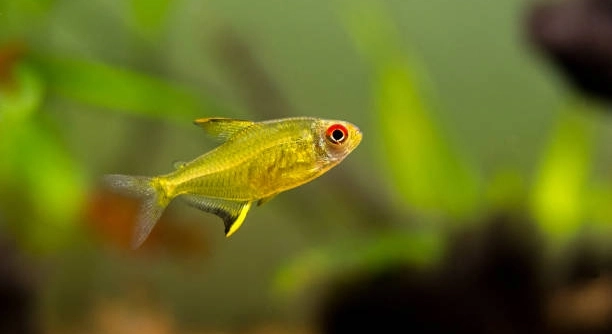
Lemon tetras are small, active fish that thrive in lively environments. Keeping them engaged is important for their well-being. Providing the right items in their tank can help stimulate natural behaviors and maintain a healthy aquarium atmosphere.
Seven items are particularly effective at keeping lemon tetras engaged. Plants, floating objects, small hiding spots, and gently moving decorations encourage exploration. Mirrors, safe toys, and interactive feeding tools also stimulate curiosity and promote physical activity in a controlled environment.
Knowing which items work best can help your lemon tetras stay happy and active. Choosing the right accessories creates a more engaging and balanced habitat for them.
Live Plants
Live plants provide shelter and hiding spots for lemon tetras. They mimic natural environments and reduce stress. Tetras enjoy swimming through leaves and exploring dense greenery. Plants like Java moss, Anubias, and Amazon swords are easy to maintain and help improve water quality. Plants also absorb nitrates, keeping the tank cleaner. Lemon tetras are more active around plants, often weaving between stems and leaves. Plants give them a sense of security, which encourages natural schooling behavior. They also offer resting areas for shy or new tetras, helping them feel comfortable in the tank. A well-planted tank creates layers for swimming, giving tetras a more stimulating space to explore. Regular trimming of plants ensures they remain healthy and prevents overcrowding. Choosing hardy plants is important, as tetras may nibble on softer leaves. Combining tall and short plants adds variety and interest for the fish. Live plants ultimately contribute to both the visual appeal of the tank and the mental stimulation of the tetras.
Plants give tetras areas to explore and hide, increasing activity and reducing stress. They make the tank visually pleasing too.
Adding live plants is simple but effective. Start with easy-to-care-for species and arrange them in groups. Place taller plants in the back and shorter ones in the front. Tetras enjoy weaving through stems, and plants create shaded spots that reduce stress. Regular trimming ensures growth and prevents overcrowding. Healthy plants improve water quality by absorbing nitrates and creating oxygen-rich zones. Dense plants encourage natural behaviors, like schooling and exploring. Tetras may nibble on leaves, so selecting hardy species is important. Floating plants add movement at the surface and give hiding options. Overall, live plants create a stimulating environment that keeps lemon tetras active, healthy, and comfortable, making them an essential addition to any aquarium setup.
Floating Objects
Floating objects let lemon tetras explore different levels of the tank. They move gently with the water, attracting curiosity and interaction.
Small floating logs, leaves, or foam objects create enrichment for swimming and play. Lemon tetras use these to explore vertical spaces and feel secure.
Floating objects break the monotony of an open water area. They create shade and mimic fallen debris in natural habitats. Tetras interact with the movement of the objects, improving mental stimulation. Position objects near feeding areas to encourage activity, and ensure they are lightweight and safe. Over time, changing the objects’ placement keeps tetras engaged and curious. Even simple items like cork bark pieces or floating plants can enhance their swimming patterns. Rotating or swapping objects occasionally maintains interest and encourages natural behaviors, like chasing, exploring, and schooling. Floating items add dimension to the aquarium, giving tetras choices for navigation, rest, or playful interaction, making them more active and attentive in the tank environment.
Small Hiding Spots
Providing small hiding spots reduces stress and gives lemon tetras safe areas to retreat. Caves, small pots, and hollow decorations work well. These spaces make the tank feel more natural and encourage active exploration while giving shy tetras a break.
Hiding spots mimic natural shelters and create a sense of security. Tetras often dart in and out of these spaces, which keeps them active and alert. Using multiple small spots throughout the tank ensures all tetras can find refuge without crowding. Materials like ceramic, resin, or smooth stones are safe and easy to clean. Positioning these spots near plants or along the tank edges makes them more inviting. Lemon tetras use these areas not just for hiding but also as rest zones or temporary boundaries when swimming in schools. Over time, small hiding spots become central hubs for interaction and observation within the aquarium.
Rotating hiding spots or slightly changing their positions keeps tetras engaged. They respond well to minor changes, exploring new corners, and interacting more with their environment. Ensuring spots are easily accessible and sized appropriately prevents stress while maintaining stimulation. Grouping a few together creates mini zones, allowing tetras to choose spaces based on comfort or social activity. These areas encourage natural behaviors, including schooling, darting, and brief retreats, all of which contribute to a balanced, healthy, and lively tank environment.
Mirrors
Mirrors stimulate curiosity and activity in lemon tetras. A brief reflection triggers interaction, encouraging swimming and chasing behaviors without overcrowding the tank or stressing the fish.
Using a small mirror for a few minutes a day is effective. Tetras respond to their reflections by exploring or swimming rapidly, which provides exercise and mental stimulation. Avoid leaving mirrors in the tank permanently, as prolonged exposure can cause aggression or stress. Position the mirror where fish can approach it safely. Some tetras may initially be cautious, but most adjust quickly and engage regularly. Mirror play is simple but provides a noticeable increase in activity levels, especially in less decorated tanks or when the fish seem bored. Rotate mirror placement occasionally to sustain interest and prevent habituation.
Mirror interactions mimic social or competitive behavior without introducing more fish. Tetras may chase or display toward their reflection, which helps burn energy and reduces lethargy. Using mirrors sparingly prevents stress while still enriching the tank environment. Even a few minutes daily can improve swimming patterns and alertness. For variety, pair mirror exposure with feeding times or near floating objects to combine enrichment. Observing the fish’s response provides insight into their behavior, showing which areas and objects they prefer. Strategic mirror use enhances activity, mental stimulation, and natural behaviors in lemon tetras, contributing to their overall well-being.
Interactive Feeding Tools
Interactive feeding tools make mealtimes more engaging for lemon tetras. Floating feeders or small feeding rings encourage active swimming and prevent food from sinking too quickly. These tools help maintain focus and stimulate natural foraging behavior in the tank.
Using feeding tools slows down consumption and keeps tetras moving. They promote mental stimulation as fish figure out how to access food. Regular use prevents boredom and encourages healthier activity levels.
Driftwood
Driftwood adds texture and hiding opportunities in the aquarium. Tetras enjoy swimming around it, exploring surfaces, and using it as a resting spot. Driftwood also releases tannins that slightly soften water, creating a more natural environment.
Safe Toys
Safe aquarium toys provide extra stimulation for lemon tetras. Smooth, non-toxic items like small rings, floating balls, or plastic plants encourage curiosity and exploration. These toys help maintain activity and prevent boredom in a controlled, safe way.
FAQ
How often should I change the items in my lemon tetra tank?
Rotating or changing items every few weeks keeps lemon tetras engaged. Small changes like moving plants, hiding spots, or toys encourage exploration and reduce boredom. Completely rearranging the tank too often can stress the fish, so minor adjustments are usually enough to maintain interest.
Can lemon tetras get stressed from too many objects?
Yes, overcrowding the tank with decorations, plants, and toys can overwhelm lemon tetras. They need open swimming space as well as hiding spots. A balanced setup with a mix of empty areas, plants, and interactive items is ideal for their comfort and activity levels.
Are mirrors safe for daily use?
Mirrors should only be used for a few minutes at a time. Prolonged exposure can cause stress or aggressive behavior. Observing how your tetras react is important. Some may ignore it, while others may chase their reflection vigorously. Short, controlled sessions are enough to stimulate activity.
Which plants are best for engaging lemon tetras?
Hardy plants like Java moss, Anubias, and Amazon swords are ideal. They provide hiding spaces, resting areas, and natural swimming zones. Fast-growing plants like hornwort can add vertical coverage, while floating plants give shade and surface interest. Healthy, well-placed plants promote both mental and physical activity.
Do lemon tetras need toys if the tank is planted?
Even a planted tank can benefit from toys. Small floating objects or safe plastic items encourage interaction at different levels of the aquarium. Toys supplement plants and hiding spots, adding variety and encouraging swimming, chasing, and foraging behaviors, which keeps tetras mentally stimulated.
How many hiding spots should I provide?
Providing multiple small hiding spots ensures all tetras have a place to retreat. A mix of caves, hollow decorations, and small pots works well. Grouping a few together creates mini zones while keeping some open swimming space. Tetras use these areas for resting, exploring, and brief retreats.
Can driftwood affect water quality?
Yes, driftwood can release tannins, which slightly soften water and create a natural color. This is generally safe for lemon tetras but may lower pH slightly. Boiling or soaking new driftwood helps reduce excess tannin release. It also offers surfaces for fish to explore and shade for resting.
Are floating objects necessary for all tanks?
Floating objects are not mandatory but help stimulate activity, especially in tanks with open water areas. They create shade, movement, and vertical interest, encouraging tetras to explore higher or mid-level sections of the aquarium. Even simple items like cork bark pieces work well.
What are signs that my tetras are engaged?
Active swimming, schooling behavior, darting around objects, and interacting with toys or mirrors are signs of engagement. Tetras that consistently hide or remain inactive may need environmental enrichment or more open space to reduce stress. Observing behavior helps guide tank adjustments.
How do I introduce new enrichment safely?
Introduce one item at a time to prevent stress. Monitor how the tetras react for a few days before adding more. Ensure items are smooth, non-toxic, and appropriately sized. Gradual introduction keeps fish comfortable and encourages curiosity rather than fear or aggression.
Can interactive feeding replace other enrichment?
Interactive feeding supplements enrichment but should not replace plants, hiding spots, or toys. It encourages natural foraging and swimming behaviors, but a combination of enrichment items provides the most balanced stimulation for lemon tetras. Variety ensures both physical and mental activity in the tank.
How can I tell if enrichment is too much?
Signs of over-enrichment include frantic swimming, frequent hiding, or aggressive behavior. If tetras seem stressed or avoid certain areas, reduce the number of items or rearrange them. Maintaining open swimming space alongside enrichment is crucial to prevent overwhelm.
Is it okay to use artificial plants?
Artificial plants are safe if smooth and free of sharp edges. They provide hiding spots and swimming zones, but may not offer the same water benefits as live plants. Combining artificial plants with live plants can balance stimulation and water quality.
How important is placement of items in the tank?
Placement matters for accessibility and interest. Hiding spots should be near plants or edges, floating objects near the surface, and toys spread across the tank. Good placement encourages exploration, reduces stress, and allows tetras to choose areas based on comfort and curiosity.
How often should I clean enrichment items?
Clean decorations, toys, and feeding tools every few weeks or when algae build-up occurs. Avoid harsh chemicals; use warm water and gentle scrubbing. Regular cleaning keeps the tank safe, prevents harmful bacteria, and maintains interest for lemon tetras without disrupting their environment.
Final Thoughts
Keeping lemon tetras engaged is essential for their well-being. These small fish are naturally active and curious, so a plain tank without stimulation can lead to boredom or stress. By adding the right items, you can create a lively environment that encourages natural behaviors. Live plants, small hiding spots, floating objects, driftwood, mirrors, and safe toys all play a role in keeping them active and alert. Each item serves a purpose, whether it is providing a sense of security, promoting exploration, or stimulating swimming patterns. Even simple adjustments, like rotating objects or repositioning plants, can make a noticeable difference in how your tetras interact with their surroundings. The combination of open swimming areas and enriching items helps maintain a balanced environment where tetras feel comfortable and stimulated at the same time.
Observing your lemon tetras is key to understanding what engages them most. Some fish may prefer hiding spots and dense plants, while others may interact more with floating objects or mirrors. Paying attention to their behavior allows you to fine-tune the tank setup. For example, if the tetras spend most of their time in one area, adding additional enrichment items elsewhere can encourage movement throughout the tank. Interactive feeding tools also offer a controlled way to boost activity while mimicking natural foraging. Enrichment is not only about adding more objects but about creating an environment that encourages a variety of behaviors. Tetras thrive when they have choices—areas to explore, spaces to hide, and objects to interact with. Regularly assessing how your fish respond ensures they remain engaged without being overwhelmed or stressed. Over time, these small changes build a more dynamic and healthy aquarium ecosystem.
Maintaining engagement for lemon tetras requires balance and consistency. Overcrowding the tank with too many items or leaving mirrors for long periods can lead to stress, so careful planning is important. Healthy water conditions, regular feeding, and proper tank maintenance work hand-in-hand with enrichment. The goal is to create a habitat that feels natural while keeping the fish mentally and physically stimulated. By observing behavior, rotating objects, and providing a mix of live plants, hiding spots, and safe toys, you can achieve a well-rounded environment. The effort to provide enrichment is worth it because it results in healthier, happier tetras that display natural activity and curiosity. A thoughtfully designed tank not only supports the fish but also makes the aquarium more interesting and enjoyable to watch. Over time, engaging your lemon tetras becomes part of a routine that benefits both the fish and the overall harmony of the tank.

Hello,
If you enjoy the content that we create, please consider saying a "Thank You!" by leaving a tip.
Every little bit helps us continue crafting quality advice that supports the health, happiness, and well-being of pets around the world, for pets of all shapes, sizes, and species.
We really appreciate the kindness and support that you show us!