
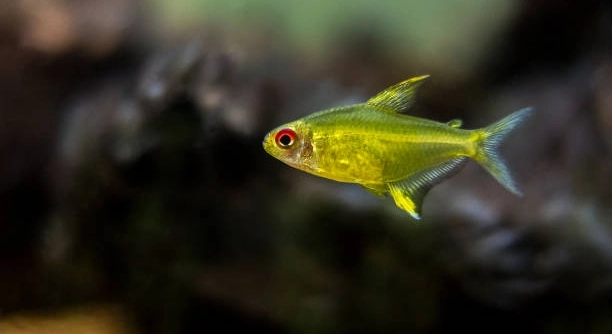
Lemon tetras are small, bright fish that add life to any freshwater aquarium. They swim together gracefully, but sometimes their behavior can change, leaving owners wondering about their group dynamics and overall mood in the tank.
Lemon tetra shoaling or scattering behavior is influenced by tank size, water conditions, social structure, and stress levels. Healthy fish in a stable environment typically form tight shoals, while overcrowding, poor water quality, or sudden changes can cause scattering.
Understanding these behaviors can help you create a calm, healthy environment for your fish, ensuring they thrive and display natural, social patterns in your aquarium.
Understanding Shoaling Behavior
Lemon tetras naturally swim in groups, which is called shoaling. This behavior helps them feel safe and reduces stress. When the tank is set up with enough space, plants, and hiding spots, they tend to stay close together. Observing them shoal can be calming, as they move in a synchronized way, often changing direction together without any collisions. The number of fish matters too. A small group may appear nervous and scatter more often, while larger groups feel more confident and form tighter shoals. Light levels and water movement can also influence their patterns. Gentle filtration and moderate lighting encourage them to stay together. Feeding times create interesting dynamics as well; fish often come together when food is available, then return to their shoal afterward. Regular maintenance, like checking water temperature and quality, ensures the tetras remain healthy and active. This balance between environment and group size is key for observing consistent shoaling behavior in the tank.
Shoaling keeps lemon tetras safe and active. Proper tank setup, adequate group size, and stable conditions encourage natural group movement.
Watching a well-adjusted shoal can be rewarding. It highlights their social nature and shows the impact of a stable, cared-for environment.
Reasons Lemon Tetras Scatter
Scattering happens when fish feel stressed or threatened. Stress can come from sudden changes in water temperature, aggressive tank mates, or loud vibrations.
When lemon tetras scatter, it usually signals discomfort in the tank. Overcrowding or lack of hiding spaces can make fish feel exposed. Changes in lighting or sudden noises can startle them. Water quality issues like high nitrate or low oxygen levels also contribute to scattering. Observing the tank carefully helps identify these triggers. Adjusting decorations or adding plants can give the fish more secure areas to swim through. Even small adjustments, like lowering the intensity of aquarium lights or rearranging ornaments, can improve comfort. Providing a balanced diet and consistent feeding schedule helps reduce stress-related behavior. Maintaining stable temperature and water parameters ensures the fish feel secure. With these steps, scattering decreases, and shoaling becomes more predictable, allowing lemon tetras to display their natural social behavior consistently.
Proper attention to tank conditions, fish health, and group dynamics helps minimize scattering, creating a calm and active aquarium environment for lemon tetras.
Tank Size and Layout
A larger tank gives lemon tetras more space to swim together, reducing stress and scattering. Decorations, plants, and hiding spots help create secure zones, encouraging shoaling. Open swimming areas combined with cover allow them to feel safe while moving freely.
Tank size directly affects how lemon tetras interact. In small tanks, they often scatter because they feel confined and vulnerable. Larger tanks allow them to establish territories within the shoal, balancing social interaction and personal space. Plants and decorations offer hiding spots that reduce stress, while open swimming zones maintain activity levels. Proper layout supports natural behavior, helping tetras stay close together, even when startled or exploring.
The tank layout also influences feeding and movement patterns. Fish tend to gather in certain areas for food, then return to secure zones. Strategically placed plants, rocks, and open areas promote natural shoaling while minimizing sudden scattering. Balanced placement ensures the tank feels both safe and engaging, supporting healthy social dynamics. Observing how tetras respond to different areas can guide adjustments to optimize their environment.
Water Quality and Conditions
Stable water parameters are essential for lemon tetras. Temperature, pH, and cleanliness directly affect their comfort and behavior. Unstable conditions often lead to scattering and stress.
Water quality has a major impact on fish behavior. Lemon tetras prefer slightly acidic to neutral pH and consistent temperatures around 24–27°C. Sudden fluctuations or high ammonia levels cause anxiety, resulting in scattered swimming and hiding. Regular water changes, filtration maintenance, and monitoring help maintain a stable environment. Even minor changes in clarity or chemical balance can disrupt their shoaling tendencies.
Maintaining proper water conditions involves consistent testing and adjustments. Filtration should provide gentle flow, avoiding strong currents that stress fish. Temperature stability is crucial, so heaters and thermometers are important tools. Keeping nitrate and ammonia low ensures healthy, confident fish. With careful attention, lemon tetras remain active, social, and display natural shoaling behavior, while scattering becomes rare. A well-maintained tank encourages predictable movement patterns, making it easier to enjoy their colorful presence and social interactions.
Group Size and Social Behavior
Lemon tetras feel safer in groups of six or more. Smaller numbers often lead to nervousness and scattering, while larger shoals display coordinated swimming and stronger social bonds.
Consistent group size helps fish establish routines and reduces stress. Changes in numbers can disrupt the shoal, making them more likely to scatter or hide, especially when new fish are introduced.
Feeding and Interaction
Regular feeding times encourage lemon tetras to gather and interact. They learn to associate certain areas with food, which strengthens shoaling behavior.
Providing a balanced diet at predictable intervals promotes natural movement patterns. Scattering often occurs when fish feel insecure or unsure of where to find food, but a structured feeding schedule helps maintain group cohesion and reduces stress.
Tank Companions
Aggressive or fast-moving fish can cause lemon tetras to scatter. Choosing peaceful companions supports stable shoaling behavior.
Careful selection of tank mates is crucial. Fish with calm temperaments allow lemon tetras to maintain social patterns and reduce fear-based scattering.
FAQ
Why do lemon tetras shoal together?
Lemon tetras shoal naturally because it provides safety and comfort. Swimming in groups reduces stress and makes them feel less vulnerable to perceived threats. A cohesive shoal also helps them communicate and coordinate movements, especially when exploring their environment or searching for food.
What causes lemon tetras to scatter suddenly?
Scattering usually happens when fish feel stressed or unsafe. Common triggers include sudden changes in water temperature, aggressive tank mates, loud noises, or rapid movements near the tank. Poor water quality or overcrowding also contributes to scattering. Stress makes them move erratically to find safety.
How many lemon tetras should be kept together?
A minimum of six lemon tetras is recommended. Smaller groups often feel insecure and scatter easily. Larger groups, around eight to twelve, display more natural shoaling behavior, moving in unison and establishing social dynamics that reduce stress and support healthy interactions.
Does tank size affect shoaling?
Yes, tank size is very important. Smaller tanks can make fish feel confined, increasing scattering. A larger tank provides space for natural swimming patterns, zones for hiding, and open areas for social interaction. Proper layout and decorations improve shoaling and reduce erratic behavior.
What water conditions are best for lemon tetras?
Stable water conditions are essential. They prefer slightly acidic to neutral pH, around 6.5–7.0, and temperatures between 24–27°C. Consistent conditions with low nitrate and ammonia levels support comfort and health. Filtration should provide gentle flow to avoid stress while keeping the water clean.
Can feeding influence shoaling behavior?
Yes, feeding has a direct impact. Predictable feeding times encourage the group to gather and move together. Scattering often occurs when food is inconsistent or unevenly distributed. A structured feeding routine promotes natural social behavior and keeps the shoal cohesive.
Do tank decorations affect scattering?
Decorations, plants, and hiding spots help fish feel secure. Open swimming areas combined with cover allow lemon tetras to shoal without feeling trapped. Strategic placement of ornaments provides retreat zones, reducing fear-based scattering and promoting natural group movement throughout the tank.
How do tank mates influence lemon tetras?
Peaceful companions are key. Aggressive or fast-moving fish can frighten lemon tetras, causing frequent scattering. Choosing calm species encourages stable shoaling, allowing lemon tetras to maintain social patterns and explore the tank with confidence. Compatibility helps reduce stress and promotes healthy behavior.
Can stress cause long-term scattering behavior?
Yes, chronic stress can make tetras more prone to scattering. Poor water quality, sudden environmental changes, or repeated disturbances lead to anxiety, affecting their social behavior. Maintaining stable conditions and minimizing stressors is essential for consistent shoaling and overall health.
How can I encourage my lemon tetras to shoal properly?
Provide a stable environment with consistent water parameters, proper group size, and a balanced feeding schedule. Include plants and decorations for cover, choose peaceful tank mates, and maintain a calm routine around the tank. These steps encourage natural shoaling, reduce scattering, and support healthy, confident fish.
Are there signs that shoaling is not normal?
Erratic swimming, constant scattering, hiding, or isolation can indicate stress or illness. Check water quality, tank size, and group dynamics. Sudden changes in behavior often point to environmental problems, health issues, or inappropriate tank mates that need addressing promptly.
How long does it take for lemon tetras to adjust to a new tank?
Adjustment depends on tank conditions and group size. Generally, it takes a few days to a week for them to establish social order. Proper acclimation, gentle handling, and stable water conditions help minimize stress and encourage normal shoaling behavior.
Can lighting affect shoaling behavior?
Yes, lighting impacts comfort. Sudden bright lights or strong fluctuations can startle tetras, leading to scattering. Moderate, consistent lighting combined with shaded areas or plants allows them to feel secure while swimming in groups naturally.
Do seasonal changes impact lemon tetra behavior?
Lemon tetras are sensitive to temperature and light changes. Seasonal fluctuations in room temperature or daylight exposure can cause temporary stress, leading to scattering. Maintaining stable tank conditions and minimizing sudden environmental changes ensures consistent shoaling behavior throughout the year.
Is it normal for lemon tetras to scatter at night?
Occasionally, yes. Some tetras move around at night, exploring or adjusting positions within the shoal. Excessive nighttime scattering can indicate stress or discomfort, often linked to water quality, tank layout, or disturbances during the day that carry over into their resting period.
Final Thoughts
Lemon tetras are naturally social fish that thrive when they feel safe and comfortable. Their behavior, whether shoaling closely or scattering, reflects how secure they feel in their environment. Observing them closely can reveal a lot about the tank conditions and their overall health. When they swim in a tight shoal, it shows that the tank provides enough space, stable water conditions, and the right number of companions. On the other hand, frequent scattering is often a signal that something needs attention, such as water quality, tank layout, or stress factors from other fish. Paying attention to these subtle behaviors helps maintain a calm and balanced aquarium, where lemon tetras can display their natural social tendencies consistently.
Creating an ideal environment for lemon tetras requires attention to multiple factors. Tank size is crucial, as a larger space allows for natural movement and reduces the likelihood of scattering. Plants and decorations not only make the aquarium visually appealing but also provide hiding spots, which give fish a sense of security. Water conditions like temperature, pH, and cleanliness must remain consistent, as sudden changes can lead to stress. Feeding routines also play a significant role in encouraging natural behavior. Regular, predictable meals help fish gather and interact in a way that strengthens the shoal. Choosing peaceful tank mates ensures that lemon tetras are not constantly threatened, which allows them to maintain proper social patterns. By carefully managing these elements, fish owners can create a stable environment that encourages shoaling and reduces erratic behavior.
Understanding lemon tetras’ behavior takes time and observation, but it is rewarding. By noticing how they respond to different conditions, owners can make adjustments that improve both the fish’s well-being and the enjoyment of the aquarium. Healthy shoaling is not just about appearance—it reflects comfort, reduced stress, and proper social interaction within the group. Every small change, from adding plants to adjusting feeding routines or monitoring water parameters, can significantly impact how they interact. Observing these behaviors helps identify potential problems early, whether it’s water quality issues, inappropriate tank mates, or other stressors. In a well-maintained aquarium, lemon tetras will swim confidently together, forming tight shoals that highlight their natural, social behavior. Maintaining this balance ensures that the fish remain active, healthy, and visually striking, creating a peaceful and vibrant aquarium environment.

Hello,
If you enjoy the content that we create, please consider saying a "Thank You!" by leaving a tip.
Every little bit helps us continue crafting quality advice that supports the health, happiness, and well-being of pets around the world, for pets of all shapes, sizes, and species.
We really appreciate the kindness and support that you show us!