
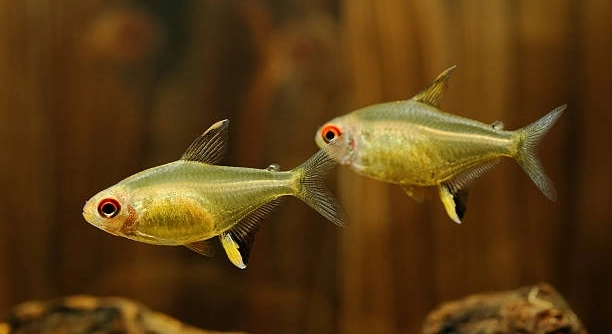
Lemon tetras are lively little fish, but sometimes they stop eating as they normally would. Observing this change can be worrying, especially when you want to ensure your aquarium friends remain healthy and active.
Lemon tetras may lose interest in food due to factors such as poor water quality, inadequate diet variety, illness, stress, age, improper feeding schedules, or sudden changes in their environment. Addressing these causes can restore their appetite and overall well-being.
Understanding why your fish might reject food can help maintain a healthy aquarium. Small adjustments often make a big difference in keeping them active and thriving.
Water Quality Issues
Poor water quality is one of the most common reasons lemon tetras lose interest in food. High levels of ammonia, nitrites, or nitrates can make them feel unwell and stressed. Even if the tank looks clean, harmful chemicals can build up quickly. Frequent partial water changes and a reliable filtration system help maintain a stable environment. Temperature fluctuations or improper pH can also affect their appetite. Observing your fish daily can help spot early signs of discomfort, such as lethargy or hiding. Overcrowding worsens water quality and increases stress, making feeding even more difficult. It is important to test water regularly and adjust conditions as needed to keep your fish healthy. Ensuring clean, stable water will naturally encourage them to eat more consistently and maintain overall vitality.
Maintaining ideal water conditions reduces stress and keeps your lemon tetras actively feeding. Clean water is essential for their health.
Even minor changes in water chemistry can discourage feeding. If a fish refuses food, check ammonia, nitrites, and nitrates first. A sudden pH drop or rise can also upset their digestive system. Tanks with poor circulation or too much waste accumulation make fish sluggish. Consistent monitoring, regular water changes, and a quality filter are key. Avoid overcrowding to reduce stress. Small adjustments can quickly restore appetite, improve energy, and encourage natural behaviors like schooling and exploring. Taking water quality seriously ensures your lemon tetras remain healthy, active, and interested in their diet.
Diet Variety
Lemon tetras often get bored with the same food over time, which can reduce their appetite.
Providing a mix of flake, frozen, and live foods keeps their diet balanced. Rotating foods prevents nutrient deficiencies and keeps feeding interesting.
Offering a varied diet stimulates their senses and encourages regular eating. Live foods like daphnia or brine shrimp can trigger natural hunting behavior. Flakes and pellets provide necessary vitamins and minerals. Occasionally adding tiny vegetable pieces or high-quality frozen options ensures they receive fiber and essential nutrients. Overfeeding one type of food can lead to selective eating, so it’s best to rotate weekly. A balanced, diverse diet supports growth, coloration, and overall health. Tracking what your fish eat and adjusting portions prevents waste and maintains clean water, indirectly improving appetite. Experimenting with different textures and flavors can make meals more appealing, helping even shy or stressed lemon tetras regain interest in food. Variety is a simple but effective way to keep them engaged and healthy.
Stress and Environmental Changes
Stress from sudden changes in the tank can make lemon tetras stop eating. Moving decorations, adding new fish, or even shifting the tank location can disrupt their routine. Stress weakens their immune system and reduces appetite, making it important to maintain a calm, consistent environment.
Stress can result from too much activity or frequent disturbances near the tank. Loud noises, tapping on the glass, or rapid movements around the aquarium make them nervous. Even seemingly minor adjustments, like changing lighting intensity or adding new plants, can trigger hesitation to feed. Overcrowding and territorial disputes with other fish also increase stress levels. Monitoring interactions and keeping a stable environment allows them to regain confidence and resume normal eating habits. A quiet, peaceful setup helps them feel secure and encourages consistent feeding.
Lemon tetras may also react to chemical changes in water caused by cleaning products or new decorations. Strong scents or residues can be overwhelming and deter feeding. Gradual introductions and rinsing new items before adding them can prevent unnecessary stress. Observing fish behavior after any change helps detect issues early. Ensuring hiding spots and consistent lighting reduces anxiety and allows them to adapt at their own pace. A predictable, calm environment supports appetite and overall health.
Illness and Health Problems
Illness can directly cause a loss of appetite in lemon tetras. Signs like faded color, clamped fins, or lethargy often accompany feeding refusal, making prompt attention essential.
Common health problems include bacterial or parasitic infections, swim bladder issues, and digestive disorders. Water quality, diet, and stress all contribute to susceptibility. Identifying the issue quickly allows for effective treatment, which can restore appetite and prevent worsening conditions. Isolation in a quarantine tank may be necessary to stop the spread of contagious diseases.
Treatment depends on the type of illness. Medications for parasites or bacteria, adjusting temperature, or providing easily digestible foods can help recovery. Monitoring food intake and energy levels gives insight into progress. Preventive care, such as maintaining clean water, avoiding overcrowding, and offering a balanced diet, reduces risk. Early detection and consistent treatment significantly improve survival and appetite restoration. Taking note of behavioral changes and minor symptoms ensures your lemon tetras get timely care before issues escalate.
Age and Natural Appetite Changes
Older lemon tetras may naturally eat less as their metabolism slows. Their energy needs decrease, and they may become pickier about food. Observing their behavior helps determine if reduced feeding is part of aging or a sign of health issues.
Juveniles tend to eat more actively, while seniors often nibble less. Adjusting portion sizes and offering softer, easy-to-digest foods can help maintain nutrition without overfeeding. Maintaining a calm environment also encourages eating among older fish.
Improper Feeding Schedule
Feeding at irregular times can confuse lemon tetras and reduce interest in food. Consistent daily routines help regulate appetite and promote healthy digestion.
Sudden Dietary Changes
Lemon tetras may refuse food if their diet changes too quickly. Abrupt switches from flakes to pellets or frozen foods can upset their digestive system. Gradually introducing new foods over several days allows them to adjust and resume regular eating habits.
Tank Overcrowding
Overcrowding increases competition and stress, which can lead to reduced feeding. Ensuring enough space and proper fish-to-water ratio keeps lemon tetras calm and more willing to eat.
Why is my lemon tetra not eating even though the water looks clean?
Even if the water appears clear, harmful chemicals like ammonia, nitrites, or nitrates may still be present. These can build up quickly in small tanks or with overcrowding. Test the water regularly and perform partial water changes to maintain a stable, healthy environment. Clean water encourages natural feeding behavior.
Can stress from new decorations or fish cause feeding issues?
Yes. Lemon tetras are sensitive to sudden changes. Adding decorations, new fish, or rearranging the tank can create stress, causing them to hide or refuse food. Maintaining a calm, stable environment and introducing changes gradually helps them adapt without affecting appetite.
How do I know if my fish is sick?
Signs of illness often include faded color, clamped fins, lethargy, or erratic swimming. Refusal to eat is usually an early symptom. Identifying illness quickly is crucial. Isolate the affected fish in a quarantine tank and consider appropriate treatments like medication or temperature adjustments.
Does age affect their appetite?
Yes. Older lemon tetras naturally eat less as their metabolism slows. They may prefer softer or smaller food portions. Juveniles eat more actively, while seniors may nibble intermittently. Adjusting feeding amounts and offering easy-to-digest foods helps maintain nutrition without overfeeding.
Can diet variety improve feeding interest?
Providing a mix of flakes, frozen, and live foods keeps meals interesting and nutritionally balanced. Abrupt diet changes can upset digestion, so introduce new foods gradually. Occasional live food encourages natural hunting behavior, making fish more engaged and willing to eat.
How often should I feed lemon tetras?
A consistent schedule is important. Feeding once or twice a day at the same times helps regulate their appetite. Irregular feeding can cause them to lose interest. Small portions prevent overfeeding and keep the water clean. Monitoring consumption ensures each fish gets enough food.
Does overcrowding affect appetite?
Yes. Overcrowding increases stress and competition for food. Fish may hide, eat less, or lose interest in meals entirely. Maintaining proper tank size and population density reduces stress and promotes healthier feeding habits. Adequate hiding spaces also help timid fish feel secure.
Can water temperature influence feeding?
Water that is too cold or too hot can slow metabolism and reduce appetite. Lemon tetras thrive in stable, moderate temperatures. Sudden changes can stress them and disrupt feeding behavior. Use a reliable heater or thermometer to maintain consistent conditions.
What if my fish refuses food for several days?
A refusal lasting more than a day or two may indicate illness, stress, or poor water conditions. Investigate all factors, including water quality, tank environment, diet, and behavior. Prompt attention and adjustments can restore appetite before the fish’s health declines.
Are there signs that indicate feeding behavior is normal?
Normal feeding includes active swimming toward food, nibbling, and occasional chasing among the school. Appetite may vary slightly by age or time of day, but consistent, curious feeding indicates healthy fish. Tracking behavior helps notice early changes that may require intervention.
How can I make food more appealing?
Offering small portions, mixing textures, and including occasional live or frozen options can stimulate interest. Gently crumbling flakes or using sinking pellets in different areas of the tank may encourage timid fish to eat. Variety and presentation matter more than frequent overfeeding.
Can illness be prevented through diet and environment?
Yes. Balanced nutrition, stable water conditions, and low-stress tank setups reduce susceptibility to disease. Regular monitoring of water chemistry, proper feeding schedules, and avoiding overcrowding are effective preventive measures. Healthy, unstressed fish are naturally more likely to eat consistently.
How quickly should changes be introduced?
Gradual changes are key. Whether it’s food type, tank layout, or new tankmates, slow introduction over several days or weeks allows lemon tetras to adapt without stress. Abrupt changes often lead to feeding refusal, hiding, or illness. Patience improves appetite and overall health.
What foods are easiest to digest?
Soft flakes, finely crushed pellets, and small portions of frozen or live food are easier on digestion. Avoid large chunks or hard foods that may be difficult for small tetras to consume. Providing easy-to-digest options ensures consistent feeding and nutrient absorption.
How does stress affect long-term appetite?
Prolonged stress can weaken the immune system, reduce feeding interest, and make fish more susceptible to disease. Maintaining a calm, stable environment and predictable routines supports both short-term appetite and long-term health. Observing behavior helps detect stress early and prevent feeding issues.
How do I balance multiple causes of reduced appetite?
Water quality, diet, stress, illness, and overcrowding often interact. Address each factor methodically: test water, stabilize the environment, diversify diet, monitor health, and adjust tank population. Small, consistent improvements restore appetite and prevent future problems.
This FAQ provides practical steps and observations to help lemon tetras regain a healthy appetite and maintain overall well-being. Regular care and attention are key to preventing food-related problems.
Keeping lemon tetras healthy and interested in their food requires careful attention to several small but important details. Water quality is often the most overlooked factor. Even if the tank looks clean, chemicals like ammonia, nitrites, and nitrates can build up quickly and make fish stop eating. Regular partial water changes, testing water parameters, and maintaining a good filter can prevent these problems. A stable environment also includes keeping the temperature and pH consistent, as sudden changes can stress the fish and reduce appetite. Stress can come from many sources, including tank overcrowding, loud noises, or frequent changes in decorations or lighting. When fish feel secure, they are more likely to eat normally and maintain overall health.
Diet variety is another essential element. Feeding the same type of food every day can make lemon tetras lose interest. Offering a mix of flakes, pellets, frozen, and live foods ensures they get all necessary nutrients while keeping mealtime engaging. Gradually introducing new foods is important, as sudden changes can upset their digestive system. Live foods, in particular, can stimulate natural hunting behavior and encourage timid fish to eat. Adjusting portion sizes for older fish or those with slower metabolism is also necessary to prevent overeating or undernourishment. Keeping track of their eating habits can help spot early warning signs if they start refusing food. Balanced nutrition supports growth, coloration, and immune health, making diet management a key part of daily care.
Health problems can directly impact appetite, so monitoring behavior and physical condition is crucial. Signs of illness often include faded colors, clamped fins, or lethargy, sometimes appearing alongside reduced feeding. Quarantining sick fish and providing the right treatment quickly can prevent disease from spreading and help restore appetite. Age also affects feeding habits, as older lemon tetras naturally eat less and may need softer or smaller food portions. Maintaining a calm and predictable feeding schedule, preventing overcrowding, and providing hiding spaces can reduce stress and encourage regular feeding. By addressing water quality, diet, stress, and health consistently, lemon tetras are more likely to stay active, healthy, and engaged with their food. Careful observation and small adjustments can make a big difference in keeping these fish thriving.

Hello,
If you enjoy the content that we create, please consider saying a "Thank You!" by leaving a tip.
Every little bit helps us continue crafting quality advice that supports the health, happiness, and well-being of pets around the world, for pets of all shapes, sizes, and species.
We really appreciate the kindness and support that you show us!