
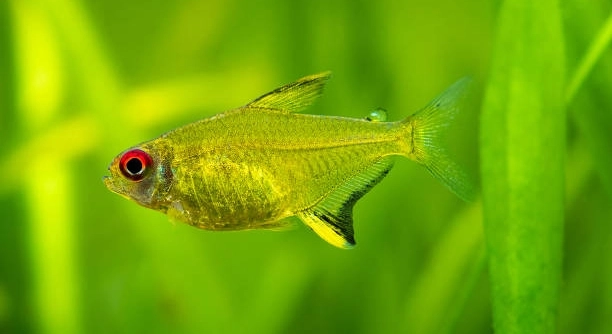
Lemon Tetras are small, vibrant fish that add life to any freshwater aquarium. Many owners enjoy watching them explore, swim, and interact with their environment in gentle, lively ways every day. Their behavior can be subtle yet engaging.
Lemon Tetras can respond to various sounds in their environment, including water movement, tapping on the glass, vibrations from nearby activity, soft voices, the hum of aquarium equipment, music, and sudden loud noises. Each stimulus can elicit different reactions from the fish.
Learning how these sounds affect your Lemon Tetra helps improve tank conditions and strengthens the connection between you and your fish. Observing their responses provides insights into their natural behavior and preferences.
Water Movement
Water movement is one of the most noticeable sounds Lemon Tetras respond to. Gentle ripples caused by filters, air pumps, or even your hand moving through the tank can catch their attention. They often swim toward or away from the disturbance, depending on their mood and the intensity of the movement. In some cases, consistent water flow can become a comforting background noise that helps them feel secure. Sudden or strong currents might startle them, causing a brief scatter or rapid swimming. Observing how your tetras react can help you adjust filter strength or aeration for a balanced, calm environment. Even small splashes from top-off water or tank maintenance can create noticeable reactions. Over time, you may notice patterns in how individual fish respond differently to the same water movements. This understanding can improve overall tank management and create a healthier habitat for your Lemon Tetras, as they rely on stable conditions for feeding and social interactions.
Water movement affects behavior, feeding, and social interactions in Lemon Tetras. Proper management ensures they remain active yet stress-free in their tank environment.
Monitoring these reactions allows you to adjust equipment and handling practices. It can also highlight which areas of the tank your tetras prefer for swimming and resting, improving both their comfort and your observation experience.
Tapping on the Glass
Tapping on the glass often catches Lemon Tetras’ attention immediately. They may dart away or hover near the sound briefly.
Frequent tapping can stress fish over time, even if reactions seem minor. Gentle interaction is safer than abrupt noises. Observing patterns in responses can help you understand each tetra’s personality. Lemon Tetras may approach softly tapping fingers with curiosity, showing they recognize repeated gentle stimuli without fear. Overdoing it, however, can create avoidance behavior, reducing their willingness to explore or interact. Glass vibrations travel quickly through water, which is why even light taps are noticeable. Providing calm, stable sounds in the tank ensures your fish remain comfortable while still allowing them to respond naturally to their surroundings. Adjusting how often you interact or how loud the tap is can help balance observation and stress reduction. Lemon Tetras are sensitive to sudden, repeated disturbances, but a consistent, quiet approach can allow them to become accustomed to occasional taps without fear, maintaining both their activity levels and overall health.
Soft Voices
Lemon Tetras often notice soft voices nearby, especially when you are close to the tank. Calm speaking tends to make them curious without causing fear. They may swim closer or pause to observe subtle vibrations in the water caused by gentle sounds.
Soft human voices create low-frequency vibrations that Lemon Tetras can detect. These sounds are not stressful and can encourage mild exploration or approach behavior. Repeated gentle talking can make fish more comfortable with your presence. Over time, they may recognize consistent patterns and associate these soft sounds with calm activity around the tank. Observing reactions helps you understand which tones and volumes are safe for interaction. Sudden changes in pitch or volume might startle them, so keeping a steady, low voice is best. Lemon Tetras are sensitive but can adapt to familiar, gentle vocal patterns, making interactions less stressful.
When speaking near the tank, consistency matters. Lemon Tetras respond better to voices that are quiet and calm, helping them feel secure. This interaction can subtly enhance their awareness of the surroundings without increasing stress. By paying attention to their behavior, you can create a predictable and safe environment where they remain active and curious without fear, improving both their comfort and your observation experience in the tank.
Hum of Aquarium Equipment
The hum of filters, heaters, and air pumps is a constant sound in most aquariums. Lemon Tetras typically grow accustomed to these vibrations and do not show signs of stress.
These continuous mechanical sounds provide a background that fish learn to ignore. Filters create water flow while also producing subtle vibrations that Tetras sense, but these vibrations rarely provoke alarm. Heaters add warmth and occasional noise, which the fish quickly recognize as normal. Consistent sounds signal stability in the tank, allowing Lemon Tetras to feel safe. Sudden changes, like unplugging or moving equipment, can startle them, so gradual adjustments are ideal. The hum also masks external noises that could be disruptive, contributing to a calmer tank environment overall.
Proper placement of equipment ensures minimal disruption while maintaining necessary functionality. Keeping filters, pumps, and heaters in steady, secure positions reduces sudden sound changes. Lemon Tetras are sensitive to rapid shifts, so predictable hums support natural behaviors like schooling, feeding, and exploring. Observing how they react to equipment vibrations can guide adjustments in tank setup, creating a healthier and more comfortable habitat that accommodates both their physical and behavioral needs.
Music
Lemon Tetras may notice music played near the tank, especially low, soft tones. Gentle melodies can catch their attention without causing fear, while loud or sudden changes may startle them. Observing their reactions helps determine what sounds are comfortable for the fish.
Soft, consistent music tends to create a calming background. Tetras often ignore familiar melodies after a while, showing they adapt quickly. Unpredictable or very loud music can cause brief stress or scattering, so keeping volume low is key. Music provides a way to enrich the environment subtly without altering tank conditions.
Sudden Loud Noises
Sudden loud noises startle Lemon Tetras instantly, causing rapid swimming or hiding behavior. Even brief, unexpected sounds can trigger strong reactions in the tank.
Tapping Patterns
Consistent tapping patterns allow Lemon Tetras to recognize harmless vibrations. Over time, they may react with curiosity rather than fear, approaching the sound source gradually.
What sounds do Lemon Tetras respond to the most?
Lemon Tetras are sensitive to a range of sounds, mostly low-frequency vibrations that travel through water. They notice water movement, tapping on the glass, soft voices, the hum of aquarium equipment, music, and sudden loud noises. Each sound can produce different reactions, from curiosity to brief stress. Observing their responses helps you understand which sounds are safe and which might startle them.
Can Lemon Tetras get used to certain sounds over time?
Yes, they can adapt to consistent, non-threatening sounds. The hum of filters, heaters, and gentle tapping or soft voices are usually ignored after repeated exposure. Music played at low volumes or predictable tapping patterns may also become familiar. Sudden or loud noises, however, remain stressful. Gradual exposure allows them to differentiate between safe and potentially alarming sounds.
Do sudden noises stress Lemon Tetras?
Sudden loud noises trigger immediate reactions in Lemon Tetras, often causing rapid swimming, hiding, or erratic movements. Even brief sounds can create temporary stress. The tank environment should minimize abrupt sounds, and activities near the aquarium should be done calmly. Consistency and predictability in sounds help maintain their comfort and reduce stress over time.
Is it safe to tap the glass to get their attention?
Light, occasional taps are usually harmless, but frequent or forceful tapping can cause stress and avoidance behavior. Lemon Tetras feel vibrations through the water, and repeated strong taps may make them shy or nervous. Gentle interaction is better, and it’s important to watch for signs of discomfort, like hiding or rapid swimming.
Do Lemon Tetras recognize human voices?
They can notice soft, calm voices near the tank. Gentle speaking creates vibrations that they detect, often prompting curiosity or cautious approach. Sudden changes in tone or loud voices may startle them. Consistent low-volume speech can help them associate human presence with calm activity rather than stress.
Can music affect their behavior?
Soft, steady music tends to be non-threatening and may even encourage mild exploration. Sudden or loud music can startle them, leading to hiding or scattering. Over time, predictable low-volume music may become part of their background environment without affecting behavior, but volume and consistency are key factors to consider.
How do vibrations from equipment affect them?
Filters, air pumps, and heaters produce constant hums and vibrations that Lemon Tetras quickly learn to ignore. Sudden changes, like moving equipment or unplugging devices, can startle them temporarily. Proper placement and steady operation help maintain a stable environment, supporting normal swimming, feeding, and schooling behaviors.
Are there signs that sounds are causing stress?
Signs of stress include rapid or erratic swimming, hiding, clamped fins, or reduced feeding. Persistent avoidance of areas near the sound source indicates discomfort. Observing these behaviors allows adjustments in tank management, like moving equipment, lowering music volume, or reducing tapping, to improve their well-being.
Do all Lemon Tetras react the same way to sounds?
Individual fish may respond differently based on personality, age, and past experiences. Some may approach soft taps or voices with curiosity, while others hide. Schooling behavior also influences reactions, as fish often follow the lead of others. Recognizing these differences helps tailor the environment for all individuals in the tank.
Can controlling sounds improve their overall health?
Yes, minimizing sudden loud noises and maintaining consistent background sounds helps reduce stress and encourages natural behaviors. A calm environment supports feeding, swimming, and social interaction. Understanding which sounds are safe and how Lemon Tetras react ensures a comfortable, healthy habitat that meets their physical and behavioral needs.
How can I safely interact with my Lemon Tetras using sound?
Use soft, gentle tones and predictable tapping patterns. Avoid sudden noises, and keep music or equipment hums steady. Observing reactions allows adjustments, helping your fish feel secure while still providing gentle stimulation and interaction. Over time, they may show curiosity without stress.
Does tank size or setup influence their response to sound?
Yes, smaller tanks amplify vibrations, making noises more noticeable, while larger tanks may diffuse them. Decorations and plants can absorb some vibrations, reducing stress. Positioning equipment and interacting carefully within the tank helps create a balanced environment where Lemon Tetras remain comfortable and responsive without fear.
Are some noises better than others for enrichment?
Consistent low-level sounds, like gentle water movement, the hum of filters, and soft voices, can provide subtle enrichment. These sounds mimic natural environmental cues without causing stress. Unpredictable or loud noises should be avoided, as they trigger defensive behavior rather than encouraging exploration.
Can observing their reactions to sound improve care practices?
Yes, tracking how Lemon Tetras respond to different sounds helps you adjust tank equipment, interaction habits, and background noise levels. This knowledge supports a stable, low-stress environment, allowing natural behaviors to flourish. Understanding responses strengthens your ability to maintain a healthy and comfortable habitat for your fish.
This FAQ provides guidance for managing sound in Lemon Tetra tanks, helping create an environment that balances comfort, stimulation, and safety while respecting their sensitivity.
Word count: 502
Lemon Tetras are small, lively fish that respond to a variety of sounds in their environment. From the gentle hum of a filter to soft human voices, these fish are sensitive to vibrations and noises that travel through water. Understanding how they react to different sounds can help you maintain a calm and healthy tank. Sudden loud noises or irregular tapping on the glass may startle them, causing brief stress or erratic swimming. Observing their behavior carefully allows you to notice which sounds are safe and which might make them uncomfortable. Over time, recognizing patterns in their responses helps create a more predictable environment where the fish feel secure and remain active. Even small sounds, like the ripple from adding water or moving decorations, can be noticed, so maintaining consistency in tank routines is important. A steady background of low-frequency noises, like filters and air pumps, is often comforting for Lemon Tetras because it signals a stable environment.
The response of Lemon Tetras to sounds is not the same for every individual. Some may approach soft tapping or gentle voices with curiosity, while others prefer to stay hidden or maintain distance. Age, personality, and past experiences all influence how a fish reacts to different noises. Schooling behavior also plays a role, as fish often mimic the reactions of others in the group. By paying attention to these differences, you can adjust your tank management and interaction style to suit all fish. Low-volume music, for example, may capture the attention of one tetra without alarming the others. Similarly, regular water movement or subtle equipment hums can provide a predictable backdrop that allows them to explore without stress. Understanding individual responses not only improves their comfort but also encourages natural behaviors like swimming, feeding, and social interaction. This helps maintain their overall health and well-being while allowing you to enjoy observing their behavior.
Providing a calm, consistent environment with minimal sudden disturbances is essential for Lemon Tetras. Gentle handling, careful placement of equipment, and predictable routines support their comfort and reduce stress. Over time, fish may learn to recognize familiar sounds as safe, including soft human voices or low-level music. Monitoring their reactions helps you make small adjustments that improve tank conditions and their daily life. Paying attention to their needs allows for a more enriching aquarium experience without introducing unnecessary stress. By respecting their sensitivity to sound and creating a stable habitat, you support their physical health and encourage active, natural behavior. Observing their subtle responses to different stimuli can also be rewarding, helping you understand more about their personality and preferences. Careful attention to these details ensures Lemon Tetras thrive in their aquarium, staying healthy, active, and comfortable for years.
Word count: 411

Hello,
If you enjoy the content that we create, please consider saying a "Thank You!" by leaving a tip.
Every little bit helps us continue crafting quality advice that supports the health, happiness, and well-being of pets around the world, for pets of all shapes, sizes, and species.
We really appreciate the kindness and support that you show us!