
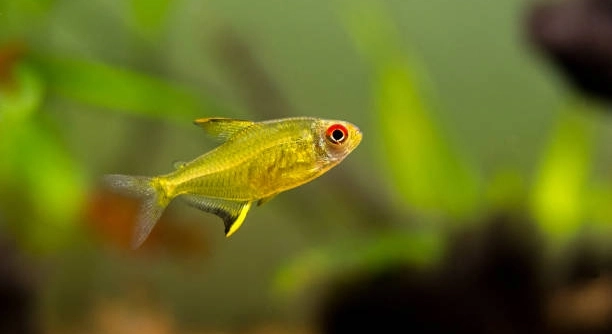
Lemon tetras are small, vibrant fish that bring life to any aquarium. Their bright yellow bodies and shimmering fins make them appealing to both new and experienced fish keepers. They are lively but gentle in nature.
Lemon tetras are considered the best schooling fish because of their peaceful temperament, ease of care, and strong social behavior. They thrive in groups, maintain consistent activity levels, and adapt well to community aquariums, making them ideal for beginners and hobbyists alike.
Observing a healthy school of lemon tetras creates a calm and engaging atmosphere in any tank, offering more than just visual appeal. Their behavior and interaction patterns make them a fascinating addition for enthusiasts.
Appearance and Coloration
Lemon tetras are small, sleek fish with a bright, almost neon yellow coloration that instantly catches the eye. Their bodies are slender and slightly translucent, allowing light to pass through and enhance their glow. A subtle black stripe runs horizontally along their bodies, adding contrast and definition to their appearance. Their fins are delicate yet sturdy, often tipped with a faint orange hue that complements their overall brightness. The clarity of their color can vary slightly depending on diet, lighting, and water quality, but even in basic setups, they retain a lively shimmer. Watching a school of lemon tetras move together is striking because their uniform color creates a visual harmony in the tank. They are small enough to fit comfortably in moderately sized aquariums but large enough to be noticeable without overcrowding the tank. Their active movement makes their colors appear even more vibrant, catching light at every angle.
Their consistent coloration makes them ideal for adding visual appeal to any community tank.
The combination of yellow and subtle black accents allows them to stand out without overwhelming other species. Their appearance encourages aquarists to maintain clean tanks and proper lighting, as the colors reflect water quality and health. Even novice aquarists can appreciate how much a healthy school brightens a tank, turning a simple setup into a lively display.
Temperament and Behavior
Lemon tetras are peaceful fish that prefer to swim in groups, showing strong social behavior.
They move in coordinated schools, creating a natural rhythm within the tank. Their gentle nature allows them to coexist with other non-aggressive species. Each fish reacts to movement, maintaining group cohesion while exploring the tank. These interactions reduce stress and create a stable environment. They are active during the day but calm at night, making observation pleasant at any hour. Their schooling behavior also reduces aggression, as they focus on group dynamics rather than territorial disputes. Over time, their interactions become predictable, allowing aquarists to anticipate movement and placement in the aquarium. Even in mixed tanks, they rarely chase or nip at other fish, showing tolerance that is key for community setups. Observing a group provides insight into natural schooling instincts, offering more than just aesthetic appeal.
Maintaining their behavior requires consistent water conditions, proper tank size, and a balanced diet. Lemon tetras flourish when they feel safe and supported by an adequate school, typically a minimum of six fish. Their interaction with each other highlights instincts such as mirroring, synchronized swimming, and coordinated foraging, which are essential for reducing stress. In smaller groups, they may show signs of anxiety or hide more often, emphasizing the importance of keeping them together. Regular monitoring ensures their activity remains consistent, and supplemental enrichment, like plants and gentle currents, enhances their natural tendencies. Over time, a healthy group will display dynamic patterns, shifting direction in unison, and reacting to stimuli as a cohesive unit. This behavior not only enhances the visual appeal but also provides a practical lesson in fish social structures. Observing their daily routines reinforces the importance of group dynamics and tank management for long-term well-being.
Tank Requirements
Lemon tetras thrive in well-maintained tanks with stable water parameters. They need clean, filtered water, a gentle current, and plenty of swimming space. Plants and hiding spots improve their comfort and reduce stress, supporting healthy schooling behavior and active movement throughout the aquarium.
A tank of at least 20 gallons is ideal for a small school of lemon tetras. Temperature should remain between 72–79°F, with a pH around 6.5–7.5. Soft to moderately hard water is best, as extremes can affect their coloration and health. Live plants, driftwood, or rocks provide visual barriers that make them feel secure, which encourages natural schooling. Lighting should be moderate to highlight their colors without causing stress. Regular water changes and a reliable filtration system prevent buildup of harmful substances like ammonia and nitrates. A well-planned layout supports both swimming space and resting areas, helping them maintain energy and coloration.
Maintaining proper tank conditions ensures lemon tetras remain active, colorful, and healthy over time. Poor water quality can lead to stress, disease, and dull colors, while a stable environment allows them to show natural behaviors consistently. Even minor fluctuations in temperature or pH can affect feeding habits, activity, and social cohesion. Providing a structured yet open environment encourages schooling, reduces hiding, and allows them to display synchronized swimming patterns. Thoughtful decoration balances open swimming space with natural hiding areas. Monitoring water regularly and performing scheduled maintenance reinforces long-term health and helps prevent sudden declines in activity or appearance. A supportive environment is key to enjoying a lively, harmonious school of lemon tetras.
Diet and Feeding
Lemon tetras accept a variety of foods, including flakes, micro pellets, and frozen options. Balanced nutrition ensures vibrant color, active swimming, and overall health, preventing nutritional deficiencies and supporting long-term well-being.
High-quality flake food forms the base of their diet, providing essential vitamins and minerals. Supplementing with frozen or live foods like daphnia, brine shrimp, or bloodworms enhances protein intake and encourages natural foraging behavior. Feeding small amounts two to three times daily helps prevent overfeeding and maintains water quality. Removing uneaten food reduces waste buildup and keeps the tank clean, preventing stress-related illnesses. They respond well to varied diets, and occasional treats improve activity levels and coloration. Proper nutrition also strengthens immune systems, making them more resilient to minor stressors. Observing their feeding behavior helps gauge overall health and detect early signs of illness, ensuring timely intervention.
A consistent feeding routine promotes healthy growth and reinforces natural behaviors. Overfeeding can lead to water pollution, digestive issues, and lethargy, while underfeeding can weaken them and dull their colors. Varying food types prevents boredom and supports their physical and mental stimulation. Incorporating live or frozen food mimics natural hunting and improves coordination within the school. Careful portion control, combined with high-quality nutrition, maintains energy levels and coloration. Monitoring consumption and adjusting quantities according to school size ensures that all individuals thrive. Proper diet management also contributes to longevity, allowing lemon tetras to remain active and visually striking for years in a well-maintained aquarium.
Compatibility with Other Fish
Lemon tetras are peaceful and coexist well with other non-aggressive species. Their calm nature makes them suitable for community tanks, reducing stress and conflicts while maintaining a balanced aquarium environment.
They do best with similar-sized fish that share gentle temperaments. Avoid larger, aggressive species that may nip at fins or outcompete them for food.
Breeding Lemon Tetras
Lemon tetras spawn in soft, slightly acidic water with plenty of plants for egg deposition. The male displays brighter colors and flares fins to attract the female, encouraging natural breeding behavior within the school.
Common Health Concerns
Maintaining clean water and a stable environment prevents common diseases such as ich or fin rot. Monitoring behavior and appearance ensures early detection of illness.
FAQ
How many lemon tetras should I keep in a tank?
Lemon tetras are schooling fish, so they should never be kept alone. A minimum group of six is recommended to maintain social behavior and reduce stress. Larger groups, around 10–12, are ideal for observing natural swimming patterns and creating a lively, coordinated display in the aquarium. Smaller groups may result in hiding, anxiety, or lethargy.
What size tank is suitable for lemon tetras?
A tank of at least 20 gallons works well for a small school. This provides enough swimming space and prevents overcrowding, which can lead to stress. Adding plants and decorations creates hiding spots while leaving open areas for schooling. Adequate filtration and regular water changes are necessary for maintaining stable water quality.
What temperature and water conditions do they need?
Lemon tetras thrive in water between 72–79°F with a pH of 6.5–7.5. Soft to moderately hard water is preferred. Maintaining stable conditions prevents stress, which can weaken their immune system and affect coloration. Regular monitoring of water parameters ensures long-term health.
Can lemon tetras live with other fish?
Yes, they coexist well with other small, peaceful species. Avoid larger, aggressive fish that may chase or nip fins. Suitable tank mates include guppies, rasboras, and small catfish. A community setup works best when all species share similar water preferences and temperaments.
What do lemon tetras eat?
They are omnivores and accept flakes, micro pellets, frozen foods, and live foods like daphnia or brine shrimp. A varied diet improves health, coloration, and activity levels. Feed small amounts two to three times daily, removing uneaten food to maintain water quality.
How do I breed lemon tetras?
Provide soft, slightly acidic water and plenty of fine-leaved plants or spawning mops. Males display bright colors and flare fins to attract females. Eggs should be protected, as adults may eat them. Removing the eggs to a separate tank ensures a higher survival rate.
What common health issues affect lemon tetras?
Poor water quality and stress can lead to fin rot, ich, or fungal infections. Regular water changes, proper diet, and observing behavior help prevent illness. Early signs include lethargy, faded colors, or clamped fins. Treating issues promptly ensures long-term health.
How often should I perform water changes?
Weekly water changes of 20–25% are recommended. This keeps nitrate and ammonia levels low, preventing stress and disease. Consistent maintenance supports healthy coloration, energy, and schooling behavior, especially in tanks with multiple fish.
Do lemon tetras require special lighting?
Moderate lighting is sufficient. Bright enough to highlight their color, but not so intense that it causes stress or excessive algae growth. Natural light cycles help maintain normal behavior and activity levels in the aquarium.
How long do lemon tetras live?
With proper care, lemon tetras live 3–5 years. Stable water conditions, a balanced diet, and a stress-free environment contribute to longevity. Regular monitoring and maintenance ensure they remain healthy and active throughout their lifespan.
Can lemon tetras tolerate different water hardness?
They prefer soft to moderately hard water, but minor fluctuations are generally tolerated. Extreme hardness or very high mineral content may affect their coloration and health. Gradual acclimation to changes reduces stress and prevents sudden illness.
How do I introduce lemon tetras to a new tank?
Float the bag in the aquarium for 15–20 minutes to match temperature. Gradually add small amounts of tank water to acclimate them. Release gently to avoid stress. Keeping them in a group ensures comfort and immediate schooling behavior in the new environment.
Are lemon tetras suitable for beginners?
Yes, they are hardy, peaceful, and easy to care for with stable water conditions. Their bright color and active schooling behavior make them rewarding for first-time aquarists. Following basic feeding and maintenance routines ensures they thrive in a home aquarium.
How can I enhance their colors?
A balanced diet, clean water, and proper lighting enhance their natural yellow and black hues. Live or frozen foods rich in protein help intensify coloration. Avoid overcrowding and stress, which can dull their appearance.
What plants or decorations are best for their tank?
Live plants with fine leaves, driftwood, and rocks provide hiding spots and mimic their natural habitat. Open swimming areas are essential for schooling behavior. Plants also improve water quality and offer places for shy individuals to rest.
Do lemon tetras jump out of tanks?
They can, especially in small or uncovered tanks. Using a lid or cover prevents accidents and keeps them safe. Sudden movements, bright lights, or aggressive tank mates may trigger jumping behavior.
Can I keep them with shrimp or snails?
Yes, they generally ignore small, non-aggressive invertebrates. Shrimp and snails can coexist as long as they are not small enough to be seen as food. Careful selection of tank mates ensures harmony.
How fast do lemon tetras grow?
They grow steadily, reaching full size around 1.5 inches in 6–8 months. Proper nutrition, water quality, and schooling support healthy growth without stunting or deformities. Growth is more uniform in groups with adequate space and diet.
Are lemon tetras sensitive to water changes?
They tolerate gradual water changes well but are sensitive to sudden shifts in temperature, pH, or hardness. Slow acclimation during changes reduces stress and maintains consistent health and behavior. Regular monitoring helps prevent shock and illness.
Do they need hiding spots?
Yes, plants, rocks, and driftwood provide shelter and reduce stress. Even active schooling fish benefit from places to retreat when feeling insecure or resting at night.
What is the best way to clean a tank with lemon tetras?
Partial water changes, gentle vacuuming of the substrate, and careful cleaning of decorations prevent stress. Avoid disturbing plants and fish too much to maintain schooling behavior and activity levels. Regular maintenance ensures long-term health and vitality.
Can lemon tetras live in a nano tank?
They can survive in smaller setups, but a tank under 10 gallons limits schooling and movement. A minimum of 20 gallons is recommended for proper social behavior and overall health. Careful management of water quality is essential in smaller tanks.
Do lemon tetras need supplemental oxygen?
Not usually. Standard filtration and surface agitation provide sufficient oxygen. In densely stocked tanks, additional aeration may be beneficial to maintain stable oxygen levels.
Are lemon tetras prone to aggression?
They are peaceful and rarely aggressive. Aggression may occur if tank mates are overly territorial or if the school is too small. Keeping them in adequate numbers ensures calm interactions.
Can lemon tetras live with bettas?
They may coexist if the betta is not overly aggressive, but caution is advised. Aggressive bettas can stress or harm them. Observation is necessary when introducing them to a betta tank.
How often should I feed them?
Two to three small feedings daily are sufficient. Overfeeding leads to water quality issues, while underfeeding affects coloration and activity. Small, frequent meals maintain health and energy.
Do lemon tetras need a dark area in the tank?
Yes, shaded areas from plants or decorations help them feel secure. It reduces stress and encourages natural behavior during resting periods.
Can I use tap water for lemon tetras?
Tap water is acceptable if treated to remove chlorine and chloramine. Testing for pH, hardness, and nitrates ensures safe water. Consistent water quality supports health and schooling behavior.
Are lemon tetras sensitive to light cycles?
They adapt well to regular light cycles. About 10–12 hours of light daily maintains activity and coloration. Sudden changes in lighting can stress them, so gradual adjustments are recommended.
Do they need a heater?
Yes, a stable temperature of 72–79°F is essential. A reliable heater ensures consistent warmth and prevents stress, particularly in cooler climates or drafty rooms.
How do I handle sick lemon tetras?
Isolate affected individuals in a quarantine tank. Identify the disease, maintain clean water, and provide appropriate treatment. Prompt action prevents spread and ensures recovery.
Can lemon tetras live in brackish water?
They prefer freshwater. Even slight salinity changes can cause stress and health issues. Freshwater setups are essential for long-term survival and coloration.
Do lemon tetras need aeration?
Moderate water movement from filters is enough. Extra aeration is only needed in densely stocked tanks or if oxygen levels drop.
How long do they take to adjust to a new tank?
Acclimation takes several hours. Gradual water mixing during introduction reduces stress. Observing behavior in the first 24 hours helps ensure they are comfortable and schooling.
Is it necessary to trim plants for lemon tetras?
Yes, trimming maintains swimming space and prevents overgrowth that could limit schooling. Balanced plant management supports both health and tank aesthetics.
Can lemon tetras tolerate fluctuating temperatures?
They handle minor fluctuations but sudden changes can cause stress or disease. Maintaining a consistent range is essential for health.
Do lemon tetras show personality?
Yes, individual fish may have slight differences in activity or curiosity. Group dynamics, however, dominate behavior, emphasizing the importance of a healthy school.
Can they live with goldfish?
Not recommended. Goldfish may outcompete them for food and produce more waste, impacting water quality. Separate tanks are better.
What is the ideal water flow for lemon tetras?
Gentle to moderate flow is preferred. Strong currents stress them and disrupt schooling. Moderate circulation ensures oxygenation and healthy movement.
Are lemon tetras good for planted tanks?
Yes, they coexist well with plants, enhancing aesthetics without disturbing roots. They benefit from hiding spots and shaded areas provided by vegetation.
How do I know if my lemon tetras are happy?
Healthy schooling, bright coloration, active swimming, and consistent feeding indicate well-being. Stress signs include hiding, faded colors, or lethargy.
Do lemon tetras need water conditioners?
Yes, treating tap water removes chlorine and chloramine, ensuring safety. Conditioners also neutralize heavy metals and support fish health.
Can lemon tetras tolerate slightly alkaline water?
They can tolerate pH slightly above 7.5 but prefer neutral to slightly acidic water. Stability is more important than exact pH value.
Are they sensitive to tankmates’ behavior?
Yes, aggressive or fast-moving fish can stress them. Keeping calm, peaceful tankmates supports natural schooling and reduces hiding.
Can lemon tetras live with corydoras?
Yes, they are compatible. Corydoras are bottom dwellers, so they occupy a different area of the tank, avoiding conflict and allowing the tetras to school freely.
Do they require special substrate?
No, fine gravel or sand works well. Smooth substrate prevents injury and supports plant growth for hiding spots.
How do I know their age?
Age can be estimated by size, coloration, and activity. Full-grown lemon tetras reach about 1.5 inches, typically around 6–8 months of age.
Can lemon tetras jump during feeding?
Occasionally, especially if startled. A secure lid prevents accidents. Gradual introduction of food reduces sudden jumping behavior.
Are lemon tetras suitable for office tanks?
Yes, they are small, peaceful, and visually appealing. Their active schooling creates a calming environment without requiring complex maintenance.
Do they need water testing kits?
Regular testing for pH, ammonia, nitrite, and nitrate ensures stable conditions and prevents stress or disease.
Can lemon tetras adapt to new lighting setups?
Yes, gradual adjustments allow them to acclimate without stress. Sudden changes should be avoided.
Do they need frequent tank rearrangement?
No, stability is important. Occasional rearrangement is fine but avoid disrupting hiding spots or schooling space.
How do I handle sudden illness in lemon tetras?
Isolate affected fish, maintain clean water, and use appropriate medication. Quick response prevents spread and supports recovery.
Are lemon tetras good for community tanks with multiple species?
Yes, they are compatible with peaceful fish of similar size. Proper monitoring ensures harmony.
Do lemon tetras require special water filtration?
Standard filtration with moderate flow is sufficient. Regular maintenance prevents waste buildup and maintains oxygenation.
How can I prevent stress in lemon tetras?
Keep stable water conditions, adequate schooling numbers, hiding spots, and peaceful tankmates. Avoid sudden changes in lighting, temperature, or water quality.
Can lemon tetras tolerate low light?
They survive in low light but moderate lighting enhances coloration and encourages normal activity patterns.
Do they need a separate breeding tank?
Yes, moving eggs or fry to a separate tank increases survival rates and prevents adults from eating them.
Can lemon tetras be aggressive during breeding?
Males may show minor chasing or flaring, but aggression is limited. Providing space and plants reduces stress during spawning.
Do lemon tetras require mineral supplements?
Not usually, if a balanced diet is provided. Occasional supplements can support coloration and growth in specific cases.
Are they sensitive to noise or vibrations?
Yes, sudden vibrations or loud noises can stress them. Keeping the tank in a stable, quiet location helps maintain normal behavior.
How fast do they recover from illness?
Recovery depends on water quality, treatment, and nutrition. Early detection and care improve survival and return to normal activity quickly.
Do lemon tetras need quarantine before introducing new fish?
Yes, quarantining prevents disease spread and allows observation for signs of illness before adding new tankmates.
Can lemon tetras live in outdoor ponds?
They are best kept indoors, as temperature fluctuations and predators in ponds can be harmful. Controlled indoor environments ensure safety.
Do they require specific feeding times?
Consistent feeding routines maintain energy, coloration, and reduce stress. Two to three small meals daily are optimal.
Can lemon tetras tolerate slight overcrowding?
Mild overcrowding is manageable short-term, but long-term stress reduces health, activity, and coloration. Adequate space is essential for schooling behavior.
Are they prone to disease in community tanks?
They are hardy, but poor water quality, aggressive tankmates, or overcrowding increases risk. Proper maintenance reduces disease likelihood.
How long does it take for lemon tetras to establish a school?
They typically begin schooling immediately in groups of six or more, though cohesion improves over the first few days as they acclimate.
Do lemon tetras require specific water movement?
Moderate flow is ideal. Too strong currents disrupt schooling, while stagnant water reduces oxygenation and activity.
Can lemon tetras live in unheated tanks?
They tolerate stable room temperatures but thrive best in heated water within their preferred range.
How can I tell if they are stressed?
Signs include hiding, faded colors, clamped fins, or reduced activity. Adjusting water quality, schooling numbers, or tank layout alleviates stress.
Do lemon tetras need frequent health checks?
Yes, observing behavior, coloration, and appetite regularly ensures early detection of disease and maintains long-term well-being.
Are they compatible with African dwarf frogs?
Yes, they can coexist, as the frogs are slow-moving and occupy different areas of the tank, minimizing interference with schooling behavior.
Can lemon tetras live with small barbs?
Some barbs may nip fins; caution is necessary. Peaceful, slow-moving barbs are better choices for community tanks.
Do they require extra calcium or minerals?
Not generally. Balanced diet and proper water hardness meet nutritional needs.
How do I transport lemon tetras safely?
Use a bag with sufficient water and oxygen, avoid sudden temperature changes, and acclimate gradually to the new tank.
Are lemon tetras suitable for planted tanks with CO2 injection?
Yes, they tolerate moderate CO2 levels. Ensure stable parameters to prevent stress or oxygen depletion.
Do lemon tetras recognize their owner?
They may respond to feeding routines and movements but do not form personal recognition.
Can lemon tetras live with small cichlids?
Aggressive or territorial cichlids are not recommended. Peaceful dwarf cichlids may coexist if space and hiding spots are sufficient.
Do they require a specific pH range during breeding?
Slightly acidic water around 6.5 promotes successful spawning and egg survival.
How often should I observe their behavior?
Daily observation allows detection of stress, illness, or aggression. Quick intervention ensures long-term health.
Are lemon tetras sensitive to seasonal changes?
They are more stable indoors, but consistent temperature and lighting mitigate seasonal stress effects.
Can lemon tetras survive short power outages?
Yes, for a few hours if water temperature and oxygen remain stable. Prolonged outages may cause stress or oxygen depletion.
Do they need water supplements for color enhancement?
A balanced diet with occasional live or frozen foods is sufficient; extra supplements are optional.
How quickly do they adjust to new tankmates?
They acclimate within a few days if tankmates are peaceful and the environment is stable.
Can lemon tetras tolerate partial water changes?
Yes, gradual partial changes maintain stability and reduce stress while keeping water quality high.
Do lemon tetras need a lid on their tank?
Yes, to prevent accidental jumping and protect from external disturbances.
Are lemon tetras affected by water vibrations?
Strong vibrations can stress them. Keeping the tank stable ensures normal schooling and feeding behavior.
Can they live with small gouramis?
Peaceful gouramis may coexist, but aggressive individuals should be avoided to prevent fin nipping or stress.
How can I maintain a healthy school over time?
Provide stable water parameters, proper diet, adequate group size, hiding spots, and gentle tankmates. Consistent care ensures long-term health and natural behavior.
Do lemon tetras require quarantine for new plants?
Yes, rinsing and observing plants helps prevent pests, snails, or disease from entering the tank.
Are they suitable for tanks with strong filtration?
Moderate flow is preferred. Strong currents may disrupt schooling and stress the fish.
Can lemon tetras survive in slightly cold water?
They tolerate minor drops but thrive best within their preferred temperature range. Gradual acclimation is necessary.
Do they need special care during molting of tank invertebrates?
No, they generally ignore molting shrimp or snails, but monitor for any nipping or stress reactions.
How do I know if the tank is overcrowded?
Signs include aggression, hiding, faded colors, and reduced activity. Adequate space and schooling numbers prevent these issues.
**
Lemon tetras are a small but striking addition to any aquarium. Their bright yellow coloration and subtle black accents make them stand out, and their active schooling behavior adds life to the tank. Watching a healthy group swim together is satisfying, and it highlights their social nature. They are easy to care for compared to many other fish, and their peaceful temperament allows them to coexist with a variety of non-aggressive species. This makes them a reliable choice for both beginners and more experienced aquarists. Maintaining proper water conditions, a balanced diet, and a well-planned tank setup ensures that lemon tetras thrive and display their best colors and behaviors over time. Their small size also makes them suitable for medium-sized tanks, so they can fit into a variety of home setups without requiring extensive space or specialized equipment.
Their social behavior is one of their most appealing qualities. Lemon tetras need to be kept in groups to feel secure and display natural schooling patterns. A small school of six or more is recommended, though larger groups often provide more consistent and lively behavior. In a properly maintained environment, they interact seamlessly, moving in synchronized patterns that create a calm and visually appealing scene. Providing hiding spots, plants, and gentle water flow supports their natural instincts while preventing stress. Stress can lead to color fading, reduced activity, or illness, so maintaining a stable environment is essential. When their needs are met, lemon tetras are active and curious, constantly exploring their surroundings and responding to changes in the tank. Their predictable behavior makes it easy to monitor their health and wellbeing, allowing aquarists to catch early signs of problems before they become serious.
Lemon tetras are not only visually attractive but also hardy and adaptable, making them an excellent choice for a wide range of tank setups. Their diet is flexible, accepting flakes, pellets, and frozen or live foods, which helps maintain their health and vibrant coloration. Consistent care, including regular water changes and attention to tank conditions, allows them to live several years while remaining active and healthy. These fish also serve as a gentle reminder of the importance of proper tank management, as their wellbeing reflects the environment they are kept in. For anyone looking to add a peaceful, colorful, and engaging species to their aquarium, lemon tetras offer both simplicity and satisfaction. Their combination of appearance, behavior, and resilience makes them a standout choice, providing enjoyment without demanding overly complicated care. When set up thoughtfully, a school of lemon tetras can enhance the aesthetic and atmosphere of any home aquarium while remaining low-maintenance, reliable, and endlessly interesting to observe.

Hello,
If you enjoy the content that we create, please consider saying a "Thank You!" by leaving a tip.
Every little bit helps us continue crafting quality advice that supports the health, happiness, and well-being of pets around the world, for pets of all shapes, sizes, and species.
We really appreciate the kindness and support that you show us!