
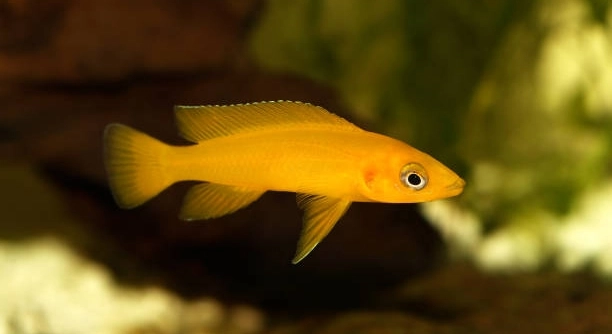
Lemon tetras are small, bright fish that bring life to any freshwater tank. Many owners enjoy watching them swim, but keeping them healthy for years can feel like a careful balancing act in the aquarium.
Several factors contribute to extending the lifespan of lemon tetras, including maintaining stable water parameters, providing a balanced diet, reducing stress through proper tank mates, ensuring adequate space, offering hiding spots, monitoring health regularly, and maintaining clean water conditions consistently.
Knowing how these elements affect your fish can make a real difference in their well-being and longevity in your home aquarium.
Stable Water Parameters
Keeping water conditions stable is essential for lemon tetras. Sudden changes in temperature, pH, or hardness can stress the fish, weakening their immune systems. I always check the water temperature daily and make sure it stays between 72–78°F. pH levels should remain near neutral, around 6.5–7.5, and water hardness should be moderate. Using a reliable thermometer and test kit helps me detect shifts early, allowing adjustments before the fish show signs of stress. Regular partial water changes are also important to remove excess waste and maintain balance. Over time, these small efforts create a healthy environment where lemon tetras can thrive without the constant risk of illness or premature death.
Stable water ensures lemon tetras are less likely to get sick and promotes their overall health and longevity. Consistency is key in every aquarium setup.
Maintaining stability means regular testing and gentle adjustments. I usually replace 20–25% of the water weekly, using treated tap water at the same temperature. Avoid adding chemicals abruptly, and make slow changes to prevent shock. Monitoring nitrates, nitrites, and ammonia levels helps prevent long-term health problems. A consistent routine with small, careful actions leads to happier, longer-living tetras.
Balanced Diet
Providing a proper diet keeps lemon tetras active and colorful. They need a mix of high-quality flakes, frozen foods, and occasional live feed. I noticed my tetras swim more energetically when their diet includes variety, which also supports their immune systems. Feeding small amounts two to three times a day prevents overfeeding and maintains water quality. Foods rich in protein, like brine shrimp or daphnia, help them grow while plant-based ingredients support digestion. Rotating food types ensures they receive essential vitamins and minerals. Treats should be occasional, not a daily habit, to avoid digestive issues. By carefully planning meals and portion sizes, their overall health improves, which directly affects lifespan.
A healthy diet directly influences longevity, behavior, and color vibrancy in lemon tetras.
Overfeeding can lead to poor water quality and disease, so moderation is important. I carefully observe their behavior during feeding, ensuring all fish get enough food without leaving leftovers to rot. Including a variety of proteins and greens strengthens their immune systems. Frozen or live foods provide stimulation and nutrients unavailable in flakes alone. Regularly switching food types keeps them interested and encourages natural foraging. Combining portion control with varied nutrition consistently results in healthier, longer-living tetras.
Do you want me to continue with the next headers in the same format?
Reducing Stress
Keeping lemon tetras with peaceful tank mates helps lower stress. Aggressive or larger fish can intimidate them, causing hiding and poor appetite. I carefully choose compatible species to maintain a calm environment.
Stress affects health by weakening immune systems and slowing growth. I make sure there are plenty of hiding spots using plants and decorations so tetras feel secure. Avoiding sudden movements near the tank and maintaining a quiet area also helps. Regular observation lets me spot signs of stress early, such as clamped fins or unusual swimming, allowing adjustments before it impacts their health.
Proper handling during cleaning and feeding is essential. I gently move objects and use nets carefully to prevent sudden scares. Consistent routines and maintaining a predictable environment reduce stress naturally. Over time, calmer fish show brighter colors and more active behavior, which contributes to a longer lifespan. Ensuring a stable, peaceful aquarium prevents unnecessary stress, allowing lemon tetras to thrive and enjoy their environment fully.
Adequate Space
Lemon tetras need enough room to swim freely and interact. A cramped tank can stunt growth and increase stress. I use at least a 20-gallon tank for a small school of tetras.
Providing adequate space improves overall health, activity, and social behavior. Overcrowding can lead to aggression, poor water quality, and reduced lifespan. I regularly count my fish and avoid adding too many at once. More space allows natural schooling behavior, making them feel secure and active. Proper tank size also makes it easier to maintain clean water and stable parameters, both crucial for longevity.
Decorating the tank strategically helps maximize usable space. I place plants along the sides and back, leaving open areas for swimming. This setup encourages natural movement and reduces conflicts, as fish can spread out when needed. Schools of tetras perform better in spacious environments, showing brighter colors and consistent growth. I also monitor population density as my tetras grow to ensure they continue to have enough room. Combining open swimming areas with hiding spots creates a balanced, healthy habitat that directly supports their lifespan.
Hiding Spots
Providing hiding spots keeps lemon tetras feeling safe. Plants, rocks, and small decorations offer secure areas to retreat when they feel threatened.
I make sure to balance open swimming space with hiding areas. Dense plants or caves help reduce stress, especially during feeding or when introducing new tank mates.
Regular Health Checks
Observing lemon tetras for signs of illness is essential. I watch for unusual swimming, discoloration, or loss of appetite. Early detection allows quick treatment before problems worsen, keeping the fish healthier and more active over time.
Clean Water Maintenance
Maintaining clean water prevents disease and supports long-term health. I perform regular partial water changes and monitor ammonia, nitrites, and nitrates closely. Clean water reduces stress, promotes immune function, and ensures lemon tetras remain vibrant and active.
How long do lemon tetras usually live?
Lemon tetras typically live between 3 to 5 years in home aquariums when conditions are stable. I’ve noticed that with proper care, some can even reach six years, especially in well-maintained tanks with consistent water quality, proper diet, and minimal stress. Their lifespan depends heavily on the environment and daily care routines.
What is the best tank size for a school of lemon tetras?
A 20-gallon tank works well for a small school of 6 to 8 lemon tetras. I prefer a longer tank rather than a taller one because it gives them more horizontal space to swim. Overcrowding can increase stress and disease risk, so I always monitor how many fish are added. More space allows natural schooling behavior, reducing aggression and promoting active, healthy fish.
How often should I feed lemon tetras?
Feeding two to three times daily in small amounts works best. I avoid overfeeding to prevent water pollution, which can harm them. A mix of high-quality flake food, frozen foods, and occasional live food ensures balanced nutrition. Observing how quickly they eat helps me adjust portions and avoid leftovers that could decay.
Which foods improve lemon tetra lifespan?
Variety is key. Flake foods provide basic nutrition, while frozen or live foods like brine shrimp and daphnia add protein and nutrients that flakes alone cannot provide. I also rotate foods to ensure vitamins and minerals are balanced. Treats are occasional to prevent digestive issues and maintain water quality.
How can I tell if my lemon tetras are stressed?
Signs include clamped fins, hiding more than usual, erratic swimming, or loss of appetite. I check water parameters first because stress often stems from poor conditions. Observing tank behavior regularly helps me identify which fish are struggling and whether environmental adjustments are needed.
What tank mates are safe for lemon tetras?
Peaceful, small fish like other tetras, rasboras, or corydoras work well. I avoid aggressive or larger species that might intimidate them. Choosing compatible tank mates reduces stress and promotes schooling. Introducing new fish gradually and monitoring interactions helps maintain a calm environment.
How do I maintain clean water for lemon tetras?
I perform 20–25% water changes weekly and use a good filter. Testing for ammonia, nitrites, and nitrates regularly ensures the water stays safe. Avoiding sudden chemical changes prevents shock. Clean water reduces disease risk and stress, keeping fish active and vibrant.
Do lemon tetras need plants in the tank?
Yes, plants provide hiding spots and reduce stress. I use both floating and rooted plants to create shaded areas while leaving open swimming space. Plants also help improve water quality by absorbing nitrates and giving a more natural environment that promotes longevity.
How do I prevent disease in lemon tetras?
Stable water, a balanced diet, and low-stress conditions are crucial. I quarantine new fish before adding them to the main tank to avoid introducing illness. Observing behavior daily lets me catch issues early, and maintaining cleanliness ensures infections don’t spread quickly.
Can lemon tetras live with changing water temperatures?
They are sensitive to sudden temperature shifts. I keep the tank between 72–78°F and make gradual adjustments when necessary. Rapid changes can stress their immune systems, making them prone to illness. Using a heater and thermometer helps maintain consistency and supports long-term health.
Are decorations important for lemon tetras?
Yes, decorations provide hiding spots and simulate natural habitats. I balance decorations with open areas for swimming to encourage schooling behavior. Rocks, caves, and dense plants help reduce stress and create a secure environment, directly contributing to a longer lifespan.
How do I know when a lemon tetra is unhealthy?
Look for faded colors, lethargy, loss of appetite, or unusual swimming patterns. I check water parameters first and then inspect for parasites or disease. Early intervention with proper care or treatment increases the chance of recovery and prevents death from preventable causes.
Is overfeeding harmful to lemon tetras?
Yes, excess food decomposes and pollutes water, leading to stress and disease. I feed small portions that the tetras can eat in a few minutes. Balanced nutrition and careful portioning maintain water quality and support healthy growth.
How many lemon tetras should I keep together?
A minimum of six is ideal for proper schooling. I notice smaller groups often appear stressed or hide more. Larger schools encourage natural behavior, reduce aggression, and improve activity levels, which is essential for their physical and mental health.
What is the role of water pH in lifespan?
Maintaining pH around 6.5–7.5 helps reduce stress and supports bodily functions. I monitor it regularly because even slight fluctuations can affect appetite, immunity, and activity. Stable pH levels are critical for long-term health and color vibrancy.
Can lemon tetras thrive in a bare tank?
They can survive but thrive better with plants and hiding spots. I prefer decorated tanks because they reduce stress and provide secure areas. Natural environments encourage active schooling and healthy behavior, improving overall lifespan.
How often should I monitor water parameters?
Testing weekly is usually sufficient if conditions are stable. I increase frequency when adding new fish or noticing unusual behavior. Keeping ammonia, nitrites, nitrates, temperature, and pH within safe ranges prevents stress-related illnesses.
Are lemon tetras compatible with shrimp?
Yes, small shrimp are generally safe tank mates. I ensure plenty of hiding spots for both tetras and shrimp. This combination allows peaceful cohabitation without competition or predation, benefiting the health and behavior of all inhabitants.
How can I encourage natural schooling behavior?
Keeping at least six tetras together in open areas encourages synchronized swimming. I arrange plants and decorations so they have clear spaces to move freely. Observing their interactions helps maintain a calm and active group dynamic, which reduces stress and supports longevity.
What is the most common mistake in caring for lemon tetras?
Inconsistent water conditions and overfeeding are major issues. I focus on stable temperature, pH, and regular partial water changes. Combined with a balanced diet and adequate space, these steps significantly reduce stress and prevent disease, promoting longer lifespans for my tetras.
This FAQ provides practical guidance and tips I’ve learned while keeping lemon tetras healthy, active, and long-living in a home aquarium. Each factor, from diet to environment, plays a key role in ensuring they thrive.
Caring for lemon tetras requires attention to several key factors, but none of them are overly complicated. The most important aspect is creating a stable environment. Water parameters, including temperature, pH, and hardness, should be monitored regularly and kept consistent. Sudden changes in the tank can stress the fish, leading to weakened immune systems and shortened lifespans. I make it a habit to test the water at least once a week and perform small, regular water changes to maintain balance. Using a thermometer and a reliable water test kit makes this process simple. A stable environment allows lemon tetras to swim freely, eat well, and display their natural behaviors without added stress, which is essential for their long-term health.
Diet plays an equally important role in the health and longevity of lemon tetras. They thrive on a varied diet that includes high-quality flake foods, frozen or live foods, and occasional treats. I rotate their foods to make sure they get all the necessary nutrients while avoiding overfeeding, which can pollute the water and cause digestive issues. Small, frequent feedings work best, as they allow the fish to consume food without excess leftovers decaying in the tank. Protein-rich foods like brine shrimp or daphnia help maintain energy levels and support growth, while plant-based ingredients aid digestion and overall health. By paying close attention to their diet and portions, the tetras remain active, colorful, and healthy over several years.
Providing the right tank setup and monitoring daily health completes the care routine. Lemon tetras need enough space to swim in schools, along with hiding spots created by plants or decorations to reduce stress. I make sure the tank is neither overcrowded nor empty, balancing open swimming areas with safe retreat spaces. Regular observation helps identify early signs of stress or illness, such as unusual swimming patterns, clamped fins, or faded colors. Acting quickly on any issues, whether adjusting water parameters or improving diet, prevents long-term health problems. Combining stable water, proper diet, enough space, and attentive care gives lemon tetras the best chance at a long, active life. Over time, these small but consistent actions create a healthy, vibrant environment where the fish can thrive naturally, making the aquarium both enjoyable to watch and safe for the tetras.

Hello,
If you enjoy the content that we create, please consider saying a "Thank You!" by leaving a tip.
Every little bit helps us continue crafting quality advice that supports the health, happiness, and well-being of pets around the world, for pets of all shapes, sizes, and species.
We really appreciate the kindness and support that you show us!