
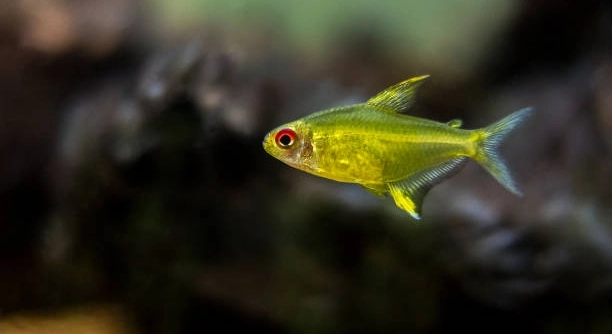
Have you ever set up a tank for lemon tetras and wondered how they might feel about the depth of their new home? These small, vibrant fish bring life and movement to any aquarium. Their needs are simple but important.
Lemon tetras generally prefer tanks with moderate depth rather than extreme shallow or very deep setups. Adequate water volume and vertical space allow them to swim freely, maintain schooling behavior, and experience a stable environment suitable for their natural tendencies.
Understanding their preferences can help you create a comfortable home for them. Learning the right tank depth ensures healthier, more active, and happier lemon tetras.
Tank Depth Basics for Lemon Tetras
Lemon tetras are small, active fish that need enough space to swim freely. Shallow tanks limit vertical movement and can stress the fish over time. Deep tanks provide more volume, which helps maintain stable water conditions, but extremely deep water may make them feel insecure. A moderate depth, around 12 to 18 inches, is usually ideal. It allows natural schooling behavior and gives them room to explore without feeling trapped. Proper depth also helps maintain oxygen levels and temperature stability, which are important for their health. When setting up the tank, think about hiding spots and open swimming areas. Plants, driftwood, and gentle decorations create a balanced environment that makes the fish comfortable. Observing how the fish behave in different areas of the tank can give insight into whether the depth feels right. Lemon tetras often prefer middle and lower levels, which should guide placement of plants and decorations.
Moderate tank depth also helps with maintenance. It’s easier to clean and monitor water parameters without stressing the fish.
Choosing the right depth impacts feeding, swimming patterns, and social behavior. Fish in proper-depth tanks are calmer, more active, and less prone to illness. Planning for a balanced tank setup ensures the tetras thrive, making their tank both functional and visually pleasing. Proper depth combined with gentle lighting and stable water chemistry encourages natural behavior. Observing their reactions over time can help adjust the setup as needed. Depth interacts with water flow, hiding spaces, and temperature distribution, affecting how comfortable lemon tetras feel. Small tweaks in depth or decoration placement can improve overall tank harmony. This approach supports healthy schooling, reduces aggression, and makes the aquarium enjoyable to watch. Overall, moderate depth creates a safe and stimulating environment for lemon tetras, promoting long-term well-being.
Factors Affecting Depth Preference
Water temperature and flow influence where lemon tetras feel comfortable.
Lemon tetras naturally swim in calm waters with moderate current. Tanks with strong flow or fluctuating temperature can make them avoid certain areas, making depth less relevant. Plants, floating leaves, and gentle filtration help create the right microhabitats. Depth should complement these features to maintain stable, stress-free conditions. Adjusting decorations vertically can encourage exploration and schooling. Monitoring water quality is easier in tanks that aren’t overly deep, reducing stress from sudden changes. By combining moderate depth with consistent environmental factors, you create a supportive home that matches the tetras’ natural instincts.
Other elements like lighting, hiding spots, and social grouping also play a role. Lemon tetras feel safer when they have consistent conditions and enough space to school together. A well-balanced tank ensures that fish can swim at preferred levels, explore without stress, and interact naturally. Vertical variation with plants or rocks provides both security and stimulation. Depth affects how light reaches the tank, influencing plant growth and fish behavior. Small tanks require careful management of these factors, while deeper tanks need attention to circulation and oxygen levels. Proper observation over time reveals their preferred areas, allowing you to optimize the layout. Keeping water stable and providing sufficient vertical space encourages healthy development, vibrant coloration, and active schooling. Balancing these elements ensures the lemon tetras remain healthy, calm, and visually engaging in their habitat.
Shallow vs. Deep Tanks
Shallow tanks restrict vertical swimming and can stress lemon tetras over time. They may feel exposed and insecure. While easy to maintain, shallow tanks limit natural schooling patterns and reduce hiding opportunities, which are important for their comfort and overall health.
Shallow tanks may work for very small groups, but they do not support optimal behavior. Lemon tetras often prefer to explore middle and lower levels, which shallow setups cannot provide. Plants, rocks, and driftwood are harder to position effectively in a shallow tank, limiting environmental enrichment. Over time, limited space can affect activity levels, coloration, and social interactions. A slightly deeper tank allows them to exhibit natural behavior while still being manageable for maintenance. Observing how they move in a shallow environment often shows hesitation and stress. Proper schooling requires depth for three-dimensional movement, which shallow tanks fail to provide.
Deep tanks provide more volume and water stability but can feel intimidating for small tetras if excessively deep. They allow better water quality management and support larger groups, but hiding spots must be distributed at different levels. Lemon tetras naturally swim in open midwater, so decorations should not block these areas. A tank too deep without adequate lighting or cover can make them stay near the surface or bottom, reducing active swimming. Proper design ensures security and exploration opportunities throughout the depth. Monitoring their comfort and adjusting plants or décor placement encourages natural schooling and reduces stress in deeper tanks.
Tank Setup Tips
Proper placement of plants and decorations enhances comfort. Lemon tetras need open swimming areas and vertical hiding spots to feel secure.
Plants, driftwood, and rocks should be arranged to create a natural flow without overcrowding. Open areas allow active schooling, while vertical structures provide resting zones. Floating plants reduce bright light and mimic natural habitats. Filtration should provide gentle water movement to avoid stress, and heater placement must maintain consistent temperature throughout the tank. Regular water testing ensures stable conditions. By balancing open swimming space and sheltered areas, lemon tetras can exhibit healthy behavior. Observing their activity levels helps identify if adjustments are needed to decorations or depth.
Lighting, temperature, and water quality affect depth preference. Properly distributed light encourages plant growth and natural fish behavior. Stable temperature and clean water reduce stress and support health. Lemon tetras in well-planned tanks use midwater and lower levels actively. Overcrowding or uneven décor can lead to hiding or inactivity. Depth interacts with these factors, so placement of decorations and plants should complement tank height. Adjusting elements gradually ensures comfort, encourages schooling, and prevents aggression. Monitoring fish behavior and responding to their needs promotes a balanced environment. Careful setup leads to vibrant coloration, active swimming, and long-term well-being.
Water Movement and Depth
Lemon tetras prefer gentle water flow. Strong currents in deeper tanks can stress them, while stagnant water in shallow tanks can reduce oxygen levels. Proper filtration maintains a calm environment and supports healthy swimming patterns.
Adjusting flow and tank layout together ensures fish feel secure. Moderate current allows natural movement, encouraging schooling without exhausting them.
Temperature and Depth Interaction
Water temperature affects how lemon tetras use tank depth. Warmer water near the surface may attract them in shallow tanks, while cooler areas in deep tanks encourage mid-level swimming. Stable temperature throughout the tank is crucial for consistent activity and overall health. Proper heating placement ensures even warmth and reduces stress.
Observation Tips
Watching how lemon tetras move reveals their preferred depth. Signs of stress include hiding or reduced activity.
FAQ
Do lemon tetras need a deep tank to thrive?
Lemon tetras do not require an extremely deep tank, but moderate depth helps them feel secure and swim naturally. Depth allows mid-level swimming, which is their preferred space. Too shallow can stress them, while excessively deep tanks can make them avoid midwater areas. A depth around 12 to 18 inches usually works best.
Can they live comfortably in a shallow tank?
They can survive in shallow tanks, especially if it is wide and has open swimming areas. However, shallow tanks restrict vertical movement and reduce their ability to school properly. Limited depth also makes hiding and resting harder. Decorations and plants need careful placement to make the space feel safe.
What tank depth encourages natural schooling?
Moderate depth encourages natural schooling. Lemon tetras swim in coordinated groups and use vertical space for movement. Proper depth allows them to spread out but remain visible to one another, which reduces stress and supports social behavior. Observing how they move together helps adjust tank setup if needed.
Does tank depth affect their health?
Yes, tank depth affects swimming space, oxygen levels, and stress. Proper depth supports active swimming, reduces aggression, and allows more stable water parameters. Shallow tanks heat up or cool down faster, while deep tanks offer stable conditions. Both extremes can impact health, so balance is key.
How does depth interact with decorations and plants?
Depth interacts with decorations by determining placement height. Taller plants and driftwood provide vertical cover, especially in deeper tanks. Open areas in mid-levels allow schooling. Floating plants reduce light in shallow areas. Proper arrangement ensures fish feel safe without limiting natural behavior.
Should temperature or water flow be adjusted for shallow or deep tanks?
Yes. Shallow tanks may need more careful temperature control because water changes faster. Deep tanks may have temperature gradients, so heaters should ensure even warmth. Water flow should be gentle in both setups. Excess current can stress tetras in deeper tanks, while stagnant shallow tanks may need extra aeration.
How can I tell if the tank depth is right?
Watch their swimming behavior. Active mid-level schooling, bright coloration, and even exploration indicate comfort. Hiding at the bottom, staying at the surface, or reduced activity suggests depth or setup adjustments are needed. Small changes in decorations or plant placement can improve their comfort.
Is tank width as important as depth?
Yes, width complements depth. Lemon tetras need horizontal space to swim in schools. A tank can be deep but narrow, which may limit movement and increase stress. Combining moderate depth with adequate width ensures enough space for schooling and active behavior.
Do young tetras have different depth preferences than adults?
Juveniles may explore more and use shallow areas more often. Adults prefer mid-level swimming and established hiding spots. Depth preference can shift slightly as they grow, so providing a variety of vertical space benefits both young and mature tetras.
How often should I adjust the tank setup for depth-related issues?
Observation is key. Adjust decorations, plants, or water flow gradually if the fish show signs of stress. Frequent changes are unnecessary, but minor tweaks based on behavior help maintain comfort. Proper initial planning minimizes the need for constant adjustment.
Can lemon tetras adapt to less-than-ideal depth?
They can adapt, but it may increase stress and reduce activity. Providing hiding spots, plants, and gentle water flow can help them cope. Long-term health and natural behavior are best supported in tanks with moderate depth.
Does depth affect breeding behavior?
Depth can influence breeding comfort. Adequate vertical and horizontal space encourages spawning behavior, especially with plants or fine-leafed decorations. Shallow tanks can limit egg-laying areas and reduce natural courtship activity. Monitoring and adjusting depth and décor can improve breeding success.
Are deep tanks harder to maintain?
They can be slightly more challenging due to lighting, circulation, and cleaning considerations. Deep tanks often require attention to ensure even temperature and oxygen distribution. Filtration must support the full depth. However, they offer more stable water conditions once properly maintained.
Can lemon tetras live with other species in shallow or deep tanks?
Yes, if tank conditions suit all species. Depth affects hiding spaces and swimming patterns. Compatible species need similar water flow, temperature, and space preferences. Ensuring moderate depth and balanced decorations supports peaceful cohabitation.
What are the signs of stress related to depth?
Stress signs include hiding excessively, clamped fins, reduced schooling, erratic swimming, or loss of color. These behaviors indicate the tank depth or setup may not match their needs. Adjusting decorations, plants, and flow can help alleviate stress.
Does depth influence oxygen levels?
Yes. Shallow tanks may experience lower oxygen during warmer temperatures, while deeper tanks generally maintain more stable levels. Proper aeration and filtration can counteract oxygen fluctuations and create a comfortable environment regardless of depth.
How do I balance depth with tank size for a small group?
Moderate depth combined with adequate length and width ensures enough space for 6 to 10 tetras. Avoid very shallow or extremely deep setups. Balanced depth supports schooling, reduces stress, and allows effective decoration placement. Observation helps fine-tune comfort.
Can depth affect their coloration?
Indirectly, yes. Fish stressed by too shallow or too deep water may lose brightness. Comfortable depth encourages natural swimming, proper feeding, and social interaction, all of which support vibrant coloration. Healthy fish show active schooling and full, bright colors.
Are there preferred plants for different depths?
Tall stem plants and floating species work well in deeper tanks, while shorter plants suit shallow setups. A mix creates vertical layers and provides both cover and open swimming space. Proper plant placement helps tetras feel secure and encourages natural behavior.
Is gradual depth change better than sudden adjustments?
Yes. Lemon tetras respond poorly to abrupt changes. Gradual adjustments in tank setup or water level allow them to acclimate without stress. Moving decorations slowly or changing water depth incrementally supports their comfort and maintains stable behavior.
Does lighting interact with depth preferences?
Yes. Strong lighting in shallow tanks can stress them, while deep tanks may need more light to reach plants. Floating plants or shaded areas help regulate exposure. Appropriate lighting combined with moderate depth encourages natural behavior and reduces stress.
Can tank decorations compensate for less-than-ideal depth?
To some extent, yes. Vertical plants, driftwood, and hiding spots can help fish feel secure in shallower tanks. In deeper tanks, decorations can create mid-level areas for schooling. Thoughtful arrangement helps mimic natural conditions even when depth isn’t perfect.
How long does it take for tetras to adjust to a new depth?
Adjustment time varies, usually a few days to a week. Monitoring swimming patterns, schooling behavior, and activity levels helps determine comfort. Gradual introduction to new conditions reduces stress and supports natural behavior.
Does water chemistry affect depth preferences?
Yes. Stable pH, temperature, and hardness are essential regardless of depth. Fluctuations can make any depth uncomfortable. Proper filtration and monitoring help maintain consistent water parameters, allowing tetras to utilize available space freely.
What is the ideal depth for a 10-gallon tank?
For a 10-gallon tank, around 12 inches deep is ideal. This provides enough vertical space for mid-level swimming, allows decorations and plants to be arranged effectively, and maintains manageable water volume for stability.
How do I know if deep tanks are too deep?
If tetras avoid mid-level swimming, stay at the bottom, or appear stressed, the tank may be too deep. Adding decorations at mid-level or creating vertical layers can improve comfort. Observation is key for adjustments.
Are there differences between single and community tanks in depth preference?
In community tanks, moderate depth helps all species coexist comfortably. Lemon tetras use mid-levels for schooling while other species occupy different zones. Depth interacts with hiding spaces, swimming patterns, and water flow, so a balanced setup benefits everyone.
Can tetras adapt to sudden depth changes during maintenance?
Sudden changes can cause stress, especially in shallow tanks. Gradual adjustments, such as partial water changes or temporary decorations, reduce stress. Ensuring stable conditions during maintenance helps fish maintain normal behavior.
Does depth affect feeding habits?
Yes. Shallow tanks may concentrate food at the surface, while deeper tanks allow mid-level feeding. Balanced depth ensures food reaches all fish, prevents competition, and supports healthy growth and schooling during feeding time.
How important is depth for long-term well-being?
Depth is one of several key factors. Moderate depth supports active swimming, schooling, hiding, stable water conditions, and proper feeding. Over time, appropriate depth contributes to reduced stress, better coloration, and overall healthy behavior. Consistent observation and minor adjustments help maintain a comfortable environment.
Do different water types influence depth preference?
Softer, slightly acidic water suits lemon tetras and supports comfortable mid-level swimming. Hard or highly alkaline water can stress them, affecting depth use. Matching water chemistry to natural preferences enhances comfort regardless of tank depth.
Can artificial structures replace plants for depth adaptation?
Yes, but natural plants are preferred. Artificial plants and structures can provide vertical cover and open areas for schooling. The key is arranging them to create a balance of shelter and open swimming space. Proper placement supports behavior and reduces stress.
Do older tetras behave differently in deep or shallow tanks?
Older tetras often prefer established mid-level swimming zones and may be less exploratory. They benefit from consistent depth, decorations, and water conditions. Adjusting tank layout gradually helps older fish remain comfortable and maintain active schooling behavior.
Is depth a major factor in tank aesthetics?
Yes. Proper depth allows decorations and plants to be arranged naturally, supports visible schooling, and creates a visually balanced tank. Fish behavior and placement of elements make the tank engaging while maintaining comfort.
Can lighting changes interact with depth to stress tetras?
Yes. Bright lights in shallow tanks or insufficient light in deep tanks can cause stress. Combining moderate depth with appropriate lighting, floating plants, and shaded areas encourages natural behavior and reduces anxiety.
Are mid-level hiding spots necessary in deep tanks?
Absolutely. Even in deep tanks, mid-level hiding spots support schooling behavior and provide security. Driftwood, tall plants, or layered décor allows fish to use vertical space comfortably. Observing behavior helps identify areas needing improvement.
Does tank shape influence depth preference?
Yes. Long, moderate-depth tanks are ideal. Narrow or very tall tanks limit movement and schooling. A balanced shape combined with moderate depth allows natural behavior and supports overall health.
Can I mix shallow and deep zones in the same tank?
Yes, creating varied zones mimics natural habitats. Shallow areas for exploration and deep areas for resting or hiding provide choice. Tetras use preferred zones without being confined, supporting active and stress-free behavior.
How often should water be tested in tanks of different depths?
Regular testing is important. Shallow tanks may require more frequent monitoring due to faster temperature and chemical changes. Deep tanks are more stable but still benefit from weekly testing to ensure consistent conditions.
Do tank decorations need to scale with depth?
Yes. Taller plants, rocks, and driftwood suit deeper areas, while shorter elements are better for shallow zones. Proper scaling maintains open swimming space and hiding spots, supporting natural schooling and comfort.
Are there common mistakes related to tank depth?
Common mistakes include tanks that are too shallow for schooling, excessively deep without mid-level cover, or poor decoration placement. Observing fish behavior and adjusting layout prevents stress and encourages natural activity.
Does depth influence aggression levels?
Indirectly. Tanks too shallow can increase competition for space and hiding spots, while very deep tanks without mid-level cover may lead to territorial behavior. Moderate depth with balanced décor reduces conflicts and supports social schooling.
Can lemon tetras live in tall, narrow tanks?
They can survive but may avoid mid-level swimming and feel insecure. Open areas and vertical hiding spots can help, but long, moderate-depth tanks are preferable for natural behavior.
Does feeding method interact with depth preference?
Yes. Surface or mid-level feeding works best in moderate-depth tanks. Shallow tanks concentrate food, leading to competition, while deep tanks require attention to ensure all fish can access food. Proper feeding supports healthy growth and schooling.
Can floating plants improve depth comfort?
Yes. Floating plants provide shade, reduce light intensity, and create vertical cover. This helps fish feel secure in both shallow and deep areas, supporting natural swimming and reducing stress.
How long should I observe fish before adjusting depth-related features?
A few days to a week is usually enough. Consistent behavior, active schooling, and mid-level swimming indicate comfort. Minor adjustments can be made gradually if stress or hiding is observed.
Do lemon tetras use the very bottom of deep tanks?
Occasionally, but they prefer mid-level swimming. Bottom areas are mainly used for resting or hiding. Providing plants and driftwood at mid-depth encourages natural use of the vertical space.
Can tank depth affect breeding success?
Yes. Moderate depth with hiding spots supports courtship and egg-laying. Shallow tanks may limit options, and very deep tanks may discourage natural mid-level spawning behavior. Proper setup increases the chances of successful breeding.
Does tank depth affect schooling density?
Yes. Moderate depth allows appropriate spacing for schooling without crowding. Shallow tanks restrict vertical movement, increasing density at certain levels, while deep tanks without mid-level cover may fragment the school. Balanced depth supports cohesive, healthy groups.
Are there signs that decorations need adjustment for depth?
Yes. Fish avoiding certain areas, clumping in limited spaces, or hiding excessively suggest decoration placement does not complement depth. Adjusting plants or driftwood vertically and horizontally improves comfort and encourages natural behavior.
Does depth influence long-term tank stability?
Yes. Moderate depth provides stable temperature, oxygen, and water parameters. Shallow tanks fluctuate quickly, while deep tanks require attention to circulation. Balanced depth simplifies maintenance and supports long-term fish health.
Is moderate depth always the best choice?
For lemon tetras, yes. It balances open swimming, hiding opportunities, stable conditions, and visual appeal. Moderate depth supports natural schooling, reduces stress, and ensures active, healthy behavior over time.
Can tetras adapt to community tank depth differences?
They can, if moderate depth is provided. Open areas and hiding spots allow them to coexist with other species comfortably. Adjustments may be needed to accommodate specific behaviors of tank mates.
How do I combine depth with plant height effectively?
Use taller plants in deeper areas and shorter ones in shallow areas. Mid-level plants encourage schooling and resting. Floating plants provide shade, creating layered vertical zones that mimic natural habitats.
Does depth influence nocturnal behavior?
Yes. In shallow tanks, fish may feel exposed at night, limiting activity. Moderate or deep tanks with vertical cover support normal nocturnal swimming and resting behavior, helping maintain natural patterns.
Are there risks in changing depth after setup?
Sudden depth changes can stress tetras. Gradual adjustments, such as altering water levels or décor slowly, reduce stress. Maintaining consistent temperature, flow, and hiding spaces is crucial during any change.
Do tetras prefer consistent depth across the tank?
Moderate uniform depth is ideal. Variations can be tolerated if decorations provide mid-level zones, but abrupt changes may cause avoidance or stress. Consistency supports schooling and natural movement.
Can depth influence aggression in breeding pairs?
Yes. Adequate vertical and horizontal space reduces territorial conflicts. Shallow or overly deep tanks without mid-level cover may increase stress or aggression during courtship. Proper setup supports peaceful breeding behavior.
Does tank maintenance change with depth?
Yes. Shallow tanks heat and cool quickly and may require frequent monitoring. Deep tanks are more stable but need attention to lighting, circulation, and debris accumulation. Balanced depth simplifies routine maintenance while supporting fish well-being.
How does depth affect interaction with other species?
Moderate depth allows lemon tetras to swim naturally and avoid conflicts. In mixed tanks, vertical zoning ensures peaceful coexistence. Shallow or very deep tanks may limit options, affecting interactions and social behavior.
Is depth more important than tank size?
Both matter, but moderate depth is crucial for vertical movement and schooling. Adequate horizontal space complements depth. Together, they ensure healthy behavior, natural swimming patterns, and overall comfort.
Can lighting and depth create stress if not balanced?
Yes. Strong light in shallow tanks or weak light in deep tanks can stress fish. Floating plants and shaded areas help balance exposure, allowing comfortable movement and natural behavior.
Do lemon tetras change depth preference with age?
Yes. Juveniles explore more and may use shallower zones, while adults prefer mid-level areas and established hiding spots. Gradual adaptation of the environment supports both age groups comfortably.
Does depth affect water circulation needs?
Yes. Shallow tanks may need extra aeration to prevent stagnant areas, while deep tanks require careful placement of filters to maintain consistent flow. Balanced depth ensures comfortable swimming and proper oxygenation.
Can fish schooling behavior indicate depth comfort?
Absolutely. Active mid-level schooling suggests appropriate depth. Clumping at bottom or surface, hiding, or avoiding certain areas indicates adjustments are needed. Observing behavior helps maintain optimal conditions.
Are vertical decorations more important in deep tanks?
Yes. They provide security, resting spots, and stimulate mid-level swimming. Without vertical elements, deep tanks can feel empty and stressful, reducing natural behavior. Proper placement encourages exploration and schooling.
Does depth influence how much space each fish needs?
Yes. Moderate depth allows three-dimensional movement, giving each fish personal space within the school. Shallow tanks force clustering, increasing stress and competition. Proper depth supports balanced social behavior and comfort.
Can depth adjustments help with shy or stressed tetras?
Yes. Adding mid-level hiding spots, plants, or driftwood in shallow or deep areas encourages exploration and reduces hiding. Gradual adjustments improve confidence and schooling activity.
How does depth impact overall tank harmony?
Moderate depth balances swimming space, hiding opportunities, stable water conditions, and social interactions. Proper depth reduces stress, supports schooling, and encourages natural behavior, making the tank healthier and more enjoyable to observe.
Is there a depth limit for a small community tank?
Yes. Extremely deep tanks for small groups can discourage schooling and increase stress. Moderate depth with adequate width and decorations ensures comfortable movement for all species.
Can depth affect feeding competition?
Yes. Shallow tanks concentrate food at the surface, increasing competition. Moderate depth allows food distribution and mid-level access, supporting healthier growth and less aggressive feeding behavior.
Do tetras need different depth zones for day and night?
Not strictly. However, shaded areas or vertical cover at all depths help them feel secure during rest periods. Moderate depth ensures adequate space for both daytime activity and nighttime resting.
Are gradual or sudden depth changes better during tank upgrades?
Gradual changes are better. Slowly adjusting water levels, decorations, or flow reduces stress and allows tetras to adapt naturally without disrupting schooling or activity patterns.
**Does depth influence how often tetras explore
Final Thoughts
Lemon tetras are small, active fish that benefit from a well-planned tank setup. Tank depth plays a key role in their comfort, schooling behavior, and overall health. Moderate depth, around 12 to 18 inches, allows them to swim freely, explore mid-level areas, and use vertical space naturally. Shallow tanks may restrict movement and make them feel exposed, while excessively deep tanks can make them avoid midwater zones. Depth interacts with decorations, plants, water flow, and lighting, so balancing these elements is important. Providing both open swimming areas and hiding spots helps the fish feel secure and reduces stress, encouraging natural behavior. Observing the fish regularly allows you to adjust the tank setup to match their preferences, whether that involves moving plants, adding driftwood, or adjusting lighting. The right depth creates a stable environment for active, healthy schooling.
Tank depth also affects water stability, temperature, and oxygen levels. Shallow tanks may heat up or cool down more quickly, while deeper tanks tend to maintain more consistent conditions. Proper filtration and gentle water flow help ensure that the tank remains balanced and stress-free, regardless of depth. Depth works together with other factors, such as plant height and decoration placement, to create vertical zones for swimming, resting, and hiding. This layered environment allows tetras to express natural behaviors, interact socially, and reduce aggressive or timid tendencies. Even minor adjustments to depth or decoration placement can significantly improve their comfort. Over time, a moderate-depth tank supports long-term well-being, vibrant coloration, and active schooling. Small groups or individual fish may adapt to less-than-ideal depth, but a properly measured setup makes a noticeable difference in their overall health and behavior.
In addition to depth, careful attention to tank setup encourages healthy feeding and social behavior. Providing moderate depth ensures food is accessible at mid-levels, prevents overcrowding in certain areas, and allows the fish to feed naturally within a group. Juvenile and adult tetras may have slightly different depth preferences, so a layered environment benefits all ages. Observing their swimming patterns, activity levels, and interactions helps determine whether adjustments are needed. Moderate depth, combined with thoughtful decoration, stable water conditions, and balanced lighting, creates an environment that supports natural schooling, reduces stress, and promotes long-term health. By prioritizing depth as part of the tank setup, you create a comfortable, balanced home for lemon tetras, allowing them to thrive while displaying their full, vibrant colors and active behavior.

Hello,
If you enjoy the content that we create, please consider saying a "Thank You!" by leaving a tip.
Every little bit helps us continue crafting quality advice that supports the health, happiness, and well-being of pets around the world, for pets of all shapes, sizes, and species.
We really appreciate the kindness and support that you show us!