
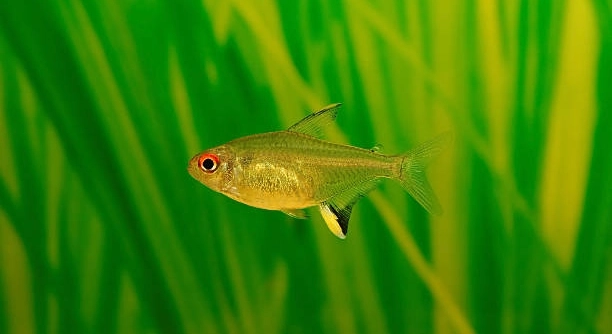
Lemon tetras are small, vibrant fish often kept in community aquariums. Their bright yellow coloration and active behavior make them appealing, and many fishkeepers wonder how these lively creatures interact with other species in their tank environment.
Research indicates that lemon tetras can recognize other fish species through visual and chemical cues. They respond differently to familiar and unfamiliar species, often adjusting schooling behavior, maintaining distance, or showing signs of social cohesion depending on the other fish present.
Understanding these interactions helps aquarists create harmonious communities, ensuring both the lemon tetras and their tank mates thrive in a balanced and healthy environment.
How Lemon Tetras Identify Other Fish
Lemon tetras rely heavily on visual and chemical cues to recognize other fish in their environment. Their keen eyesight allows them to distinguish size, color patterns, and movement, which helps determine whether a fish is part of their school or a different species. Chemical signals in the water provide additional information about other fish, such as their health, stress level, and even reproductive status. In mixed-species tanks, these cues guide social behavior, including schooling, avoiding aggression, and maintaining territory. Observing a group of lemon tetras, you may notice they stick closer to fish with similar movement patterns or coloration, while keeping a cautious distance from unfamiliar species. Over time, they become more adept at interpreting these signals, which helps them navigate interactions safely. Their recognition ability plays an important role in their overall well-being, influencing feeding, resting, and swimming patterns in shared tank spaces.
Their behavior often changes depending on the size and activity of other fish, reflecting their adaptability.
Lemon tetras do not rely on a single sense; combining sight and smell allows them to respond appropriately to their neighbors. In community tanks, this reduces stress and conflict, supporting healthy group dynamics. By observing these interactions, aquarists can better manage tank composition, ensuring compatibility and minimizing territorial disputes. Even subtle changes in lighting or tank decoration can affect how they perceive others, showing the importance of a stable environment. Their social intelligence, though not as complex as larger species, is sufficient to maintain peaceful coexistence, which makes them an ideal choice for mixed-species aquariums.
Signs Lemon Tetras Recognize Other Species
When lemon tetras recognize other species, they often adjust swimming patterns and group formation.
They may swim closer to similar-sized, non-threatening species while keeping distance from larger or more aggressive fish. Schooling behavior changes, with tighter formations around familiar fish and looser patterns near unfamiliar ones. This recognition can reduce stress, prevent injury, and encourage cooperative feeding. In larger tanks, the ability to identify species allows tetras to explore different areas safely. Aquarists notice that these responses are consistent, showing that recognition is learned and reinforced over time. Even new additions to the tank trigger cautious observation until the tetras determine safety. Understanding these behaviors helps maintain a balanced environment. By selecting compatible species and monitoring interactions, tank life becomes calmer. Lemon tetras’ recognition skills highlight their adaptability and social awareness, key factors for successful community aquarium management.
Interaction Patterns with Other Fish
Lemon tetras often stay near similar-sized fish, avoiding aggressive or larger species. Their schooling changes depending on the behavior of nearby fish, and they respond to movement, color, and chemical cues in the water. These interactions influence daily activity and comfort.
Their interactions are shaped by observation and experience. Lemon tetras often test the waters by swimming closer to new or unfamiliar species, then retreating if any signs of aggression appear. Over time, they learn which species are safe companions and which require caution. These patterns are consistent in community tanks, showing that recognition guides both feeding and resting behaviors.
In mixed-species tanks, tetras adjust spacing to prevent conflict while maintaining social cohesion. They often mirror swimming speeds and patterns of compatible species, enhancing group stability. Observing these behaviors reveals that tetras are sensitive to subtle changes in the tank environment, including light, decorations, and activity levels of neighbors, which all affect comfort and social behavior.
Environmental Factors Affecting Recognition
Tank layout and decoration can influence lemon tetras’ ability to recognize other species. Dense plants or hiding spots encourage cautious exploration and reduce stress.
Lighting and water clarity are also critical. Clear water allows visual cues to be more effective, while dim or murky conditions make recognition harder. Tetras rely on movement and color differences, so proper illumination is essential. Tank decorations can create boundaries or hiding spaces, which help tetras regulate interactions. Changes in environment can temporarily alter social behavior, as fish reassess safety and comfort.
Stable water conditions, including temperature and pH, support consistent recognition behaviors. Sudden changes in water chemistry can heighten stress, causing tetras to misinterpret other fish’s cues. In addition, the presence of strong currents or excessive tank noise may interfere with chemical signals, reducing recognition accuracy. Maintaining a well-structured, calm environment helps lemon tetras identify species efficiently, promoting harmonious interactions. Proper observation of these environmental factors ensures healthier social dynamics in community aquariums.
Responses to Aggressive Species
Lemon tetras often keep their distance from aggressive fish, using plants and tank decorations as barriers. They may swim in tighter groups to feel safer and minimize potential confrontations, adjusting their behavior based on perceived threats in the environment.
Avoidance is the primary strategy. Tetras rarely confront aggressive species directly and rely on quick movements and hiding spots to reduce stress. Their schooling behavior becomes more coordinated, providing safety in numbers while still allowing them to explore the tank.
Feeding Behavior and Recognition
Lemon tetras show selective attention during feeding, often noticing the type and size of nearby fish. They may wait for calmer or compatible species to start feeding before joining. This behavior reduces conflict and ensures food is accessed safely without unnecessary stress.
Learning and Adaptation
Lemon tetras can adapt their behavior over time, learning which species are safe and which pose a threat. Repeated exposure helps them recognize patterns, adjust swimming routes, and optimize social interactions, enhancing both comfort and survival in the tank.
Signs of Stress
Stress in lemon tetras is evident through rapid swimming, hiding, or loss of color. Recognizing these signs is essential for maintaining a peaceful tank environment.
FAQ
Can lemon tetras recognize fish of different species?
Yes, lemon tetras can recognize other fish species through visual and chemical cues. They notice differences in color, size, and movement, which helps them determine whether a fish is part of their group or a potential threat. Chemical signals in the water add information about stress levels, health, and compatibility.
How do lemon tetras behave around aggressive species?
When faced with aggressive fish, lemon tetras usually avoid direct confrontation. They swim in tighter schools, stay near plants or decorations for protection, and adjust their routes to prevent conflicts. These strategies help reduce stress and prevent injuries while maintaining access to food and swimming space.
Do lemon tetras interact differently with similar-sized fish?
Yes, tetras are more comfortable around fish that are similar in size and temperament. They tend to swim closer, mirror movements, and form cohesive groups. This familiarity promotes social cohesion, reduces stress, and allows them to explore the tank more confidently while feeding or resting.
Can lemon tetras learn to recognize new species over time?
Lemon tetras can adapt to new tankmates gradually. Repeated exposure to unfamiliar species allows them to assess behavior, movement, and social signals. Over time, they adjust their swimming patterns, group formations, and interactions, learning which species are safe and which require caution.
What environmental factors affect species recognition?
Water clarity, lighting, and tank layout all influence recognition. Clear water and proper lighting enhance visual cues, while dense plants or hiding spots help tetras feel secure. Sudden changes in water chemistry or strong currents can interfere with chemical signals, temporarily reducing their ability to identify other species.
How does feeding behavior reflect recognition abilities?
During feeding, lemon tetras pay attention to the size and behavior of nearby fish. They often wait for calmer or compatible species to start eating before joining. This selective approach prevents conflict and ensures food is accessed safely without unnecessary stress or competition.
What are signs of stress related to other fish?
Rapid swimming, hiding, loss of color, or erratic movement are common signs of stress. Stress can result from aggressive tankmates, overcrowding, or sudden environmental changes. Monitoring behavior regularly helps aquarists maintain a peaceful tank and address stressors promptly.
Do lemon tetras use chemical signals to identify species?
Yes, chemical cues in the water are crucial. These signals convey information about other fish’s health, mood, and reproductive status. Tetras use this data alongside visual observations to make decisions about schooling, feeding, and avoiding potential threats in their environment.
Can lemon tetras coexist with larger or more aggressive species?
They can coexist if there are enough hiding spaces, plants, and visual barriers. Tetras rely on avoidance strategies and schooling to minimize conflict. Proper tank management, including selecting compatible species and monitoring behavior, ensures peaceful interactions even in mixed-species aquariums.
How long does it take for lemon tetras to adapt to new species?
Adaptation varies but often occurs over several days to weeks. Initial caution and observation give way to gradual interaction as tetras learn safety cues and social patterns. Consistent environmental conditions and compatible tankmates speed up the adjustment process, promoting harmony in the aquarium.
Can stress from other fish affect health?
Prolonged stress can weaken the immune system, slow growth, and make lemon tetras more susceptible to disease. Recognizing early signs, maintaining stable water conditions, and providing appropriate companions are essential to ensure long-term health and well-being.
Do lemon tetras show individual differences in recognition?
Yes, individual tetras may vary in confidence and social behavior. Some are bolder, approaching new fish sooner, while others are more cautious. These differences influence schooling patterns, feeding, and interactions, contributing to the overall social dynamics of the group.
How important is tank size for recognition and interaction?
Adequate tank size provides space for exploration, schooling, and avoidance. Crowded conditions increase stress and limit the ability to recognize and respond to other species. Larger tanks with diverse layouts allow tetras to establish territories and interact safely with different fish.
Can lemon tetras recognize species they have never seen before?
They rely on instinct and general cues, such as size, color contrast, and movement patterns, to assess unfamiliar species. While prior experience improves accuracy, even new species are evaluated using these natural recognition strategies, guiding their behavior in mixed communities.
What role does schooling play in recognizing other species?
Schooling provides safety and social guidance. Tetras often form tighter schools near unfamiliar or potentially aggressive species and loosen formations around compatible fish. This collective behavior allows them to respond quickly to threats while maintaining social cohesion and stability in the tank.
Do lemon tetras remember individual fish from other species?
Yes, they can remember specific individuals based on visual and chemical cues. This recognition helps them navigate social hierarchies, maintain distance from aggressive individuals, and identify consistent companions, improving overall comfort and reducing stress over time.
How do decorations and plants influence species recognition?
Decorations and plants offer hiding spots, visual barriers, and territory boundaries. They allow tetras to observe other species safely, regulate interactions, and feel secure. Dense or strategically placed plants can minimize confrontations and support more confident social behavior in mixed-species tanks.
Is species recognition important for breeding or reproduction?
Recognizing compatible species helps lemon tetras avoid cross-species aggression during breeding. Chemical and visual cues guide them to appropriate partners, reduce stress, and increase the likelihood of successful reproduction while maintaining harmony in the tank environment.
Can lemon tetras adapt if aggressive species are added later?
Yes, but adjustment may take longer. Initial caution and hiding are common, followed by gradual assessment of behavior and interaction patterns. Consistent monitoring and tank adjustments, such as adding plants or rearranging decorations, can support adaptation and reduce stress.
How can aquarists support species recognition?
Providing clear water, stable conditions, hiding spaces, and compatible tankmates enhances recognition. Observing behavior, adjusting tank layout, and maintaining appropriate lighting all contribute to safe interactions, healthier social behavior, and reduced stress in lemon tetras.
Do lemon tetras rely more on sight or smell for recognition?
Both are essential. Visual cues help identify size, color, and movement, while chemical signals convey health, mood, and reproductive status. Together, these senses allow tetras to respond accurately and safely to other fish in the tank.
What happens if lemon tetras fail to recognize other species?
Misrecognition can lead to stress, aggression, or avoidance behavior. Over time, repeated exposure and stable conditions often help correct misunderstandings, allowing tetras to adapt and interact safely, but initial misidentification can disrupt social harmony temporarily.
Can juveniles recognize other species as well as adults?
Juveniles show recognition abilities but are generally more cautious and slower to adapt. Experience over time improves their assessment skills, teaching them which species are safe and how to respond to potential threats effectively.
How do tetras signal comfort or discomfort around other species?
Calm swimming, normal schooling, and active feeding indicate comfort, while rapid movement, hiding, or color fading shows stress. Observing these signals helps manage interactions and ensure a balanced, healthy tank environment.
Are there differences between tanks in how tetras recognize species?
Yes, factors like tank size, layout, species composition, and water quality influence recognition. Tetras in well-structured tanks with compatible species adjust faster and interact more confidently than those in crowded or unstable conditions.
Do lemon tetras use body language to communicate with other species?
Yes, posture, swimming speed, and schooling formations convey information. Tight schooling, quick retreats, or synchronized movements signal caution, while relaxed swimming and alignment with similar species indicate comfort and social cohesion.
Can tetras recognize stressed or sick fish of other species?
Chemical and behavioral cues allow tetras to detect illness or stress. They may avoid affected fish, adjust schooling, or change feeding behavior, demonstrating an ability to respond to health cues in their environment.
How long does recognition memory last in lemon tetras?
Recognition can be maintained for weeks or months, especially for familiar species. Memory of aggressive or compatible individuals influences long-term behavior, schooling patterns, and social interactions in the tank.
Do environmental changes affect recognition permanently?
Temporary changes, such as lighting or water clarity, can alter recognition, but consistent conditions restore normal behavior. Extreme or prolonged environmental disruptions may require longer adaptation periods for tetras to recognize and respond appropriately.
How can recognition behavior be observed safely?
Watching schooling patterns, feeding order, and proximity to other fish provides insights. Avoiding sudden changes or stressors ensures natural behavior, allowing accurate observation of how tetras recognize and interact with other species.
Are there species lemon tetras cannot recognize effectively?
Highly aggressive, very large, or extremely different-looking fish may be challenging for tetras to assess initially. Over time, experience and observation help them adjust, but initial interactions often involve heightened caution and avoidance.
Does age influence recognition skills?
Yes, older tetras are generally more confident and accurate in recognizing other species. Experience and exposure refine their ability to interpret cues, navigate social dynamics, and avoid conflict in mixed-species tanks.
Can recognition be enhanced through tank management?
Yes, stable water conditions, clear visibility, strategic decorations, and compatible species support accurate recognition. Careful tank management reduces stress, encourages social cohesion, and promotes safer, more confident interactions between tetras and other fish.
Do lemon tetras recognize species outside their natural habitat?
Recognition relies on general cues such as size, movement, and coloration. Even in unfamiliar or artificial tank setups, tetras use these signals to identify and respond to different species, showing adaptability beyond their native environment.
How does group size affect recognition?
Larger groups provide safety and social guidance, helping tetras observe and assess new species more confidently. Smaller groups may be more cautious or stressed, highlighting the importance of appropriate school size for accurate recognition and interaction.
What is the role of curiosity in recognition?
Curiosity drives cautious exploration of unfamiliar species. Tetras approach new fish carefully, using visual and chemical cues to gather information, balance risk, and adjust behavior, improving social adaptation and safety within the tank.
Can stress from recognition issues lead to illness?
Chronic stress weakens immunity, making tetras more vulnerable to disease. Observing behavior, maintaining stability, and ensuring compatibility are essential to prevent stress-related health problems.
Is species recognition more important in community tanks?
Yes, accurate recognition is crucial to prevent aggression, maintain social cohesion, and ensure equitable access to resources. Community tanks require careful selection and observation to support safe interactions and healthy group dynamics.
How do tetras respond to sudden movements by other fish?
Sudden movements trigger quick assessment. Tetras may tighten schooling, retreat, or adjust swimming direction to avoid potential threats. These reflexive responses demonstrate reliance on both visual and chemical cues for safety and social coordination.
Can tetras differentiate between healthy and sick individuals of other species?
Yes, they detect changes in movement, coloration, and chemical signals. Healthy fish encourage normal interaction, while signs of illness prompt caution, avoidance, or tighter schooling to reduce exposure to potential risks.
How long do tetras observe a new species before interacting?
Observation periods vary but often last several minutes to hours. Tetras use this time to assess size, behavior, and threat level, gradually deciding whether it is safe to approach or maintain distance.
Do tetras show preference for certain species?
They tend to prefer calm, similarly sized, and non-aggressive species. Preference influences schooling, feeding order, and proximity, helping tetras maintain safety and social cohesion in mixed-species tanks.
What are common mistakes aquarists make regarding recognition?
Overcrowding, sudden changes, and incompatible tankmates can stress tetras and disrupt recognition. Misjudging species compatibility or ignoring hiding spaces may lead to aggression, stress, and unhealthy social interactions. Proper planning and observation prevent these issues.
Can recognition behaviors be used to improve tank harmony?
Yes, understanding how tetras identify and interact with other species allows aquarists to optimize tank layout, group composition, and environmental conditions, promoting peaceful coexistence and reducing stress for all fish.
Do tetras recognize species outside their immediate tank area?
Recognition is primarily local, relying on visual and chemical cues in the immediate environment. Fish outside their direct observation area are not recognized until they enter visible or chemical range, triggering assessment and response behaviors.
How does recognition affect reproduction in lemon tetras?
Accurate species recognition prevents unnecessary conflict during spawning, ensuring focus on compatible partners. Proper social conditions reduce stress, supporting healthier breeding behavior and increasing success rates in community tanks.
Are there long-term benefits to accurate recognition?
Yes, it reduces stress, prevents injury, supports feeding efficiency, and strengthens social cohesion. Consistent recognition ensures healthier, more stable communities and enhances overall well-being for lemon tetras in mixed-species aquariums.
Can juvenile tetras learn from adult behavior?
Young tetras observe adults, mirroring schooling patterns, avoidance strategies, and social interactions. This observational learning accelerates adaptation, teaching safe responses to other species and reinforcing recognition skills over time.
Do tetras respond differently to nocturnal species?
Tetras rely more on chemical cues and subtle movement signals in low-light conditions. They may reduce activity or adjust schooling patterns, reflecting reliance on non-visual recognition when light is limited.
Can recognition skills decline with age?
Generally, skills remain stable, but illness or sensory decline may affect ability to detect visual or chemical cues. Maintaining good health and stable environmental conditions helps preserve recognition abilities throughout life.
Do tetras communicate recognition to others in the school?
Yes, body language, swimming patterns, and schooling adjustments signal potential threats or safe companions. This collective awareness enhances group safety and ensures coordinated responses to different species.
How quickly do tetras adapt to sudden additions of new species?
Initial adaptation is cautious and can take hours to days. Gradual exposure and observation help tetras assess safety, adjust schooling, and interact appropriately, reducing stress and promoting long-term harmony in the tank.
Are some species easier for tetras to recognize than others?
Species with distinct size, movement, or coloration differences are easier to identify. Subtle variations may require more observation and time for tetras to differentiate between potential threats and safe companions.
Can tetras misinterpret signals from other species?
Yes, unusual movement, rapid swimming, or chemical fluctuations can lead to caution or avoidance even if the other fish is harmless. Repeated exposure and a stable environment help tetras correct misinterpretations over time.
Do lemon tetras recognize fish they have never encountered in the wild?
They rely on general patterns such as size, coloration, and movement, allowing them to identify and respond to unfamiliar species even in artificial tanks. Instinct combined with experience supports safe interactions.
How important is water quality for recognition?
Good water quality ensures chemical signals are transmitted accurately. Poor conditions, including high ammonia or nitrite levels, can mask or distort signals, affecting recognition and potentially increasing stress or aggression.
Can tetras recover recognition behavior after illness?
Yes, recovery is possible once health stabilizes. Gradual reintroduction to the tank and stable conditions allow tetras to reassess other species, restoring normal recognition and social behavior.
Do lemon tetras recognize fish outside their immediate social group?
Recognition is strongest within their school and immediate tank area. Fish outside this range are assessed anew when encountered, using visual and chemical cues to determine compatibility and safety.
How do seasonal or light changes affect recognition?
Changes in light or photoperiod may alter visibility and activity levels. Tetras rely more on chemical signals during low-light periods, adjusting behavior to maintain safe interactions despite altered conditions.
Can recognition help tetras avoid predators in community tanks?
Yes, identifying larger or aggressive species allows tetras to maintain distance, hide, or adjust schooling, reducing risk of harm and supporting overall survival within the tank environment.
Do tetras show different recognition behaviors at night?
Activity is reduced, and reliance on visual cues decreases. Chemical cues and subtle movement guide interactions, with schooling patterns adjusting to maintain safety in dim conditions.
Are recognition skills genetically influenced?
Instincts play a role, but learning and experience have a larger impact. Genetics provide baseline survival behavior, while environmental exposure shapes accurate species recognition over time.
Can recognition skills be impaired by overcrowding?
Yes, limited space increases stress and reduces the ability to monitor other fish accurately. Overcrowding may lead to misinterpretation of cues, higher aggression, and disrupted social cohesion in the tank.
Do lemon tetras recognize fish introduced at different life stages?
Yes, but adaptation may be slower for fish introduced later. Tetras carefully assess behavior and compatibility, gradually incorporating new tankmates into their recognition and social strategies.
How do tetras balance curiosity and caution in recognition?
They approach new species slowly, observing movement, size, and behavior before fully interacting. This cautious curiosity ensures safety while allowing them to expand social awareness within the tank.
Can recognition behavior indicate intelligence in lemon tetras?
Recognition and adaptive social behavior reflect problem-solving and learning capacity. Their ability to assess risk, adjust interactions, and remember other species shows a level of social intelligence suitable for community living.
Do tetras respond differently to same-species versus other-species recognition?
Same-species recognition usually results in closer schooling and coordinated movements. Other-species recognition emphasizes caution, avoidance, and selective interaction, showing tetras adjust behavior based on familiarity and perceived threat.
How does tank maintenance affect recognition abilities?
Regular water changes, stable temperature, and clean filters ensure clear visual and chemical cues. Consistent conditions allow accurate assessment of other species, reducing stress and supporting natural social behavior.
Do lemon tetras communicate recognition through sound?
They primarily rely on visual and chemical cues. While subtle vibrations may occur, sound does not play a significant role in recognizing other species within a tank environment.
Can recognition behaviors be trained or influenced by feeding patterns?
Yes, consistent feeding routines and placement can help tetras learn safe interaction zones and predictable responses from other species, reinforcing recognition and minimizing conflict during meal times.
How important is observation for aquarists managing recognition?
Careful observation allows early detection of stress, aggression, or misinterpretation. Adjusting tank layout, species composition, and environmental conditions based on behavior ensures safer, more stable interactions among tetras and other fish.
Do tetras recognize territorial boundaries of other species?
Yes, they notice aggressive or dominant individuals and maintain distance accordingly. Recognizing territorial behavior prevents conflict and helps establish harmonious tank dynamics.
How long can recognition skills last without reinforcement?
Skills are generally retained as long as environmental cues remain consistent. Extended absence of interaction or drastic environmental changes may reduce recognition accuracy temporarily, but repeated exposure restores normal behavior.
Can recognition help in preventing disease spread?
Indirectly, yes. By avoiding sick or stressed fish, tetras reduce contact and minimize risk of disease transmission. Chemical and behavioral cues guide
Lemon tetras are small, lively fish that display remarkable social awareness. Their ability to recognize other species relies on a combination of visual observation and chemical signals in the water. They notice differences in size, color, and movement, which help them determine whether a fish is safe to approach or if it poses a potential threat. This recognition influences their daily activities, including schooling, feeding, and resting patterns. When placed in a community tank with compatible species, lemon tetras can thrive and interact safely, showing calm behavior and coordinated movement. Even subtle environmental changes, such as lighting, water clarity, or tank decoration, can affect how they perceive other fish. Maintaining stable conditions allows them to assess their surroundings accurately, reducing stress and supporting overall well-being. Over time, they become more adept at interpreting cues, demonstrating a balance between caution and curiosity.
In mixed-species aquariums, lemon tetras adjust their behavior based on the species present. They often stay near fish of similar size or temperament while avoiding larger or aggressive species. Tight schooling is common around unfamiliar fish, while more relaxed formations occur when surrounded by compatible species. This adaptability helps prevent conflicts and ensures access to food and swimming space. Feeding behavior provides another example of their recognition skills. Tetras may wait for calmer species to begin eating before joining, minimizing competition and stress. Their ability to assess social cues and respond appropriately highlights their intelligence and social capacity, even in a small-bodied species. Observing these behaviors can provide insight into how tetras interact within a tank, offering valuable guidance for aquarists. By understanding and supporting these natural behaviors, caretakers can foster healthier and more harmonious environments.
Recognition skills also extend to new or unfamiliar tankmates. Lemon tetras approach cautiously, observing movement and chemical cues before fully interacting. Over time, they adapt to the presence of new species, learning which are safe and which require caution. Stress levels can be reduced by providing hiding spots, clear water, and stable environmental conditions, allowing tetras to feel secure while navigating interactions. These skills are reinforced as tetras gain experience and maintain consistent conditions. Even juveniles gradually develop recognition abilities through observation and repeated exposure. Overall, lemon tetras demonstrate a thoughtful balance between caution, adaptation, and social engagement. Their recognition of other species plays a key role in maintaining group stability, reducing stress, and supporting long-term health in the tank. Observing and accommodating these behaviors ensures a more peaceful and thriving aquarium environment for both the tetras and their tankmates.

Hello,
If you enjoy the content that we create, please consider saying a "Thank You!" by leaving a tip.
Every little bit helps us continue crafting quality advice that supports the health, happiness, and well-being of pets around the world, for pets of all shapes, sizes, and species.
We really appreciate the kindness and support that you show us!