
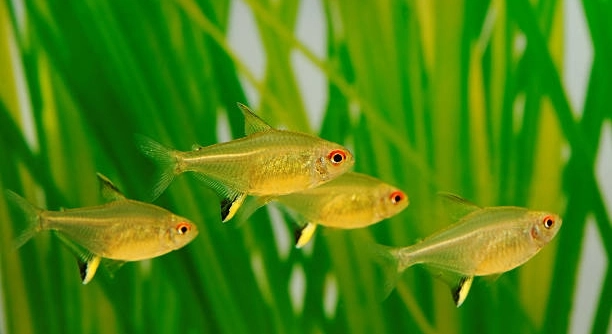
Caring for lemon tetras becomes easier when their environment supports comfort and calm behavior. A balanced tank layout helps them thrive. A thoughtful setup encourages natural movement and promotes stable long term well being overall.
The most effective way to enhance comfort for lemon tetras is by designing a tank that combines open swimming areas, secure plant clusters, and consistent water parameters. This structure supports natural activity, minimizes stress, and ensures a reliable habitat environment.
Learning how layout choices shape their behavior helps you create a peaceful space that keeps lemon tetras healthy in aquarium.
Creating Open Swimming Space
A spacious swimming area gives lemon tetras the freedom to move without feeling crowded, which supports calmer behavior and steady group dynamics. Keeping the central zone open allows them to glide smoothly while still feeling secure near plants placed along the sides. This balance helps them stay active and comfortable throughout the day. It also reduces tension within the group since they can maintain natural schooling patterns without constant obstacles. When the layout stays simple, the fish can adjust easily, making the tank feel more settled. A clear midsection also highlights their gentle color and movement, creating a relaxing view overall.
An open area works best when paired with steady lighting and minimal clutter, allowing the fish to swim confidently without stress.
Supporting this type of layout becomes easier when you keep decorations low and maintain plenty of room for the group to move. Lemon tetras respond well to gentle flow and steady space, especially when the tank avoids unnecessary congestion.
Using Dense Plant Sections
Dense plant clusters help lemon tetras feel secure by giving them shaded areas where they can rest and regulate their comfort levels. These sections reduce stress, offer visual barriers, and allow the group to retreat without feeling exposed. A mix of tall stems and compact foreground plants can soften the environment and create a peaceful rhythm that feels natural to the fish.
A planted area becomes more effective when arranged with structure and consistency. Keeping taller stems toward the back and sides helps shape the tank without blocking movement. Lemon tetras appreciate dimmer pockets created by foliage, making these sections helpful for calming their activity when needed. Adding plants like java fern, water sprite, or rotala provides a gentle texture that supports their habits without overwhelming the space. The goal is to offer protection while still preserving overall openness. Balancing these elements gives the tank a stable feel and helps the fish stay relaxed in their environment.
Adding Gentle Hiding Spots
Small hiding spots help lemon tetras feel settled by giving them places to pause without feeling trapped. Using simple structures keeps the tank calm and prevents overcrowding. These features support their need for quiet moments while still allowing you to maintain a clean, open layout they can move through easily.
Hiding areas work best when they blend naturally into the tank. Simple items like leaf litter, driftwood branches, or low caves create soft shaded zones without taking over the layout. These pockets give the fish a sense of protection while still keeping the environment open. Lemon tetras tend to drift in and out of these areas, using them as brief resting points rather than long term shelters, which makes subtle designs more effective. Keeping everything spaced apart helps maintain good flow while also encouraging the group to swim confidently.
Maintaining gentle hiding sections supports a peaceful rhythm in the tank. Lemon tetras feel more balanced when they can shift between open space and soft cover without sudden transitions. When these spots stay clean and unobtrusive, they add comfort without disrupting the layout. This combination helps the group behave naturally, reduces unnecessary stress, and keeps the environment predictable.
Balancing Light and Shade
Light and shade work together to shape how lemon tetras behave throughout the day. Soft lighting paired with dimmer zones gives them a comfortable rhythm that feels natural. Creating this balance helps reduce overstimulation and encourages steady movement across the tank.
A mix of bright and shaded sections helps lemon tetras adjust their activity with ease. Using floating plants, branches, or taller stems along the surface can soften the light without blocking visibility. This creates a gentle gradient that supports their preference for calmer spaces. When the lighting stays stable, the fish settle into smoother patterns and show more natural color. Keeping harsh glare away from the tank also lessens sudden stress responses, which helps the group stay relaxed. Proper placement of shaded areas ensures the fish have space to retreat when needed while still having clear areas to swim confidently.
Incorporating Smooth Flow Patterns
A gentle flow helps lemon tetras stay active without feeling pushed around. Soft movement keeps them comfortable and supports steady schooling. Positioning the filter output to create an even current helps the group navigate the tank with ease while avoiding strong pressure zones that disrupt their rhythm.
Keeping the flow consistent prevents sudden shifts that may startle the fish. A balanced pattern also helps maintain oxygen levels and keeps debris from settling too quickly. Lemon tetras handle mild movement well, especially when the flow spreads across the tank instead of concentrating in one spot.
Arranging Natural Decorative Elements
Natural decorations create a calm environment that feels steady and familiar. Items like driftwood, smooth stones, and soft leaf litter help soften the layout while maintaining open space for swimming. These materials add texture without overwhelming the design, supporting the fish’s comfort and making the tank feel more settled overall.
Maintaining Easy Access Areas
Clear access points help with simple maintenance and keep the tank looking clean. Lemon tetras benefit from a stable setup that stays free of clutter, allowing them to swim comfortably while you maintain the environment with minimal disruption.
FAQ
How much space do lemon tetras need to feel comfortable?
Lemon tetras stay more relaxed when they have enough room to swim freely. A group of six or more benefits from a tank of at least 20 gallons, giving them space to school without feeling crowded. Larger groups need additional room to maintain steady movement. Extra space also helps reduce stress by allowing the fish to spread out naturally and claim comfortable swimming lanes. When the tank is too small, they often become skittish or develop uneven patterns, which affects their overall comfort. A well sized tank supports healthier behavior and keeps the group calm.
Do lemon tetras need plants in their tank layout?
Plants play an important role in keeping lemon tetras settled. They provide soft shaded areas, gentle hiding spots, and natural barriers that support calm behavior. Live plants help balance light levels and soften sharp edges in the layout. The fish use these sections to rest or slow down when they need a break from the open swimming space. A mix of tall stems, floating plants, and shorter foreground plants works well. The key is to keep everything spaced and structured so the tank stays open while still offering comfort.
What type of filtration is best for a lemon tetra tank?
A gentle yet consistent filtration system helps maintain stability without creating harsh currents. Lemon tetras prefer mild flow that lets them glide easily, so a sponge filter or a canister filter with adjustable output works well. Positioning the outflow toward a wall or decoration helps soften the current. A stable filter keeps debris moving, maintains oxygen levels, and supports clean water, which is essential for their comfort. Harsh water movement can stress them, so choosing a balanced system is important for long term well being.
How important is lighting for lemon tetras?
Lighting influences how comfortable the fish feel throughout the day. Soft, steady lighting keeps them calm and supports natural behavior. Bright lights can feel overwhelming unless there are shaded zones created by plants or floating foliage. A gentle light cycle with predictable timing keeps their stress levels low. Lemon tetras show their color more clearly under consistent light that is not too harsh. Soft gradients across the tank help them choose where to rest or swim.
Why does layout consistency matter for lemon tetra comfort?
Lemon tetras respond well to stable environments. When decor constantly shifts or changes, they may become uneasy. A consistent layout helps them learn where hiding spots, open areas, and shaded sections are located. Once they recognize these zones, they move through the tank with more confidence. Stability in the layout makes it easier for them to establish natural patterns and reduces unnecessary stress from sudden changes. Keeping the tank predictable allows them to settle into a calm routine.
Can strong decorations stress lemon tetras?
Larger or visually heavy decorations can overwhelm the tank, especially when they take up too much space or block free movement. Lemon tetras prefer natural materials that blend softly into the environment. Decorations should not dominate the layout or create tight corners that trap flow. Smooth shapes, open areas, and soft textures help the fish feel more at ease. Strong or bulky decor may restrict swimming space, which disrupts their schooling patterns and leads to tension.
How often should the tank layout be adjusted?
Adjustments should stay minimal to keep the fish comfortable. Small changes for cleaning or plant trimming are fine, but frequent rearranging can disrupt their sense of stability. Lemon tetras thrive in predictable environments where they can rely on familiar spaces. Making small, careful updates keeps the tank clean without overwhelming the group. A steady layout supports their natural routines and avoids unnecessary stress.
Final Thoughts
Creating a comfortable tank for lemon tetras becomes much easier when each part of the layout works together in a calm, steady way. Their behavior improves when the space feels open, predictable, and softly sheltered. Small adjustments, like keeping the midsection clear and using plants along the sides, support smooth group movement without crowding them. Simple decorations that blend into the background help maintain a balanced feel and prevent the tank from looking heavy or overly busy. Light patterns, shaded spots, and natural textures add comfort without overwhelming the layout. When everything stays clean and thoughtfully arranged, the fish respond with steadier swimming, softer color shifts, and calmer overall behavior. Designing a space focused on comfort, stability, and clarity helps these fish settle into a peaceful rhythm that feels natural for them.
Maintaining consistency is equally important, especially when you want lemon tetras to feel secure. Sudden layout changes, strong lighting, or rough flow patterns can disturb their sense of balance, so gentle management keeps the environment predictable. Keeping hiding spots soft and simple helps them take short breaks without encouraging them to stay out of sight for long periods. Smooth flow patterns also support better oxygen levels and keep the space from feeling stagnant. Regular care such as trimming plants, clearing debris, and maintaining steady filtration ensures the tank remains stable. Small touches like choosing the right plants or adjusting the placement of decorations can influence their comfort in meaningful ways. A balanced environment supports natural activity and reduces stress, which helps the group stay healthy and vibrant for longer.
Bringing all of these layout choices together creates an environment where lemon tetras can thrive with ease. A tank that blends open areas, gentle cover, soft lighting, and controlled flow encourages them to behave more naturally. This balance helps them maintain steady schooling patterns and develop a comfortable relationship with their surroundings. When the tank offers predictable structure, they show smoother movement and more relaxed responses to daily activity. Clean lines, natural decor, and carefully shaped plant sections provide both beauty and function, making the space inviting for you and supportive for them. Paying attention to small details ensures that the tank remains a calm place for the fish and a peaceful visual space for you. By keeping each element simple, controlled, and thoughtfully placed, the environment grows into a stable habitat that helps lemon tetras feel safe and settled every day.

Hello,
If you enjoy the content that we create, please consider saying a "Thank You!" by leaving a tip.
Every little bit helps us continue crafting quality advice that supports the health, happiness, and well-being of pets around the world, for pets of all shapes, sizes, and species.
We really appreciate the kindness and support that you show us!