
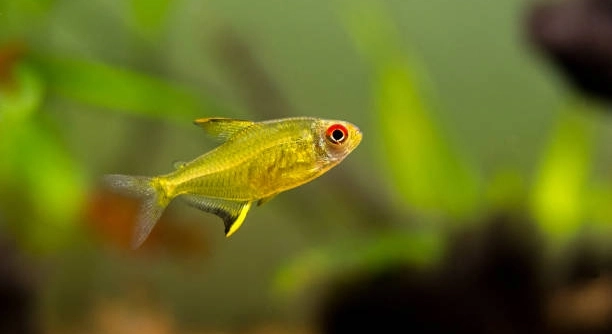
Do you enjoy keeping lemon tetras but sometimes notice behaviors that seem odd or concerning in your aquarium? These small, bright fish often display actions that are misunderstood, leading owners to misinterpret their normal activity.
Lemon tetras exhibit behaviors that may appear unusual, such as darting quickly, hiding frequently, or fin flicking. These actions are typically normal responses to environmental stimuli, social interactions, or stress, rather than indicators of illness or poor care.
Recognizing these behaviors will help you better care for your lemon tetras and create a balanced, healthy aquarium environment for them.
Rapid Darting Movements
Lemon tetras often move quickly across the tank, which can alarm owners. These rapid bursts are typically normal and serve several purposes. They can be a response to sudden changes in light or movement near the tank. Darting may also occur during feeding as the fish compete to grab food first. Social dynamics play a role, too. When tetras swim in groups, some individuals may move faster to establish their place within the school. Additionally, darting can indicate excitement or curiosity. While it may appear frantic, this behavior is generally harmless and reflects their active nature. Ensuring a stable environment with consistent lighting and hiding spaces can reduce stress-driven bursts. Observing patterns over time helps distinguish between normal activity and signs of illness. Healthy tetras will still dart occasionally, but they will also rest and swim calmly when comfortable.
This movement is typically a natural part of lemon tetra behavior and does not indicate health issues if observed in moderation.
Providing plenty of space and a well-structured tank allows tetras to express their energy without stress. Avoid overcrowding, and ensure decorations provide visual breaks. Monitoring how they interact in their school also reveals social stability. Sudden or excessive darting combined with other symptoms, like faded colors or clamped fins, can signal stress or water quality problems. However, regular bursts of energy are usually harmless and simply a display of their lively temperament. Keeping the water clean, maintaining proper temperature, and feeding small, frequent meals will support their active lifestyle. Over time, you will learn to differentiate between playful darting and behavior that may need intervention. A tank with hiding spaces, plants, and gentle lighting encourages natural exploration and reduces erratic movements. Observing interactions within the school helps owners understand which tetras may be more dominant and which prefer quieter spots.
Frequent Hiding
Lemon tetras often spend time hiding among plants or decorations. Hiding is a natural response to perceived threats, changes in the tank, or social dynamics within their school. While it may appear concerning, this behavior usually indicates the fish are seeking comfort. Providing dense planting and hiding spots helps them feel secure, reducing stress and promoting overall health. Hiding can also occur after feeding or during rest periods.
Hiding is normal and helps tetras manage stress, though sudden or prolonged concealment may need attention.
Excessive hiding often results from environmental factors rather than illness. Bright lighting, sudden movements near the tank, or aggressive tankmates can trigger this response. Tetras may also hide during acclimation periods or when adjusting to a new tank. Observing when and where they hide can provide insight into their comfort level. Ensuring adequate space, gentle water flow, and consistent feeding routines reduces unnecessary hiding. A well-structured environment allows fish to explore safely without feeling threatened. Plant coverage, caves, and decorations provide retreat spaces that mimic natural habitats. Social interactions within the school also influence hiding patterns. Dominant individuals may push others toward sheltered areas, while shy tetras naturally prefer concealed spots. Monitoring water parameters ensures that hiding is not a reaction to poor conditions. When balanced, these hiding behaviors support a healthy, confident school of lemon tetras that can swim, feed, and interact with minimal stress.
Fin Flicking
Fin flicking in lemon tetras is common and usually harmless. It can indicate excitement, social interaction, or minor irritation. Observing frequency and context helps determine if it is normal behavior or a response to stress, water conditions, or aggressive tankmates.
Frequent fin flicking often occurs when tetras interact with each other. It may signal dominance, playful behavior, or mild annoyance. In a well-maintained tank, flicking is part of their social dynamics and rarely indicates illness. Stress factors such as sudden changes in water temperature, strong currents, or overcrowding can increase this behavior. Watching the overall behavior and health of the fish provides clues about the cause. Tetras with bright colors, clear eyes, and consistent swimming patterns are likely healthy even when flicking fins.
Fin flicking can also appear after feeding or during exploration. Ensuring a stable, clean environment with proper tankmates reduces excessive flicking. Occasional flicking is normal, but constant rapid movements combined with clamped fins or lethargy may indicate stress. Adjusting tank conditions, providing hiding spots, and monitoring water quality supports healthier social interactions. Recognizing that fin flicking is usually normal helps prevent unnecessary concern and allows tetras to exhibit natural behavior comfortably.
Sudden Color Changes
Lemon tetras may show sudden changes in color that are temporary. This can reflect mood, excitement, or social positioning, rather than illness. Monitoring water quality and tank conditions is important when color changes persist or coincide with other unusual behaviors.
Color shifts often result from environmental factors or stress. Bright lighting, temperature fluctuations, or changes in tankmates can trigger temporary fading or intensifying of coloration. During feeding or interaction with other fish, colors may become more vivid. Social hierarchy plays a role; dominant tetras may display stronger colors, while submissive individuals appear paler. These variations are normal and usually reversible once the fish settles into its environment. Ensuring stable water parameters, consistent feeding, and minimal sudden disturbances supports healthy coloration and reduces prolonged stress responses.
Persistent or extreme color changes may indicate health issues, though temporary shifts are normal. Water quality, diet, and lighting all influence pigmentation. Pale or dull colors combined with lethargy or loss of appetite could signal illness, requiring attention. Otherwise, observing tetras during feeding, schooling, or resting provides context for these changes. Maintaining a stable, stress-free environment encourages natural color expression, while avoiding aggressive tankmates and overcrowding reduces unnecessary fading. Proper nutrition with a balanced diet enhances bright colors and overall vitality. Understanding these patterns helps distinguish between normal, temporary color shifts and warning signs that require intervention.
Nipping at Tankmates
Nipping is occasionally seen in lemon tetras, usually among fast-moving or fin-nipping fish. It can be a sign of playful interaction or minor territorial behavior within the school. Observing the frequency and intensity helps determine if intervention is needed.
Minor nipping often resolves naturally when tetras have enough space and hiding areas. Overcrowding or aggressive tankmates can increase this behavior. Providing plants and decorations gives fish retreat options, reducing tension.
Gulping at the Surface
Gulping at the surface can occur when tetras feed or adjust to oxygen levels. It is often a normal response rather than a sign of illness. Monitoring water quality ensures they are not stressed by low oxygen.
Hiding During the Day
Some lemon tetras hide during daylight hours even in healthy tanks. This behavior reflects their natural preference for shaded or protected areas. Providing dense plants and decorations allows them to feel secure while still swimming and interacting with their school.
Why do my lemon tetras dart around the tank so quickly?
Rapid darting is usually normal and reflects their active nature. Lemon tetras move quickly in response to environmental changes, feeding, or social interactions within their school. Short bursts of speed allow them to compete for food, explore their surroundings, and establish hierarchy among tankmates. These movements are rarely a sign of illness if the fish display bright colors, swim consistently, and rest periodically.
Why do lemon tetras hide so often?
Hiding is a natural behavior for lemon tetras. They seek shelter among plants, decorations, or shaded areas for comfort, stress reduction, and protection from perceived threats. Frequent hiding can occur during acclimation, after feeding, or when tankmates display aggressive behavior. Properly structured tanks with plenty of cover help tetras feel secure while still allowing them to swim and interact. Observing their activity patterns ensures hiding remains a healthy, normal behavior rather than a response to stress or poor conditions.
What causes fin flicking in lemon tetras?
Fin flicking often results from excitement, social interaction, or mild irritation. It is a common behavior in a healthy school and reflects normal social dynamics. Environmental factors such as sudden movements near the tank, changes in lighting, or water flow may also trigger flicking. Occasional flicking is not a cause for concern, but persistent, rapid flicking combined with clamped fins or lethargy may indicate stress or poor water quality. Monitoring interactions and maintaining stable tank conditions supports healthy behavior.
Why do my lemon tetras change color suddenly?
Color changes in lemon tetras are often temporary and linked to mood, social position, or environmental factors. Bright lighting, temperature fluctuations, and interactions with other fish can cause fading or intensification of coloration. Dominant individuals may display stronger colors, while shy or stressed tetras appear paler. Temporary color changes are normal, but persistent dullness paired with lethargy, clamped fins, or loss of appetite could indicate health issues. Maintaining clean water, proper temperature, and a balanced diet supports natural color expression.
Is nipping normal among lemon tetras?
Nipping occurs occasionally and is usually mild. It can be a sign of playful interaction, minor territorial behavior, or establishing hierarchy within the school. Overcrowded tanks or aggressive tankmates may increase nipping. Providing plants, decorations, and sufficient swimming space reduces tension and prevents serious injury. Observing the intensity and frequency of nipping helps distinguish between normal social behavior and problematic aggression.
Why do my lemon tetras gulp at the surface?
Surface gulping is often a normal feeding response or a way to adjust to oxygen levels in the water. Healthy tetras will alternate between normal swimming and occasional surface activity. Persistent gulping combined with lethargy, rapid gill movement, or gasping could indicate low oxygen, poor water quality, or disease. Regular water changes, proper filtration, and aeration help maintain oxygen levels and reduce surface gulping.
Do lemon tetras need hiding spots even if they seem active?
Yes. Even active tetras benefit from shaded or protected areas. Hiding spots allow fish to rest, feel secure, and reduce stress from social interactions or environmental changes. Tanks with plants, caves, and decorations mimic their natural habitat, promoting a healthy and confident school. Observing the balance between hiding and active swimming helps ensure tank conditions meet their needs.
Can frequent hiding or darting indicate illness?
Occasional hiding or darting is typically normal. However, when these behaviors are extreme, combined with faded colors, clamped fins, loss of appetite, or lethargy, they may signal stress, poor water quality, or disease. Regular monitoring, stable water conditions, and proper nutrition are essential for maintaining healthy, active lemon tetras.
How can I reduce stress-related behaviors in my lemon tetras?
Providing adequate space, stable water parameters, proper lighting, and hiding spots reduces stress. Avoid sudden movements near the tank and overcrowding. Proper social dynamics within the school, consistent feeding routines, and a clean environment encourage normal behaviors such as swimming, resting, and occasional darting without excessive hiding or fin flicking.
How do I know if my lemon tetras’ behavior is normal?
Normal behavior includes active swimming, occasional darting, fin flicking, social interactions, and brief hiding. Fish should maintain bright colors, clear eyes, and regular feeding habits. Deviations such as prolonged hiding, constant rapid movements, color fading, or clamped fins may indicate stress or illness and require checking water quality and tank conditions. Monitoring patterns over time helps distinguish between healthy, natural behaviors and those needing attention.
Are some lemon tetras more prone to misunderstood behaviors?
Yes. Individual personalities vary, and some fish are naturally more timid, dominant, or active. Shy tetras may hide more often, while dominant ones display stronger colors and occasional nipping. Recognizing individual tendencies helps owners provide proper care and ensures all fish coexist comfortably in the same environment.
Lemon tetras are small, lively fish that bring color and activity to any freshwater aquarium. While they are generally hardy and easy to care for, their behaviors can often be misunderstood by owners, especially those new to keeping them. Many of the actions lemon tetras exhibit, such as darting across the tank, hiding frequently, flicking their fins, or changing color, are normal and reflect their natural instincts. These behaviors are not always signs of illness or poor care. Understanding their habits is important because it allows owners to create an environment that meets their physical and psychological needs. Observing the context of their actions over time, rather than reacting to each sudden movement or color change, helps identify what is truly normal. Lemon tetras are social fish that thrive in schools, and their interactions with each other can explain many behaviors that might otherwise be misinterpreted.
Providing a stable, well-maintained aquarium is key to supporting healthy behaviors in lemon tetras. This includes maintaining clean water with proper filtration, monitoring temperature, and performing regular water changes. Adequate space is also essential, as overcrowding can cause stress, excessive darting, or even nipping at tankmates. Adding decorations, plants, and hiding spots allows tetras to feel secure while giving them room to explore. The arrangement of the tank should allow for both open swimming areas and sheltered spaces, reflecting their natural preference for both activity and retreat. Feeding a balanced diet on a regular schedule supports vibrant colors, consistent energy, and overall well-being. Recognizing that some behaviors, such as fin flicking or brief surface gulping, are natural responses to their environment helps reduce unnecessary worry. By providing these essentials, owners can encourage normal, healthy interactions within the school and create a comfortable, low-stress habitat.
Understanding lemon tetra behavior also involves acknowledging that each fish has a unique personality. Some may be more timid, spending more time in hiding or remaining on the edges of the school, while others may be dominant, showing brighter colors and occasional nipping. Both personality types are normal and can coexist in a balanced school if the tank is properly structured. Observing these individual differences helps owners provide care tailored to the needs of all fish in the aquarium. By paying attention to their patterns, responding to environmental cues, and maintaining consistent care routines, owners can ensure their lemon tetras remain healthy, active, and confident. These small fish, when well cared for, offer an engaging and vibrant display of natural behaviors that, while sometimes misunderstood, reflect their adaptability and social nature. Learning to recognize and respect these behaviors makes the aquarium experience more rewarding and fosters long-term health for the fish.

Hello,
If you enjoy the content that we create, please consider saying a "Thank You!" by leaving a tip.
Every little bit helps us continue crafting quality advice that supports the health, happiness, and well-being of pets around the world, for pets of all shapes, sizes, and species.
We really appreciate the kindness and support that you show us!