
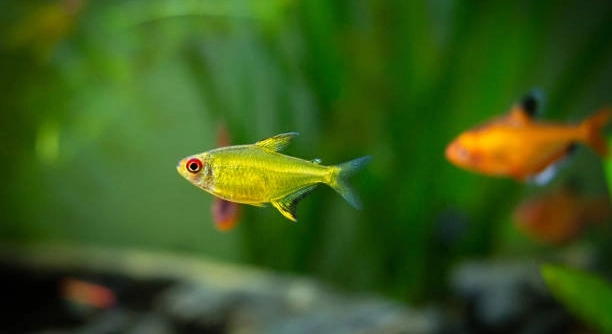
Many aquarists enjoy keeping Arowanas because of their striking colors and elegant swimming patterns. Observing them glide gracefully in a tank can be calming and rewarding, especially when they appear healthy and active.
Arowanas require ample swimming space to maintain proper health and prevent stress-related behaviors. Insufficient tank size can lead to stunted growth, weakened immunity, and abnormal swimming patterns, making it crucial to provide a sufficiently large and well-maintained aquatic environment.
Recognizing the early signs of restricted space can help improve your Arowana’s quality of life and prevent potential long-term health issues.
Limited Swimming Range
When an Arowana has too little space to move freely, it often restricts itself to short, repetitive motions. You may notice the fish gliding back and forth in a small area, rarely exploring the rest of the tank. This behavior can indicate that the tank is too small for its size, limiting both physical exercise and natural behavior. Over time, limited movement may affect muscle development and overall health. It can also increase stress levels, making the fish more susceptible to illness. Observing your Arowana closely can help you notice these patterns before they become serious problems. Ensuring a tank with adequate length and width allows the fish to swim smoothly, turn comfortably, and perform natural hunting or exploratory motions. Even a slightly larger tank can dramatically improve the fish’s well-being and behavior. Maintaining proper water flow and clean conditions complements the extra space for better overall health and activity.
Restricted swimming often leads to visible stress signals and decreased activity.
Providing enough room ensures your Arowana maintains strength, stamina, and natural movement, keeping its health and behavior optimal over time.
Frequent Collisions
Arowanas in cramped tanks may frequently bump into walls, decorations, or other objects. These collisions can cause physical injuries like torn fins or scales, as well as bruising or stress. The fish may appear hesitant, startle easily, or become more aggressive toward other tank mates. Signs of frequent collisions include small wounds, scratched scales, and erratic swimming patterns that suggest discomfort or confusion. Observing the fish’s daily movements can reveal how often it runs into obstacles, helping determine whether the tank is adequately sized or overcrowded.
Frequent collisions indicate that your Arowana needs a larger, more open environment to move safely.
When the tank does not offer enough space for smooth navigation, Arowanas may repeatedly hit hard surfaces or decorations. This not only affects physical health but also increases stress levels. Chronic stress can weaken the immune system, making the fish more prone to disease. Over time, injuries from collisions may heal poorly, especially if water quality is suboptimal. Adjusting the tank size, rearranging decorations, or removing unnecessary obstacles can significantly reduce collisions. A well-planned, spacious setup allows the Arowana to swim freely, explore the tank naturally, and exhibit normal behaviors. Proper space also improves mental stimulation, reducing aggression and boredom. Maintaining a clean, obstacle-free swimming area is essential for their long-term health and ensures that the fish grows to its full potential while remaining active and strong.
Reduced Appetite
Arowanas confined in small tanks may show a noticeable drop in appetite. Limited space can stress the fish, making it less willing to eat or explore for food.
Stress from cramped conditions directly affects feeding behavior. When an Arowana feels trapped, it may swim less and ignore regular feeding schedules. Over time, reduced food intake can lead to slower growth, weaker immunity, and a decline in overall vitality. Ensuring the tank has enough space allows the fish to swim comfortably, reducing stress and restoring normal eating habits. Additionally, observing feeding times closely can help identify whether tank size is affecting appetite. Supplementing the diet with high-quality pellets and occasional live food in a spacious tank encourages healthier eating and maintains energy levels for proper development.
Even if food is available, a stressed Arowana may refuse to eat. Consistent observation and tank adjustments are necessary to restore normal feeding patterns and maintain health.
Aggressive Behavior
Arowanas in restricted spaces often display increased aggression toward tank mates or even their reflection. Limited swimming area can trigger territorial instincts and frustration, causing biting or chasing behaviors.
Aggression stems from a lack of personal space. When the tank is too small, Arowanas cannot escape perceived threats or rivals, heightening stress and irritability. Continuous conflicts or attempts to dominate space can lead to injuries, damaged fins, and constant stress. Ensuring a larger tank minimizes these confrontations and allows each fish to establish its own territory safely. Separating aggressive individuals or providing visual barriers also helps. Space not only reduces aggression but promotes mental stimulation and natural behavior, allowing the fish to explore without feeling cornered. Proper tank size paired with structured décor encourages calmer interactions and healthier social dynamics.
Providing adequate swimming space and careful tank management reduces tension, creating a more peaceful and balanced aquatic environment for all inhabitants.
Lethargy
Arowanas in small tanks may appear unusually inactive, spending long periods near the bottom or hiding. Limited space reduces opportunities for swimming, which can lead to lethargy.
Lethargy is often a response to stress and insufficient exercise. Arowanas need room to move freely to stay healthy and energetic.
Erratic Swimming
Cramped tanks can cause Arowanas to swim unpredictably, darting or spinning suddenly. These movements often indicate frustration or disorientation caused by limited space.
Stunted Growth
When an Arowana does not have enough swimming space, its physical development can slow. Restricted movement limits muscle growth and overall size, even if the fish receives proper nutrition.
Avoiding Interaction
A stressed Arowana may hide or avoid human presence. Limited space can make the fish feel trapped, reducing curiosity and interaction.
How do I know if my Arowana needs a bigger tank?
Signs that your Arowana needs more space include restricted swimming, frequent collisions, lethargy, reduced appetite, aggressive behavior, and stunted growth. Observing these patterns over time can help you determine whether the tank is too small. Monitoring daily activity and overall health provides a clear picture.
What is the minimum tank size for an adult Arowana?
Adult Arowanas require at least 250 to 300 gallons with sufficient length and width to swim comfortably. Longer tanks are preferable because Arowanas are large, active fish that need room to glide. Tank height is less critical than horizontal space, but it should allow free vertical movement.
Can a tank that is too small harm my Arowana long-term?
Yes. Limited space can cause chronic stress, stunted growth, weakened immunity, and abnormal swimming behavior. Over time, this may result in injuries from collisions, reduced appetite, and even susceptibility to diseases. Proper tank size is essential for maintaining long-term health and vitality.
How can I reduce aggressive behavior in my Arowana?
Providing enough swimming space reduces territorial disputes. Removing excessive decorations or obstacles can help the fish navigate freely. Introducing visual barriers or separate zones for multiple fish also limits confrontations. Regular observation helps identify signs of aggression early, allowing adjustments before injuries occur.
Is stunted growth reversible if I upgrade the tank?
Growth may improve with a larger tank, but previous stunting might not fully reverse. The fish will benefit from increased space for swimming, exercise, and healthier behavior, which can improve overall condition. Early intervention is always more effective in preventing permanent effects.
How often should I monitor my Arowana’s behavior?
Daily observation is recommended. Watch for changes in swimming patterns, appetite, interaction, and stress signals. Noticing early signs of discomfort allows prompt action, preventing potential health problems caused by insufficient space.
Are there signs that indicate immediate action is needed?
Frequent collisions, severe lethargy, rapid loss of appetite, or persistent aggression are urgent signals. These behaviors indicate that the tank is significantly restricting movement, and upgrading to a larger tank should be prioritized to prevent injury or illness.
Can tank decorations affect my Arowana’s swimming space?
Yes. Overcrowded or poorly placed decorations can limit movement and cause collisions. Arranging or reducing obstacles helps create open swimming areas. Proper placement allows the fish to explore safely while minimizing stress and accidents.
Does water quality impact behavior related to space?
Poor water quality can worsen stress and lethargy, making restricted space more harmful. Maintaining clean, properly filtered water supports overall health and helps Arowanas use available space effectively. Regular water changes and monitoring are essential alongside tank size adjustments.
How can I make a small tank more comfortable temporarily?
If immediate upgrading isn’t possible, remove unnecessary decorations, provide clear swimming pathways, and reduce stressors like excessive light or overcrowding. While not a permanent solution, these steps can help minimize negative effects until a larger tank becomes available.
Can multiple Arowanas live in the same tank safely?
Only if the tank is very large with ample space for each fish to establish territory. Smaller tanks increase stress and aggression, leading to injuries. Careful observation and proper space management are critical when housing multiple Arowanas together.
How important is tank length versus height for Arowanas?
Length is more important than height. Arowanas swim horizontally, so providing ample horizontal space allows natural movement, reduces collisions, and supports exercise. Height matters less but should be sufficient for vertical turns and jumps, especially in aggressive or active individuals.
What are some simple signs of stress in Arowanas?
Stress can show as erratic swimming, hiding, loss of appetite, or frequent collisions. Other indicators include faded coloration, fin damage, or constant pacing. Recognizing these signs early helps address tank size or environmental issues before serious health problems arise.
How often should tank upgrades be considered?
Tank upgrades should be considered whenever the Arowana outgrows its current space, displays signs of stress, or shows limited swimming. Regularly assessing the fish’s size and behavior ensures the environment remains suitable for long-term health and activity.
Can I provide exercise opportunities without a larger tank?
Limited options exist, but you can rearrange decorations to create open swimming lanes or temporarily increase water flow for more movement. While these adjustments help slightly, a larger tank remains the most effective solution for proper exercise and growth.
Are all Arowanas equally sensitive to limited space?
Larger species or highly active individuals are more affected by small tanks. Some may tolerate slightly smaller setups temporarily, but all Arowanas require sufficient space to swim, exercise, and maintain health. Early observation ensures appropriate adjustments before issues develop.
What is the most important factor in preventing space-related problems?
Providing a tank with enough horizontal swimming room is the key factor. Adequate length, minimal obstacles, clean water, and proper observation create an environment that supports physical health, natural behavior, and mental well-being. Regularly reviewing the setup ensures ongoing suitability.
How can I transition my Arowana to a bigger tank safely?
Introduce the fish slowly, ensuring water parameters match between tanks. Acclimate gradually to reduce stress. Arrange the new tank with open swimming areas and minimal obstacles to immediately benefit from the increased space. Monitor behavior closely during the first days for adjustment.
What are the long-term benefits of sufficient swimming space?
Larger tanks support natural swimming, reduce stress, encourage healthy growth, prevent injuries, and improve appetite and immune function. Arowanas remain active, display normal behaviors, and interact more naturally with their environment. Providing enough space ensures both physical and mental well-being for years.
How can I balance tank decorations with swimming space?
Keep decorations minimal and strategically placed to avoid obstructing movement. Use visual barriers or plants along walls rather than the center of the tank. This approach maintains open swimming lanes while still creating an aesthetically pleasing and stimulating environment.
Can a cramped tank affect breeding behavior?
Yes. Limited space increases stress and reduces natural swimming behaviors, which can negatively impact mating instincts and breeding success. Providing ample space encourages normal reproductive behavior and healthier offspring.
How do I prioritize space if my tank is limited in size?
Focus on horizontal room first. Remove unnecessary obstacles, create open swimming lanes, and avoid overcrowding. Prioritizing movement space over decoration ensures the Arowana can swim comfortably, reducing stress and supporting physical development.
Is upgrading to a bigger tank the only solution?
While minor adjustments like clearing space or rearranging decorations can help temporarily, a larger tank is the most effective long-term solution. Adequate swimming space directly impacts health, behavior, and lifespan, making it a necessary investment for serious care.
How can I track improvements after upgrading the tank?
Observe swimming patterns, appetite, social interactions, and activity levels. Improved behavior, reduced collisions, and increased energy indicate that the larger space positively affects the Arowana’s well-being. Keeping notes helps track changes over time and ensures continued suitability of the environment.
What are common mistakes when adjusting tank space?
Overcrowding with decorations, ignoring horizontal space, failing to monitor water quality, and underestimating adult size are frequent errors. Addressing these mistakes ensures the Arowana benefits fully from the available swimming area. Proper planning and observation prevent setbacks after upgrades.
Can other fish species help Arowanas feel comfortable in limited space?
Adding compatible species does not compensate for limited swimming room. It can sometimes increase stress or aggression if space is insufficient. Ensuring adequate tank size remains the primary solution, with tank mates chosen carefully once space allows safe interaction.
How quickly will an Arowana adapt to a bigger tank?
Adaptation varies but usually occurs within a few days to a week. The fish will begin exploring more, swimming freely, and showing improved appetite and reduced stress. Close monitoring during this period ensures they adjust safely and comfortably.
What should I do if signs persist after upgrading?
Persistent stress, aggression, or lethargy may indicate other issues like water quality, illness, or tank setup problems. Evaluate filtration, temperature, and health, and adjust accordingly. Addressing environmental and health factors ensures the benefits of the larger tank are realized fully.
Providing arowanas with enough swimming space is essential for their health and overall well-being. These fish are large, active, and naturally require room to move freely, turn comfortably, and display natural behaviors. A tank that is too small can lead to several problems, including stunted growth, lethargy, stress, and aggression. Even if the water quality is perfect and the diet is adequate, limited space can prevent the fish from thriving. Observing daily behavior, such as swimming patterns, appetite, and interaction with the environment, is important in identifying early signs that the tank may no longer meet the arowana’s needs.
Upgrading a tank or creating more open swimming areas can make a noticeable difference in your fish’s health and behavior. Large, horizontal space allows the arowana to swim naturally and exercise its muscles, reducing the risk of physical injuries from collisions with tank walls or decorations. Stress is also minimized, which supports immunity and encourages a normal appetite. Even small changes, like rearranging decorations or removing unnecessary obstacles, can help temporarily, but long-term health requires a sufficiently sized tank. Observing changes in behavior after these adjustments can guide you in ensuring the fish adapts comfortably and benefits fully from the additional space.
Ultimately, caring for an arowana involves attention to both environmental and physical needs. Providing adequate swimming space is one of the most critical factors for ensuring a long, healthy life. Regular observation and prompt action when signs of restricted space appear help prevent long-term health problems and behavioral issues. Investing in a properly sized tank shows commitment to the fish’s well-being and allows it to display natural, graceful swimming patterns. Ensuring the right space, along with clean water and proper nutrition, creates an environment in which your arowana can grow, remain active, and maintain strong health over time.

Hello,
If you enjoy the content that we create, please consider saying a "Thank You!" by leaving a tip.
Every little bit helps us continue crafting quality advice that supports the health, happiness, and well-being of pets around the world, for pets of all shapes, sizes, and species.
We really appreciate the kindness and support that you show us!