
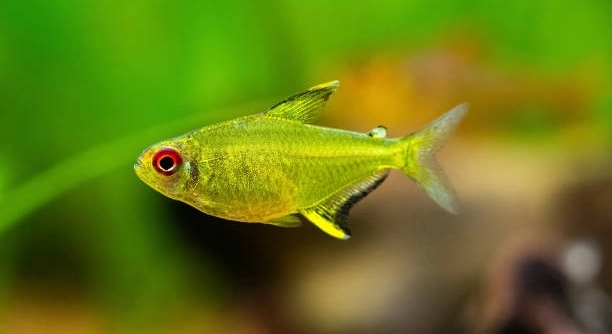
Lemon tetras are small, bright freshwater fish that often catch the eye with their yellow tones and shimmering bodies. Many fishkeepers notice their colors and wonder what factors might affect these vibrant shades in everyday life.
Lemon tetras do not change color based on mood. Their color variations are influenced by health, diet, lighting, and stress, rather than emotions. Maintaining optimal water conditions and a balanced diet helps preserve their natural coloration consistently.
Observing the subtle changes in your lemon tetra’s colors can reveal important insights about their environment and overall well-being.
Why Lemon Tetras Change Color
Lemon tetras can show different shades of yellow depending on several factors. Lighting plays a major role, as brighter light can make their colors appear more vivid while dim lighting may dull their appearance. Diet is another key factor. Foods rich in carotenoids, such as certain flakes or frozen foods, can enhance their yellow hues. Stress also impacts coloration. Sudden changes in water temperature, poor water quality, or aggressive tank mates can make their colors look faded or less vibrant. Additionally, age can affect how intense their coloration is. Younger tetras may appear paler, and colors typically deepen as they mature. Keeping the tank clean and stable with regular water changes helps maintain both their health and their color. Observing your tetras over time will show how these factors influence the subtle shifts in their appearance, helping you ensure they remain healthy and bright.
Maintaining a consistent environment helps your lemon tetras retain their natural colors over time.
Color changes often signal health or environmental issues rather than emotions. Monitoring water parameters, temperature, and diet carefully supports their natural vibrancy and long-term well-being.
Common Signs of Stress in Lemon Tetras
Stress in lemon tetras is easy to notice if you pay attention. Signs include clamped fins, hiding frequently, or swimming erratically. Color fading is also a strong indicator.
Stress comes from various sources, including poor water conditions, sudden changes in temperature, overcrowding, or aggressive tank mates. Even small fluctuations in pH or hardness can make tetras uneasy. Observing their behavior daily helps detect early signs of stress. Providing plenty of hiding spots and plants can create a safer environment. Ensuring consistent feeding schedules and avoiding sudden changes in lighting or tank setup reduces tension. Overcrowding is a frequent issue in community tanks, so keeping numbers appropriate allows each tetra space to swim and explore. Regular water testing for ammonia, nitrite, nitrate, and pH is crucial to prevent stress-related health problems. When you identify signs early, adjustments can restore stability. Healthy tetras display active swimming, bright colors, and normal social behavior, making a well-managed aquarium more enjoyable for observation.
How Diet Affects Lemon Tetra Color
A balanced diet is essential for maintaining the bright yellow color of lemon tetras. Foods rich in carotenoids and vitamins directly influence pigmentation and overall health. Feeding a mix of flakes, frozen foods, and occasional live foods helps preserve their natural vibrancy.
High-quality flakes provide essential nutrients, while frozen foods like brine shrimp or daphnia offer protein and carotenoids that support color intensity. Occasional live foods can encourage natural hunting behavior and add variety to their diet. Overfeeding, however, can lead to water quality issues that indirectly affect coloration. It’s important to feed small portions several times a day rather than one large meal. Consistency in feeding habits allows the fish to maintain steady energy levels and bright colors. Monitoring how your tetras respond to different foods can help optimize their diet and ensure they remain healthy and visually striking over time.
Lemon tetras that lack proper nutrients may appear dull or pale. Maintaining a varied diet keeps them vibrant and energetic.
The Role of Tank Conditions
Stable water conditions are critical for color maintenance in lemon tetras. Fluctuations in temperature, pH, or hardness can make their colors fade quickly. Proper filtration and regular water changes help maintain stability and clarity.
Water quality directly affects both health and appearance. Ammonia, nitrite, and nitrate levels need to remain low, as high levels cause stress and dull colors. Temperature should be kept consistent, ideally between 72°F and 78°F, to support metabolic function and color expression. Providing live plants and hiding spots reduces stress, giving tetras a safe environment to display their natural shades. Regular monitoring with test kits ensures early detection of changes, allowing timely corrections. Even small improvements, like adding gentle lighting or maintaining moderate flow, can enhance color vibrancy. Consistent care, including proper feeding and environmental maintenance, creates conditions where lemon tetras can thrive and maintain their bright, natural yellow tones.
Lighting and Its Impact
Lighting directly affects how lemon tetras display their colors. Bright, consistent lighting enhances yellow hues, while dim or uneven lighting can make them look dull. Positioning the tank away from direct sunlight also prevents stress and color fading.
A regular day-night cycle helps tetras maintain natural rhythms. Around 8–10 hours of light per day is ideal. Too much artificial light may cause stress, while too little can reduce activity and vibrancy. Adjustable LED lights or timers make it easier to create a stable environment, allowing the fish to display their best coloration consistently.
Age and Maturity
Younger lemon tetras often have paler coloration compared to adults. Their yellow shades deepen as they grow and mature, usually within the first few months of life.
Social Behavior and Color
Lemon tetras are schooling fish, and their interactions affect how they show color. Active and comfortable groups display brighter colors, while isolated or stressed fish appear faded.
Monitoring Health for Color Maintenance
Observing behavior, appetite, and fin condition helps track overall health. Healthy tetras maintain vibrant yellow shades, while illness can quickly dull colors.
FAQ
Do lemon tetras change color when stressed?
Yes, stress can cause lemon tetras to appear dull or less vibrant. Factors like poor water quality, sudden temperature shifts, overcrowding, or aggressive tank mates can trigger stress. Faded colors are often one of the first signs that something in their environment needs attention. Ensuring stable water conditions, proper tank size, and calm surroundings helps maintain bright coloration.
Can diet improve the color of lemon tetras?
Absolutely. A diet rich in carotenoids and essential nutrients directly supports their yellow hues. High-quality flake foods, frozen brine shrimp, daphnia, and occasional live foods provide protein and pigments that enhance coloration. Consistent, balanced feeding routines help sustain vibrant colors over time.
Does tank lighting affect lemon tetra coloration?
Yes, lighting plays a significant role in how their colors are perceived. Bright, stable lighting enhances yellow shades, while dim or inconsistent lighting can make them appear pale. A regular day-night cycle of around 8–10 hours of light keeps them healthy and allows natural coloration to show.
Do lemon tetras change color with age?
Young lemon tetras often appear paler than adults. Their colors gradually deepen as they mature, usually reaching full vibrancy within the first several months. Proper diet and tank conditions during growth are essential for achieving the brightest natural colors.
Will adding more fish affect their color?
Lemon tetras are schooling fish, and having at least six together encourages social behavior that enhances color. Isolation or insufficient group size can lead to stress, causing faded colors. Maintaining appropriate numbers supports both well-being and vibrant coloration.
Can poor water quality make them lose color?
Yes. High levels of ammonia, nitrite, or nitrate can stress fish and dull their yellow hues. Regular water testing, proper filtration, and partial water changes help maintain stable conditions that keep colors bright and fish healthy.
Does tank decoration influence their color?
Yes, tank environment can affect perceived color. Live plants and natural hiding spots reduce stress, allowing tetras to display their best hues. Bare or overly bright tanks can make fish appear less vibrant due to constant exposure or lack of shelter.
Are there any health issues that cause permanent color loss?
Certain illnesses, parasites, or long-term stress can permanently dull coloration. Early detection is important. Observing appetite, activity levels, and fin condition helps identify problems quickly. Prompt treatment and environmental adjustments often restore health and color.
Can water temperature impact color?
Yes. Lemon tetras thrive in stable temperatures between 72°F and 78°F. Sudden drops or spikes can cause stress, leading to temporary color fading. Using a reliable heater and monitoring daily prevents temperature-related stress and keeps colors consistent.
Do genetics play a role in coloration?
Genetics determine the potential intensity of a lemon tetra’s yellow shades. Some individuals naturally display brighter colors, while others are slightly paler. While care, diet, and environment enhance color, genetics set the baseline for how vibrant each fish can appear.
How often should I feed them for optimal color?
Small, frequent feedings two to three times a day are ideal. Overfeeding can reduce water quality, indirectly dulling color, while underfeeding can lead to nutrient deficiencies. Consistency in feeding routines ensures energy levels and coloration remain strong.
Will changing tank mates affect their color?
Aggressive or overly active tank mates can stress lemon tetras, causing colors to fade. Peaceful community fish that occupy different areas of the tank allow tetras to feel safe, swim freely, and maintain bright coloration.
Can stress from moving the tank affect color?
Yes, relocation or major rearrangements can temporarily dull color. Lemon tetras need time to adjust. Minimizing sudden changes and keeping water conditions stable during transitions helps them recover their vibrancy faster.
Is there a way to permanently enhance color naturally?
While genetics set limits, consistent care, a balanced diet, proper lighting, and stable water conditions help fish reach their maximum natural color. Avoid artificial dyes or color-enhancing chemicals, as they can harm health and stress the fish.
How can I tell if color fading is serious?
Observe other signs like reduced activity, clamped fins, loss of appetite, or abnormal swimming. If fading accompanies these symptoms, it may indicate stress or illness that requires immediate attention. Regular monitoring of behavior and water quality helps catch issues early.
Do seasonal changes affect coloration?
Seasonal changes can affect lighting and water temperature if the aquarium is near windows or without a controlled heater. Maintaining stable conditions year-round prevents these fluctuations from impacting color and stress levels.
Is bright color an indicator of overall health?
Generally, yes. Vibrant colors usually indicate good health, proper nutrition, and low stress. However, genetics and age must also be considered, as some naturally paler fish may still be healthy.
Can adding supplements improve color?
Certain supplements, like those containing carotenoids or vitamins, can enhance color when used appropriately. They should complement a balanced diet rather than replace proper nutrition. Overuse or improper dosing can negatively affect water quality and health.
Does schooling behavior influence color display?
Yes, lemon tetras show their brightest colors when in groups. Social interactions reduce stress, encourage activity, and make colors more visible. Isolated fish often appear dull, while comfortable schooling fish display maximum vibrancy and natural patterns.
How long does it take to see color improvement after changes?
Improvements in color from diet, water quality, or environment typically appear within a few days to a couple of weeks. Consistency in care is crucial, and gradual changes allow fish to adapt without stress, resulting in steady, noticeable color enhancement.
Lemon tetras are small, bright freshwater fish that can bring life and color to any aquarium. Their yellow hues are naturally appealing, but many people notice subtle changes over time and wonder what influences these shifts. While these fish do not change color based on mood, their appearance is highly affected by environmental factors, diet, health, and social conditions. Paying attention to these elements can help ensure your lemon tetras maintain their natural vibrancy. For example, consistent water quality, a balanced diet rich in essential nutrients, and stable temperature are all important for preserving bright colors. Lighting also plays a role, as properly timed and moderate illumination helps bring out their best shades without stressing the fish. Observing your tetras daily allows you to notice any fading or changes quickly, making it easier to respond before problems become serious.
Social behavior is another key factor in how lemon tetras display color. These fish are schooling creatures, and being in a comfortable group allows them to feel safe and active. When isolated or stressed by aggressive tank mates, they may appear dull, even if all other conditions are ideal. Providing enough space, hiding spots, and a proper group size helps reduce stress and encourages natural behavior. Additionally, young lemon tetras often have paler colors, which gradually intensify as they mature. Understanding that age and genetics set the baseline for coloration can help manage expectations while guiding care practices. Consistency in feeding, maintaining water conditions, and offering a secure environment all contribute to overall health, which is directly reflected in their coloration. Monitoring for signs of stress or illness, like clamped fins, unusual swimming, or loss of appetite, is crucial for maintaining bright and healthy tetras.
Overall, keeping lemon tetras vibrant requires a combination of careful observation, proper nutrition, stable water conditions, and social considerations. Their coloration is a reflection of both their genetic potential and the quality of care they receive. By providing a suitable environment with clean water, balanced food, and proper lighting, it is possible to support their natural colors and promote healthy behavior. Regular attention to tank conditions and group dynamics ensures that lemon tetras remain active and visually striking. While they do not change color with mood, paying attention to the factors that influence their appearance can prevent stress and support overall well-being. Caring for these fish with consistent routines and mindful observation allows you to enjoy their natural beauty and keeps them thriving in a safe, stable environment.

Hello,
If you enjoy the content that we create, please consider saying a "Thank You!" by leaving a tip.
Every little bit helps us continue crafting quality advice that supports the health, happiness, and well-being of pets around the world, for pets of all shapes, sizes, and species.
We really appreciate the kindness and support that you show us!