
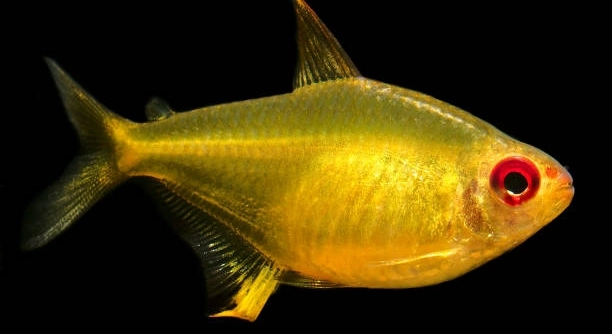
Lemon tetras are small, lively fish that bring color and movement to any aquarium. They can be picky eaters, often avoiding foods they are not familiar with. Introducing new foods requires patience and care.
To get lemon tetras to eat new foods, gradually mix the unfamiliar food with their regular diet. Offer small portions at consistent times and observe their behavior. Maintaining water quality and minimizing stress also increases the likelihood of acceptance.
These methods can help your tetras adapt to a varied diet while keeping them healthy and active in their aquatic environment. Following the right steps ensures their long-term well-being.
Understanding Lemon Tetra Feeding Habits
Lemon tetras are naturally cautious with new foods. They rely on their instincts to determine what is safe to eat, often sticking to familiar options. Observing their regular feeding patterns is essential before introducing anything new. They tend to eat small amounts multiple times a day rather than one large meal, which can make sudden changes disruptive. Gradually incorporating new foods allows them to adapt without stress. Temperature, water quality, and lighting also play a role in their willingness to try new foods. Providing a consistent environment helps reduce anxiety and encourages experimentation. Some lemon tetras may be more adventurous, while others need repeated exposure before they accept a new diet. Using live or frozen foods can help stimulate their natural hunting instincts. Patience is crucial, as forcing new foods can cause them to refuse eating altogether. Tracking their responses over several days gives a clear picture of what works best.
Regular observation is key for adjusting feeding strategies to each fish’s needs.
Introducing new foods slowly ensures lemon tetras maintain balanced nutrition while staying stress-free and active. Repetition and consistency build their comfort with different options.
Using Live and Frozen Foods
Live and frozen foods can spark interest in picky lemon tetras.
Offering daphnia, brine shrimp, or bloodworms encourages natural feeding behaviors. These foods mimic what tetras would hunt in the wild, activating their instincts and making them more willing to try new items. Start by mixing small amounts with their regular flakes or pellets, gradually increasing the proportion over several days. Frozen foods should be thawed properly and rinsed to remove excess ice or liquid, preventing water contamination. Rotating different types of live or frozen foods keeps mealtime interesting and prevents nutritional gaps. Consistency is important; offering these foods at the same time each day helps the tetras anticipate feeding and reduces stress. Observing their reaction is crucial—some fish may initially ignore the food but accept it after repeated exposure. Avoid overfeeding, as leftover food can pollute the tank and affect water quality. By balancing their usual diet with live and frozen options, lemon tetras can enjoy a varied, healthy diet that promotes growth, activity, and vibrant coloration.
Gradual Food Introduction
Introducing new foods gradually increases acceptance in lemon tetras. Mix small portions of the new food with their regular flakes or pellets to ease the transition.
Start with tiny amounts of the unfamiliar food mixed with their usual diet. Over several days, slowly increase the ratio of new food while observing their reactions. If tetras show hesitation, maintain the current proportion longer before increasing it. This method reduces stress and prevents sudden refusal. Feeding at consistent times also helps them associate new foods with safety. Keep the tank environment stable, as sudden changes in water or lighting can interfere with their willingness to try new items. Patience and observation are key to a smooth introduction.
Repeated exposure is essential. Lemon tetras often need multiple feedings with the same new food before fully accepting it. Mixing it with favorite foods or offering live options enhances their interest, gradually leading to a balanced and varied diet.
Offering Small Portions
Small portions encourage tetras to explore new foods without overwhelming them.
Feeding tiny amounts several times a day allows lemon tetras to test new foods without feeling threatened. Large portions can lead to uneaten food, water quality issues, and stress. By offering small quantities, you create a controlled environment where fish can gradually adapt. Observing how they interact with the food provides insight into their preferences and timing for future feedings. Adjust portion sizes based on the number of tetras and their activity levels. Consistency helps them develop a routine and reduces the likelihood of rejecting new foods.
Splitting their daily feeding into multiple small portions also minimizes waste and keeps water quality high. This method encourages natural foraging behavior, allowing tetras to explore the new food gradually. Over time, their confidence increases, making them more willing to try additional foods. Combining small portions with live or frozen options further stimulates their appetite and supports overall health. Maintaining a calm environment during feeding reinforces positive behavior and reduces competition among the fish. This strategy ensures gradual acceptance of a varied diet while preserving tank cleanliness and fish well-being.
Observing Reactions
Watching how lemon tetras respond to new foods helps guide feeding strategies. Note which foods they nibble and which they ignore.
Behavior changes, like hesitation or spitting out food, indicate comfort levels. Adjusting the type, texture, or presentation can improve acceptance.
Adjusting Food Texture
Softening hard flakes or crushing pellets makes them easier to eat.
Some tetras prefer smaller or softer pieces. Breaking food into bite-sized portions helps them explore new options without difficulty. Combining textures in a single feeding can stimulate interest and improve overall consumption.
Maintaining Tank Conditions
Stable water quality encourages consistent eating habits in lemon tetras.
Clean, well-maintained water reduces stress and improves appetite. Fluctuations in temperature, pH, or cleanliness can make tetras reluctant to try unfamiliar foods. Regular monitoring and routine tank maintenance are essential to ensure they remain healthy and willing to eat.
Consistent Feeding Schedule
Feeding at the same times each day helps tetras adapt.
A predictable routine reinforces positive behavior and reduces anxiety, increasing their willingness to try new foods.
FAQ
Why won’t my lemon tetra eat new foods?
Lemon tetras are naturally cautious. They often ignore unfamiliar items until they feel safe. Stress, water quality, or sudden changes in diet can make them hesitant. Gradually mixing new foods with their regular diet and maintaining a calm environment usually encourages acceptance over time.
How long does it take for lemon tetras to accept new foods?
Acceptance varies. Some tetras try new foods within a few days, while others need several weeks. Consistent small portions, repeated exposure, and combining new foods with favorites help speed up the process. Patience is essential to avoid stress or refusal.
Can I feed only live or frozen foods?
While live and frozen foods are excellent for stimulation, a balanced diet is necessary. Flakes or pellets provide essential nutrients, vitamins, and minerals. Using a combination of staple foods and occasional live or frozen options ensures proper nutrition and supports overall health.
How often should I feed lemon tetras?
Lemon tetras do best with small portions multiple times a day. Feeding one large meal can lead to uneaten food and water contamination. Splitting their diet into two or three feedings encourages natural foraging behavior and reduces stress during mealtime.
What types of live or frozen foods are best?
Daphnia, brine shrimp, and bloodworms are popular options. These foods mimic natural prey and stimulate hunting instincts. Introduce them gradually alongside regular flakes or pellets. Always thaw frozen foods properly and rinse to avoid adding excess debris or ice into the tank.
How can I tell if they like the new food?
Signs of acceptance include active swimming toward the food, nibbling, and finishing portions. Hesitation, spitting out food, or ignoring it shows they are not ready. Repeated exposure usually improves their interest over several days.
Is it safe to mix foods together?
Yes, mixing small portions of new foods with familiar staples helps tetras feel comfortable. Avoid overfeeding or large mixes, as leftover food can pollute water and affect their health. Gradual introduction is more effective than sudden changes.
What should I do if they refuse new food completely?
Pause the new food and reintroduce later in smaller amounts. Ensure water conditions are ideal and stress levels are low. Sometimes separating hesitant tetras into a quieter tank or section temporarily helps them feel safer to explore new options.
Can lemon tetras become picky eaters?
Yes, some tetras develop preferences over time. Offering a variety of foods early and maintaining consistent feeding routines reduces picky tendencies. Observing individual behaviors and adjusting food types or textures can help encourage a balanced diet.
Does water temperature affect their eating habits?
Yes, temperature impacts metabolism and appetite. Too cold or too warm water can reduce feeding interest. Keeping the tank within their ideal range helps maintain normal eating patterns and improves the likelihood of accepting new foods.
Are there signs of nutritional deficiency to watch for?
Lethargy, faded colors, slow growth, or irregular swimming may indicate dietary gaps. Using a mix of flakes, pellets, and live or frozen foods ensures they receive essential nutrients, vitamins, and minerals to stay healthy and active.
How can I make feeding time more successful?
Feed in calm conditions, at consistent times, and offer small portions. Mixing textures, providing live or frozen options, and observing their reactions improves acceptance. Patience and routine are key to encouraging lemon tetras to explore new foods without stress.
Can overfeeding harm lemon tetras?
Yes, overfeeding can pollute the water, reduce oxygen levels, and cause digestive problems. Stick to small, manageable portions, removing leftovers promptly. Multiple small meals are safer and more effective than one large feeding, promoting healthy growth and activity.
Should I change food types regularly?
Yes, rotating between flakes, pellets, live, and frozen foods provides nutritional balance and keeps meals interesting. Gradual transitions prevent stress and allow tetras to adapt comfortably to new items, supporting long-term health and vitality.
How do I combine live and frozen foods with flakes or pellets?
Start with a small amount of live or frozen food mixed with their regular diet. Observe acceptance and gradually increase the proportion. This method stimulates natural feeding behaviors while ensuring a balanced intake of nutrients from staple foods.
Can stress affect feeding habits?
Yes, stress from overcrowding, sudden changes, or poor water quality reduces appetite. Maintaining a stable, clean environment and minimizing disturbances during feeding encourages tetras to try new foods more readily.
How do I know if a new food is safe?
Only use foods recommended for tropical freshwater fish. Avoid spoiled, contaminated, or chemically treated items. Research the nutritional content and preparation method of live or frozen foods to ensure safety and compatibility with lemon tetras’ dietary needs.
Are some tetras more adaptable than others?
Yes, individual behavior varies. Some are naturally more curious and willing to try new foods, while others are cautious. Observing each tetra’s reaction allows tailored feeding strategies, gradually expanding their diet without forcing changes.
Can feeding techniques reduce aggression during mealtime?
Yes, spreading food in multiple areas and providing small portions reduces competition. Calm, consistent feeding routines prevent chasing or bullying, helping all tetras feel safe while trying new foods.
How important is water quality during feeding?
Extremely important. Dirty or unstable water increases stress and reduces appetite. Regular water changes, filtration, and monitoring parameters like ammonia, nitrite, and pH keep tetras healthy and more likely to accept new foods.
What’s the best way to introduce a completely new type of food?
Start by offering a tiny amount alongside their usual diet. Repeat over several days, gradually increasing the new food while observing reactions. Combining textures, timing feedings consistently, and keeping water stable encourages acceptance without stress.
How do I prevent food from sinking too fast?
Use floating options or crumble pellets for slow sinking. This gives tetras more time to notice and explore the new food, encouraging natural foraging behavior. Adjust portion size and observe which method works best for your fish.
Can seasonal changes affect appetite?
Yes, temperature and daylight shifts can impact metabolism and feeding behavior. Slightly adjusting portion sizes and timing, while keeping water conditions stable, helps maintain consistent feeding habits throughout the year.
Is it necessary to track what each tetra eats?
Tracking helps identify preferences and picky behaviors. Observing consumption patterns ensures all fish receive adequate nutrition, allowing adjustments in food type, texture, or portion to promote a balanced and healthy diet.
Can lemon tetras eat plant-based foods?
Yes, many accept blanched vegetables like zucchini or spinach in small amounts. Mixing plant-based items with their regular diet provides fiber and variety, supporting digestive health and reducing monotony in their meals.
How do I safely thaw frozen foods?
Place frozen portions in a small container with tank water to thaw gradually. Avoid using hot water or microwaving, as it can damage nutrients or create uneven temperatures that may shock the fish. Proper thawing ensures safety and palatability.
Should I remove uneaten food immediately?
Yes, leftover food can decompose, polluting water and increasing ammonia levels. Remove any uneaten portions after a few minutes to maintain water quality and prevent stress, disease, or reduced appetite.
Is variety important in their diet?
Yes, a varied diet ensures nutritional balance, prevents boredom, and supports overall health. Rotating flakes, pellets, live, and frozen foods keeps lemon tetras active, colorful, and growing properly while encouraging exploration of new items.
Can feeding too late affect their willingness to try new foods?
Feeding late or irregularly can reduce appetite. Consistent schedules during daylight or tank-lit periods make tetras more alert and willing to explore new foods, improving acceptance and promoting healthy feeding behavior.
How do I handle aggressive or dominant tetras?
Provide multiple feeding spots and small portions to reduce competition. Dominant fish may intimidate others, so spacing food evenly ensures all tetras access meals without stress, encouraging hesitant individuals to try new foods comfortably.
Can lemon tetras be trained to eat new foods faster?
Yes, consistent exposure, positive reinforcement, and combining familiar foods with new options help them adapt more quickly. Patience, routine, and careful observation are essential for successful dietary training.
Is it normal for tetras to refuse food sometimes?
Occasional refusal is normal and often due to stress, water changes, or health fluctuations. Monitoring their behavior and maintaining optimal tank conditions helps ensure long-term feeding success and overall well-being.
How important is lighting during feeding?
Moderate, consistent lighting helps tetras see food and feel secure. Sudden changes in light or overly bright conditions may reduce interest in new foods. Maintaining a calm and visible feeding environment encourages exploration and consumption.
What should I do if one type of food is ignored completely?
Pause offering it and reintroduce gradually later. Try altering texture, size, or presentation. Mixing with a preferred food increases the chance of acceptance while avoiding stress or rejection. Observation and patience are key.
Can I overfeed live foods?
Yes, overfeeding live items can lead to water quality issues and digestive problems. Offer small amounts that can be consumed quickly, ensuring the tank stays clean and tetras remain healthy.
Do lemon tetras need vitamins or supplements?
A balanced mix of flakes, pellets, live, and frozen foods usually provides sufficient nutrients. Occasional vitamin supplements may help in case of deficiency but should be used cautiously to avoid overdosing.
How can I encourage reluctant tetras to explore food?
Place food near them gradually, allow curiosity, and mix it with favorites. Reducing stress, maintaining stable conditions, and repeated exposure encourages hesitant fish to try new foods without pressure.
Can tank decorations affect feeding behavior?
Yes, hiding spots or clutter may cause hesitation. Ensure open areas for feeding and observation so tetras can safely approach new foods without feeling threatened.
Are there risks in feeding too many different foods at once?
Yes, offering too many options can confuse tetras and lead to selective eating. Introduce new foods gradually and rotate types over time to maintain balanced nutrition and encourage acceptance of all items.
How do I maintain long-term interest in new foods?
Regular rotation, consistent feeding times, and mixing textures keep meals engaging. Monitoring reactions and adjusting portion sizes ensures tetras continue to explore new foods and maintain a balanced diet.
Can lemon tetras adapt to pellets after eating live foods?
Yes, gradual mixing and consistent exposure help them accept pellets. Combining textures or breaking pellets into smaller pieces encourages adaptation without stress.
Is it normal for some tetras to never try certain foods?
Yes, individual preference varies. Some fish remain selective despite repeated attempts. Focus on overall diet balance and offer alternatives they accept to ensure proper nutrition.
How do I know when to introduce a new food?
Once tetras consistently eat their regular diet and water conditions are stable, gradually add small amounts of the new food. Timing, patience, and observation improve acceptance.
Should I separate new foods by type or mix them together?
Start with one type at a time for clear observation. Mixing can be done once they show acceptance, helping maintain variety without overwhelming them.
Are frozen foods more effective than live foods?
Both have benefits. Live foods stimulate hunting instincts, while frozen foods offer convenience and reduced risk of introducing pests. Rotating between them provides the best results for interest and nutrition.
Can I use feeders or automatic systems for new foods?
Yes, but ensure portions are small and feedings are consistent. Overfeeding or irregular distribution can reduce acceptance and stress hesitant tetras. Observation remains essential for success.
Do seasonal changes affect feeding schedules?
Yes, light and temperature variations may alter appetite. Maintaining consistent portions and timing helps tetras continue exploring new foods despite seasonal fluctuations.
How can I track which foods work best?
Note reactions, consumption amounts, and repeated acceptance over time. Tracking helps identify preferences, adjust portions, and plan future rotations to maintain a healthy, balanced diet.
Can stress from tankmates impact willingness to eat?
Yes, aggressive or dominant tankmates can reduce food exploration. Providing multiple feeding spots and minimizing stress during mealtime helps reluctant tetras try new foods safely.
Is it okay to occasionally skip a feeding?
Occasional skipped feedings are generally safe but should not become routine. Consistency is important for training tetras to accept new foods and maintain appetite.
How long should I wait before introducing another new food?
Allow at least several days to observe acceptance of the first new food. Gradual introduction ensures stress is minimized and encourages successful adaptation.
Are smaller or younger tetras more receptive to new foods?
Yes, younger fish are often more curious. Early exposure to a variety of foods helps establish lifelong eating habits, making it easier to introduce new options later.
Can lemon tetras become aggressive over food?
Yes, competition can occur. Multiple feeding spots, small portions, and consistent routines reduce aggression, allowing all fish to explore new foods comfortably.
Does tank size affect willingness to eat?
Smaller tanks may increase stress and competition. Providing adequate space ensures tetras feel safe approaching new foods and reduces hesitancy.
Is it important to vary feeding methods?
Yes, changing textures, sizes, or presentation keeps interest high. Gradual variation encourages exploration while maintaining balanced nutrition.
Can I use herbs or supplements to increase interest?
Some mild additions, like spirulina or garlic extract, can attract tetras to new foods. Use cautiously to avoid over-supplementation or affecting water quality.
How do I prevent leftover food from affecting tank health?
Remove uneaten portions promptly. Monitor feeding amounts and water quality to maintain a clean environment and prevent stress, disease, or reduced appetite.
Do lemon tetras share food fairly?
They may compete. Offering multiple feeding areas and small portions ensures all tetras can access new foods without being bullied by dominant fish.
Can water changes improve feeding response?
Yes, clean water reduces stress and encourages appetite. Regular partial changes maintain quality and support willingness to try new foods.
Are there signs of overfeeding I should watch for?
Cloudy water, leftover food, bloating, or sluggish swimming indicate overfeeding. Adjust portion sizes and feeding frequency to maintain health and interest in new foods.
How do I balance nutrition when introducing new foods?
Combine flakes, pellets, live, and frozen foods gradually. Observe acceptance and ensure the diet covers all essential vitamins, minerals, and proteins for overall health.
Is it normal for tetras to accept one type of new food and ignore another?
Yes, preferences vary. Focus on providing a balanced diet with multiple options while gradually encouraging hesitant individuals to try ignored foods over time.
Can I speed up the acceptance process?
Consistency, small portions, mixing with favorites, and maintaining optimal tank conditions improve acceptance. Patience remains essential for long-term success.
Does light intensity affect feeding behavior?
Moderate, consistent lighting makes food visible and reduces stress. Overly bright or dim conditions can discourage tetras from exploring new foods.
Should I monitor individual tetras or the group?
Both are important. Individual monitoring identifies picky eaters, while group observation ensures the overall diet is balanced and all fish remain healthy.
Can seasonal breeding affect feeding habits?
Yes, during breeding periods, appetite may change. Adjust portions carefully and continue offering a mix of familiar and new foods to maintain nutrition.
Are there specific times of day for better acceptance?
Tetras often eat more actively during daylight or consistent tank-lit periods. Timing feedings when they are naturally alert increases interest in new foods.
How do I know if new foods are improving health?
Look for vibrant colors, active swimming, normal growth, and consistent appetite. Positive changes indicate that the new diet is accepted and nutritionally adequate.
Is variety more important than quantity?
Balanced variety ensures nutritional coverage and stimulates interest, while proper portion size prevents overfeeding. Combining both supports health, growth, and acceptance of new foods.
Can tank decorations block feeding?
Yes, hiding spots may make tetras hesitant. Providing clear areas for food encourages exploration and reduces stress during mealtime.
How often should I rotate food types?
Weekly or bi-weekly rotation keeps meals interesting and ensures a balanced diet. Gradual changes reduce stress and maintain acceptance.
Does tank temperature fluctuation affect new food acceptance?
Yes, sudden changes can reduce appetite. Maintaining stable conditions supports consistent feeding behavior and encourages willingness to try unfamiliar foods.
How can I track picky eaters effectively?
Record which foods are eaten, ignored, or partially consumed. Monitoring patterns over time allows targeted strategies for introducing new foods and ensuring balanced nutrition.
Can lemon tetras eat flake food exclusively?
Yes, flakes provide essential nutrients, but occasional live or frozen foods stimulate natural behavior and provide variety. Combining options promotes optimal health.
Are small changes better than large ones?
Yes, gradual introduction of new foods reduces stress, encourages acceptance, and prevents sudden refusal, ensuring a smoother transition to a varied diet.
What if some tetras always avoid new foods?
Focus on balanced diet options they do accept. Continue gentle, repeated exposure to new foods without forcing consumption. Patience ensures overall health without causing stress.
Do water flow or currents impact feeding?
Strong currents may scatter food or make tetras hesitant. Provide calm areas during feeding to increase interaction with new foods.
Can I combine vegetables with live or frozen foods?
Yes, small amounts of blanched vegetables mixed with live or frozen items offer variety, fiber, and additional nutrients, supporting digestive health and stimulating interest.
Is it okay to offer treats occasionally?
Treats like live or frozen foods are fine in moderation. Overuse can cause imbalance, so combine them with staple diet items to maintain overall nutrition.
Does tank size affect new food exploration?
Larger tanks provide space and reduce stress, making tetras more comfortable trying new foods. Smaller tanks may increase competition and hesitation.
How do I avoid overfeeding live foods?
Offer only what tetras can consume in a few minutes. Remove leftovers promptly to prevent water quality issues and digestive problems.
Are there risks with frozen foods?
Improper thawing or spoiled items can harm fish. Always thaw gradually, rinse if needed, and check for freshness before feeding.
Can lemon tetras share food with other species?
Yes, but monitor competition. Faster or more aggressive species may dominate, so ensure separate portions or feeding areas to allow all fish to try new foods.
Does tank lighting schedule affect feeding interest?
Consistent, moderate lighting makes food visible and reduces stress. Sudden changes in light intensity may decrease willingness to explore new foods.
How do I encourage shy tetras to eat?
Provide calm, open spaces, small portions, and repeated exposure. Reducing stress and competition helps hesitant individuals gradually accept new foods.
Can overfeeding affect new food acceptance?
Yes, full
Lemon tetras can be cautious eaters, but with patience and careful planning, they can gradually accept a variety of foods. Understanding their natural habits and instincts is essential when introducing anything new. They often prefer familiar foods, small portions, and a calm environment. Sudden changes in diet or tank conditions can make them hesitant, so gradual adjustments are more effective. By observing their reactions closely, you can learn which foods they enjoy and which require more time. Maintaining consistency in feeding schedules and portion sizes helps build trust, making them more willing to try new options over time.
Using a combination of flakes, pellets, live, and frozen foods ensures a balanced diet. Live and frozen foods often stimulate their natural hunting instincts, while flakes and pellets provide essential nutrients and vitamins. Introducing new items in small portions alongside familiar staples can encourage acceptance without causing stress. Texture, size, and presentation also play a role. Some lemon tetras may need repeated exposure before fully accepting a new food, while others may adapt more quickly. Watching their behavior during feeding allows you to adjust strategies, ensuring that all fish receive adequate nutrition and remain healthy. Water quality and tank conditions must also be monitored, as poor conditions can reduce appetite and increase stress, making the introduction of new foods more difficult.
Consistency, patience, and observation are key to maintaining a healthy and varied diet for lemon tetras. Small, gradual changes and a calm environment help them feel safe and comfortable while exploring new foods. Over time, these approaches allow them to expand their diet, improving overall health, activity levels, and coloration. While some fish may remain cautious or selective, consistent exposure and proper feeding practices can encourage most tetras to try new foods successfully. Prioritizing their long-term health and ensuring a stable, clean environment helps maintain their appetite and supports a balanced, nutritious diet. By following these principles, you can make feeding a positive experience for your lemon tetras while promoting growth, vitality, and well-being.

Hello,
If you enjoy the content that we create, please consider saying a "Thank You!" by leaving a tip.
Every little bit helps us continue crafting quality advice that supports the health, happiness, and well-being of pets around the world, for pets of all shapes, sizes, and species.
We really appreciate the kindness and support that you show us!