
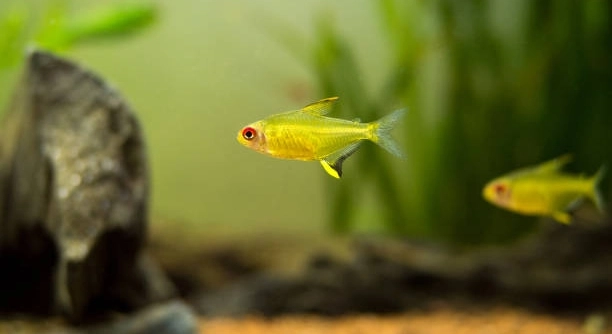
Are your lemon tetras swimming actively and showing bright colors throughout the day? Observing their daily behavior and interactions can reveal a lot about their overall well-being and comfort within the aquarium environment.
A thriving lemon tetra exhibits clear, vibrant colors, consistent swimming patterns, and responsive behavior. Proper diet, clean water, and a balanced environment contribute significantly to its health, growth, and social interactions within a well-maintained tank.
Recognizing these signs can help you maintain an optimal environment for your fish and enjoy their lively presence in your aquarium.
Active and Energetic Swimming
Lemon tetras that are thriving move throughout the tank with purpose and fluidity. They dart between plants and decorations, sometimes forming small schools with other tetras. Watching them glide smoothly shows that their muscles are healthy and they are not stressed. Stress can cause sluggish movements or hiding, so active swimming is a strong indicator of well-being. Tank conditions like water temperature, pH, and cleanliness directly affect their energy levels. Providing open spaces alongside hiding spots encourages natural movement. Observing their swimming patterns can also reveal social dynamics; they often interact and respond to one another. Younger tetras may display more bursts of energy, while older ones maintain steady, consistent activity. Regular monitoring ensures you notice any sudden changes. Feeding schedules play a role, as fish with proper nutrition tend to explore more actively. Overall, fluid, energetic swimming signals a healthy, comfortable lemon tetra enjoying its environment fully.
Active swimming shows your lemon tetra is comfortable and adjusting well to its habitat, signaling good overall health.
Regularly checking for fluid, lively movement is essential. Fish that consistently swim with energy are usually well-fed, unstressed, and in a properly maintained tank. Observing interactions with other tetras and response to feeding times helps ensure their vitality. Small changes in swimming patterns can alert you to water quality issues or potential illness before visible signs appear. Providing balanced nutrition and maintaining stable water parameters strengthens their energy and supports growth. An active tetra often indicates proper social behavior, avoiding isolation and displaying normal schooling tendencies. Additionally, movement patterns reveal their comfort level; hesitant or erratic swimming can suggest discomfort or stress. Keeping the tank environment enriched with plants, decorations, and swimming space encourages natural behaviors. Monitoring swimming activity over time allows adjustments to water conditions, diet, and tank layout to maintain optimal health. A tetra that moves confidently around the tank demonstrates thriving health and effective care.
Vibrant Colors and Clear Fins
Bright, vivid colors are a sign of a healthy lemon tetra.
Color intensity reflects good diet, water quality, and low stress levels. Fins should be intact without fraying, which indicates proper care and attention. Healthy tetras display shimmering hues, enhancing the tank’s appeal.
Lemon tetras reveal much about their health through coloration and fin condition. A vibrant yellow body with hints of iridescent green or blue suggests they are receiving adequate nutrition rich in carotenoids and vitamins. Dull colors or faded shades often indicate stress, illness, or poor water conditions, which should be addressed promptly. Clear, fully spread fins without ragged edges demonstrate strong physical health and low stress levels, while damaged fins may signal aggression, fin rot, or environmental issues. Regular water changes and balanced feeding contribute to maintaining bright colors. Observation during feeding and interaction times can highlight subtle color changes, reflecting minor health shifts. Even lighting conditions can influence how colors appear, but consistently bright and clear fins are reliable indicators. Healthy tetras often display a natural shimmer as they swim, enhancing the visual appeal of the aquarium and confirming proper care. Maintaining stable water temperature, avoiding sudden environmental changes, and providing nutritious food ensure that colors remain intense, fins stay intact, and overall fish vitality is supported, reflecting a thriving lemon tetra in a well-managed tank.
Healthy Appetite
A lemon tetra with a strong appetite will eagerly swim to the surface during feeding times. They consume flakes, pellets, or frozen foods consistently, finishing meals without hesitation. A consistent feeding response shows they are receiving proper nutrition and maintaining energy levels.
Monitoring feeding habits provides insight into overall health. Tetras that eat well display normal growth, maintain bright colors, and remain active throughout the day. Skipping meals or showing disinterest in food may indicate stress, illness, or water quality issues. Feeding small amounts multiple times a day ensures proper digestion and prevents overfeeding, which can cloud water and affect tank balance. Proper nutrition supports immune function, fin strength, and social behavior. Watching them eat also helps track interactions with other tetras, as healthy fish often feed together without aggression. A balanced diet with occasional treats like brine shrimp or daphnia adds variety and enhances coloration naturally. Observing appetite trends over time gives early warning signs if adjustments to diet or tank conditions are needed. Maintaining regular feeding habits fosters both physical health and consistent energy levels in lemon tetras.
A healthy appetite also reinforces social behavior, as tetras tend to feed in groups. Watching them interact during feeding can indicate comfort and confidence within their tank environment, ensuring they remain thriving and energetic.
Social and Interactive Behavior
Lemon tetras that interact with their tank mates show they feel secure. They often swim together in small schools, responding to each other’s movements and signals, maintaining a natural social dynamic.
Social interaction indicates mental and emotional well-being. Tetras that ignore others or isolate themselves may be stressed or unwell. Observing schooling behavior helps gauge tank harmony and environmental comfort. Active engagement includes mirroring movements, gentle chasing, and following each other between hiding spots and open areas. Proper tank size, hiding spots, and balanced lighting encourage social interaction. Stressors like sudden loud noises, aggressive tank mates, or poor water quality can reduce social behavior, so maintaining stable conditions is crucial. Healthy tetras show curiosity and coordinated swimming patterns, signaling comfort and low stress. Regular observation ensures early detection of abnormal behavior, allowing timely intervention to maintain a harmonious tank environment. Supporting social needs alongside nutrition and water quality creates a thriving atmosphere for lemon tetras, enhancing both their health and visual appeal.
Regular interaction strengthens natural instincts and promotes mental stimulation. Lemon tetras that swim in schools, follow each other, and respond to environmental changes reflect a well-adjusted, thriving fish population. Social engagement contributes to their overall happiness and resilience.
Clear Eyes and Smooth Scales
Healthy lemon tetras have bright, clear eyes without cloudiness or swelling. Their scales lie flat against the body, showing no signs of damage, parasites, or discoloration. These features reflect proper water quality and overall fish health.
Clear eyes and smooth scales indicate strong immunity and low stress levels. Any sudden changes in these areas may signal illness or environmental issues that need prompt attention.
Consistent Breathing Patterns
A thriving lemon tetra maintains steady gill movements, breathing at a regular rate without rapid or labored motions. Uneven or frantic breathing often signals oxygen deficiency, poor water quality, or stress. Monitoring gill activity ensures the tank environment remains suitable for long-term health.
Calm and Comfortable Behavior
Lemon tetras that explore their surroundings without sudden bursts of hiding show they feel safe. Calm behavior reflects trust in their environment and reduced stress levels, promoting overall well-being.
Proper Body Shape and Size
Healthy lemon tetras exhibit a streamlined body with proportional fins. No signs of bloating, shrinkage, or deformity are present. Proper growth and shape indicate balanced nutrition, stable water parameters, and a stress-free environment.
How often should I feed my lemon tetras?
Lemon tetras do best when fed small amounts two to three times a day. Overfeeding can pollute the water, while underfeeding can affect their growth and energy. Providing a balanced diet of flakes, pellets, and occasional live or frozen foods keeps them healthy and active.
What is the ideal water temperature for lemon tetras?
These fish thrive in water temperatures between 72°F and 79°F. Maintaining stable temperature helps reduce stress, supports immune function, and encourages active swimming. Using a reliable heater and thermometer ensures consistency, preventing sudden fluctuations that could harm their health.
How often should I perform water changes?
Regular water changes are crucial for maintaining clean, safe conditions. Replacing 20–25% of the tank water weekly helps remove waste and toxins. Clean water supports clear eyes, smooth scales, and vibrant coloration, keeping lemon tetras thriving in their habitat.
Can lemon tetras live with other fish?
Yes, they are peaceful and do well in community tanks. Compatible species include other small tetras, rasboras, and non-aggressive bottom dwellers. Avoid large, aggressive fish, as they may stress or harm your tetras. Grouping lemon tetras in schools of at least six encourages natural social behavior.
Why are my lemon tetras hiding constantly?
Excessive hiding often signals stress from poor water quality, sudden changes, or aggressive tank mates. Check parameters like pH, temperature, and ammonia levels. Adding plants and decorations provides safe spaces while maintaining open areas encourages natural swimming without constant fear.
How can I tell if my lemon tetra is healthy?
Signs of health include bright colors, smooth scales, clear eyes, active swimming, consistent breathing, and strong appetite. Social interaction, schooling behavior, and proportional body shape also indicate well-being. Monitoring these traits regularly helps detect problems early, allowing prompt corrective action.
What should I do if a lemon tetra shows signs of illness?
Isolate the affected fish to prevent spreading disease. Test water parameters and adjust as needed. Observe for symptoms like frayed fins, dull colors, or rapid breathing. Consult a knowledgeable aquarium professional or fish care guide for treatment options and medication, ensuring safe recovery.
How large should my tank be for lemon tetras?
A minimum of 10 gallons is suitable for a small school, but larger tanks provide more swimming space and reduce stress. Proper filtration and aeration are essential, alongside plants and decorations for hiding spots. Larger groups thrive better in spacious, stable environments.
What foods enhance lemon tetra coloration?
Foods rich in carotenoids and vitamins, such as high-quality flakes, pellets, and occasional live foods like brine shrimp or daphnia, help maintain bright yellow tones. A varied diet ensures proper nutrition, promotes energy, and supports overall health.
How do I prevent aggression in the tank?
Keeping a well-sized school of lemon tetras reduces stress and discourages territorial disputes. Avoid aggressive tank mates and provide multiple hiding spots. Proper spacing and environmental enrichment maintain peaceful interactions, allowing all fish to thrive without conflict.
How do I maintain stable water parameters?
Use a reliable heater and thermometer to maintain temperature. Test pH, ammonia, nitrites, and nitrates regularly. Perform routine water changes and avoid overcrowding. Proper filtration and aeration support oxygen levels, ensuring lemon tetras remain healthy and active.
Can lemon tetras breed in a home aquarium?
Yes, they can. A separate breeding tank with slightly acidic, soft water encourages spawning. Provide fine-leaved plants or spawning mops for egg deposition. Remove adults after spawning to prevent eating the eggs. Fry should be fed infusoria or specialized fry food until large enough for flakes.
What are common signs of stress in lemon tetras?
Stress can show as dull colors, hiding, erratic swimming, loss of appetite, or rapid gill movements. Environmental changes, poor water quality, or aggressive tank mates often cause stress. Addressing these factors promptly helps restore comfort and well-being.
How can I improve tank enrichment for my tetras?
Adding live or artificial plants, small caves, and open swimming spaces encourages natural behaviors. Variation in tank layout prevents boredom, supports social interaction, and promotes active swimming. Enrichment contributes to both mental stimulation and physical health.
How important is lighting for lemon tetras?
Moderate lighting enhances color visibility and regulates activity patterns. Too bright or too dim light can stress fish. Providing a regular day-night cycle supports natural behavior, feeding, and social interactions, contributing to overall health.
How do I acclimate new lemon tetras to my tank?
Float the sealed bag in the tank for 15–20 minutes to equalize temperature. Gradually mix small amounts of tank water into the bag over 30–60 minutes before releasing the fish. Slow acclimation reduces shock and stress, improving survival and comfort.
What role does pH play in lemon tetra health?
They prefer slightly acidic to neutral water (pH 5.5–7.0). Maintaining consistent pH avoids stress, supports metabolism, and prevents illness. Regular testing and gentle adjustments ensure a stable, comfortable environment for thriving fish.
How can I detect water quality issues early?
Monitor for cloudy water, odor, algae overgrowth, or unusual fish behavior. Regular testing of ammonia, nitrites, nitrates, and pH helps detect imbalances before they harm fish. Prompt corrective measures maintain a safe, healthy environment.
How do I safely clean the tank without harming my tetras?
Use a siphon to remove debris during partial water changes. Clean decorations and substrate gently, avoiding harsh chemicals. Filter maintenance should follow manufacturer guidelines. These steps keep water clean while protecting fish from stress or contamination.
What is the best temperature range for breeding lemon tetras?
Slightly warmer water, around 75–79°F, encourages spawning. Stability is key, and sudden fluctuations can inhibit breeding. Soft, slightly acidic water enhances egg survival and fry development. Regular monitoring ensures optimal conditions for successful reproduction.
How long do lemon tetras typically live?
With proper care, lemon tetras can live 3–5 years. Adequate nutrition, clean water, proper social structure, and stable environmental conditions all contribute to their lifespan. Regular observation helps catch health issues early, supporting longevity.
How do I introduce new fish to an established school?
Add new tetras gradually, keeping them in a quarantine or floating bag for acclimation. Introduce them slowly to prevent stress or aggression. Observe interactions closely, ensuring the new additions integrate smoothly without conflict.
What signs indicate a tank is overcrowded?
Overcrowding often shows as aggression, stress, stunted growth, and increased waste levels. Fish may hide excessively or display erratic swimming. Maintaining appropriate tank size, filtration, and group size prevents overcrowding and supports thriving fish.
How do I treat minor fin damage?
Minor fin tears can heal naturally if water quality is maintained. Ensure no aggressive tank mates are present, and provide clean water with proper filtration. Adding aquarium salt in recommended amounts can reduce stress and promote healing.
How do seasonal changes affect lemon tetras?
Temperature fluctuations and changes in daylight may affect activity levels and feeding. Maintaining stable water temperature and a consistent light cycle minimizes stress. Adjustments to heating and lighting can prevent behavioral or health issues during seasonal shifts.
Can lemon tetras adapt to different water hardness?
They prefer soft to moderately hard water but can adapt gradually to moderate variations. Sudden changes in hardness can stress fish. Slow adjustments and monitoring water chemistry help maintain comfort and overall health.
How often should I test water parameters?
Testing weekly is sufficient for stable tanks, though new setups or sensitive fish may require more frequent monitoring. Regular testing ensures early detection of issues, maintaining optimal conditions for vibrant, active lemon tetras.
What is the best way to observe my tetras’ health daily?
Watch for swimming patterns, color vibrancy, appetite, and social interaction. Early detection of changes allows prompt intervention, preventing minor issues from becoming serious problems. Keep a brief log of observations to track trends over time.
How do I prevent algae growth in the tank?
Control lighting duration, avoid overfeeding, and maintain clean water through regular changes. Adding live plants can compete with algae for nutrients. Proper filtration and moderate tank stocking also reduce the risk of excessive algae, keeping the environment balanced.
What are common mistakes in caring for lemon tetras?
Overfeeding, overcrowding, irregular water changes, sudden temperature changes, and incompatible tank mates are frequent mistakes. Maintaining consistent care, stable water conditions, and balanced social groups ensures thriving, healthy fish over the long term.
How important is tank cover for lemon tetras?
A secure lid prevents fish from jumping out and reduces stress from external disturbances. Covering the tank also helps maintain stable humidity and temperature, contributing to a comfortable, safe environment.
What role does tank decor play in health?
Plants, hiding spots, and open swimming areas support natural behaviors. Decorations reduce stress, encourage exploration, and promote social interaction. A well-decorated tank enhances mental stimulation and physical activity, supporting overall well-being.
Can lemon tetras tolerate small pH fluctuations?
They can handle minor changes but prefer consistency. Sudden shifts in pH cause stress, affecting appetite, color, and immunity. Gradual adjustments allow adaptation while minimizing health risks.
How do I know if my tank filter is effective?
Clear water, stable parameters, and low ammonia/nitrite levels indicate proper filtration. Observing healthy swimming, bright colors, and normal behavior confirms the filter supports a thriving environment. Maintenance and periodic checks ensure ongoing efficiency.
Is it necessary to quarantine new fish?
Quarantining prevents introducing disease to established tetras. A separate tank for observation and acclimation reduces stress and allows treatment of any illnesses before integration, protecting the health of the entire aquarium.
How can I keep lemon tetras active during the day?
Consistent feeding schedules, stable lighting, and a stimulating environment with plants and swimming space encourage activity. Avoid sudden disturbances or bright overhead lights, as these may stress the fish and reduce natural movement.
Do lemon tetras require supplements?
Occasional vitamin-rich foods or high-quality flakes and pellets provide essential nutrients. Supplements are generally unnecessary with a balanced diet but can enhance coloration and support immune function in long-term care.
What are signs my lemon tetras are stressed?
Indicators include hiding, rapid breathing, color fading, erratic swimming, and loss of appetite. Stress often results from poor water quality, aggressive tank mates, overcrowding, or sudden environmental changes. Early detection allows prompt corrective action.
Can lemon tetras adapt to different light cycles?
They adjust gradually, but maintaining a consistent day-night cycle supports natural behavior, feeding, and breeding. Sudden changes may cause stress or altered activity patterns. A timer can ensure consistency.
How do I prevent disease in my tank?
Maintain clean water, stable parameters, proper diet, quarantine new fish, and avoid overcrowding. Observation for early signs of illness allows timely treatment, keeping the tank environment healthy and thriving.
What is the best substrate for lemon tetras?
Fine gravel or sand is ideal. Smooth substrates prevent injury and support plant growth. A natural-looking substrate enhances comfort while allowing beneficial bacteria to flourish, maintaining water quality.
How do I care for fry if my tetras breed?
Separate eggs or fry into a dedicated tank. Provide infusoria or specialized fry food. Maintain clean, slightly acidic water and stable temperature. Remove adults to prevent predation. Gradually introduce small flakes as fry grow, ensuring proper nutrition and survival.
Can lemon tetras live in a planted tank?
Yes, they enjoy plants for hiding and exploring. Live plants improve water quality, provide cover, and promote natural behavior. A well-planted tank encourages schooling, active swimming, and reduced stress levels.
How do I manage tank maintenance without stressing my tetras?
Perform partial water changes, clean decorations gently, and avoid sudden temperature or water parameter changes. Observing fish behavior during maintenance ensures minimal stress. Gradual adjustments maintain comfort while keeping the tank healthy.
What is the best way to monitor long-term health?
Track swimming patterns, coloration, appetite, social behavior, and fin condition. Regular observation and brief notes allow you to detect subtle changes early. Consistent monitoring supports proactive care and ensures your lemon tetras continue thriving.
How can I encourage natural behavior in my tank?
Provide plants, hiding spots, open swimming areas, and moderate lighting. Group lemon tetras in small schools to promote social interaction. Observing natural behavior helps maintain mental stimulation, reduces stress, and supports physical health.
How often should I inspect my fish for health issues?
Daily observation is ideal, focusing on swimming, appetite, coloration, and behavior. Early detection of abnormalities allows timely intervention, preventing minor issues from escalating and maintaining overall well-being.
What common mistakes should I avoid when introducing new tetras?
Avoid overcrowding, sudden temperature changes, and skipping quarantine. Introduce fish gradually, observing behavior and interactions. Following proper acclimation procedures ensures a smooth transition and protects the health of all tank inhabitants.
How can I maintain a peaceful community tank?
Select compatible species, provide hiding spots, avoid overcrowding, and maintain stable water parameters. Observing social behavior and feeding interactions helps identify and correct potential conflicts before stress impacts health.
What is the best diet variety for lemon tetras?
A mix of high-quality flakes, pellets, and occasional live or frozen foods provides balanced nutrition. Variety supports coloration, energy levels, immune health, and overall vitality, ensuring thriving, active fish.
How do I handle sudden illness in the tank?
Isolate affected fish, test water, and address environmental issues. Administer treatment if necessary and monitor closely. Prompt action prevents spread and ensures the health of the remaining tetras.
How can I maintain optimal oxygen levels?
Use adequate filtration, aeration, and maintain moderate stocking levels. Regular water changes support dissolved oxygen. Healthy fish with steady gill movements indicate proper oxygenation.
What are signs of proper tank harmony?
Peaceful schooling, active swimming, feeding together, and minimal hiding reflect a harmonious environment. Stable social interactions support thriving behavior and reduced stress levels in lemon tetras.
How do I prevent fin rot?
Maintain clean water, proper filtration, balanced diet, and avoid aggressive tank mates. Isolate affected fish promptly and treat with recommended medication if needed. Early care prevents long-term damage.
Can lemon tetras thrive in slightly warmer water?
Yes, as long as the temperature remains stable within 72–79°F. Gradual acclimation avoids stress, supporting metabolism, activity, and overall health.
How do I manage water hardness for tetras?
Monitor regularly and make gradual adjustments if necessary. Soft to moderately hard water is preferred. Stability reduces stress, supports color, and ensures proper growth.
What is the role of schooling behavior?
Schooling reduces stress, encourages natural swimming patterns, and enhances safety. Observing synchronized movement indicates comfort, proper tank conditions, and healthy social dynamics.
How can I enhance color naturally?
A varied diet with carotenoid-rich foods, occasional live or frozen treats, and stable water conditions enhance vibrant yellow and iridescent hues without chemical additives.
What should I watch during daily care routines?
Focus on swimming, appetite, social interaction, color, fins, and gill movement. Tracking patterns helps detect early issues, maintain well-being, and support thriving behavior.
How do I ensure my tetras feel safe?
Provide hiding spots, open swimming space, compatible tank mates, and stable water parameters. Reduced stress encourages exploration, social behavior, and natural activity, promoting overall health.
Can lemon tetras tolerate minor temperature changes?
Small, gradual shifts are manageable, but sudden fluctuations can stress fish, affecting appetite, color, and behavior. Stability ensures comfort and vitality.
How often should I clean filters?
Follow manufacturer recommendations, usually monthly. Avoid over-cleaning, which removes beneficial bacteria. Proper maintenance ensures effective filtration and a healthy tank environment.
What role does water clarity play in health?
Clear water supports vision, feeding, and natural behavior. Cloudy water often indicates waste accumulation or bacterial imbalance, which can stress fish and reduce vitality.
How do I prevent overcrowding in community tanks?
Calculate proper tank volume, limit group sizes, and avoid adding incompatible species. Adequate swimming space and filtration maintain balance, ensuring thriving, stress-free fish.
Can lemon tetras adapt to low-light conditions?
They can adjust gradually, but moderate lighting is ideal for color display and normal activity. Sudden low-light changes may stress fish.
How do I support fin growth?
Provide clean water, balanced nutrition, and low-stress environments. Avoid aggressive tank mates and physical hazards. Regular observation ensures fins remain healthy and intact.
What is the best way to introduce tank decorations?
Add plants, rocks, and hiding spots gradually, ensuring they do not overcrowd swimming space. Stable placement reduces stress and encourages natural exploration.
How can I maintain healthy gill function?
Proper oxygenation, clean water, and stable temperature support steady breathing. Avoid overcrowding and poor water quality, which can strain gill function and overall health.
What should I do if tetras are schooling irregularly?
Check water quality, tank size, and social dynamics. Address environmental stressors and ensure compatible group sizes to restore natural schooling patterns and reduce stress.
Can lemon tetras live in slightly alkaline water?
Slightly above neutral pH is tolerable, but consistency is essential. Sudden pH shifts cause stress, affecting color, appetite, and behavior. Gradual adjustments maintain health.
How do I balance nutrition and portion sizes?
Feed small, frequent meals, rotating flakes, pellets, and occasional live foods. Avoid overfeeding to prevent water pollution while ensuring sufficient nutrients for growth and vibrant coloration.
How do I know if my tetras are thriving long-term?
Active swimming, bright colors, smooth scales, proper appetite, social interaction, and calm behavior over time indicate sustained health. Consistent monitoring and maintenance support long-term vitality and comfort.
How do I safely remove uneaten food?
Use a siphon or net to remove leftovers promptly. This prevents water contamination, reduces algae growth, and maintains clean, safe conditions for lemon tetras.
How do I create a stress-free environment?
Maintain stable water parameters, provide hiding spots, avoid aggressive tank mates, and ensure proper schooling groups. Predictable routines for feeding and lighting reduce stress and support natural behavior.
What signs indicate proper growth in lemon tetras?
Proportional body size, intact fins, smooth scales, and consistent energy levels reflect healthy development. Monitoring growth helps ensure adequate nutrition and stable environmental conditions.
How can I ensure a harmonious tank long-term?
Balance group size, maintain clean water, provide enrichment, and select compatible species. Regular observation, proper feeding, and stable conditions create a thriving, peaceful environment.
Caring for lemon tetras requires attention to several important details, but it is very rewarding to see them thrive. Healthy fish are active, social, and colorful, which reflects proper care, a stable environment, and balanced nutrition. Maintaining clean water with regular changes, consistent temperature, and proper pH levels is essential for their overall well-being. A properly maintained tank allows lemon tetras to display natural behaviors, including schooling, exploring, and interacting with other tank mates. Observing these behaviors closely can give you early insight into their health and comfort. Even small adjustments, like providing hiding spots or a slightly varied diet, can make a noticeable difference in their vitality and activity levels.
Nutrition plays a key role in keeping lemon tetras healthy. Feeding small, balanced meals two to three times a day helps maintain energy, supports growth, and enhances their natural coloration. Including a variety of flakes, pellets, and occasional live or frozen foods ensures they receive essential vitamins and nutrients. Overfeeding should be avoided, as leftover food can harm water quality and create stress in the tank. Paying attention to their appetite also gives a clear indication of overall health. Fish that consistently eat well, maintain vibrant colors, and swim actively are generally thriving. Observing these patterns and making adjustments as needed creates an environment where lemon tetras can flourish over time.
Providing a supportive environment extends beyond just water quality and feeding. Social interaction is crucial for lemon tetras, as they naturally form small schools. Grouping them in appropriate numbers encourages normal behaviors, reduces stress, and improves overall comfort. Calm and consistent conditions allow fish to feel secure, which leads to more predictable feeding, swimming, and social patterns. Monitoring their gill movements, fin condition, and coloration regularly helps identify any potential issues early. Enrichment, such as plants, decorations, and open swimming areas, stimulates natural activity and reduces boredom. Combining proper nutrition, water care, and social support ensures that lemon tetras remain healthy, active, and visually vibrant for years, making the experience of keeping them both enjoyable and fulfilling.

Hello,
If you enjoy the content that we create, please consider saying a "Thank You!" by leaving a tip.
Every little bit helps us continue crafting quality advice that supports the health, happiness, and well-being of pets around the world, for pets of all shapes, sizes, and species.
We really appreciate the kindness and support that you show us!