
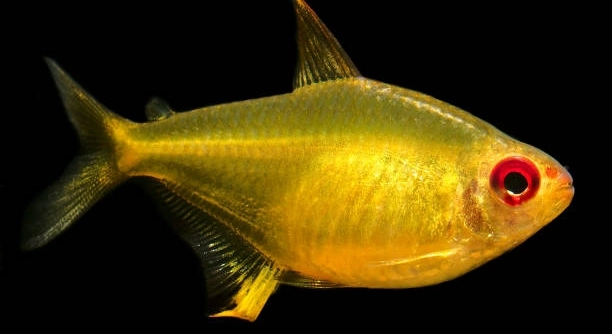
Keeping Lemon Tetras healthy and vibrant requires more than just feeding them regularly. Their delicate nature and preference for stable environments mean that a proper tank setup is crucial for their overall well-being.
Ensuring the thriving of Lemon Tetras begins with selecting an appropriate tank size, maintaining stable water parameters, providing adequate filtration, including live plants for hiding, controlling lighting, regulating temperature, and offering a balanced diet to support their natural behaviors.
By focusing on these essential setup tips, you can create a safe and comfortable home where your Lemon Tetras will flourish naturally.
Choosing the Right Tank Size
A properly sized tank is essential for Lemon Tetras to thrive. A small tank can quickly become stressful, affecting their health and behavior. For a small school of 6 to 8 Lemon Tetras, a minimum 20-gallon tank is recommended. This allows enough swimming space while reducing the concentration of waste in the water. A larger group will need more space to prevent overcrowding and aggression. The tank should also have sufficient surface area to allow for proper oxygen exchange. Cylindrical or narrow tanks may look appealing, but they limit swimming space and can impact their activity. Placement of the tank should be stable and away from direct sunlight to avoid temperature fluctuations. It’s also beneficial to plan for future additions, as these fish are social and do best in groups. Ensuring the right size from the start reduces stress and promotes long-term health.
A larger tank also allows better filtration and easier maintenance, keeping water conditions stable and clear.
Providing ample space encourages natural schooling behaviors, reduces stress, and supports a balanced, active lifestyle for your Lemon Tetras.
Maintaining Stable Water Conditions
Regular monitoring and adjustment of water parameters are key to a healthy tank. Lemon Tetras prefer slightly acidic to neutral water, with pH levels between 6.5 and 7.2. Temperature should remain steady between 72°F and 78°F, avoiding sudden fluctuations. Using a reliable heater and thermometer helps maintain a consistent environment. Filtration should remove debris while keeping a gentle flow, as strong currents can stress these small fish. Regular water changes, typically 20-25% weekly, help reduce toxins like ammonia and nitrite. Testing the water weekly ensures levels remain safe. Tap water should be treated with a dechlorinator to remove harmful chemicals. Soft water is preferred, so consider using reverse osmosis water or mixing with tap water if it’s very hard. Maintaining these parameters supports natural behavior, proper feeding, and vibrant coloration, creating a comfortable and secure habitat for the tetras.
Monitoring water consistently prevents sudden health issues and keeps the fish active and bright.
Stable water conditions provide a safe environment that reduces stress, encourages natural swimming patterns, and supports long-term health and coloration for Lemon Tetras.
Adding Live Plants
Live plants improve water quality and give Lemon Tetras places to hide. Plants like Java Fern, Anubias, and Hornwort are easy to care for and thrive in a variety of conditions. They also help reduce stress by mimicking a natural environment.
These plants absorb nitrates, improving water quality and creating a balanced ecosystem. Floating plants can provide shaded areas, which the tetras enjoy, while rooted plants add vertical structure. A mix of tall and short plants allows the fish to explore and feel secure. Plants also encourage natural behaviors, such as foraging among leaves and branches. Maintaining live plants requires occasional trimming and monitoring for decay, but the benefits far outweigh the effort. Healthy plants contribute to stable oxygen levels, making the tank safer and more comfortable. Over time, the tank will look fuller and more natural, enhancing both the aesthetics and the health of the fish.
Live plants also reduce algae growth by competing for nutrients, keeping the tank cleaner. Lemon Tetras enjoy exploring and hiding in the greenery, which reduces stress and supports schooling behavior.
Proper Lighting
Lemon Tetras need moderate lighting that reflects a natural day-night cycle. Too much light can stress them and promote excessive algae growth. Using a timer ensures consistent light periods.
Balanced lighting enhances the vibrant yellow color of Lemon Tetras while supporting plant growth. LED lights are ideal because they produce minimal heat and can be adjusted to suit the tank’s needs. Positioning lights to avoid direct sunlight prevents temperature spikes and sudden brightness changes that can stress the fish. Plants respond well to steady lighting, promoting growth and oxygenation. Dimming lights slightly during feeding times can make tetras more comfortable and encourage natural foraging. Observing fish behavior under different lighting helps identify the optimal setup. Adjustments may be needed if tetras hide excessively or show dull coloration. Proper lighting supports a healthy, active tank while maintaining visual appeal.
Maintaining consistent lighting improves fish health and plant growth. It also prevents stress and ensures the tank environment remains stable and visually vibrant.
Choosing a Gentle Filter
A gentle filter is necessary to avoid stressing Lemon Tetras. Strong currents can tire them out and cause hiding behavior. Sponge filters or adjustable flow filters work well, providing both mechanical and biological filtration without creating turbulence.
Filters should be cleaned regularly to prevent buildup, but avoid disturbing the beneficial bacteria. Positioning the filter output to reduce flow across the tank helps maintain a calm environment. A properly maintained gentle filter ensures clear water, supports healthy oxygen levels, and keeps the tank free from harmful waste. Over time, it contributes to stable water conditions, allowing tetras to swim naturally and remain active.
Monitoring Temperature
Consistent temperature is critical for Lemon Tetras. Fluctuations can weaken their immune system and affect feeding. Using a reliable heater and thermometer keeps the water between 72°F and 78°F, which is ideal.
Temperature stability encourages active swimming and proper digestion. Avoid placing the tank near windows or vents where sudden changes occur.
Providing Hiding Spots
Lemon Tetras need hiding spots to feel secure. Decorations like rocks, driftwood, and dense plant areas give them refuge and reduce stress.
FAQ
How often should I feed Lemon Tetras?
Lemon Tetras should be fed small amounts 1 to 2 times daily. Overfeeding can pollute the tank and stress the fish. Offer a variety of foods, including high-quality flakes, micro pellets, and occasional live or frozen options like daphnia or brine shrimp. Remove uneaten food promptly to maintain water quality. Feeding small portions ensures that all fish in the school get access to food and reduces the risk of obesity or digestive issues. Consistent feeding schedules help maintain energy levels and natural activity throughout the day.
Can Lemon Tetras live with other fish?
Yes, Lemon Tetras are peaceful and can coexist with other small, non-aggressive species. Suitable tankmates include small rasboras, guppies, and corydoras catfish. Avoid larger or aggressive fish that may nip fins or stress the tetras. A well-planned community tank should have enough space, hiding spots, and balanced swimming areas for all species. Keeping tetras in a group of at least six is essential for their social behavior. Observing interactions helps prevent bullying, and any signs of stress should be addressed immediately. Proper selection ensures a harmonious and active tank environment.
What is the ideal pH for Lemon Tetras?
Lemon Tetras thrive in slightly acidic to neutral water, with pH ranging from 6.5 to 7.2. Consistent pH is important because sudden changes can cause stress and weaken their immune system. Using a buffered water source or natural additives like driftwood can help maintain stability. Regular testing ensures that water conditions remain safe. Fluctuations in pH can affect feeding, swimming behavior, and coloration. A stable, appropriate pH supports overall health, encourages natural schooling, and promotes vibrant yellow coloration in the fish. Adjustments should be made gradually to prevent shock.
How do I know if my Lemon Tetras are healthy?
Healthy Lemon Tetras are active, swim in a school, and display bright yellow coloration. Clear eyes, smooth scales, and normal swimming patterns are good signs. Signs of stress or illness include clamped fins, loss of color, lethargy, or unusual hiding. Observing their behavior daily helps detect problems early. Maintaining proper water parameters, a balanced diet, and a clean environment supports their health. Promptly addressing signs of illness prevents the spread of disease and keeps the group thriving. Healthy tetras will explore, forage, and interact naturally within the tank.
How important is tank maintenance for Lemon Tetras?
Tank maintenance is critical. Regular water changes, filter cleaning, and monitoring of water parameters prevent the buildup of toxins like ammonia and nitrite. Weekly partial water changes of 20-25% help maintain stability. Cleaning decorations and removing decayed plant matter reduces stress and keeps the environment safe. Neglecting maintenance can lead to poor water quality, illness, and reduced lifespan. Consistent care also supports plant growth, promotes natural behaviors, and ensures a visually appealing tank. A well-maintained tank encourages activity, proper feeding, and healthy schooling among Lemon Tetras.
Can Lemon Tetras breed in a home aquarium?
Breeding Lemon Tetras requires slightly acidic water, soft conditions, and a well-planted tank. They scatter eggs among fine-leaved plants or spawning mops. Removing adults after spawning prevents them from eating eggs. Fry need infusoria or small live foods initially, gradually moving to micro pellets. Temperature should be slightly raised to around 78°F to stimulate spawning. Providing calm water with minimal flow and dim lighting encourages natural breeding behavior. Success requires careful observation and consistent water conditions, but it can be rewarding to see the fry grow in a secure environment.
What should I do if a Lemon Tetra looks sick?
If a Lemon Tetra shows signs of illness, isolate it in a quarantine tank. Test water parameters immediately and correct any issues. Treatment may involve medications for common conditions like ich or fin rot. Monitor feeding and behavior, and remove any decayed plant matter. Keeping the main tank clean prevents disease spread. Observing the affected fish closely helps ensure it recovers fully. Quarantine also protects other fish, allowing the tank to remain stable and safe while treatment is underway. Early action is key to preventing serious health problems.
Do Lemon Tetras need a heater year-round?
Yes, maintaining a stable temperature of 72°F to 78°F is important for Lemon Tetras. Even in moderate climates, room temperature can fluctuate enough to stress the fish. Using a reliable heater ensures consistent warmth, supporting activity, digestion, and immune function. Monitoring with a thermometer helps avoid overheating or cold snaps. A stable, warm environment encourages natural behavior and reduces susceptibility to disease. Sudden temperature changes can lead to lethargy or illness, so a heater provides a safe, controlled habitat for their overall well-being.
How often should I test the water?
Testing water weekly is recommended to ensure stable pH, ammonia, nitrite, and nitrate levels. Frequent checks help detect issues early, preventing stress and illness. Adjustments should be made gradually to avoid shocking the fish. Keeping a log of water parameters makes trends easier to track. Testing supports healthy plant growth, proper feeding, and vibrant fish coloration. Regular monitoring ensures the tank environment remains safe, maintaining a calm and active community for Lemon Tetras to thrive.
Can Lemon Tetras live alone?
No, Lemon Tetras are schooling fish and need groups of at least six to feel secure. Alone, they become stressed, hide more, and may develop health issues. Keeping them in groups encourages natural swimming patterns, reduces stress, and promotes social interaction. A school behaves more naturally, exploring the tank and interacting with plants. Isolated tetras often show dull coloration or lethargy. Ensuring a proper group size is one of the easiest ways to maintain a healthy and active tank environment, supporting both mental and physical well-being.
Final Thoughts
Keeping Lemon Tetras thriving in a home aquarium requires careful attention to several key aspects of their care. Tank size, water quality, and stable temperature are foundational for their health. Choosing the right tank allows them enough swimming space, reduces stress, and supports natural schooling behaviors. Maintaining consistent water parameters prevents sudden stress that can weaken their immune system and lead to illness. Using a reliable heater and thermometer helps keep temperatures steady, while regular water testing ensures that pH, ammonia, nitrite, and nitrate levels remain safe. Consistency is important because Lemon Tetras are sensitive to changes in their environment, and even minor fluctuations can affect their activity and appetite. A well-chosen filter with gentle flow ensures proper oxygenation and keeps the water clear without creating turbulence, which these small fish find stressful.
In addition to environmental factors, providing live plants, hiding spots, and moderate lighting helps create a natural and secure habitat. Live plants improve water quality by absorbing excess nutrients, while also offering shaded areas and places to explore. Rocks, driftwood, and dense plant clusters provide shelter and reduce stress, giving the tetras safe spaces when they feel threatened. Lighting should mimic a natural day-night cycle, enhancing the vibrant yellow coloration of the fish and supporting plant growth. Balanced lighting and carefully positioned decorations help Lemon Tetras display natural behaviors, such as schooling, foraging, and exploring, which keeps them active and healthy. These elements combined create a comfortable, aesthetically pleasing tank that benefits both the fish and the overall ecosystem.
Feeding routines and social grouping also play a significant role in their long-term health. Lemon Tetras thrive when fed small, varied portions of high-quality flakes, micro pellets, and occasional live or frozen foods. Overfeeding can lead to water quality issues and stress, so portion control is essential. Socially, these fish should never be kept alone, as they rely on schooling for security and natural behavior. A group of at least six tetras encourages active swimming and reduces fear responses. Regular observation allows early detection of illness, stress, or behavioral changes. By paying attention to these factors—tank setup, water stability, environment enrichment, proper feeding, and social needs—you create conditions that support healthy, happy Lemon Tetras, ensuring they remain active, vibrant, and thriving for years to come.

Hello,
If you enjoy the content that we create, please consider saying a "Thank You!" by leaving a tip.
Every little bit helps us continue crafting quality advice that supports the health, happiness, and well-being of pets around the world, for pets of all shapes, sizes, and species.
We really appreciate the kindness and support that you show us!