
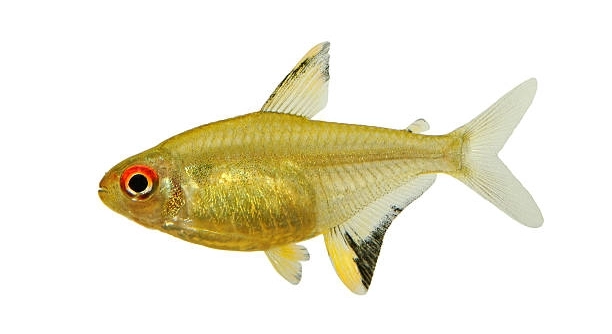
Lemon tetras have become a favorite among aquascaping enthusiasts because of their vibrant yellow hue and lively behavior. These small fish bring a natural charm to freshwater aquariums and complement a variety of planted setups. Their presence brightens the tank and creates a peaceful, dynamic environment for hobbyists to enjoy.
Lemon tetras are highly popular in aquascaping due to their striking coloration, manageable size, and schooling behavior. These traits make them ideal for enhancing visual appeal, promoting natural movement, and maintaining harmony in densely planted aquarium layouts.
Their easy care and compatibility with many species make them a reliable choice for both beginners and experienced aquarists. Their charm extends beyond mere aesthetics, adding life to every tank.
Ideal Tank Conditions for Lemon Tetras
Creating the right environment for lemon tetras is key to keeping them healthy and vibrant. They thrive in well-planted tanks with soft, slightly acidic water and stable temperatures between 72 and 79°F. Providing plenty of hiding spots with plants and driftwood helps them feel secure and reduces stress. Open swimming areas are also essential, as these fish are active and prefer to move freely in schools. Proper filtration and regular water changes maintain water quality, preventing common health issues. Substrate choice can impact their comfort; darker substrates enhance their coloration, making them appear more vivid. Lighting should be moderate, allowing plants to flourish without overwhelming the fish. Feeding a balanced diet of high-quality flakes, micro-pellets, and occasional live or frozen foods supports their growth and coloration. Observing behavior and color regularly allows you to detect early signs of stress or illness.
Lemon tetras need stable water parameters, moderate lighting, and plenty of swimming space to thrive in a planted aquarium.
Ensuring tank conditions are consistent can make a noticeable difference in their health and appearance. Regular monitoring and maintenance help maintain a balanced ecosystem. Combining hiding spots with open swimming areas promotes natural schooling behavior, making their movements more lively and harmonious. Choosing compatible tank mates enhances the overall dynamic, as aggressive or overly large fish can disrupt their social structure. Feeding routines should be varied but consistent, encouraging vibrant coloration and steady growth. Every detail, from water pH to plant arrangement, contributes to creating an environment where lemon tetras can feel secure, active, and visually appealing. The overall balance between structure and openness ensures the tank remains a calming and attractive display.
Compatibility with Other Fish
Lemon tetras are peaceful and adapt well to community tanks with other small, non-aggressive fish.
When choosing tank mates, avoid large or territorial species that may intimidate or stress them. Suitable companions include rasboras, small tetras, and peaceful dwarf cichlids. Their schooling nature is maintained when kept in groups of six or more.
Lemon tetras’ calm temperament makes them excellent additions to community aquariums, as they coexist without creating tension or competition. Their small size and gentle behavior allow them to share space with other species that have similar requirements. Grouping them together promotes schooling behavior, which enhances the tank’s visual appeal and provides a sense of security. Compatibility also extends to dietary needs, as they thrive on similar foods without conflict. Maintaining water conditions that meet the needs of all species in the tank is critical for minimizing stress and preventing health problems. Observing interactions helps identify any issues early, ensuring that lemon tetras remain active, vibrant, and harmonious in a mixed-species setup.
Feeding Lemon Tetras
Lemon tetras eat a varied diet of flakes, micro-pellets, and occasional live or frozen foods. Consistent feeding schedules support their growth and vibrant coloration, while small portions prevent overfeeding and water quality issues.
A balanced diet is essential for lemon tetras’ health and appearance. Flake foods provide everyday nutrition, while micro-pellets offer additional protein. Including live or frozen options like daphnia or brine shrimp encourages natural hunting behavior and strengthens their immune system. Feeding multiple small portions rather than one large meal reduces waste and prevents water from becoming cloudy. Observing how they respond to different foods allows adjustments to keep them active and healthy. Diet variety also helps maintain vibrant yellow coloration, making them more visually appealing in planted tanks.
Regularly monitoring feeding habits helps detect health changes early. Adjusting portion sizes and food types ensures all fish in the school get enough nutrition without stressing others. Maintaining clean water and removing uneaten food further supports tank stability. Combining proper feeding techniques with a varied diet enhances longevity and overall vitality. When these elements are managed well, lemon tetras remain lively, colorful, and balanced in behavior, enriching the tank’s visual and ecological harmony.
Breeding Lemon Tetras
Lemon tetras breed more successfully in soft, slightly acidic water with dense plant coverage. Maintaining stable temperatures and clean water supports egg fertilization and fry survival.
Breeding lemon tetras requires attention to water conditions and tank setup. Providing fine-leaved plants or spawning mops gives eggs a safe place to attach. Separating adults from eggs prevents them from eating the offspring. Feeding conditioning foods like live daphnia or brine shrimp enhances breeding readiness and improves egg quality. Light cycles should mimic natural conditions, promoting regular spawning. Observing pair behavior can help identify readiness to breed, as males display brighter coloration and more active courtship movements. Patience is necessary, as fry require gentle care and clean water for optimal growth.
After hatching, fry need tiny, high-protein foods such as infusoria or liquid fry feed for the first few days. Gradually introducing finely crushed flakes or micro-pellets supports their development. Monitoring water quality is crucial, as young fish are sensitive to ammonia and nitrite spikes. Regular small water changes and careful observation ensure healthy growth and reduce mortality. Maintaining stable temperature, light, and feeding routines establishes a strong foundation for successful rearing. With consistent care, lemon tetra fry grow into vibrant, healthy adults ready to enhance any planted aquarium.
Tank Decorations and Plants
Lemon tetras prefer tanks with plenty of plants and hiding spots. Dense plant coverage and driftwood create a secure environment while providing visual appeal and natural areas for swimming and schooling.
Smooth rocks and open swimming areas complement plant density. Avoid sharp decorations that could injure delicate fins, ensuring a safe, harmonious habitat for the school to thrive.
Water Quality Maintenance
Maintaining clean water is essential for lemon tetras’ health. Regular water changes, proper filtration, and monitoring pH, temperature, and hardness keep the tank stable.
Common Health Concerns
Lemon tetras are generally hardy, but they can develop fin rot or stress-related illnesses. Early detection and treatment are important for keeping them healthy.
FAQ
How many lemon tetras should I keep together?
Lemon tetras are schooling fish and feel most comfortable in groups of six or more. Smaller groups can lead to stress, shy behavior, and less vibrant coloration. Keeping them in larger schools allows natural movement patterns, enhances their visual appeal, and encourages social interaction, which reduces anxiety in the tank.
What is the ideal water temperature for lemon tetras?
The ideal water temperature for lemon tetras ranges between 72 and 79°F (22–26°C). Maintaining a stable temperature helps prevent stress and susceptibility to disease. Sudden fluctuations can weaken their immune system and affect their coloration. Using a reliable heater and thermometer ensures consistent water conditions.
Can lemon tetras live with other fish?
Yes, they are peaceful and can coexist with small, non-aggressive species. Suitable tank mates include other small tetras, rasboras, guppies, and peaceful dwarf cichlids. Avoid larger, aggressive, or territorial fish that might intimidate them or disrupt their schooling behavior. Proper tank layout and hiding spots help maintain harmony.
What should I feed lemon tetras?
Lemon tetras thrive on a varied diet. High-quality flake food and micro-pellets should form the base, with occasional live or frozen foods like brine shrimp, daphnia, or bloodworms. Feeding small portions multiple times a day prevents overfeeding, keeps water quality high, and encourages active, healthy fish.
How do I encourage lemon tetras to breed?
To breed lemon tetras, provide soft, slightly acidic water with a pH around 6.5–7. Dense plant coverage or spawning mops give eggs a secure place to attach. Feeding conditioning foods like live daphnia enhances fertility. Separate adults from eggs after spawning to prevent predation, and maintain stable water parameters for optimal fry survival.
How can I prevent disease in lemon tetras?
Maintaining clean water is key to preventing disease. Regular water changes, proper filtration, and monitoring temperature, pH, and hardness reduce stress and illness risk. Quarantining new fish before introducing them to the main tank minimizes the chance of infections spreading. Observing fish behavior daily helps detect early signs of illness.
What type of plants are best for lemon tetra tanks?
Lemon tetras benefit from dense, fine-leaved plants like Java moss, Java fern, and hornwort. These provide hiding spots and mimic their natural environment. Floating plants can diffuse lighting and create shaded areas, reducing stress and encouraging natural behavior. Arranging plants with open swimming spaces balances security and movement.
Do lemon tetras need a lot of space?
They require a moderate-sized tank with open swimming areas. A minimum of 20 gallons is recommended for a small school, with larger tanks supporting more fish. Open space allows natural schooling behavior, reduces aggression, and helps maintain water quality by allowing proper filtration and circulation.
How long do lemon tetras live?
Lemon tetras typically live 3 to 5 years with proper care. Consistent water quality, a balanced diet, and a stress-free environment contribute to their longevity. Keeping them in appropriate school sizes and providing secure hiding spots helps prevent stress-related health issues that could shorten their lifespan.
Can lemon tetras change color?
Yes, their coloration can shift slightly due to stress, illness, or water quality changes. Healthy fish in stable conditions show vibrant yellow hues. Providing proper lighting, a balanced diet, and a peaceful environment helps maintain their bright coloration and overall appearance.
Are lemon tetras good for beginners?
They are considered beginner-friendly due to their hardy nature, peaceful temperament, and adaptability. Proper attention to water quality, schooling needs, and diet ensures success. Observing their behavior and maintaining consistent tank conditions helps prevent common issues, making them a reliable and visually appealing choice for new aquarists.
What should I avoid when keeping lemon tetras?
Avoid keeping them with aggressive or large fish, overfeeding, or neglecting water changes. Sudden temperature swings, sharp decorations, and overcrowding can cause stress or injuries. Maintaining stable conditions, providing hiding spots, and monitoring water quality ensures a healthy, active school of lemon tetras.
How often should I perform water changes?
Performing 20–30% water changes weekly is ideal. This keeps ammonia and nitrate levels low and supports healthy plants. Regular monitoring of water parameters helps adjust change frequency if needed. Clean water prevents stress, illness, and maintains vibrant coloration in lemon tetras.
Can lemon tetras live in a bare tank?
While they can survive in bare tanks, it is not ideal. Plants and decorations provide security, reduce stress, and enhance schooling behavior. Open swimming space should still be maintained, but some plant coverage improves their well-being and makes the tank visually appealing.
Do lemon tetras need special lighting?
Moderate lighting is sufficient for lemon tetras. It supports plant growth without stressing the fish. Excessively bright light can cause stress, while too little light may dull coloration. Floating plants can help diffuse light and provide shaded areas, creating a natural, comfortable environment.
How can I tell if my lemon tetras are healthy?
Healthy lemon tetras are active, brightly colored, and swim in coordinated schools. Clear eyes, intact fins, and regular feeding behavior indicate good health. Dull coloration, lethargy, clamped fins, or erratic swimming may signal stress or disease and should be addressed immediately.
What is the best tank size for breeding lemon tetras?
A 20–30 gallon tank is recommended for breeding. This size allows for proper plant coverage, hiding spots, and open swimming areas. Stable water conditions and careful monitoring of adults and eggs improve survival rates and fry development. Regular feeding and clean water promote successful breeding outcomes.
Can lemon tetras tolerate slightly hard water?
They can tolerate slightly hard water, but soft to moderately soft water is preferred. Maintaining stable parameters is more important than exact hardness. Gradual acclimation to changes in water composition reduces stress and supports overall health and coloration.
Are lemon tetras sensitive to pH changes?
Yes, they prefer slightly acidic to neutral water, around pH 6.5–7. Sudden pH shifts can stress them and make them prone to illness. Regular testing and stable water conditions are crucial for their long-term health and activity.
Do lemon tetras need a heater in the tank?
A heater is recommended to maintain consistent water temperatures between 72 and 79°F. Stability prevents stress and supports metabolic and immune functions. Using a reliable heater and thermometer ensures their environment remains suitable year-round.
How do I introduce new lemon tetras to an established tank?
Quarantine new fish for at least two weeks to prevent disease introduction. Acclimate them slowly to the tank’s water conditions, using drip acclimation if possible. Monitor behavior closely during the first few days to ensure they integrate safely with the existing school.
Can lemon tetras live in a tank without a lid?
They can, but a lid is recommended. Lemon tetras are active swimmers and may jump, especially during feeding or stress. A secure lid prevents accidental escapes and keeps the tank environment safe for all fish.
What is the best way to clean a lemon tetra tank?
Regular partial water changes, gentle substrate vacuuming, and filter maintenance keep the tank clean. Avoid harsh chemicals, as these can harm fish and plants. Consistent cleaning routines help maintain stable water quality, supporting health and coloration.
How do I reduce stress in lemon tetras?
Provide adequate school size, hiding spots, stable water parameters, and compatible tank mates. Avoid sudden changes in temperature, lighting, or tank layout. A calm, predictable environment keeps them active, healthy, and brightly colored.
Can lemon tetras adapt to new tanks easily?
Yes, they are fairly adaptable when acclimated slowly. Drip acclimation or gradual water mixing helps them adjust. Stable conditions and sufficient plant coverage make the transition smoother and reduce stress during the move.
How often should I feed lemon tetras?
Feed two to three small portions daily. This prevents overfeeding, maintains water quality, and keeps fish active. Observing their behavior during feeding ensures all individuals receive adequate nutrition. Adjust amounts based on school size and tank conditions.
Do lemon tetras require special filtration?
No specialized filtration is required, but moderate flow and biological filtration help maintain water quality. Avoid overly strong currents that may stress small fish. Regular filter maintenance ensures stable water parameters.
Can lemon tetras tolerate community tanks with bottom dwellers?
Yes, as long as bottom dwellers are non-aggressive. They occupy different tank zones, so interference is minimal. Proper hiding spots and open swimming space help maintain harmony between mid-water tetras and bottom-dwelling species.
How can I encourage vibrant coloration in lemon tetras?
Provide a balanced diet with high-quality foods and occasional live or frozen treats. Maintain stable water parameters, moderate lighting, and stress-free tank conditions. Schooling behavior and secure hiding spots also enhance natural coloration.
What signs indicate stress in lemon tetras?
Stress shows as clamped fins, faded color, lethargy, erratic swimming, or hiding excessively. Identifying causes such as poor water quality, aggressive tank mates, or insufficient school size allows for corrective measures to restore health.
Do lemon tetras need special care in winter?
Maintaining stable water temperature with a heater is essential. Avoid sudden drafts or room temperature fluctuations. Consistent feeding and monitoring water quality ensure continued health despite seasonal changes.
Can lemon tetras live in a small planted tank?
Yes, a well-planted 20-gallon tank can support a small school. Ensure open swimming space and adequate hiding spots. Overcrowding should be avoided, as it can lead to stress and reduce coloration and activity.
Are lemon tetras sensitive to light intensity?
Moderate lighting is ideal. Too bright light can stress them, while too dim lighting may dull coloration. Floating plants can diffuse light and create shaded areas, providing a comfortable environment.
How long after introducing lemon tetras do they start schooling?
Schooling behavior appears quickly once they feel secure, usually within a few hours to a day. Adequate group size and open swimming space promote coordinated movement and natural behavior.
Do lemon tetras need supplemental vitamins?
High-quality flake and pellet foods typically provide sufficient nutrients. Occasional live or frozen foods offer natural vitamins and protein, supporting overall health and coloration without additional supplementation.
Can lemon tetras survive in slightly cooler water?
They tolerate minor temperature drops but prolonged exposure below 70°F may cause stress or illness. Keeping the water within 72–79°F ensures optimal health and activity.
How can I tell male and female lemon tetras apart?
Males are usually slightly smaller, slimmer, and display brighter yellow coloration. Females tend to have rounder bodies, especially when carrying eggs. Observing behavior and size differences helps identify sexes for breeding purposes.
Is it necessary to separate lemon tetra fry from adults?
Yes, adults may eat eggs or fry. Using a separate rearing tank or breeding net ensures higher survival rates and safer development for the young fish.
What are signs of illness in lemon tetras?
Signs include clamped fins, faded color, lethargy, rapid breathing, white spots, or abnormal swimming. Prompt identification and treatment are necessary to prevent spreading disease and ensure healthy fish.
Can lemon tetras tolerate slightly alkaline water?
They tolerate mild alkalinity but prefer slightly acidic to neutral conditions. Maintaining stability is more important than exact pH values. Gradual adjustments reduce stress and support health.
Do lemon tetras need a strong current in the tank?
No, they prefer gentle water movement. Excessive current can stress them and disrupt schooling behavior. Proper filtration should provide moderate flow without overwhelming the fish.
Can lemon tetras live in tanks with goldfish?
No, goldfish are much larger, produce more waste, and prefer cooler water. Mixing them with lemon tetras can lead to stress, poor water quality, and potential predation.
How can I reduce aggression in a community tank with lemon tetras?
Ensure plenty of hiding spots, open swimming space, and compatible tank mates. Maintain adequate school size and avoid aggressive or territorial species. Stable water conditions and balanced feeding reduce stress and conflict.
Are lemon tetras sensitive to ammonia and nitrites?
Yes, they are sensitive to high levels. Regular water changes, proper filtration, and monitoring water parameters prevent toxic buildup and keep them healthy.
Can lemon tetras live in brackish water?
No, they are strictly freshwater fish. Introducing salt or brackish conditions can cause stress, illness, or death. Freshwater parameters are essential for survival.
How quickly do lemon tetras mature?
They reach sexual maturity around 6–9 months. Proper care, diet, and stable water conditions support healthy growth and readiness for breeding.
Do lemon tetras require a specific light cycle?
A standard 10–12 hour light cycle supports plant growth and natural fish behavior. Consistency helps maintain activity, feeding patterns, and overall health.
Can lemon tetras tolerate fluctuations in tank size?
Sudden changes in tank size can cause stress. Gradual acclimation, proper school size, and consistent water parameters help them adjust smoothly to new environments.
Are lemon tetras suitable for nano tanks?
They can live in nano tanks around 10–15 gallons if kept in small schools and water parameters are stable. Limited space may reduce schooling behavior and activity.
How often should I trim plants in a lemon tetra tank?
Regular trimming prevents overgrowth, maintains swimming space, and keeps plants healthy. Balanced plant management supports hiding spots and open areas for active schooling.
Can lemon tetras coexist with shrimp?
Yes, peaceful shrimp species like cherry or Amano shrimp can live with lemon tetras. Avoid aggressive shrimp or large crabs that may harm them. Dense plant coverage benefits both fish and invertebrates.
Do lemon tetras require a varied diet for coloration?
Yes, including protein-rich live or frozen foods and high-quality flakes helps maintain bright yellow coloration and overall health. Consistent feeding supports vitality and natural behavior.
Are lemon tetras sensitive to chlorine in tap water?
Yes, untreated tap water can harm them. Using a dechlorinator or water conditioner ensures safe, clean water, preventing stress or illness.
How do I introduce new plants to a lemon tetra tank?
Plant them gradually to avoid sudden changes in water parameters. Rinse thoroughly, remove pests, and ensure proper placement for hiding spots and swimming space.
Can lemon tetras live in tanks without a filter?
They can survive short periods, but long-term survival requires filtration to maintain water quality, reduce toxins, and support overall health.
Do lemon tetras need aeration?
Moderate aeration helps oxygenate the water but is not strictly necessary if plants and filtration provide adequate oxygen. Gentle surface movement is sufficient.
How long do lemon tetra eggs take to hatch?
Eggs typically hatch within 24–36 hours, depending on water temperature. Fry need clean water and gentle care immediately after hatching for best survival.
Can lemon tetras live with bettas?
It is risky. Bettas can be aggressive and may harass small, active fish like lemon tetras. Careful observation and adequate tank space are necessary if combined.
How do I prevent algae growth in a lemon tetra tank?
Maintain balanced lighting, proper nutrient levels, and regular cleaning. Live plants compete with algae, reducing its growth naturally. Avoid overfeeding to prevent excess nutrients.
Do lemon tetras need live plants, or are artificial plants sufficient?
Artificial plants can provide hiding spots, but live plants improve water quality, oxygenation, and mimic a natural environment. A mix of both works well for safety and aesthetics.
Can lemon tetras tolerate low-light conditions?
They survive in low light, but moderate lighting supports healthy plants, natural behavior, and optimal coloration. Providing shaded areas prevents stress and enhances comfort.
How can I tell if lemon tetra fry are healthy?
Healthy fry are active, evenly colored, and feed readily on infusoria or liquid fry food. Lethargy, discoloration, or abnormal swimming indicates potential problems.
Do lemon tetras need a specific type of substrate?
They prefer fine, smooth substrate that is gentle on fins. Darker substrate enhances coloration, while safe, inert options support plant growth and water stability.
How quickly do lemon tetras school after being introduced?
They usually form schools within hours if tank conditions are suitable and group size is adequate. Schooling reduces stress and encourages natural behavior.
Can lemon tetras live in tanks with fluctuating temperatures?
Frequent or sudden changes cause stress, illness, and color fading. Stable temperatures between 72–79°F are critical for health and activity.
Are lemon tetras compatible with snails?
Yes, peaceful snails like nerites or mystery snails coexist well. They help with algae control without disturbing the fish or plants.
How do I treat fin rot in lemon tetras?
Improve water quality, perform partial water changes, and use appropriate antibacterial treatments. Early intervention prevents spreading and promotes fin regrowth.
Can lemon tetras tolerate low oxygen levels?
They prefer well-oxygenated water. Low oxygen can cause stress, lethargy, and increased susceptibility to disease. Gentle aeration or surface movement ensures sufficient oxygen.
Do lemon tetras require quarantine before adding new fish?
Yes, quarantining for at least two weeks prevents introducing disease and protects the established school. Observation during quarantine ensures new fish are healthy.
How do I acclimate lemon tetras to a new tank?
Use drip acclimation or gradual water mixing over one to two hours. This prevents shock from differences in temperature, pH, or water chemistry, reducing stress and mortality.
Can lemon tetras live with other tetra species?
Yes, they coexist well with other small, peaceful tetra species. Maintaining similar water parameters and avoiding aggressive fish ensures harmony in the tank.
How often should I check water parameters?
Weekly testing of ammonia, nitrites, nitrates, pH, and temperature helps maintain stable conditions and prevent stress or disease. More frequent checks may be needed in new or heavily stocked tanks.
Do lemon tetras need a deep tank?
A moderate depth is sufficient. Open swimming space and plant coverage are more important than tank depth for comfort, schooling, and stress reduction.
Can lemon tetras survive in untreated tap water?
No, untreated tap water often contains chlorine or chloramine, which are harmful. Use a water conditioner to neutralize these chemicals before introducing fish.
How can I reduce mortality in lemon tetra fry?
Separate eggs or fry from adults, maintain stable water conditions, provide tiny high-protein foods, and perform frequent small water changes to ensure survival and healthy growth.
Are lemon tetras affected by tank vibrations or loud noises?
Yes, excessive vibrations or noise can stress them
Lemon tetras are small, vibrant fish that add life and color to any planted aquarium. Their bright yellow coloration and active schooling behavior make them visually appealing, while their peaceful temperament allows them to coexist with many other species. They do well in tanks that provide a balance of open swimming space and dense plant coverage, as both elements are important for their comfort and natural behavior. Maintaining proper water conditions, including stable temperature, pH, and hardness, helps ensure that these fish stay healthy and active. Regular observation of their behavior, coloration, and appetite allows you to detect any potential health issues early, making it easier to address problems before they become serious. Overall, lemon tetras are a reliable choice for anyone looking to create a dynamic and visually pleasing aquascape.
Caring for lemon tetras involves attention to several key factors that promote their well-being. Feeding a varied diet of high-quality flakes, micro-pellets, and occasional live or frozen foods supports their growth, coloration, and immune system. Consistent water maintenance, including regular partial water changes and proper filtration, is crucial for keeping their environment clean and stable. Providing a suitable school size is equally important, as these fish feel safer and display more natural behavior when kept in groups of six or more. Tank decorations, plants, and hiding spots further enhance their comfort, reduce stress, and encourage schooling. By understanding and addressing these basic needs, keeping lemon tetras can be straightforward, even for those new to freshwater aquariums. Their active, social nature and adaptability make them a rewarding species to observe and maintain.
Breeding and raising lemon tetra fry require additional care but are achievable with attention to detail. Providing soft, slightly acidic water, dense plant coverage or spawning mops, and a high-protein diet for conditioning helps support successful spawning. Once eggs are laid, separating adults and maintaining clean water are essential for fry survival. Young lemon tetras require tiny, nutrient-rich foods and stable conditions to grow into healthy adults. Beyond breeding, these fish continue to offer enjoyment through their schooling movements, vibrant coloration, and calm interactions with other peaceful species. With consistent care, proper feeding, and attention to their environment, lemon tetras can thrive for several years, making them a dependable and visually striking addition to any planted aquarium. Their combination of beauty, hardiness, and peaceful behavior ensures they remain a popular choice for many aquarists.

Hello,
If you enjoy the content that we create, please consider saying a "Thank You!" by leaving a tip.
Every little bit helps us continue crafting quality advice that supports the health, happiness, and well-being of pets around the world, for pets of all shapes, sizes, and species.
We really appreciate the kindness and support that you show us!