
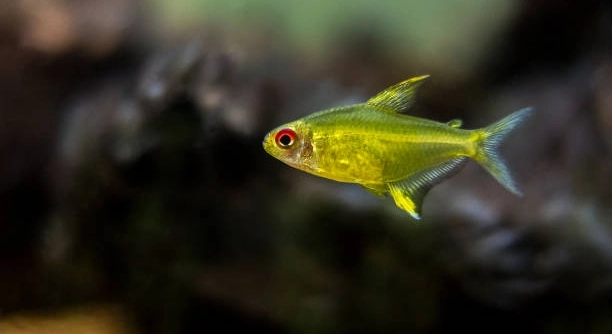
Keeping lemon tetras healthy can be tricky, especially for beginners. Many new fishkeepers unintentionally make mistakes that stress their fish. Small oversights in care or tank setup can quickly lead to illness in these delicate fish.
The most frequent causes of sickness in lemon tetras include poor water quality, inappropriate tank mates, irregular feeding schedules, and incorrect water temperature. Proper maintenance, careful observation, and following basic care guidelines significantly reduce health risks.
Understanding these common mistakes can help you maintain a vibrant and thriving aquarium. Applying simple adjustments ensures your lemon tetras stay healthy and active.
Overfeeding Your Lemon Tetras
Overfeeding is a common mistake among new fishkeepers. It may feel like giving your fish more is better, but excess food can quickly pollute the tank. Uneaten food breaks down into harmful chemicals like ammonia and nitrites, which stress lemon tetras and weaken their immune systems. Feeding small amounts two to three times a day is usually sufficient. Observe how much your fish can eat in a few minutes and remove leftovers. High-protein foods are fine, but avoid overloading the tank with heavy flakes or pellets, as these sink and decay rapidly. Overfeeding not only affects water quality but can also lead to bloating or digestive issues in your tetras. Regular cleaning, combined with proper feeding portions, keeps both fish and tank healthier. Monitoring your fish’s behavior after feeding helps identify whether adjustments are necessary to maintain a safe and stable environment.
Portion control prevents water contamination and keeps lemon tetras active and healthy, avoiding common stress-related illnesses.
Many beginners assume their tetras need constant feeding, but moderation is key. Overfeeding can mask other care issues, making it harder to identify problems. Maintaining a consistent feeding routine and cleaning leftover food ensures a stable environment. Over time, small portions encourage natural foraging behaviors, reduce aggression among tank mates, and prevent digestive problems. Pairing this with proper water changes keeps your aquarium balanced, minimizing the risk of disease outbreaks. Learning to feed correctly strengthens your confidence as a caretaker and helps your lemon tetras thrive. Observing their reactions after feeding allows quick adjustment of portions to suit the tank’s needs.
Ignoring Water Parameters
Neglecting water conditions can harm lemon tetras quickly. Even small changes in pH or temperature affect their health.
Stable water conditions are essential. Test water regularly to prevent sudden shifts that stress the fish.
Lemon tetras are sensitive to temperature fluctuations, chlorine, and pH swings. Ideal conditions include a pH around 6.5–7.0, soft to moderately hard water, and a temperature of 74–80°F. Ignoring these factors can lead to lethargy, color loss, and susceptibility to disease. Using a reliable heater and thermometer ensures consistent temperature, while water conditioners remove harmful chemicals. Partial water changes prevent toxin buildup and maintain oxygen levels. Regular testing helps spot problems before fish become ill. Investing time in monitoring water quality pays off with stronger, more active tetras. By prioritizing stability and cleanliness, you support both their immune systems and overall well-being, minimizing the risk of common illnesses associated with poor water management.
Incompatible Tank Mates
Choosing the wrong tank mates can stress lemon tetras. Aggressive or larger fish may chase or nip at them, causing injury or weakening their immune system.
Lemon tetras are small, peaceful schooling fish that do best with other non-aggressive species. Introducing larger or territorial fish creates constant stress, which can lead to disease or stunted growth. It’s important to research the temperament and size of potential tank mates before adding them. Ideal companions include other small tetras, rasboras, or peaceful bottom dwellers. Avoid fin-nipping species like tiger barbs, as even minor injuries can result in infections. Creating a calm, compatible community reduces stress and encourages natural behavior, making your tank more balanced and visually appealing.
Maintaining a stable social environment also prevents bullying and competition for food. Lemon tetras thrive in groups of six or more, and observing their interactions regularly helps detect tension early. Pairing them with similarly sized, gentle species ensures everyone coexists peacefully. Stress from incompatible tank mates can be subtle at first, appearing as mild hiding or color dulling. Over time, chronic stress increases susceptibility to common ailments like ich or fin rot. Carefully planning your aquarium’s social dynamics protects your fish’s health and keeps them active.
Poor Aquarium Maintenance
Neglecting regular tank maintenance leads to toxic water conditions that harm lemon tetras.
Consistent cleaning routines are critical. Partial water changes, gravel vacuuming, and filter checks prevent buildup of waste and harmful chemicals. Skipping maintenance causes ammonia and nitrite spikes, stressing fish and weakening their immune systems. Water changes of 20–30% weekly maintain stability, while monitoring filter performance ensures proper circulation. Even small debris left in the tank can harbor bacteria and fungi, increasing disease risk. Maintaining equipment and removing uneaten food keeps the environment clean. Proper lighting schedules and occasional algae control also contribute to a balanced tank.
Ignoring maintenance can lead to long-term health issues in lemon tetras. Poor water quality often results in cloudy water, lethargy, or unusual swimming patterns. Over time, pathogens thrive in neglected tanks, causing frequent illness and increasing mortality rates. Regular observation allows early detection of problems before they escalate. Simple habits like checking water parameters and removing decaying plant matter keep the tank stable. Well-maintained tanks provide consistent oxygen levels, reduce toxins, and allow your tetras to display natural behavior. Investing time in routine upkeep prevents stress-induced illness and supports a thriving, healthy aquarium.
Sudden Water Changes
Rapid water changes can shock lemon tetras. Drastic shifts in temperature, pH, or hardness stress the fish and make them more prone to illness.
Always match new water to the tank’s existing conditions. Gradual adjustments help fish adapt without stress or health issues.
Overcrowding
Too many fish in a tank increases competition for food and oxygen. Crowded conditions also accelerate waste buildup, creating an unhealthy environment. Lemon tetras thrive in moderate groups with enough space to swim freely. Proper stocking prevents stress, aggression, and disease outbreaks.
Poor Diet
Feeding only one type of food limits nutrition. A varied diet of flakes, micro-pellets, and occasional live or frozen foods keeps lemon tetras healthy and vibrant.
Neglecting Observation
Failing to watch your fish daily allows early warning signs of illness to go unnoticed. Regular observation helps detect changes in behavior, color, or appetite.
FAQ
How often should I feed my lemon tetras?
Feeding small amounts two to three times daily is ideal. Only give what they can consume in a few minutes. Uneaten food should be removed to prevent water pollution and health issues. A balanced diet with flakes, micro-pellets, and occasional live or frozen foods keeps them healthy and active.
Can I keep lemon tetras with other fish?
Yes, but only with peaceful, similarly sized species. Avoid aggressive or fin-nipping fish. Good companions include other small tetras, rasboras, or gentle bottom dwellers. Keeping them in groups of six or more reduces stress and encourages natural schooling behavior. Observation is important to ensure everyone coexists without tension.
What water conditions do lemon tetras need?
They prefer a pH around 6.5–7.0, soft to moderately hard water, and temperatures between 74–80°F. Consistent water conditions prevent stress and reduce susceptibility to disease. Use a reliable heater, thermometer, and water conditioner. Partial water changes of 20–30% weekly maintain stability and remove harmful chemicals.
How can I prevent overfeeding?
Feed only small portions and observe how quickly your fish eat. Avoid adding extra food “just in case.” Overfeeding leads to water contamination, bloating, and digestive issues. Maintaining a consistent feeding routine helps control portions and keeps the tank clean.
What signs indicate my lemon tetras are stressed or sick?
Look for dull colors, lethargy, clamped fins, erratic swimming, or loss of appetite. Stress may also result from poor water quality, overcrowding, or incompatible tank mates. Early detection allows prompt intervention, reducing the chance of serious illness or death.
How important is tank maintenance?
Routine maintenance is essential. Partial water changes, gravel vacuuming, and filter checks remove waste and harmful chemicals. Skipping maintenance leads to ammonia and nitrite spikes, promoting disease. Regular upkeep ensures oxygen levels remain stable and provides a healthy, safe environment for your fish.
Can sudden water changes harm lemon tetras?
Yes. Abrupt changes in temperature, pH, or hardness can shock them. Always match new water to existing tank conditions and introduce changes gradually. Consistency prevents stress, maintains immunity, and helps the fish adapt safely.
Why are my lemon tetras hiding constantly?
Hiding often indicates stress. Possible reasons include aggressive tank mates, poor water quality, overcrowding, or illness. Ensure the tank environment is stable, peaceful, and properly maintained. Observing behavior closely can help identify the underlying cause and guide necessary adjustments.
How many lemon tetras should I keep together?
A minimum of six is recommended. Lemon tetras are schooling fish that feel safer in groups. Proper group size reduces stress, encourages natural swimming patterns, and improves overall well-being. Overcrowding should be avoided, as it increases waste and competition for resources.
Do lemon tetras need live plants or decorations?
Yes. Live plants and hiding spots provide security, reduce stress, and encourage natural behaviors. They also help maintain water quality by absorbing nitrates. Including decorations or plants mimics a natural environment, making the fish feel safe and reducing the likelihood of illness.
How can I treat common diseases in lemon tetras?
Early detection is key. Isolate sick fish if possible, maintain excellent water quality, and consider appropriate treatments for specific diseases, such as ich or fin rot. Preventive care, including proper diet, compatible tank mates, and stable water conditions, is the most effective way to reduce disease risk.
What is the best way to acclimate new lemon tetras?
Float the sealed bag in the tank for 15–20 minutes to match temperature. Gradually add small amounts of tank water to the bag over 30–60 minutes. This helps them adjust to pH and hardness differences, reducing stress and preventing shock when introduced to their new environment.
How do I ensure my lemon tetras stay healthy long-term?
Maintain clean water, monitor feeding, provide a varied diet, and keep tank mates compatible. Observe your fish daily for changes in behavior or appearance. Consistent care and attention to their environment help prevent stress and illness, ensuring your tetras remain vibrant and active for years.
This FAQ addresses the most common concerns for new lemon tetra keepers. Following these guidelines minimizes mistakes, promotes healthy fish, and creates a stable, thriving aquarium environment. Regular observation and careful care make a significant difference in keeping these delicate fish healthy.
Keeping lemon tetras healthy requires attention to detail and a steady routine. These small, vibrant fish are sensitive to changes in their environment, so even minor mistakes can affect their well-being. Many beginners unintentionally overfeed, introduce incompatible tank mates, or neglect water quality, which leads to stress and illness. By understanding common pitfalls, such as sudden water changes, overcrowding, and poor diet, fishkeepers can prevent many of the problems that lead to sick lemon tetras. Regular observation is equally important, as it allows for early detection of issues like lethargy, color fading, or unusual swimming behavior. Catching problems early makes treatment easier and improves the chances of recovery.
A consistent care routine is the foundation of a thriving lemon tetra aquarium. Monitoring water parameters, performing partial water changes, and maintaining a clean tank all contribute to a stable environment. Proper feeding practices and a varied diet keep the fish healthy and energetic. Choosing compatible tank mates and providing hiding spaces reduce stress and support natural behaviors. Even small adjustments, such as gradually acclimating new fish or carefully measuring feeding portions, can have a big impact. Lemon tetras are schooling fish, so keeping them in groups of six or more ensures they feel secure and exhibit normal social behavior. Paying attention to these details helps prevent common mistakes and encourages a healthy, vibrant tank.
Maintaining lemon tetras can be very rewarding when their care is managed correctly. Observing them swim actively, display bright colors, and interact with one another creates a sense of satisfaction and accomplishment. While mistakes are common for beginners, learning from them improves both the fish’s quality of life and the caretaker’s confidence. Consistency, patience, and attention to detail are key. By avoiding overfeeding, monitoring water quality, selecting appropriate tank mates, and keeping a regular maintenance schedule, you support the long-term health of your lemon tetras. Taking these steps ensures they remain lively, healthy, and enjoyable to watch, making your aquarium a balanced and harmonious space for both fish and caretaker.

Hello,
If you enjoy the content that we create, please consider saying a "Thank You!" by leaving a tip.
Every little bit helps us continue crafting quality advice that supports the health, happiness, and well-being of pets around the world, for pets of all shapes, sizes, and species.
We really appreciate the kindness and support that you show us!