
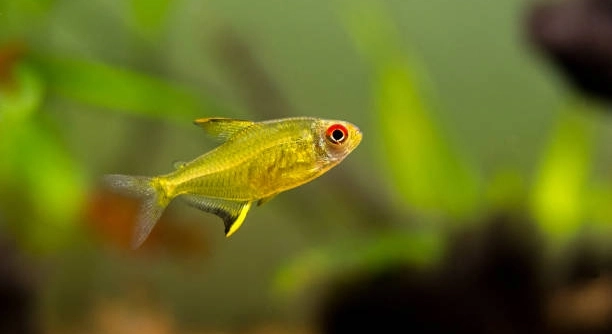
Keeping fish at home can be both relaxing and exciting. Lemon tetras are small, bright, and active fish that can bring color and life to your aquarium. They are often seen in community tanks.
Lemon tetras are suitable for first-time keepers due to their hardy nature, peaceful temperament, and simple dietary needs. Maintaining stable water conditions and a balanced diet ensures their health and promotes long-term success in a home aquarium.
Learning how to care for them properly can make a big difference. Small steps in setup and routine care will lead to a thriving, colorful tank.
Basic Care Requirements
Lemon tetras are small fish, usually around 1.5 inches long, but they thrive best in groups of six or more. Their small size makes them easy to keep, but maintaining water quality is important. They prefer slightly acidic to neutral water, with a temperature between 72 and 79°F. A filter is essential to keep the water clean, and regular partial water changes help prevent buildup of harmful chemicals. While they can adapt to different tank sizes, a 10-gallon aquarium is the minimum for a small school. Adding plants and hiding spots helps them feel secure, reduces stress, and encourages natural behavior. These fish are peaceful, making them compatible with other non-aggressive species. A varied diet of high-quality flakes, frozen, and live foods supports growth and vibrant color. Paying attention to water parameters and diet ensures lemon tetras stay active and healthy in a home aquarium.
Lemon tetras need consistent care, but their requirements are manageable for first-time keepers.
Setting up their tank properly makes daily care easier. Monitoring water and feeding regularly helps them thrive, and plants give a natural, calming environment.
Feeding and Diet
These fish are not picky eaters and will accept most high-quality flake foods, supplemented with live or frozen options.
A balanced diet is essential for lemon tetras’ health and coloration. They enjoy small live foods like brine shrimp or daphnia, which provide protein and help them stay active. Frozen options are a good alternative if live food is not available. Flake food should be given in small amounts, twice a day, to prevent overfeeding and maintain water quality. Variety in their diet ensures they get all necessary nutrients and prevents them from becoming bored with food. Observing their eating habits is important, as lethargy or lack of appetite can indicate water or health issues. Even though lemon tetras are hardy, proper nutrition directly impacts lifespan and overall well-being. Incorporating live plants or algae in the tank can also contribute to a more natural feeding environment. Consistent feeding routines help establish trust and predictability in the aquarium.
Tank Setup and Environment
A properly set-up tank keeps lemon tetras healthy and stress-free. Plants, hiding spots, and gentle filtration create a stable, safe environment. Avoid sudden changes in water or temperature to prevent stress.
Choosing the right substrate helps with plant growth and creates a natural feel. Fine gravel or sand works well, allowing them to explore and hide easily. Decorations like driftwood or smooth rocks add visual interest while giving fish places to rest. Lighting should be moderate, mimicking natural daylight, and plants can provide shade and shelter. Position the tank away from direct sunlight or drafts to maintain stable water temperature. Regular monitoring of pH, ammonia, and nitrate levels keeps conditions optimal. A well-planned layout encourages natural swimming behavior and reduces aggression, especially when keeping a school of six or more.
Lemon tetras benefit from a tank that feels natural and secure. Plants, hiding spots, and proper filtration support their health and activity, making care more straightforward.
Common Health Issues
Lemon tetras are generally hardy but can face problems if water quality is poor or diet is unbalanced. Regular maintenance prevents most issues.
Ich is a common disease affecting lemon tetras, showing as tiny white spots on fins and body. Early detection allows treatment with aquarium-safe medications and slightly raising water temperature. Fin rot can occur if water becomes dirty or fish are stressed, leading to ragged fins that may need antibacterial treatment. Maintaining a clean tank and monitoring water parameters reduces the risk of disease. Stress from overcrowding or aggressive tank mates weakens the immune system, making fish more susceptible to illness. Quarantining new fish before introducing them to the main tank prevents infections from spreading. Regular observation of swimming patterns, appetite, and appearance ensures issues are caught early and managed effectively.
Preventive care, including clean water, balanced diet, and stress reduction, keeps lemon tetras healthy. Paying attention to their behavior helps identify problems before they worsen.
Tank Mates
Lemon tetras are peaceful fish and do best with other non-aggressive species. Avoid large or aggressive fish that may stress or harm them.
Good tank mates include small rasboras, guppies, and corydoras. Keeping them in a small, compatible community encourages natural swimming behavior.
Breeding Lemon Tetras
Breeding lemon tetras requires slightly softer and acidic water. A separate breeding tank is recommended to protect eggs and fry. Careful monitoring of water quality and temperature encourages spawning, while hiding spots give adults security. Fry should be fed tiny live foods to support growth.
Behavior and Activity
These fish are active swimmers that thrive in schools of six or more. Observing their movement helps monitor health and social dynamics.
FAQ
How often should I feed my lemon tetras?
Lemon tetras should be fed twice a day in small amounts they can finish within two to three minutes. Overfeeding can pollute the water and cause health issues. A mix of high-quality flake food, frozen, or live options ensures they get proper nutrition.
Can lemon tetras live with other fish?
Yes, they do well with peaceful, small fish. Species like guppies, rasboras, and corydoras are ideal. Avoid aggressive or much larger fish, as they can stress or injure lemon tetras, disrupting their natural behavior and school dynamics.
What is the ideal tank size?
A minimum of 10 gallons is recommended for a small school of six or more. Larger tanks provide more swimming space, reduce stress, and make maintaining water quality easier. Adding plants and decorations creates hiding spots, which improves their sense of security.
How often should I change the water?
Partial water changes of 20–25% every week are recommended. This helps remove toxins, keeps water parameters stable, and prevents disease. Monitoring ammonia, nitrate, and pH levels ensures the tank environment remains safe for your tetras.
What water parameters do lemon tetras need?
They thrive in slightly acidic to neutral water, with a pH between 6.0 and 7.0. Temperature should stay between 72 and 79°F. Stable water conditions are critical, as sudden changes can stress fish and increase susceptibility to disease.
How do I know if my tetras are healthy?
Healthy lemon tetras are active, swim together, and have bright, vibrant colors. They eat regularly and respond to feeding. Signs of illness include lethargy, loss of color, clamped fins, or white spots on the body, which may indicate disease.
Can lemon tetras breed in a home aquarium?
Yes, but they need a separate breeding tank with slightly softer, acidic water. Providing plants or spawning mops helps protect eggs. Adults should be removed after spawning to prevent them from eating the eggs. Fry require tiny live foods to grow properly.
Do lemon tetras need special lighting?
Moderate lighting is sufficient. It helps plants grow and enhances the fish’s natural coloration. Avoid overly bright light, as it can stress the fish. Adding floating plants can diffuse lighting and create shaded areas for a more natural environment.
How long do lemon tetras live?
With proper care, they can live 3–5 years. Maintaining clean water, a balanced diet, and a stable environment supports longevity. Regular observation ensures any health issues are addressed promptly, giving them the best chance at a full lifespan.
Are lemon tetras suitable for first-time fish keepers?
Yes, they are hardy, peaceful, and have simple dietary needs. As long as water quality is maintained and they are kept in a school with proper tank conditions, first-time keepers can successfully care for them and enjoy their active, colorful presence.
Lemon tetras are small, bright, and lively fish that bring energy and color to an aquarium. Their peaceful nature makes them ideal for community tanks, and they are generally easy to care for. They thrive in a properly maintained environment with stable water conditions, a suitable tank size, and a few hiding spots. Adding live plants or decorations helps them feel secure, and it encourages natural behavior, like swimming in schools. Even though they are hardy, regular observation is important. Watching how they eat, swim, and interact can give early signs of any health issues, which allows for timely intervention. With proper care, lemon tetras are active and engaging fish that can make any aquarium more vibrant.
Feeding lemon tetras is simple but requires attention to balance. They are not picky and will eat flake foods, frozen foods, and small live foods like brine shrimp or daphnia. Offering a varied diet helps maintain their health and coloration. Overfeeding can pollute the water, so it’s best to give only what they can finish in a couple of minutes, twice a day. Clean water is just as important as proper feeding. Regular water changes and monitoring parameters such as pH, ammonia, and nitrate levels keep the aquarium safe. A well-maintained tank prevents most common diseases and reduces stress for the fish. Stress is often the cause of health problems, so creating a calm and stable environment benefits them significantly.
Keeping lemon tetras is manageable for both beginners and experienced hobbyists. Choosing compatible tank mates, providing enough swimming space, and maintaining consistent care are all key to their well-being. They are suitable for first-time keepers because of their hardy nature and simple requirements, but success depends on attention to water quality and diet. Observing their behavior, ensuring they have hiding spots, and feeding them appropriately supports their overall health. Over time, caring for lemon tetras can be a rewarding experience, as their bright color, schooling behavior, and active nature make the aquarium lively and enjoyable. With patience and consistency, these small fish can thrive for several years, offering a lasting and engaging addition to a home tank.

Hello,
If you enjoy the content that we create, please consider saying a "Thank You!" by leaving a tip.
Every little bit helps us continue crafting quality advice that supports the health, happiness, and well-being of pets around the world, for pets of all shapes, sizes, and species.
We really appreciate the kindness and support that you show us!