
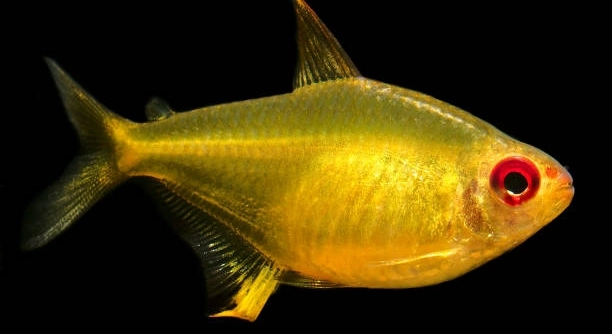
Do you ever notice your lemon tetras swimming together and wonder how much space they truly need to move freely in their tank? Observing their behavior can give clues about their comfort and health in the aquarium.
Lemon tetras thrive best in tanks that provide ample swimming space. A minimum of 20 gallons for a small school ensures they can move naturally, exhibit schooling behavior, and maintain overall well-being without stress.
Giving them the right environment affects their activity, coloration, and social interactions, making it important to plan your tank layout carefully.
Ideal Tank Size for Lemon Tetras
Lemon tetras are small but active fish that need room to swim and interact. A tank that is too small can stress them, causing dull colors or even health issues. For a group of six to eight tetras, a 20-gallon tank is the minimum recommended size. This allows them to form a natural school and reduces aggressive behavior. The tank’s shape also matters; longer tanks are better than taller ones because tetras prefer horizontal swimming space. Decorations and plants can create hiding spots, but they shouldn’t crowd the tank. Open swimming areas are just as important as shaded spots. If you add more tetras in the future, increasing the tank size is essential. Monitoring your fish’s behavior can help determine if they are comfortable, as restless or lethargic movement can indicate stress. Clean water and stable conditions complement the space requirements for a healthy aquarium environment.
A larger tank encourages more natural schooling behavior and helps tetras feel secure while moving together.
Even small changes in tank size can affect the fish’s comfort. When space is adequate, lemon tetras display vibrant colors and fluid swimming patterns. Overcrowding limits these behaviors and can cause stress-related health issues. Observing their interaction with each other and the environment provides insight into whether your tank meets their needs. Plants, rocks, and decorations are useful for hiding, but open areas are necessary for swimming. The more freedom they have, the more active and healthy they appear, which is why planning the tank layout carefully is so important.
Tank Decorations and Swimming Space
Decorations create hiding spots and reduce stress in lemon tetras, but overdoing them can limit movement.
Adding plants, driftwood, and rocks enhances the tank’s environment, but they must be arranged to leave open areas for swimming. Lemon tetras move in schools, so unblocked horizontal space is vital for maintaining natural behavior. Crowded decorations can lead to stress and decreased activity, even in a large tank. Floating plants provide shade without taking too much room, and low-lying plants along the bottom create shelter while leaving the middle open. Watching how tetras navigate the tank helps identify problem areas. Properly balancing decoration and swimming space ensures the fish feel secure but not restricted. Water flow also matters; gentle currents are better than strong ones to avoid stressing the fish. Regularly adjusting decorations as the school grows or adding more tetras keeps the tank functional and enjoyable for the fish.
Schooling Behavior and Space Needs
Lemon tetras naturally swim in schools, and proper space allows them to move together without stress. Overcrowding can disrupt their schooling, making them nervous and less active.
When lemon tetras have enough room, they display synchronized movements and interact smoothly with other fish. Limited space forces them to swim erratically or hide more often, which can affect their health and coloration. Proper swimming space also encourages exploration of the tank, helping them stay active and reducing aggression. Observing their patterns can indicate whether your tank provides adequate room for comfortable schooling and social interaction.
Swimming space directly impacts the fish’s overall well-being. When the school is confined, tetras may become stressed, leading to weaker immune systems or decreased appetite. Adequate space helps maintain energy levels, supports growth, and ensures that each fish can engage naturally in the school. Keeping the tank long and open allows proper horizontal movement, which is essential for their schooling instincts. Providing enough space also gives each fish some personal territory, reducing conflicts and supporting harmonious interactions.
Water Quality and Tank Size
A larger tank is easier to maintain and keeps water parameters more stable, benefiting lemon tetras’ health.
Bigger tanks dilute waste more effectively, preventing sudden spikes in ammonia, nitrites, or nitrates that can harm fish. Maintaining stable water temperature, pH, and filtration is simpler in a spacious environment. Small tanks require frequent monitoring and water changes, which can be stressful and time-consuming. Proper space combined with good filtration reduces the likelihood of disease and ensures a healthier school. Adequate tank size allows water to circulate efficiently, providing oxygen throughout and supporting consistent chemical balance, which is crucial for lemon tetras’ active lifestyle.
Feeding and Space
Proper space ensures all lemon tetras can access food without competition. Overcrowded tanks may leave some fish underfed while others dominate feeding spots.
Open swimming areas allow the school to move freely during feeding, reducing stress and promoting healthy growth for every fish in the tank.
Tank Mates and Movement
Compatible tank mates need similar swimming space to avoid stress and aggression. Lemon tetras do best with peaceful fish that occupy different tank levels. Overcrowding with active or larger species limits their movement, making schooling difficult and increasing the risk of injury or stress.
Observing Behavior
Watching how tetras interact in their tank shows if they have enough space. Signs of comfort include smooth schooling, bright colors, and active exploration.
Adjusting Tank Layout
Rearranging plants and decorations can create more open swimming areas. Even small changes can improve movement and overall fish well-being.
FAQ
How much space does a lemon tetra need to swim comfortably?
Lemon tetras need a minimum of 20 gallons for a small school of six to eight fish. Longer tanks are preferred over tall ones because tetras swim horizontally. Open areas are essential for schooling, and decorations should not block swimming paths. Proper space helps reduce stress and supports natural behavior.
Can lemon tetras live in a small tank?
While they may survive in smaller tanks, it is not ideal. Limited space can cause stress, dull colors, and weaker immune systems. Small tanks also make it harder to maintain stable water conditions, increasing the risk of disease. Providing adequate swimming space promotes healthier, more active fish.
Do lemon tetras prefer plants or open water?
They enjoy a mix of both. Plants provide hiding spots and security, while open water allows horizontal movement and schooling behavior. Low-lying plants and floating greenery work best, leaving the middle of the tank free for swimming. Overcrowding the tank with plants can restrict their movement.
How does tank size affect lemon tetra behavior?
Tank size directly impacts schooling and activity levels. In small tanks, tetras may swim erratically or become withdrawn. Adequate space allows synchronized movement and natural interaction with tank mates. A well-sized tank also helps them explore and reduces aggression, creating a healthier, more balanced environment.
Are lemon tetras aggressive if space is limited?
They are generally peaceful, but overcrowding can lead to stress-induced aggression. Fish may nip fins or compete for hiding spots. Ensuring enough space for each fish minimizes these behaviors. Proper tank layout with open areas and secure hiding spots helps maintain harmony within the school.
How often should I check their swimming space needs?
Observing behavior regularly is important. Watch for signs like erratic swimming, hiding, or faded colors. Adjust decorations or consider a larger tank if tetras appear stressed. Active monitoring helps ensure the tank remains comfortable as the school grows or tank mates change.
Does a larger tank improve water quality for lemon tetras?
Yes, larger tanks dilute waste more effectively, making water parameters more stable. Stable temperature, pH, and filtration reduce stress and disease risk. Bigger tanks allow better oxygen circulation and chemical balance, which supports active, healthy tetras.
Can I keep other fish with lemon tetras in the same tank?
Yes, compatible species that occupy different levels and are non-aggressive work best. Overcrowding with large or highly active fish can limit swimming space, disrupt schooling, and increase stress. Proper planning ensures all species have room to move freely and coexist peacefully.
How do I know if my lemon tetras are happy with their space?
Happy tetras display vibrant colors, smooth schooling, and active exploration. They move confidently and interact naturally with each other. Stress signs like lethargy, faded colors, or hiding indicate inadequate space or poor tank layout. Adjusting the tank accordingly helps maintain their well-being.
Is it important to rearrange decorations for space?
Yes, even small changes can create more open swimming areas. Rearranging plants and rocks helps the school move freely, reduces stress, and encourages natural behaviors. Regularly reviewing the tank layout ensures tetras continue to thrive as the environment evolves.
What is the best tank shape for lemon tetras?
Longer tanks are ideal because tetras swim horizontally. Taller, narrow tanks limit their natural movement and schooling. Providing horizontal space supports activity, social interaction, and overall health, while also giving room for plants and decorations without restricting swimming.
How many lemon tetras can I keep in one tank?
A school of six to eight is ideal for a 20-gallon tank. Larger schools require bigger tanks to maintain proper swimming space and reduce stress. Maintaining the correct ratio ensures natural schooling behavior and minimizes territorial conflicts.
Can overcrowding affect their feeding habits?
Yes, overcrowding can make it difficult for all tetras to reach food. Dominant fish may take most of the food, leaving others underfed. Open swimming space ensures equal access and promotes healthy growth for every fish in the school.
How does space influence their color and vitality?
Adequate swimming space allows tetras to remain active and stress-free, which helps maintain vibrant colors. Crowded conditions can cause fading, sluggish behavior, and weaker immune systems. Providing proper space supports natural movement, healthy growth, and overall vitality.
Should I adjust tank size as the school grows?
Yes, as more tetras are added, the tank must accommodate increased swimming needs. Expanding space ensures the school can maintain schooling behavior, reduces stress, and provides enough room for each fish to move freely. A growing school often signals it’s time for a larger tank.
Can lemon tetras thrive without open swimming areas?
No, open swimming areas are essential for their natural behavior. Limited space can lead to stress, aggression, and health problems. While plants and decorations are important for security, sufficient horizontal space is key to keeping the school active and healthy.
What is the role of gentle water flow in their tank?
Gentle currents support oxygen distribution without overwhelming the fish. Strong currents can stress tetras and limit swimming freedom. Combined with adequate space, moderate water flow helps maintain a healthy, comfortable environment where they can swim naturally and interact with the school.
How often should I adjust decorations for growing tetras?
Regular adjustments help maintain open swimming space as the school expands. Observing fish behavior will show when rearrangement is needed. Shifting plants, rocks, or floating greenery ensures the tank remains balanced, safe, and stimulating for the tetras’ natural activity.
Can space affect their lifespan?
Yes, proper swimming space reduces stress and promotes overall health. Crowded conditions can lead to illness, aggression, and weaker immune systems, shortening lifespan. Providing ample room, combined with stable water conditions and proper care, helps lemon tetras live longer and remain active throughout their life.
How do I balance decoration and open space?
Arrange low plants and decorations along the edges, leaving the middle free for swimming. Floating plants provide shade without blocking movement. This balance ensures tetras feel secure while still having enough space to school, feed, and explore naturally.
Does schooling behavior change in small tanks?
Yes, limited space can disrupt schooling, causing erratic or stressed swimming patterns. In a proper tank, tetras move in harmony, maintain social bonds, and display healthy interactions. Space is essential to support their natural instincts and prevent behavioral issues.
What signs indicate I need a larger tank?
Signs include faded colors, stress behaviors, hiding, or disrupted schooling. Increased aggression and uneven feeding are also indicators. If tetras cannot swim freely or interact naturally, it’s time to consider expanding the tank or adjusting decorations to improve open space.
Can rearranging plants reduce aggression?
Yes, proper layout creates personal space for each fish, reducing conflicts. Open swimming paths and accessible hiding spots help maintain peaceful interactions within the school. Rearranging plants and decorations thoughtfully can balance security with freedom of movement.
Is horizontal space more important than vertical space?
Yes, lemon tetras swim horizontally and need length over height. Long tanks provide room for natural schooling, exploration, and interaction. Vertical space is less critical, though some plants or decorations at different heights can provide shelter without restricting movement.
Do tank mates affect swimming space needs?
Yes, adding other species changes available room. Peaceful, mid- to top-level swimmers are ideal. Active or large fish can limit movement, disrupt schooling, and cause stress. Always plan tank layout and population to ensure enough open swimming areas for all inhabitants.
How can I improve space in an existing tank?
Remove unnecessary decorations, trim dense plants, and consider taller, longer tanks if overcrowding persists. Even small changes can create better movement paths. Observing tetras’ schooling behavior helps identify where space improvements are most needed.
Does tank size influence breeding behavior?
Yes, lemon tetras need space to pair and swim freely for spawning. Crowded tanks limit movement, reduce comfort, and may discourage breeding. Proper space, along with hiding spots, encourages natural reproductive behavior and supports healthy fry development.
Can frequent water changes help in a smaller tank?
Water changes improve quality, but they cannot replace adequate swimming space. Even with clean water, small tanks limit movement and schooling. Larger tanks remain preferable, providing stability, comfort, and natural behaviors, alongside regular maintenance.
How do I maintain a balance between hiding spots and open space?
Use low plants and edges for shelter while keeping central areas open. Floating plants can provide shade without restricting horizontal movement. This ensures tetras feel secure, remain active, and can school freely. Proper balance supports health, coloration, and social behavior.
What is the minimum number of tetras for proper schooling?
A minimum of six fish is recommended to maintain natural schooling behavior. Fewer fish may show stress or isolation, while larger schools need bigger tanks to maintain open swimming areas. Proper group size ensures healthy interaction and reduces stress within the tank.
Can stress from limited space lead to disease?
Yes, stress weakens immune systems, making tetras more susceptible to infections and parasites. Adequate swimming space, balanced decorations, and stable water conditions reduce stress and help maintain overall health and vitality.
Is it possible to keep a small tank successfully?
It’s possible with careful monitoring, frequent water changes, and minimal decorations, but it’s not ideal. Small tanks limit natural movement, increase stress, and complicate maintenance. Providing as much open swimming space as possible helps, but larger tanks are always preferable.
How do I know if my tank layout is effective?
Observe schooling behavior, coloration, activity levels, and interactions. Smooth, synchronized swimming and confident movement indicate a well-arranged tank. Signs of stress, hiding, or aggression suggest adjustments are needed to improve open swimming areas and overall comfort.
Does the size of tank decorations matter?
Yes, bulky or tall decorations can block swimming paths. Low or edge-positioned plants are ideal. Floating greenery can provide shade without restricting horizontal movement. Properly sized decorations maintain security while leaving room for active schooling behavior.
Can lemon tetras adapt to smaller tanks over time?
They may adapt behaviorally, but long-term health, coloration, and stress levels will likely be compromised. Active swimming, schooling, and vibrant coloration require sufficient space, so adaptation does not replace the need for a properly sized tank.
How can I maximize swimming space in a planted tank?
Place plants along the edges, use floating species for shade, and keep the center clear. Low decorations and careful arrangement maintain open paths for schooling while providing security. Observing fish movement ensures space remains sufficient as the tank matures.
Is it better to upgrade the tank or reduce the number of tetras?
Upgrading the tank is often better for overall health and schooling behavior. Reducing numbers works temporarily, but a larger tank allows future expansion and better water quality. Adequate space ensures active, vibrant, and healthy lemon tetras over time.
How does space influence interaction with tank mates?
Sufficient room reduces competition and stress, allowing tetras to coexist peacefully. Crowded tanks increase aggression, limit swimming, and disrupt schooling. Proper spacing ensures healthy relationships between species and supports natural behavior for all tank inhabitants.
Can rearranging the tank improve feeding efficiency?
Yes, open swimming areas reduce competition and allow all tetras to access food equally. Proper spacing during feeding promotes growth, reduces stress, and ensures every fish gets enough nutrition without dominating or hiding.
Does swimming space affect energy levels?
Yes, adequate space keeps lemon tetras active and encourages exploration. Restricted movement leads to lethargy and stress, while open areas promote natural behavior, schooling, and vitality. Active fish display brighter colors and better health over time.
What is the ideal ratio of tetras to tank size?
For a 20-gallon tank, six to eight tetras is ideal. Larger schools need more space to maintain open swimming areas. Maintaining proper ratios supports natural schooling, reduces stress, and ensures healthy growth for every fish.
How often should I reassess swimming space needs?
Monitor behavior regularly, especially when adding new tetras or tank mates. Observe schooling, feeding, and activity levels. Signs of stress indicate a need to adjust layout or upgrade the tank to ensure sufficient space for healthy behavior.
Does tank shape impact swimming patterns?
Yes, longer, horizontal tanks allow natural schooling and movement. Tall, narrow tanks restrict horizontal swimming and may cause stress or erratic behavior. Shape should prioritize horizontal space over height to support healthy schooling patterns.
Can open swimming space affect reproduction?
Yes, tetras need room to pair, swim freely, and spawn. Restricted tanks may reduce breeding success and discourage natural behavior. Providing ample horizontal space supports healthy interactions and fry development.
How do I prevent overcrowding as my tetras grow?
Plan tank size based on current and potential future population. Add decorations thoughtfully, maintain open areas, and upgrade the tank when necessary. Regular observation ensures each fish has enough room to swim comfortably.
Is swimming space more important than tank decoration?
For lemon tetras, yes. Decorations provide hiding spots, but sufficient open space is critical for schooling, activity, and overall health. Balance is key: secure hiding areas without restricting horizontal movement.
Can inadequate swimming space shorten lifespan?
Yes, stress, disease susceptibility, and poor activity from limited space can reduce lifespan. Providing a proper tank with open swimming areas, balanced decorations, and stable water conditions supports long-term health and vitality.
Do lemon tetras need more space as they age?
Their needs remain consistent, but larger schools or tank mates increase space requirements. Observing behavior helps determine if adjustments are needed to maintain comfort and natural activity.
How much space is enough for a large school?
For ten or more tetras, a tank of at least 30 gallons is recommended. Larger schools need more horizontal space to swim freely, maintain schooling behavior, and reduce stress or aggression.
Can tank shape compensate for limited size?
A longer tank helps but cannot fully replace the need for sufficient volume. Horizontal space supports schooling, while water quality and stable conditions remain essential for health and activity.
Is monitoring behavior enough to ensure adequate space?
Yes, observing movement, schooling, feeding, and coloration provides clear indicators of comfort. Behavioral signs are often the first clue that space or layout adjustments are necessary.
Can rearranging decorations encourage breeding?
Yes, creating open swimming areas with nearby hiding spots helps tetras pair and spawn comfortably. Thoughtful layout supports natural reproductive behavior while maintaining security.
Does space affect stress levels during feeding?
Yes, overcrowding during feeding increases stress and competition. Open swimming areas allow equal access, reduce aggression, and ensure proper nutrition for all fish.
How can I tell if tetras are stressed by space?
Signs include faded colors, hiding, erratic swimming, reduced feeding, or aggression. Adjusting tank layout, decorations, or increasing swimming space helps alleviate stress.
Are taller tanks suitable for lemon tetras?
Not ideal. Tetras prefer horizontal swimming space. Tall tanks limit schooling and natural movement. Using low decorations and horizontal layouts supports activity better than vertical emphasis.
Does water circulation impact perceived space?
Yes, proper flow prevents stagnant areas and helps fish move naturally. Gentle currents combined with open swimming areas create a comfortable environment without overcrowding or stress.
Can open swimming space reduce fin nipping?
Yes, giving each fish room to move freely reduces competition and frustration, minimizing aggressive behaviors like fin nipping. Proper space supports harmonious schooling and healthy social interactions.
How do I balance tank population with available space?
Ensure the number of tetras matches tank size and decorations leave room for movement. Adjust population gradually and monitor behavior to maintain open swimming areas and prevent overcrowding.
Does tank lighting influence the need for space?
Indirectly, brighter areas encourage activity and exploration, requiring open swimming paths. Low or shaded areas provide security, but horizontal space is essential for schooling and natural movement.
How can I create a dynamic yet spacious tank?
Use low-edge plants, floating greenery for shade, and open center areas. Rearrange decorations periodically to maintain swimming paths while providing shelter. Observing fish ensures the tank remains balanced for activity and comfort.
Is horizontal space more critical than depth?
Yes, horizontal length supports schooling and natural movement. Depth is secondary but can offer minor vertical exploration. Prioritizing horizontal space ensures tetras can swim freely and interact naturally.
Can limited space affect fry survival?
Yes, cramped conditions increase stress, competition, and predation risk among fry. Providing ample swimming space and hiding spots improves survival rates and supports healthy growth of young tetras.
How does tank width factor into swimming space?
Wider tanks allow more lateral movement, which is important for schooling. Narrow tanks restrict natural behavior, making tetras less active and more prone to stress. Proper width complements length for optimal movement.
Are open areas necessary for observing natural behavior?
Yes, without open swimming paths, schooling and social interactions are limited. Open areas let tetras display vibrant colors, synchronized swimming, and active exploration, indicating a healthy and comfortable environment.
Can rearranging the tank reduce stress after adding new tetras?
Yes, creating additional swimming space and hiding spots helps new and existing fish adjust. Proper layout ensures everyone has room, reducing aggression and promoting smooth integration of the school.
Does water quality interact with space requirements?
Yes, poor water quality compounds stress from limited space. Even with adequate swimming areas, unstable water parameters can harm health. Combining proper space with good water maintenance ensures optimal conditions for tetras.
How do I balance a planted tank with swimming space?
Place low plants along edges, use floating plants for shade, and keep central areas open. Regular observation ensures tetras have room to school while feeling secure in their environment.
Can open swimming space improve social behavior?
Yes, ample room allows tetras to interact naturally, maintain schooling patterns, and reduce aggression. Limited space disrupts behavior, leading to stress and less vibrant interactions among the school.
Is tank size more important than decoration style?
For lemon tetras, yes. Decorations provide security, but adequate space is essential for activity, schooling, and overall health. Style should complement movement needs, not restrict swimming areas.
How can I tell if tetras are comfortable in their space?
Comfortable tetras swim actively, school in harmony, show bright colors, and explore freely. Signs of stress or restricted behavior indicate adjustments in layout, decoration, or tank size are needed.
Does tank location affect swimming space needs?
Indirectly, yes. Tanks in busy areas can stress fish, making them less willing to explore open spaces. Quiet, stable locations complement sufficient swimming areas, promoting comfort and natural behavior.
Can overcrowding be fixed without a larger tank?
Partial solutions include reducing the number of tetras, removing decorations that block movement, or rearranging plants. However, long-term health and schooling behavior are best supported by an appropriately sized tank.
Is swimming space more important for breeding than feeding?
Yes,
Lemon tetras are small, peaceful fish, but they need the right space to be healthy and happy. A tank that is too small can make them stressed, and stress can affect their colors, behavior, and overall health. When these fish have enough room, they can swim naturally, form schools, and interact with other fish in a calm way. Observing their behavior is one of the best ways to know if they feel comfortable in their tank. Fish that are active, colorful, and swimming in harmony usually have the right amount of space. On the other hand, if you notice hiding, erratic movements, or dull colors, it may be a sign that the tank is too crowded or the swimming areas are blocked by decorations.
Open swimming areas are just as important as hiding spots for lemon tetras. Plants, rocks, and decorations provide shelter and make them feel secure, but too many can limit their movement and disrupt natural schooling behavior. A long, horizontal tank usually works best because it allows the fish to move freely across the space. Low plants and decorations along the edges create safe spots without blocking the middle of the tank. Floating plants can also provide some shade while keeping swimming areas open. Even small changes to the layout can make a big difference in how the fish behave and how active they remain. Regularly checking on the fish and their swimming patterns will help you know if adjustments are needed.
Maintaining good water quality is another important factor that works alongside space. A larger tank is easier to manage because it stabilizes temperature, pH, and other water parameters, which directly affects the fish’s health. Proper filtration, gentle water flow, and regular maintenance help reduce stress and support natural activity levels. When you provide enough space and proper care, lemon tetras can live longer, remain active, and show their best colors. Creating the right balance between swimming areas, decorations, and water quality ensures the fish feel secure but free to move. By paying attention to these factors, your lemon tetras will thrive, display natural behaviors, and maintain healthy, active lives in their home aquarium.

Hello,
If you enjoy the content that we create, please consider saying a "Thank You!" by leaving a tip.
Every little bit helps us continue crafting quality advice that supports the health, happiness, and well-being of pets around the world, for pets of all shapes, sizes, and species.
We really appreciate the kindness and support that you show us!