
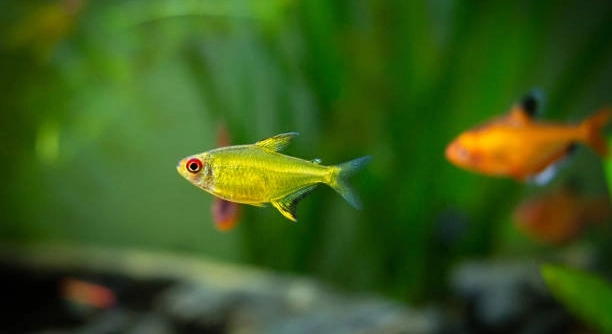
Do you ever find yourself admiring the lively colors of lemon tetras while wondering how they behave in a shared tank environment? These small, bright fish are known for their active swimming and social tendencies, making them interesting companions.
Lemon tetras are naturally schooling fish and thrive in groups of at least six. They benefit from the presence of tank mates, as companionship reduces stress, encourages natural behavior, and promotes overall health in a home aquarium environment.
Learning how to choose the right companions and arrange their habitat can make a significant difference in your lemon tetras’ daily life.
Understanding Lemon Tetra Social Behavior
Lemon tetras are naturally social fish that feel most comfortable in groups. They often swim together in synchronized patterns, which helps them feel safe and reduces stress. When kept alone, they may hide more often or appear less active, which can affect their overall health. Observing their interactions, you can see subtle signs like gentle nudges or coordinated movements, showing they are communicating and responding to each other. Keeping at least six in a tank allows them to form small social networks, making the aquarium more lively and balanced. Their small size means they adapt well to community tanks, but compatibility with other species should be considered to avoid aggression or competition. Providing plants, open swimming space, and gentle filtration helps maintain calm interactions. Over time, you can notice their personalities emerge, such as curiosity, playfulness, or cautious behavior, which makes monitoring their group dynamics both informative and rewarding for anyone keeping them.
These fish are calmer and healthier when kept in groups rather than in isolation, encouraging natural swimming patterns and reducing stress.
Watching lemon tetras interact shows how social structure impacts behavior. They move in schools, respond to one another, and share space in predictable ways. A well-arranged tank with hiding spots and open areas allows each fish to explore safely. Gradually, they develop routines and bonds with their tank mates. Their activity levels are higher, and colors appear brighter when they are in groups. The social environment also helps prevent boredom and promotes healthy feeding habits, as fish often mimic each other when approaching food. Understanding these behaviors helps create a more balanced, harmonious aquarium where each lemon tetra can thrive while sharing the tank peacefully.
Choosing Suitable Tank Companions
Not all fish are a good match for lemon tetras.
When selecting companions, choose species that are peaceful, similar in size, and enjoy similar water conditions. Avoid aggressive or overly large fish that may intimidate them. Small schooling species, like harlequin rasboras or small danios, are often compatible. Maintaining proper water temperature, pH, and tank layout ensures that all species coexist without stress. Introducing new fish gradually helps minimize disruptions, allowing lemon tetras to adjust to newcomers. Overcrowding should be avoided to reduce competition for space and food, which can trigger stress behaviors. Observing their reactions during the first few days is important; hesitation or hiding may indicate incompatibility. Regular tank maintenance, including water changes and monitoring of health, further supports a stable environment. With careful planning, lemon tetras can thrive alongside suitable companions, creating a peaceful and active aquarium display.
Tank Size and Environment
A larger tank helps lemon tetras feel secure and reduces territorial behavior. A minimum of 20 gallons is ideal for a small school, giving them space to swim and interact naturally. Plants and open areas improve their comfort and overall health.
Providing a balanced environment requires careful attention to layout and water conditions. Live plants offer hiding spots, while open swimming areas allow for schooling behavior. Gentle filtration keeps the water clean without creating strong currents that stress the fish. Substrate choice and lighting also influence their activity and color display. Regular monitoring of temperature and pH ensures conditions remain stable, supporting natural behavior and growth. Observing their movement patterns can help identify any issues early, such as aggression or illness, allowing adjustments before problems escalate.
Maintaining stability is key for long-term health. Sudden changes in water chemistry, temperature, or tankmates can disrupt social structure and increase stress levels. A consistent feeding routine encourages predictable behavior and reduces competition. Using plants, decorations, and adequate swimming space supports natural interactions, keeping the school cohesive. Monitoring their behavior daily provides insight into group dynamics, helping you notice shifts in hierarchy or health concerns. The right tank setup fosters both comfort and activity, ensuring lemon tetras remain vibrant and engaged over time.
Feeding and Companionship
Lemon tetras eat small flakes, micro-pellets, and live foods, which can be shared with compatible species without issues.
Feeding in a group encourages natural schooling behavior, as fish follow each other to food sources. They can be shy at first, so scattering food across the tank helps all individuals access nutrition. Overfeeding should be avoided to prevent water quality issues, which can stress the fish and harm their companions. Providing variety, including occasional live or frozen foods, enhances their health and coloration. Observing how they feed together shows their social tendencies, such as taking turns or gently nudging one another aside. Feeding times also offer an opportunity to monitor health, noting activity levels and appetite, which reflect their overall well-being in a communal environment.
A consistent feeding schedule strengthens group bonds. Fish tend to anticipate mealtime, swimming actively together and maintaining a stable social hierarchy. Balanced nutrition prevents dominance by more aggressive individuals and encourages all members to thrive. Monitoring food intake ensures shy or weaker fish are not left behind. Rotating food types, including flakes, pellets, and occasional live foods, maintains interest and promotes health. Feeding sessions also allow observation of interactions and identification of potential issues, such as stress, aggression, or illness. Careful attention to both quantity and distribution keeps the group harmonious, supporting their social and physical needs.
Signs of Stress in Lemon Tetras
Stress in lemon tetras often shows through hiding, dull coloration, or erratic swimming. These behaviors usually indicate that the tank environment or social structure is not ideal. Prompt attention helps prevent long-term health issues.
Other signs include loss of appetite and frequent rubbing against decorations. Monitoring behavior daily ensures early detection, allowing adjustments to tankmates, water conditions, or feeding routines to keep them healthy.
Introducing New Tank Mates
Gradual introduction reduces stress and aggression. Use a separate container or net to allow the fish to see each other before full integration. Observe reactions closely during the first days.
Maintaining Water Quality
Stable water parameters are crucial for lemon tetras’ health and group cohesion. Regular testing for temperature, pH, and ammonia levels ensures a safe environment. Clean water reduces stress and prevents disease, supporting natural behavior.
Tank Decorations and Hiding Spots
Providing plants, rocks, and small hiding areas gives lemon tetras security. These features allow them to retreat when feeling threatened, helping maintain a peaceful tank atmosphere.
FAQ
How many lemon tetras should be kept together?
Lemon tetras are schooling fish, so they need to be kept in groups of at least six to feel comfortable. Smaller numbers can make them shy, stressed, or prone to hiding. A larger group allows them to display natural swimming patterns and social interactions, which improves their overall health and coloration.
Can lemon tetras live with other fish?
Yes, they do well with peaceful species of similar size, like harlequin rasboras, small danios, or other non-aggressive tetras. Avoid larger or aggressive fish, as these can intimidate lemon tetras and disrupt their social structure. Proper tank setup and monitoring help all species coexist safely.
Do lemon tetras need plants in the tank?
Plants provide hiding spots and create a secure environment, reducing stress for lemon tetras. Floating plants or dense foliage allow them to feel safe while swimming. Plants also help maintain water quality by absorbing nitrates and providing oxygen, supporting overall tank health.
What water conditions do lemon tetras need?
They thrive in water temperatures between 72–80°F (22–27°C), a pH of 6.0–7.5, and soft to moderately hard water. Stability is essential, as sudden changes in temperature, pH, or hardness can stress them and lead to illness. Regular testing helps maintain these parameters.
How often should lemon tetras be fed?
Feed them small amounts 1–2 times a day. Overfeeding can pollute the tank, causing health problems. They enjoy a variety of flakes, pellets, and occasional live or frozen foods. Scattering food ensures all fish get a chance to eat.
Do lemon tetras get along with shrimp or snails?
Peaceful in nature, lemon tetras generally coexist with small invertebrates like shrimp or snails. Avoid species that are aggressive or predatory toward invertebrates. Observing interactions is important during the first few days to ensure harmony in the tank.
How can I tell if my lemon tetras are healthy?
Healthy lemon tetras are active, swim in schools, and display vibrant colors. They eat regularly and respond to feeding. Stress signs include hiding, fading color, clamped fins, or erratic swimming. Regular observation helps catch health issues early.
Do lemon tetras need a specific tank size?
A minimum of 20 gallons is recommended for a small school. This provides enough space for swimming and social interaction while preventing overcrowding. Bigger tanks allow for more complex setups with plants, hiding spots, and open swimming areas, enhancing their well-being.
Can lemon tetras be kept in a community tank?
Yes, as long as all species are peaceful and have similar water requirements. Avoid aggressive or territorial fish. Proper space, hiding spots, and monitoring during introductions help maintain a stable and stress-free community tank.
How do I introduce new fish to a lemon tetra tank?
Introduce them gradually, using a quarantine container or net to allow visual contact before full integration. Observe behavior for signs of aggression or stress during the first week. Adjust placement of decorations or rearrange the tank to reduce territorial disputes if needed.
Are lemon tetras sensitive to water changes?
They prefer stable conditions, but regular water changes are important to remove toxins and maintain water quality. Change 20–30% of the water weekly. Ensure the new water matches temperature and pH to avoid shocking the fish.
Do lemon tetras need special lighting?
They don’t need intense lighting, but moderate light enhances their color and supports plant growth. Too bright or constant lighting can stress them. Providing a natural day-night cycle improves their behavior and overall well-being.
How long do lemon tetras live?
With proper care, lemon tetras typically live 3–5 years. Stable water conditions, a balanced diet, and a peaceful social environment help maximize their lifespan and maintain vibrant coloration.
Can lemon tetras breed in a community tank?
Breeding is possible but challenging in a community tank. They prefer a separate breeding tank with fine-leaved plants or spawning mops. Adults may eat eggs, so removing eggs or moving adults is necessary to increase survival rates.
What common problems affect lemon tetras?
Stress from poor water conditions, overcrowding, or aggressive tankmates is the most common issue. Disease can occur if the tank is not clean. Maintaining stable water parameters, a proper diet, and monitoring behavior helps prevent these problems.
How can I reduce aggression in a mixed tank?
Ensure compatible species, provide enough space, and include hiding spots. Avoid overcrowding and maintain stable water conditions. Observing interactions allows for early intervention if aggression develops, keeping the tank peaceful for all inhabitants.
Do lemon tetras require any special care in winter?
Indoor aquariums usually maintain temperature naturally, but ensure heaters are working if temperatures drop. Avoid sudden temperature changes. Feeding can remain consistent, but always monitor fish for stress or unusual behavior during seasonal shifts.
Are lemon tetras suitable for beginners?
Yes, they are hardy, peaceful, and adaptable to community tanks. They require stable water, a balanced diet, and companionship. Observing their behavior and maintaining clean water makes them manageable even for someone new to fishkeeping.
How often should I clean a lemon tetra tank?
Weekly partial water changes and regular removal of debris are sufficient. Avoid deep cleaning that disrupts beneficial bacteria. Monitoring water parameters ensures the tank remains healthy without stressing the fish.
Can lemon tetras tolerate slightly different water conditions?
They are somewhat adaptable but prefer stable water within their preferred ranges. Slight deviations may be tolerated short-term, but long-term stress can affect health and coloration. Gradual acclimation helps when introducing them to a new environment.
Do lemon tetras interact with humans?
They don’t form strong bonds but recognize feeding routines and may swim actively when food is offered. Observing them can be rewarding, as their coordinated movements and vibrant colors make them engaging to watch.
Lemon tetras are small, peaceful fish that bring color and movement to any tank. Their natural behavior makes them ideal for groups, as they thrive when surrounded by their own kind. Watching a school of lemon tetras swim together is calming and can make a tank feel lively without any fuss. Their social tendencies mean they interact with one another frequently, creating patterns of swimming and small displays of activity that are interesting to observe. Keeping them in proper groups not only allows them to express their natural behavior but also helps prevent stress-related issues. When isolated or placed with incompatible tankmates, lemon tetras may hide more often or lose their bright coloration, which is a clear sign that they are not comfortable.
Creating the right environment for lemon tetras is important for their health and happiness. A tank with enough space for swimming, combined with plants and decorations, provides security and opportunities for exploration. Open areas let them school freely, while hiding spots allow them to retreat when they feel threatened. Water conditions should remain stable, with attention to temperature, pH, and overall cleanliness. A consistent feeding routine ensures all fish in the group have access to proper nutrition. Observing their behavior daily can provide early warning signs if something is wrong, such as stress or illness. Providing a balanced environment reduces the chance of aggression or dominance issues and allows the group to remain harmonious.
Lemon tetras can also do well with carefully selected tankmates, as long as the other species are peaceful and share similar water requirements. Choosing the right companions requires observation and gradual introduction, but successful integration creates a vibrant community tank. Proper care, including maintaining water quality, feeding appropriately, and offering enrichment through plants and decorations, will allow lemon tetras to live longer, healthier lives. While they are not demanding fish, they benefit greatly from attention to their social needs and environment. Over time, keeping a group of lemon tetras can be a rewarding experience, offering both visual enjoyment and insight into the natural behavior of schooling fish. Their bright colors, active movement, and gentle social interactions make them a beautiful and engaging addition to a well-maintained aquarium.

Hello,
If you enjoy the content that we create, please consider saying a "Thank You!" by leaving a tip.
Every little bit helps us continue crafting quality advice that supports the health, happiness, and well-being of pets around the world, for pets of all shapes, sizes, and species.
We really appreciate the kindness and support that you show us!