
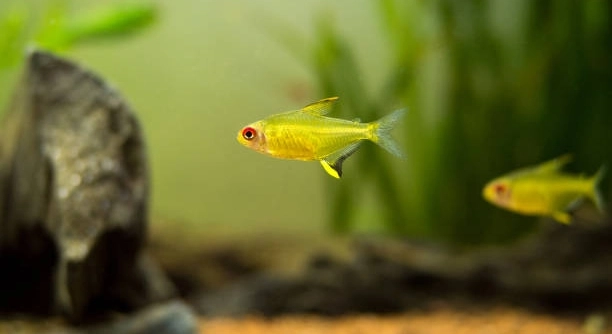
Lemon tetras are small, bright freshwater fish that bring life to any aquarium. They are active swimmers and often interact with other fish, making them a lively and colorful addition to your tank. Their cheerful presence is easy to enjoy.
Lemon tetras are primarily diurnal, meaning they are active during the day and rest at night. Their behavior includes swimming in schools, feeding during daylight hours, and seeking shelter when light levels decrease, reflecting natural patterns observed in the wild.
Observing their daily habits can improve your aquarium setup and feeding schedule. Learning about their natural routines helps ensure they stay healthy and thrive in your care.
Understanding Lemon Tetra Behavior
Lemon tetras are gentle fish that prefer living in groups. They often swim together in small schools, creating a sense of security and social interaction. In the wild, they inhabit calm, slow-moving waters, which influences their behavior in home aquariums. Observing their movements during the day shows a clear pattern of activity and rest. During daylight hours, they actively explore the tank, searching for food and interacting with other fish. Their bright yellow bodies and subtle blue highlights make them easy to spot while they swim around plants and decorations. At night, their activity slows significantly, and they tend to stay close to hiding spots or among plants. Providing a balanced environment with adequate light and shaded areas allows lemon tetras to follow natural routines. Feeding them small portions during daylight encourages proper activity levels and prevents overfeeding. Tank mates that are calm and non-aggressive complement their peaceful nature well.
Understanding these behaviors helps maintain a healthy aquarium for them. They thrive best with attention to their daily routines.
Keeping their natural environment in mind, it’s important to avoid sudden changes in lighting or tank layout. Lemon tetras adapt well to stable conditions but can become stressed if exposed to bright light at night or overly aggressive companions. Maintaining clean water with proper filtration supports their health and encourages regular activity. Observing their feeding habits also reveals subtle differences between individual fish, which can guide how much food to provide. Even small decorations or plants can influence where they swim and rest. While they are active in daylight, nighttime should remain calm, with minimal disturbance. Monitoring these patterns ensures that they maintain natural behaviors, which contributes to longevity and overall wellbeing. By aligning the aquarium setup with their habits, you create an environment where lemon tetras can thrive, swim freely, and interact comfortably, reflecting their natural diurnal tendencies and ensuring a lively, balanced tank.
Feeding and Daily Care
Lemon tetras prefer small, frequent meals and respond well to live or frozen foods. They tend to eat more actively during daylight hours, aligning with their diurnal behavior.
Feeding them at consistent times helps reinforce their daily rhythm. Overfeeding can cause water issues and stress, so careful portions are key.
Maintaining water temperature between 72-80°F and monitoring pH levels keeps them healthy. They do best in planted tanks, where hiding spots reduce stress and mimic natural habitats. Observing their interactions can reveal health or social issues early. Rotating food types ensures they receive essential nutrients while encouraging active feeding behavior. Light cycles should match natural day and night patterns, providing roughly 10-12 hours of light. This balance allows them to stay active during the day and rest at night. Regular water changes prevent buildup of waste and keep the tank environment stable. Small tank companions, such as peaceful tetras or rasboras, complement their social nature, reducing aggressive encounters. Being mindful of their daily activity patterns and feeding needs supports longevity and creates a thriving, visually appealing aquarium.
Tank Environment and Lighting
Lemon tetras need a stable tank environment with proper lighting. Too much light can stress them, while too little reduces activity. Plants, hiding spots, and gentle filtration create a calm, natural habitat that encourages healthy diurnal behavior and comfortable swimming patterns.
Maintaining consistent lighting helps regulate their activity cycle. A 10-12 hour light period during the day simulates natural daylight, supporting feeding and swimming habits. At night, dim or no light allows them to rest and reduces stress. Aquatic plants and decorations provide shelter and help them feel secure. Positioning the tank away from direct sunlight prevents overheating and keeps water quality stable. Regular water monitoring, including temperature and pH, ensures they remain healthy. Sudden changes in lighting or tank setup can disrupt their routines, so gradual adjustments are best. By creating this environment, lemon tetras remain active, alert, and display natural diurnal behaviors.
Temperature, water quality, and tank layout directly impact activity. Stable conditions prevent stress and support growth. Observing their patterns allows timely adjustments for a balanced aquarium.
Social Behavior and Interaction
Lemon tetras thrive in small schools, preferring the company of 5-10 fish. Being with others reduces stress, encourages swimming, and prevents loneliness in the tank.
Grouping affects behavior and feeding. Active schooling promotes natural interactions and keeps the fish engaged. Isolated individuals can become shy or inactive, hiding excessively among plants or decorations. Social dynamics influence swimming patterns, with dominant individuals sometimes guiding group movement. Introducing compatible tank mates maintains harmony, while avoiding aggressive species prevents injuries. Regular observation helps identify signs of stress or illness, such as reduced appetite or clamped fins. Healthy social interaction supports feeding habits, reduces aggression, and promotes natural diurnal routines.
Understanding social hierarchy improves care. Observing interactions informs feeding schedules, tank adjustments, and companion choices. A well-planned group ensures lemon tetras remain active, healthy, and visually vibrant.
Feeding Patterns and Timing
Lemon tetras are active feeders during the day, matching their diurnal nature. They prefer small, frequent meals, which helps maintain energy levels and prevents overfeeding. Consistent feeding schedules support healthy behavior and reduce stress.
Offering a mix of flake, frozen, or live foods keeps their diet balanced. Feeding at the same times daily reinforces activity patterns. Overfeeding can lead to water quality issues, while underfeeding reduces energy and swimming activity. Observing their feeding habits helps adjust portions, ensuring all fish get enough without excess waste. Providing variety also encourages natural foraging behavior.
Resting and Night Behavior
At night, lemon tetras slow their activity and seek shelter among plants or decorations. This resting period is essential for their health and stress management.
They are sensitive to sudden light changes, so keeping nights calm helps maintain a proper day-night cycle.
Common Health Indicators
Healthy lemon tetras are active during the day, swim smoothly, and show bright coloration. Reduced movement or faded colors can indicate stress or illness. Monitoring behavior regularly ensures problems are detected early, allowing timely intervention.
Aquarium Maintenance
Regular water changes, proper filtration, and monitoring of temperature and pH keep the tank safe. Clean conditions support both daytime activity and nighttime rest.
FAQ
Are lemon tetras active at night?
Lemon tetras are not active at night. They are diurnal, meaning they are awake and swim mainly during the day. At night, they rest among plants or decorations. This resting period is natural and helps them recover energy for the next day’s activity. Sudden bright lights at night can stress them and disrupt their natural routine.
Can I keep lemon tetras alone?
Lemon tetras are social fish that thrive in small schools. Keeping them alone often makes them shy or inactive. They rely on the presence of other tetras for security and social interaction. A group of five to ten is ideal, which encourages swimming together and reduces stress.
What kind of tank setup do they need?
They need a stable environment with clean water, moderate lighting, and hiding spots. Plants, rocks, and gentle filtration create a natural feel that supports their diurnal patterns. Avoid sudden changes in lighting or tank layout, as this can cause stress and disrupt their activity levels.
How often should I feed lemon tetras?
They do best with small, frequent meals. Feeding twice a day during daylight hours works well. A mix of flake, frozen, or live foods provides balanced nutrition. Overfeeding can harm water quality, while underfeeding reduces their activity and energy. Observing their appetite helps adjust portions properly.
What tank mates are suitable for lemon tetras?
Peaceful fish such as other small tetras, rasboras, or dwarf cichlids work well. Aggressive species can stress or harm them. Keeping compatible companions ensures healthy social interactions and maintains calm swimming behavior. Monitoring group dynamics is important to prevent dominance or bullying.
How do I know if my lemon tetras are healthy?
Healthy tetras are active during the day, swim smoothly, and show bright colors. Signs of stress include clamped fins, faded coloration, or hiding excessively. Reduced appetite or unusual swimming patterns may indicate illness. Regular observation helps detect problems early.
Can lighting affect their behavior?
Yes, proper lighting supports their diurnal activity. A 10-12 hour light period during the day helps feeding and swimming habits. Nighttime should be dim or dark to allow rest. Sudden light changes can stress them and disrupt normal patterns. Using a timer helps maintain a consistent cycle.
Do lemon tetras need special water conditions?
They prefer slightly acidic to neutral water with a temperature between 72-80°F. Regular monitoring of pH, temperature, and ammonia levels ensures a safe environment. Stable water conditions support natural behavior, reduce stress, and promote longevity. Frequent small water changes help maintain quality.
How can I encourage natural behavior?
Providing plants, hiding spots, and a calm environment encourages swimming and foraging. Grouping them with compatible companions supports schooling and social behavior. Feeding at consistent times and maintaining stable water conditions reinforce diurnal activity and overall health.
What should I avoid in their care?
Avoid keeping them alone, introducing aggressive tank mates, sudden lighting changes, or inconsistent feeding. Overfeeding and poor water quality also cause stress. Careful attention to these factors helps lemon tetras remain active, healthy, and vibrant in your aquarium.
How long do lemon tetras live?
With proper care, lemon tetras can live 3-5 years. Stable water conditions, balanced nutrition, and a suitable social environment contribute to longevity. Regular observation of behavior and health helps prevent issues that could shorten their lifespan.
Lemon tetras are small, vibrant fish that bring energy to an aquarium. Their bright yellow bodies with subtle blue highlights make them easy to notice, and their natural behavior is enjoyable to watch. These fish are diurnal, meaning they are active during the day and rest at night. Understanding this simple fact helps in creating a tank that suits their natural rhythm. A well-planned environment allows them to swim freely during daylight, explore hiding spots, and interact safely with other fish in the tank. Observing their behavior closely can reveal subtle differences in personality and health, which can guide feeding routines and tank maintenance.
Maintaining a stable tank environment is essential for lemon tetras. Proper lighting, clean water, and gentle filtration create conditions that support their natural habits. Plants and decorations offer shelter and security, which is particularly important during their resting hours at night. Feeding them small, balanced meals during the day aligns with their activity cycle, ensuring they receive enough energy without overfeeding. Keeping them in small groups encourages natural schooling behavior, which reduces stress and improves overall health. Choosing compatible tank mates also prevents conflicts and allows them to remain active and social. Gradual adjustments to lighting, water temperature, or tank layout help avoid stress and maintain consistent routines.
Overall, caring for lemon tetras requires attention to their daily patterns and natural tendencies. Observing their activity during the day, providing safe resting areas at night, and maintaining water quality ensures they stay healthy and active. Proper feeding, social grouping, and a calm environment support their behavior and longevity. By creating a tank that reflects their natural habitat, lemon tetras can thrive, display vibrant colors, and engage in healthy swimming and social activity. Paying attention to these details allows for a balanced, peaceful aquarium where these small fish can live comfortably and naturally, reflecting the simplicity and beauty of their daily lives.

Hello,
If you enjoy the content that we create, please consider saying a "Thank You!" by leaving a tip.
Every little bit helps us continue crafting quality advice that supports the health, happiness, and well-being of pets around the world, for pets of all shapes, sizes, and species.
We really appreciate the kindness and support that you show us!