
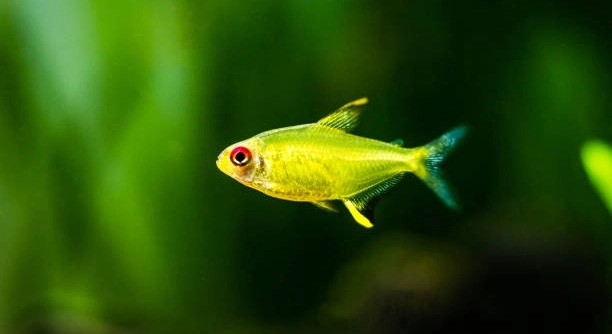
Are your Lemon Tetras new to their tank and showing subtle signs of adjustment? Observing their behavior during the first few days can reveal how well they are adapting to their new environment. Small changes often indicate comfort.
Settling in for Lemon Tetras is marked by consistent swimming patterns, proper feeding response, minimal hiding, social interactions with tank mates, and healthy coloration. Monitoring these behaviors provides insight into their acclimation and overall well-being in a newly established aquarium.
Recognizing these indicators will help ensure your tetras are comfortable, content, and thriving in their new home environment.
Swimming Patterns and Comfort Levels
New Lemon Tetras often reveal their comfort through swimming habits. When they move steadily through the tank without erratic bursts or prolonged hiding, it is a good sign. Early days may include cautious exploration, often near plants or decorations. Over time, consistent swimming in open areas reflects growing confidence and adjustment. Watching their movement can help detect stress or illness before it becomes serious. When they swim together, maintaining distance but occasionally gliding close to one another, it shows social comfort. They may also start using different areas of the tank for resting, feeding, and interaction. Recognizing these patterns early allows for adjustments in tank setup or water conditions, which support their acclimation. Swimming behavior provides a reliable indicator that your tetras are beginning to feel secure and are interacting naturally with their environment. Observation is key to ensuring a calm and healthy tank ecosystem.
Stable swimming indicates overall adaptation and signals that your tetras feel secure in their surroundings.
Regular monitoring of these behaviors allows for subtle interventions, ensuring your tetras maintain health and comfort. Observation over weeks reveals gradual confidence and natural interaction patterns. Adjustments to lighting, decoration placement, and feeding spots can reinforce a positive tank environment. Even small signs, such as a slight increase in vertical swimming or gentle schooling behavior, show they are settling. By noting these changes, you can create a balanced aquarium that supports both physical and mental well-being. Over time, tetras that exhibit relaxed swimming and consistent patterns tend to have fewer health issues. This approach helps prevent stress-related behaviors and encourages proper growth and coloration. Keeping a careful eye ensures that environmental factors, such as temperature, filtration, and tank mates, remain optimal. Observing swimming patterns is one of the simplest and most effective ways to gauge their acclimation progress while allowing you to make informed care decisions.
Feeding Response and Appetite
A healthy appetite is an important sign of adjustment in Lemon Tetras.
Tetras that readily accept food, explore feeding areas, and show minimal hesitation indicate comfort and confidence in their environment. During the first week, some may be cautious or ignore food briefly, but gradually, consistent interest in meals shows proper acclimation. Feeding response also reflects overall health. Strong appetite supports growth and activity, while sudden refusal may point to stress, water quality issues, or illness. Introducing small amounts multiple times daily encourages regular feeding habits and allows observation of each fish’s response. Watching how they interact during feeding provides insight into social hierarchy and comfort levels. Over time, tetras that feed consistently without aggression or excessive competition are settling well. Providing a balanced diet with varied flakes, micro pellets, or occasional live food ensures nutrition and supports vibrant coloration, reflecting both physical and environmental adjustment. Proper feeding routines reinforce tank stability and confidence in the new surroundings.
Social Interactions
Lemon Tetras often show comfort through gentle social behavior. Swimming in small groups, occasionally brushing against each other, and mirroring movements are signs of adjustment. Avoiding prolonged hiding or aggression indicates they are beginning to feel secure.
Tetras that interact calmly with tank mates demonstrate proper acclimation. They may form loose schools, move together while exploring, and maintain comfortable distances without chasing or nipping. Occasional brief displays of dominance are normal but should not escalate. These interactions help reduce stress and provide a sense of security within the aquarium. Monitoring these behaviors ensures that all tetras have space to thrive, and interventions can be applied if aggression or excessive shyness appears. Positive social interactions indicate a balanced environment and proper adaptation.
Watching their social patterns over time allows for small adjustments in tank layout or decoration placement. Adding hiding spots or rearranging plants can improve comfort and reduce stress. Tetras that swim together, explore together, and share feeding times peacefully reflect a stable hierarchy. Their interactions also help identify individuals that may need extra attention due to illness or timid behavior. Ensuring social harmony contributes to their health, coloration, and long-term well-being. Observing these dynamics consistently helps maintain a calm, thriving aquarium.
Coloration and Physical Health
Healthy Lemon Tetras exhibit bright, even coloration without dull patches or faded fins.
Consistent, vibrant colors are strong indicators of comfort and good water quality. Pale or patchy skin may suggest stress, improper diet, or illness. Observing their fins, body shape, and swimming posture provides insight into physical well-being. Tetras that maintain vibrant yellow and reflective silver tones are adapting well to their surroundings. Minor fluctuations in brightness are normal during the day but should stabilize as they settle. Proper nutrition, stable water parameters, and reduced stress help preserve coloration. Color intensity also signals readiness for social interactions and overall confidence in the tank.
Physical health complements coloration as a visible measure of adaptation. Clear eyes, intact fins, and smooth scales indicate stability and resilience. Tetras that show balanced growth, respond well to feeding, and maintain proper body condition are adjusting successfully. Poor coloration often coincides with lethargy or hiding, so early observation allows corrective action. Maintaining clean water, adequate filtration, and a varied diet supports both appearance and vitality. Recognizing these signs early ensures interventions can prevent illness, stress, or malnutrition. Vibrant coloration combined with strong physical health reflects a secure, thriving environment for Lemon Tetras.
Hiding and Resting Spots
Lemon Tetras use plants and decorations for comfort. Occasional hiding is normal, but frequent, prolonged hiding can indicate stress. Balanced use of resting spots shows they are adapting and feel secure in their environment.
Providing several hiding places allows tetras to regulate exposure to tank activity. Comfortable fish will move between open areas and sheltered spots without hesitation.
Interaction with Tank Environment
Settled Lemon Tetras explore decorations, plants, and substrate confidently. They investigate corners, swim around obstacles, and return to resting areas predictably. Environmental engagement reflects growing security and comfort. They learn feeding zones, preferred swimming paths, and resting spots while showing minimal stress responses to changes.
Response to Light and Movement
Tetras that tolerate normal light cycles and minor tank disturbances demonstrate acclimation. Sudden flashing or constant skittishness can indicate ongoing adjustment. Regular exposure to gentle light and minimal abrupt movement supports confidence.
How long does it take for Lemon Tetras to settle in?
Most Lemon Tetras begin showing signs of adjustment within the first week. Gradual changes in swimming, social behavior, and feeding response indicate progress. Full acclimation can take up to two or three weeks, depending on tank size, water quality, and environmental stability. Observing their daily habits helps track comfort levels and identify any issues early. Patience is important, as sudden changes or stress can delay their settling process.
Why are my Lemon Tetras hiding all the time?
Hiding is normal during initial tank introduction. Excessive or prolonged hiding may suggest stress, poor water quality, or aggressive tank mates. Check temperature, pH, and filtration to ensure stable conditions. Rearranging decorations or adding additional plants can provide safe spaces without isolating them completely. Once comfortable, tetras gradually reduce hiding and increase exploration.
What signs indicate my tetras are healthy and settled?
Healthy Lemon Tetras exhibit consistent swimming, bright coloration, social interaction, and a good appetite. Smooth fins, clear eyes, and balanced growth further indicate acclimation. Calm schooling and exploration without aggression or lethargy show they are comfortable. Monitoring these signs regularly ensures early detection of potential health or environmental issues.
How do I encourage my tetras to eat?
Offering small, frequent meals of high-quality flakes, micro pellets, or occasional live food stimulates appetite. Place food in consistent spots and observe their response. Some may take time to adjust; patience and consistency help them recognize feeding routines. Avoid overfeeding, as uneaten food can degrade water quality and stress the fish.
Can tetras adapt to new tank decorations easily?
Yes, Lemon Tetras adjust over time to new decorations, but changes should be gradual. Sudden rearrangements may cause stress or temporary hiding. Observing their movement and swimming after modifications ensures they feel secure. Providing a mix of open swimming space and sheltered areas supports confidence and natural behavior.
Do tetras interact with other fish while settling in?
Social interactions reflect comfort. Lemon Tetras that swim in loose schools, occasionally follow each other, or maintain close proximity show proper acclimation. Aggression or extreme avoidance may indicate stress or incompatible tank mates. Adjusting group size, hiding spots, or territorial boundaries can improve social harmony.
How does water quality affect their acclimation?
Stable water parameters are crucial. Temperature, pH, ammonia, nitrite, and nitrate levels directly impact stress and settling time. Sudden changes or poor filtration may cause hiding, loss of appetite, or dull coloration. Regular testing and careful maintenance ensure a supportive environment for healthy adjustment.
Is it normal for tetras to change color temporarily?
Minor color changes are common when adjusting. Pale or muted tones can indicate stress, low light, or adaptation to surroundings. Vibrancy usually returns as they acclimate and gain confidence. Significant or persistent fading may signal water quality issues, illness, or nutritional deficiencies.
Should I monitor my tetras daily?
Daily observation helps identify small changes in swimming, feeding, and social behavior. Tracking these patterns allows early intervention for stress, illness, or environmental problems. Even brief monitoring ensures that tetras are settling comfortably and supports long-term health and well-being.
How do I know when they are fully settled?
Fully settled Lemon Tetras swim consistently in open areas, interact socially without aggression, eat reliably, and display vibrant coloration. They explore decorations confidently and use hiding spots only occasionally. Stable behavior over several weeks indicates complete acclimation and comfort in their tank.
Can stress delay their settling process?
Stress from poor water conditions, aggressive tank mates, or abrupt changes can slow adjustment. Reducing disturbances, maintaining optimal parameters, and providing sufficient hiding spaces accelerate acclimation. Calm, consistent care encourages confidence and long-term stability in their new environment.
What role does lighting play in their adjustment?
Proper lighting supports natural behavior. Bright or fluctuating light can stress tetras, while steady, moderate illumination encourages exploration and normal activity. Gradually adjusting light intensity during initial days helps them acclimate without disrupting feeding or swimming patterns.
Is it normal for tetras to explore slowly at first?
Yes, cautious exploration is common during the first days. Gradually, they expand their swimming areas, interact with tank mates, and investigate feeding spots. Patience and observation allow them to adapt at their own pace without forcing interaction or movement.
How do I handle new tank mates during acclimation?
Introducing compatible, calm species supports Lemon Tetras’ comfort. Aggressive or territorial fish may increase stress and hiding behavior. Monitor interactions closely, provide hiding spaces, and ensure adequate swimming areas to reduce conflicts and support natural social behavior.
How can diet influence their settling process?
A varied, balanced diet supports health, energy, and coloration, reducing stress during acclimation. Adequate nutrition improves activity, appetite, and resilience to minor environmental changes. Live or frozen food can encourage feeding response, while high-quality flakes or pellets ensure steady growth and vitality.
Are small behavioral changes important to note?
Yes, subtle shifts in swimming speed, hiding frequency, or schooling patterns provide early insight into comfort and health. Noting these details helps address minor stressors before they develop into larger problems, ensuring successful acclimation and long-term well-being.
Do tetras need space to establish comfort?
Sufficient open swimming areas and hiding spots are critical. Overcrowding or lack of shelter may prolong hiding or aggression. A balanced layout allows exploration, social interaction, and restful retreats, supporting a secure, comfortable environment for all tank residents.
Can I speed up their settling in?
Gradual acclimation, consistent feeding, stable water conditions, and minimal disturbances support faster adjustment. Avoid sudden changes in tank layout or light. Providing hiding spots and observing social behavior ensures confidence, comfort, and a smooth transition to their new environment.
How often should I check water parameters during acclimation?
Daily testing in the first weeks helps detect ammonia, nitrite, nitrate, or pH fluctuations. Maintaining stable conditions minimizes stress, supports feeding behavior, and encourages regular swimming. Once tetras are settled, routine monitoring can be reduced but should remain consistent for long-term health.
What are the main indicators that a tetra is stressed?
Excessive hiding, loss of appetite, erratic swimming, dull coloration, or aggression are key stress indicators. Identifying and addressing these issues early through water adjustments, tank layout changes, or dietary improvements promotes acclimation and prevents illness.
Is schooling behavior a reliable sign of comfort?
Yes, cohesive yet flexible schooling shows social stability and confidence. Fish that move together naturally, explore the tank, and feed calmly demonstrate proper adaptation. Disrupted or fragmented schooling can indicate stress or discomfort, requiring minor adjustments in environment or group dynamics.
How important is observation during the first week?
Observation is crucial. Monitoring movement, feeding, social interaction, and color daily provides immediate insight into adjustment progress. Early detection of stress or illness allows timely intervention, ensuring a healthy, comfortable environment for Lemon Tetras to settle successfully.
Can tank decorations affect their behavior?
Yes, decorations provide security and exploration opportunities. Plants, rocks, or hiding spots help tetras feel safe. Lack of shelter can cause prolonged hiding or stress, while thoughtful layout encourages natural behavior and gradual acclimation. Rearranging should be gradual to avoid unsettling the fish.
Do tetras show personality differences while settling in?
Individual behavior varies. Some may explore confidently, while others remain shy or cautious. Recognizing these differences helps tailor care, such as adjusting hiding spots or feeding strategies, to support each fish’s comfort and overall adaptation.
How does water temperature affect settling?
Stable temperatures prevent stress and support metabolism, activity, and feeding behavior. Fluctuations can lead to hiding, color fading, or lethargy. Maintaining an appropriate range consistent with Lemon Tetra needs ensures comfort, health, and faster acclimation.
Are there signs of illness that mimic stress?
Yes, lethargy, faded colors, loss of appetite, or erratic swimming can indicate illness rather than just adjustment stress. Observing consistent patterns and combining with water quality checks helps distinguish between health issues and normal settling behavior.
What is the best way to introduce multiple tetras at once?
Adding a small group simultaneously reduces stress, as they feel more secure in numbers. Gradual acclimation to tank water and maintaining stable conditions support confidence. Ensuring hiding spaces and open swimming areas allows all fish to establish comfort without competition or prolonged hiding.
How can I tell if feeding competition is affecting them?
Uneven eating, chasing, or aggression at feeding times signals competition stress. Distributing food in multiple areas, offering smaller portions, or adjusting tank layout helps ensure all tetras eat adequately and reduces stress during the acclimation period.
Does water current influence their comfort?
Yes, strong or uneven currents can stress Lemon Tetras. Gentle, consistent flow allows natural swimming and exploration. Observation of movement patterns helps determine if adjustments are needed to support comfort and proper acclimation.
Are there long-term benefits to observing early behavior?
Early observation establishes a baseline for health, activity, and social behavior. Detecting minor issues early ensures interventions are timely, promoting strong coloration, healthy growth, and social stability over the lifespan of the tetras. Careful monitoring supports both immediate adjustment and long-term well-being.
How do I maintain consistency during acclimation?
Consistent feeding, light cycles, water parameters, and minimal disturbances foster confidence. Avoid frequent rearrangements or changes in group composition. Predictable conditions help tetras feel secure and settle efficiently.
What role does tank size play in settling?
Adequate space reduces stress, allows natural swimming, and provides multiple hiding spots. Overcrowding can lead to aggression, hiding, or slower acclimation. A properly sized tank supports social behavior, exploration, and overall comfort for Lemon Tetras.
Is it normal for tetras to be more active at certain times?
Yes, they may display higher activity during feeding or moderate light periods. Settled tetras balance exploration with resting. Observing daily patterns helps gauge comfort, energy levels, and acclimation progress.
Can water changes affect settling?
Regular, partial water changes maintain quality without causing shock. Sudden large changes can stress tetras, leading to hiding, color fading, or reduced appetite. Gradual adjustments support stable acclimation.
Do hiding spots need to be uniform for all tetras?
No, variety is better. Different plants, rocks, or shaded areas allow each fish to choose comfort. This reduces competition and promotes confidence in exploring the tank naturally.
How often should I feed during the settling period?
Small, frequent meals encourage appetite, reduce stress, and prevent uneaten food from affecting water quality. Observing feeding response daily ensures all tetras receive adequate nutrition.
Can tetras recover from initial stress quickly?
Yes, with stable water conditions, proper diet, and adequate hiding spaces, tetras usually recover within a few days to a week. Consistent care accelerates comfort and acclimation.
How can I tell if one tetra is not settling like the others?
A solitary, lethargic, or constantly hiding fish indicates slower acclimation. Adjusting hiding spots, monitoring health, and reducing disturbances help support its comfort. Observing individual behavior ensures all tetras adapt successfully.
Do tetras need time apart from other species during settling?
Yes, introducing them to a calmer tank initially reduces stress. Aggressive or fast-moving species can hinder acclimation. Gradual integration ensures safe, confident behavior and natural social interactions.
Is consistent observation better than frequent intervention?
Yes, watching daily without constant handling allows tetras to adjust naturally. Interventions should be minimal and targeted only when health or comfort issues arise. Observation provides the best insight into acclimation.
Can changes in water chemistry affect their social behavior?
Yes, fluctuations in pH, hardness, or temperature can increase hiding, aggression, or lethargy. Maintaining stable parameters supports proper social interactions and reduces stress during the acclimation period.
Do tetras respond to human presence while settling?
Mild observation from outside the tank is fine. Over time, tetras may show curiosity or minimal awareness but should not become stressed. Consistent, calm observation helps gauge comfort without interference.
How important is gradual introduction to food variety?
Gradual introduction encourages acceptance of flakes, pellets, and live or frozen food. Sudden changes can reduce appetite or cause stress. Balanced nutrition ensures energy, health, and proper adjustment.
Can seasonal changes affect settling?
Yes, temperature or lighting shifts can influence comfort. Maintaining consistent indoor conditions helps tetras stay relaxed, feed regularly, and retain coloration despite minor external seasonal variations.
How do I differentiate between stress and illness?
Stress is usually temporary, with hiding or pale color that improves with stable conditions. Illness may persist, show physical symptoms, or worsen over time. Careful observation combined with water checks helps identify the cause.
Should I document their behavior during acclimation?
Recording swimming patterns, feeding, social interactions, and coloration provides a clear reference. Patterns help detect small changes and track progress, ensuring early intervention if needed.
Can tetras tolerate minor tank disturbances?
Yes, gentle movements or occasional activity outside the tank are usually fine. Extreme or frequent disruptions may cause stress and prolong acclimation.
How does tank lighting duration affect them?
Consistent light cycles of around 10–12 hours per day support natural activity and feeding patterns. Gradual adjustments help tetras acclimate without stress or irregular behavior.
Are all tetras affected equally by new tanks?
No, individual temperament and health influence adjustment. Some explore quickly, while others hide more. Tailoring care to each fish ensures balanced acclimation and social stability.
Can I introduce plants to help them settle?
Yes, live or artificial plants offer hiding spaces, break lines of sight, and encourage natural exploration. They reduce stress and support confident behavior while tetras adapt to their surroundings.
Do settled tetras interact more with each other?
Yes, calm social swimming, schooling, and synchronized movements indicate comfort. Interaction without chasing or aggression shows proper acclimation and group cohesion.
Is water temperature fluctuation more stressful than light changes?
Yes, sudden temperature shifts have a greater impact on metabolism, appetite, and activity. Consistent temperature is crucial for health and settling, while light adjustments are generally less disruptive.
How can I tell if tank mates are affecting acclimation?
Excessive hiding, aggression, or avoidance during feeding may indicate negative interactions. Adjusting group composition, tank layout, or providing additional hiding spots improves comfort for all fish.
Does tank size influence feeding behavior?
Yes, overcrowding can increase competition and stress, reducing appetite. Adequate space ensures equal access to food, reduces chasing, and supports consistent feeding patterns during acclimation.
Can settled tetras tolerate brief disturbances?
Yes, once acclimated, they handle minor movements, maintenance, or brief light changes without stress. Persistent hiding or panic indicates ongoing adjustment or environmental issues.
Are behavioral changes reversible if conditions improve?
Yes, tetras that initially show stress can regain normal behavior with stable water, proper diet, adequate hiding spots, and calm handling. Recovery is usually gradual but reliable.
Do they need hiding spots after fully settling?
Yes, even settled tetras use plants or decorations for rest, exploration, and security. Hiding spots support confidence, reduce stress, and maintain natural behavior over time.
Can diet changes affect social behavior?
Yes, balanced nutrition influences energy, activity, and interaction. Poor diet may reduce schooling, increase lethargy, or cause temporary aggression. Proper feeding ensures social stability and comfort.
How long should I monitor new tetras closely?
Close observation is crucial for the first two to three weeks. This period allows detection of stress, illness, or social issues. Once behavior stabilizes, monitoring can continue less intensively but remain consistent for long-term health.
Do tetras react differently to soft versus bright lighting?
Yes, soft lighting encourages calm exploration and reduces hiding, while bright or flickering light may cause stress, temporary color fading, or erratic swimming. Gradual adjustments promote comfort.
Is it normal for tetras to change hiding spots frequently?
Yes, exploring different areas helps them feel secure. Frequent movement between shelters indicates active adjustment and growing confidence. Stable resting spots emerge as comfort increases.
Can feeding frequency influence settling speed?
Yes, small, consistent meals reduce stress and support natural foraging behavior. Overfeeding or irregular routines can prolong hiding and reduce confidence.
How do I know if one tetra is ill versus stressed?
Illness often presents with visible symptoms, lethargy, or persistent hiding. Stress usually improves with stable conditions. Observing patterns and combining with water quality checks helps differentiate causes.
Are all signs of settling gradual or sudden?
Most signs, like swimming, schooling, and appetite, appear gradually. Sudden improvements or declines can indicate environmental changes, health issues, or stress that require attention.
Can temperature stability alone ensure quick settling?
No, stable temperature is essential but must be combined with water quality, feeding routines, hiding spots, and social compatibility to promote full acclimation.
Do tetras communicate while settling?
Yes, through movement, schooling, and occasional fin displays. Calm, coordinated interactions indicate comfort, while erratic or isolated behavior signals ongoing adjustment or stress.
How often should I rearrange decorations?
Minimal changes are best during acclimation. Gradual rearrangements prevent stress and allow tetras to explore safely, establishing predictable swimming and resting patterns.
Is it normal for tetras to remain in corners initially?
Yes, cautious corner exploration is common during early days. Gradual movement into open areas shows growing confidence and proper acclimation.
Do tetras benefit from live plants for settling?
Yes, live plants provide cover, reduce stress, and encourage natural behavior. They also enhance water quality and support confident exploration over time.
Can settled tetras tolerate new tank mates?
Yes, if introduced gradually and compatibly. Abrupt addition of aggressive or fast-moving species may cause stress or hiding, even in well-settled tetras.
Are minor fin nips during acclimation normal?
Yes, brief, non-aggressive fin nips may occur as they establish social order. Persistent aggression should be monitored and addressed with adjustments in space or group composition.
How important is tank maintenance during acclimation?
Regular water changes, filtration checks, and cleanliness reduce stress and promote health. Proper maintenance ensures stable conditions, supports feeding, coloration, and overall comfort.
Do tetras settle faster in planted tanks?
Yes, plants provide security, reduce stress, and allow natural exploration. A balanced environment accelerates confidence, social behavior, and overall acclimation.
Can I combine multiple strategies to speed settling?
Yes, combining stable water, gradual lighting, proper feeding, hiding spots, and compatible tank mates ensures faster adjustment. Consistency and observation are key to success.
Are tetras more sensitive during initial weeks?
Yes, new tank conditions
Lemon Tetras are small but sensitive fish, and their initial days in a new tank can reveal a lot about how well they will adjust. Observing their behavior closely during this period helps ensure they are comfortable and healthy. Swimming patterns, social interactions, feeding response, and coloration are all reliable indicators of whether the fish are settling in properly. While some hiding is normal, prolonged or excessive hiding may indicate stress, poor water quality, or compatibility issues with other tank mates. By paying attention to these signs early, small adjustments can be made to support their comfort. For example, adding plants or decorations, adjusting lighting, or spreading food more evenly can make a significant difference. Understanding and responding to these cues allows the tetras to acclimate at their own pace, reducing stress and supporting long-term well-being.
A well-maintained environment is crucial for Lemon Tetras to thrive. Stable water parameters, consistent temperature, and proper filtration create a sense of security that encourages normal behavior. Fluctuations in pH, hardness, or temperature can cause stress, making it harder for the tetras to adapt. Regular water testing and maintenance ensure that their environment remains supportive and stable. Equally important is providing adequate space for swimming and exploration. Crowded tanks or lack of hiding spots can lead to aggression or prolonged hiding, slowing acclimation. By offering a balanced layout with both open areas and secure shelters, tetras can explore confidently, interact socially, and rest when needed. Their natural schooling behavior and calm interaction with tank mates are strong signs of comfort, indicating that the environment supports both their physical and emotional needs.
Consistency and observation are key components of successful acclimation. Watching daily for changes in swimming, appetite, coloration, and social behavior provides valuable insight into how well the tetras are settling in. Subtle changes, such as temporary color fading, cautious exploration, or slight hesitancy during feeding, are normal at first and often improve with stable conditions. Over time, as tetras gain confidence, they become more active, feed reliably, and interact naturally with each other. Adjustments can be made if any fish show signs of stress or illness, ensuring all individuals are supported. By maintaining patience, providing a stable environment, and observing carefully, Lemon Tetras can become comfortable, healthy, and thriving members of their tank. Creating this supportive setting not only ensures proper acclimation but also promotes long-term health, vibrant coloration, and a calm, balanced social environment within the aquarium.

Hello,
If you enjoy the content that we create, please consider saying a "Thank You!" by leaving a tip.
Every little bit helps us continue crafting quality advice that supports the health, happiness, and well-being of pets around the world, for pets of all shapes, sizes, and species.
We really appreciate the kindness and support that you show us!