
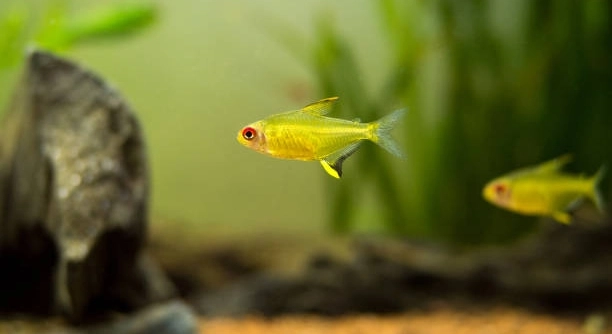
Lemon tetras are small, vibrant fish that bring life to any aquarium. Their bright yellow hue and peaceful nature make them popular among hobbyists who enjoy maintaining a lively yet calm tank environment.
A healthy lemon tetra exhibits clear, bright coloration, smooth scales, active swimming behavior, and a well-proportioned body. Observing their eyes, fins, and gill movement provides key indicators of vitality and overall well-being in a controlled aquatic environment.
Recognizing these signs will help you maintain a thriving aquarium while ensuring your lemon tetras remain lively and vibrant companions.
Appearance and Coloration
Healthy lemon tetras have a bright yellow body with a subtle iridescent sheen. Their fins should be intact, without fraying or discoloration. Clear eyes and smooth scales are also signs of good health. Dull coloration, clamped fins, or missing scales often indicate stress or illness. Observing your fish daily helps identify small changes early. Maintaining consistent water conditions and proper nutrition supports their vivid colors. Overcrowding or poor water quality can lead to faded hues and lethargy. A well-lit tank highlights their natural yellow tone, making it easier to monitor any abnormalities. Providing hiding spots reduces stress and allows them to feel secure. Avoid sudden water temperature shifts, which can affect both color and activity.
Regularly checking each fish ensures you can address issues promptly. Healthy fish exhibit consistent brightness and vibrant fins throughout the day.
Observing your lemon tetras’ coloration not only indicates their current health but also reflects how well your tank environment meets their needs. Bright yellow bodies, clear fins, and alert eyes are signs that your fish are thriving. By keeping the water clean, maintaining proper temperature, and feeding a balanced diet, you support their overall vitality. Subtle changes, like slight fading or fin damage, often appear before more serious problems develop. Watching your tetras interact with tank mates can also reveal health clues. Active swimming, exploring, and regular feeding behavior indicate both physical and mental well-being. Their coloration responds to light, nutrition, and stress, so maintaining stability in these areas helps preserve their vibrancy. Tank decoration, including plants and shelters, encourages natural behavior while reducing stress. By keeping these factors consistent, you ensure a healthy, happy group of lemon tetras that retain their lively appearance for years.
Swimming Behavior
Healthy tetras move actively and gracefully in the mid-to-upper tank levels. They avoid staying at the bottom or hiding excessively.
Monitoring swimming patterns is essential. Uneven movement, erratic darting, or lethargy can signal health issues requiring prompt attention.
Active swimming is a clear indicator of vitality in lemon tetras. They usually glide through the water in small groups, maintaining synchronized movements. Lethargic or isolated fish may be experiencing stress, poor water quality, or illness. Observing their response to feeding times also helps gauge health. Fish that eagerly come forward for food and resume normal swimming afterward typically indicate good well-being. Proper tank maintenance, including regular water changes, stable temperature, and balanced nutrition, encourages consistent activity. Adding plants and open swimming areas allows them to express natural behaviors, which is vital for both physical health and stress reduction. Even slight changes, such as floating near the surface or resting at the bottom, should be noted. By understanding their normal swimming patterns, you can detect issues early and ensure your lemon tetras remain active, healthy, and vibrant over time.
Fin Condition
Fins should be fully extended, clear, and free of tears or spots. Ragged edges or discoloration often indicate stress, poor water quality, or early signs of disease.
Healthy lemon tetras maintain smooth, intact fins that move naturally with their swimming. Clamped fins, ragged edges, or small white spots can suggest bacterial or fungal infections, which require immediate attention. Tank water should be clean, with stable pH and temperature, to prevent fin deterioration. Proper nutrition rich in vitamins supports fin growth and repair. Observing fins regularly helps detect problems before they worsen. Stress from overcrowding or aggressive tank mates can also damage fins, so maintaining a calm environment is essential for their overall health.
Fin health directly reflects a fish’s overall condition. Fish with clear, well-shaped fins swim efficiently, interact normally with their group, and show fewer signs of stress. Damaged or clamped fins often coincide with reduced activity or loss of appetite. Providing a balanced diet, clean water, and low-stress conditions supports fin recovery and growth. Decorations and plants can prevent accidental fin damage by reducing collisions. Observing these details ensures your tetras remain active and visually healthy while minimizing the risk of disease. Regular monitoring and preventive care keep fins in optimal condition over time.
Appetite and Feeding
Healthy lemon tetras show consistent interest in food and respond actively during feeding.
A strong appetite is a clear health indicator. Fish that eagerly swim to the surface or mid-tank to accept food are generally well-nourished and free of illness. Sudden loss of appetite can signal stress, parasites, or poor water quality. Feeding should be done in small amounts to avoid overfeeding and maintain water clarity. A varied diet, including high-quality flakes, frozen, or live foods, ensures balanced nutrition. Observation during feeding allows detection of unusual behavior, such as spitting out food or isolating themselves. Over time, consistent feeding responses reflect overall vitality and tank stability.
Feeding behavior also indicates social health within the school. Lemon tetras typically feed together, and a fish that consistently lags behind may be ill or stressed. Uneaten food should be removed promptly to prevent water contamination. Providing frequent, small portions encourages proper growth and prevents digestive issues. The right diet enhances coloration, fin condition, and energy levels, all of which contribute to a visible, thriving appearance. Keeping feeding routines consistent helps maintain predictability and reduces stress for all tank members. Monitoring appetite alongside swimming and coloration provides a comprehensive understanding of each fish’s well-being.
Body Shape
A healthy lemon tetra has a well-proportioned body, neither too thin nor bloated. Bulging or sunken areas can indicate illness, poor nutrition, or internal parasites.
Consistent body shape is a reliable sign of overall health. Sudden changes in girth or posture should be addressed quickly to prevent worsening conditions.
Eye Clarity
Clear, bright eyes without cloudiness or swelling reflect good health. Cloudy eyes often indicate infection, poor water quality, or nutritional deficiencies. Regular observation ensures that subtle changes are noticed early.
Gill Movement
Smooth and regular gill movement shows proper respiration and healthy oxygen levels. Rapid or labored gill motion can signal stress, disease, or poor water conditions, requiring immediate attention.
FAQ
How often should I check my lemon tetras for signs of illness?
Daily observation is ideal for detecting early signs of stress or illness. Checking water quality, swimming behavior, and appetite regularly helps maintain a healthy tank environment. Minor changes can be addressed before they develop into serious problems, ensuring your fish stay vibrant and active.
What is the best diet for lemon tetras?
A varied diet supports both coloration and overall health. High-quality flakes, micro pellets, and occasional frozen or live foods provide essential nutrients. Feeding small amounts two to three times daily prevents overfeeding and helps maintain clean water. Balanced nutrition promotes strong fins, bright colors, and active swimming.
Can lemon tetras live with other fish species?
Yes, they are peaceful and do well in community tanks with other non-aggressive species. Avoid large or territorial fish, as these can stress your tetras and harm their fins. Keeping them in schools of at least six enhances social behavior and reduces anxiety.
How important is water quality for lemon tetras?
Water quality is critical for their health. Maintaining stable pH, temperature, and ammonia levels prevents stress and disease. Regular water changes, proper filtration, and monitoring parameters help sustain a safe environment for active swimming and vibrant coloration.
What are early signs of stress in lemon tetras?
Clamped fins, faded colors, erratic swimming, and loss of appetite are common stress indicators. Stress can result from poor water conditions, overcrowding, aggressive tank mates, or sudden environmental changes. Addressing these factors promptly is essential to prevent long-term health problems.
How do I prevent diseases in my lemon tetras?
Maintaining clean water, avoiding overfeeding, and quarantining new fish reduces the risk of infection. Observing fish daily allows early detection of fin rot, ich, or fungal infections. Prompt treatment with appropriate medication ensures quicker recovery and prevents spreading within the tank.
Can lemon tetras tolerate temperature changes?
They prefer stable water temperatures between 72°F and 78°F. Sudden fluctuations can stress them, making them more susceptible to disease. Using a reliable heater and monitoring daily ensures a consistent environment that supports proper metabolism, coloration, and swimming behavior.
Is schooling behavior important for lemon tetras?
Yes, schooling reduces stress and encourages natural swimming patterns. A group of at least six fish creates a sense of security and helps distribute attention evenly during feeding, reducing competition and promoting overall well-being. Solitary fish often appear timid or inactive.
How can I tell if my tetra is healthy after introducing it to a new tank?
Observe swimming, appetite, and interaction with other fish. Healthy tetras explore the tank, eat regularly, and maintain bright colors. Monitoring for unusual behavior or rapid changes in body shape or fins during the first weeks helps catch stress or illness early.
What should I do if a tetra shows signs of illness?
Isolate the affected fish in a quarantine tank to prevent spreading disease. Test water parameters and make necessary adjustments. Treat with recommended medications and maintain consistent feeding. Monitoring progress daily ensures recovery and helps protect the rest of your aquarium.
How long do lemon tetras typically live?
With proper care, lemon tetras can live five to eight years. Longevity depends on water quality, diet, and stress levels. Regular maintenance, healthy social groups, and attentive observation contribute to a long, active life for each fish.
Can poor nutrition affect coloration in lemon tetras?
Yes, insufficient vitamins or a limited diet can dull their yellow color. Providing a balanced diet with varied protein sources enhances vibrancy. Supplementing with occasional live or frozen foods promotes natural pigmentation and overall health, keeping them visually bright and lively.
How do I maintain proper tank conditions long-term?
Consistent water changes, monitoring pH and ammonia, and stable temperature are essential. Avoid overstocking and ensure proper filtration. Maintaining plants and hiding spots reduces stress and encourages natural behavior. Routine observation of swimming patterns, appetite, and coloration ensures your tetras remain healthy over time.
What signs indicate a fish may have internal parasites?
Sudden weight loss, bloating, or unusual swimming patterns can suggest internal parasites. Changes in appetite, lethargy, or stringy feces are also indicators. Early detection through observation and prompt treatment prevents severe health decline and protects the rest of the tank.
How can I make my lemon tetras feel secure in a new tank?
Provide plants, hiding spots, and gentle water flow. Keeping a stable temperature and avoiding sudden changes reduces stress. Introducing fish in groups allows them to establish schooling behavior quickly, which improves confidence, swimming patterns, and overall health.
Are lemon tetras sensitive to light levels?
Moderate lighting is ideal. Too bright can stress them, causing hiding or faded colors, while too dim reduces activity. Balanced lighting helps maintain natural coloration and encourages regular swimming, feeding, and social behavior within the school.
Can overcrowding affect health?
Yes, overcrowding increases stress, aggression, and disease risk. Each tetra needs space to swim freely. Keeping them in appropriately sized tanks with enough room for schooling and hiding reduces competition, promotes natural behavior, and supports long-term health.
How often should I clean the tank?
Partial water changes of 20-30% weekly, along with substrate vacuuming, maintain water quality. Overcleaning can disrupt beneficial bacteria, while under-cleaning allows toxin buildup. Consistency ensures stable parameters that keep lemon tetras healthy, active, and vibrant.
Is it necessary to quarantine new fish?
Quarantining for two to three weeks prevents introducing disease. Observing for stress, illness, or parasites before adding them to the main tank protects existing fish. Proper quarantine reduces risks and helps maintain a stable, healthy aquarium environment.
Final Thoughts
Lemon tetras are small yet striking fish that bring life and movement to any freshwater aquarium. Their bright yellow color and peaceful behavior make them enjoyable to watch and easy to care for when their needs are met consistently. Maintaining a healthy school requires attention to water quality, diet, and tank conditions. Daily observation allows you to detect subtle changes in behavior, appearance, or appetite that can indicate stress or illness. These fish are active swimmers and thrive in groups, so keeping at least six together ensures social behavior, reduces stress, and encourages natural patterns. Over time, small habits such as regular water checks, consistent feeding routines, and proper tank maintenance contribute to a stable environment where lemon tetras can display their natural vibrancy. Recognizing the signs of a healthy fish—bright coloration, clear eyes, smooth fins, proper body shape, and consistent swimming—becomes easier with experience and observation, allowing for early intervention if issues arise.
Providing the right diet is a key factor in keeping lemon tetras healthy. A varied feeding regimen that includes high-quality flakes, pellets, and occasional frozen or live foods supports growth, coloration, and overall vitality. Overfeeding can lead to water quality issues, while underfeeding can weaken their immune system, making them more prone to disease. Feeding small portions multiple times a day helps maintain clean water and encourages natural foraging behavior. Observing appetite during feeding times also gives a clear indication of each fish’s health, as active and responsive fish are usually healthy. Tank setup plays an equally important role; incorporating plants, open swimming areas, and hiding spots allows the tetras to exhibit natural behaviors while reducing stress. Proper filtration and regular water changes ensure stable water parameters, which are essential to prevent stress-related illnesses. Paying attention to these details ensures your fish not only survive but thrive, maintaining their energy and vivid yellow coloration over time.
Monitoring health through physical appearance and behavior completes the care routine. Healthy lemon tetras have intact fins, clear eyes, and smooth scales. Changes in fin condition, body shape, or gill movement may indicate environmental or health problems that need attention. Stress signs such as clamped fins, faded colors, or isolation often point to water issues, overcrowding, or incompatible tank mates. By keeping an eye on these indicators, you can act early, preventing illness from spreading or worsening. Creating a calm, consistent environment reduces stress and supports long-term health. Over time, understanding their behavior and physical cues makes it easier to maintain a balanced aquarium. When their basic needs are consistently met, lemon tetras become lively, visually striking, and resilient fish. These small, bright swimmers reward careful observation and steady care with energy, social interaction, and beauty, creating a satisfying and visually appealing aquarium experience.

Hello,
If you enjoy the content that we create, please consider saying a "Thank You!" by leaving a tip.
Every little bit helps us continue crafting quality advice that supports the health, happiness, and well-being of pets around the world, for pets of all shapes, sizes, and species.
We really appreciate the kindness and support that you show us!