
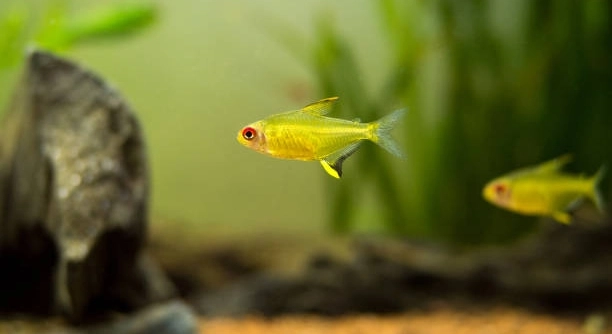
Lemon tetras are small, lively fish that brighten any freshwater aquarium with their yellow hues. Their shimmering scales often catch the light, creating brief flashes that can surprise new fishkeepers and add movement to the tank.
Lemon tetras flash their scales primarily as a form of communication and display. This behavior can signal stress, territorial boundaries, or readiness to breed, serving as a visual cue to other fish within their environment to convey important social or environmental information.
Observing these flashes can reveal more about your fish’s behavior and help maintain a harmonious tank environment for all inhabitants.
Reasons Lemon Tetras Flash Their Scales
Lemon tetras often flash their scales in response to changes in their environment. Bright light, reflections, or sudden movements can trigger this behavior. In some cases, it is a way to establish territory, letting other fish know they are present. Flashing can also occur when they feel stressed, such as during water changes or after introducing new tank mates. Their scales reflect light, making the flashes more noticeable. This visual communication helps maintain social order and reduces aggressive encounters. Watching closely, you may notice patterns: some tetras flash more when competing for food, while others display it during mating season. Observing these behaviors over time can help identify which situations cause the flashing. Adjusting lighting, tank decorations, or fish placement may reduce excessive flashing. The flashes are a natural behavior and, in moderation, indicate healthy, active fish adapting to their environment.
Environmental triggers, like sudden light changes, often cause lemon tetras to flash their scales in short bursts.
Regular observation helps you recognize patterns. Noting when flashes occur ensures a calmer, healthier aquarium and better interactions between your fish.
Flashing as a Social Signal
Flashing can signal dominance or submission among lemon tetras. A fish may flash to assert its space or show submission to avoid conflict.
Social interactions in a tank are subtle but important. Flashing communicates intentions without physical fights, maintaining balance. When a new fish is added, existing tetras may flash more to establish their hierarchy. Flashing is also part of courtship behavior. During mating, males may display brighter flashes to attract females, signaling fitness and readiness. Over time, fish learn to respond appropriately to each other’s flashes, which reduces aggression and promotes social stability. In crowded tanks, excessive flashing may indicate stress or competition for resources. Ensuring adequate hiding spots and proper tank size helps reduce stress-induced flashing. Lighting can also affect how visible flashes are, with dimmer areas reducing intensity. Monitoring these signals allows you to understand your tetras’ relationships and adjust the environment to encourage harmony and natural behavior.
Health and Stress Indicators
Flashing can indicate that a lemon tetra is stressed or unwell. Rapid or frequent flashing often points to discomfort, water quality issues, or disease.
Stress in lemon tetras may result from poor water conditions, sudden temperature changes, or aggressive tank mates. When fish flash excessively, it can be a warning sign of underlying health problems. Poor water quality, such as high ammonia or nitrite levels, irritates their skin and gills, causing visible flashes as they swim. Illnesses like ich or fin rot can also trigger flashing behavior. Monitoring tank conditions and maintaining consistent water parameters helps reduce stress and supports overall fish health. Stress reduction techniques, including proper feeding, hiding spots, and minimizing disturbances, can decrease flashing and keep fish active and comfortable.
Observing other symptoms alongside flashing, like clamped fins or lethargy, provides clues about a fish’s health. Acting early prevents complications.
Regular maintenance and careful monitoring of water parameters help keep tetras calm. Healthy fish flash less frequently and interact naturally with tank mates.
Lighting and Tank Setup
Lighting intensity and reflections influence how often lemon tetras flash. Bright or uneven light can trigger sudden flashes.
Proper tank setup minimizes stress-related flashing. Lemon tetras feel secure with plants, hiding spots, and moderate lighting. Open swimming areas allow them to display natural behaviors, while decorations break direct light reflections that may startle them. Positioning the tank away from direct sunlight or reflective surfaces reduces constant flashing. Using adjustable lighting mimics natural day-night cycles, promoting calmer behavior. Regular tank maintenance and careful introduction of new fish support stability. Flashing often decreases when tetras feel secure, reducing unnecessary stress signals. Proper setup fosters healthy, active fish with balanced social interactions, making the aquarium more enjoyable to observe.
Feeding Behavior
Lemon tetras may flash their scales while competing for food. Quick movements and flashes help establish feeding order.
Flashing during feeding is usually brief and decreases once all fish are eating. It is a natural way for them to communicate their presence and intentions without aggression.
Breeding and Courtship
Males often flash their scales more intensely during courtship to attract females. This visual display signals fitness and readiness to mate. Bright flashes help females identify the healthiest males. Courtship flashing is usually accompanied by active swimming and chasing behaviors. Observing these patterns can help identify potential breeding pairs. Providing proper hiding spots and maintaining good water conditions support successful mating behavior. Female tetras respond to flashes by following or approaching males, making the display a crucial part of reproduction. These flashes are natural and indicate healthy, social interactions within the tank.
Seasonal Changes
Flashing may increase during seasonal shifts due to changes in light, temperature, or water parameters.
FAQ
Why do my lemon tetras flash more at certain times of the day?
Lemon tetras are sensitive to light changes, and flashes often happen when lighting is bright or uneven. Morning and evening light shifts can trigger temporary increases in flashing as fish adjust to changing brightness. Flashing decreases once they feel secure and the tank environment stabilizes.
Is frequent flashing a sign of illness?
Yes, excessive or continuous flashing can indicate stress or health problems. Poor water quality, sudden temperature changes, or diseases like ich can cause irritation, leading to visible flashes. Look for other symptoms such as clamped fins, lethargy, or white spots to determine if intervention is needed.
Does flashing mean my fish are aggressive?
Not necessarily. Lemon tetras use flashes as a form of communication rather than outright aggression. Flashes can signal territory, feeding order, or social hierarchy. Brief displays are normal, but constant flashing combined with chasing or fin nipping may indicate tension that needs addressing.
How can I reduce flashing caused by stress?
Maintaining stable water conditions is key. Consistent temperature, pH, and cleanliness reduce irritation. Adding plants or hiding spots gives tetras a sense of security. Avoid sudden movements or tapping the glass, and introduce new fish gradually to prevent stress-induced flashing.
Do flashes indicate mating behavior?
Often, yes. Male lemon tetras flash brightly to attract females, signaling readiness to breed. Flashing usually occurs alongside active swimming or chasing, and females may respond by following males. Providing a safe, well-decorated tank encourages natural courtship displays.
Can tank setup influence flashing?
Absolutely. Bright lighting, reflective surfaces, or cramped spaces can trigger flashes. Using moderate lighting, hiding spots, and open swimming areas helps reduce stress-related displays. Reflections from windows or shiny objects outside the tank can also startle fish, so position the aquarium carefully.
Is flashing harmful to lemon tetras?
In moderation, no. Flashing is a natural behavior and part of their social and communication patterns. However, frequent flashing caused by stress or illness can harm long-term health if conditions are not addressed. Observing the cause is important for maintaining well-being.
Does diet affect flashing behavior?
Indirectly, yes. A well-balanced diet supports overall health, reducing stress and irritation that can trigger flashing. Poor nutrition may weaken fish, making them more sensitive to environmental changes, leading to more frequent flashes. Feed a variety of high-quality flakes, pellets, and occasional live food.
Will adding more fish increase flashing?
Adding fish can temporarily increase flashing as tetras establish hierarchy and social order. Once relationships stabilize, flashes usually decrease. Ensure adequate space and hiding spots to prevent stress. Avoid overcrowding, as too many fish can cause constant flashing and tension.
Can flashing indicate water quality issues?
Yes, flashes often appear when fish are uncomfortable due to poor water conditions. High ammonia, nitrite, or sudden pH changes irritate skin and gills, causing flashes. Regular testing, water changes, and filtration maintenance help reduce stress and promote healthy behavior.
How long does flashing last?
Flashes are usually brief and occur in response to specific triggers. Stress-related flashing can last longer until the cause is addressed. Courtship or feeding flashes are temporary and should reduce once interactions stabilize. Regular observation helps differentiate normal behavior from problematic flashing.
Should I separate flashing fish from others?
Only if flashing is linked to aggression or illness. Healthy flashes are part of social communication and should not require separation. If fights or injuries occur, temporarily moving fish can prevent harm while adjusting tank conditions or reducing stress triggers.
Do tank mates affect flashing frequency?
Yes, tank composition influences flashing. Aggressive or overly active fish may trigger more frequent flashes as lemon tetras respond to their presence. Calm, compatible species help maintain stable behavior and reduce unnecessary flashing displays.
Can flashing indicate excitement or curiosity?
Yes, lemon tetras sometimes flash simply because they are alert or exploring. Quick movements or new objects in the tank can trigger brief flashes without stress or aggression. Providing an enriched environment satisfies curiosity while keeping flashes natural and controlled.
Is it normal for one tetra to flash more than others?
Yes, individual personality and social ranking affect flashing. Some tetras are naturally more active or dominant, leading to more frequent displays. Observing patterns over time helps identify normal behavior versus signs of stress, illness, or environmental issues.
How do I know if flashing is normal or a problem?
Normal flashing is brief, occasional, and linked to feeding, courtship, or light changes. Problematic flashing is constant, rapid, or accompanied by other symptoms like clamped fins, lethargy, or visible spots. Monitoring behavior and tank conditions helps distinguish between healthy and concerning flashes.
Does tank size influence flashing?
Smaller tanks can increase flashing due to limited space and higher stress levels. Adequate room allows fish to establish territories and reduces tension. Larger tanks with hiding spots and open swimming areas support natural behavior and minimize excessive flashing.
Can flashing be trained or controlled?
Not directly, but minimizing stressors and providing a stable environment reduces unnecessary flashes. Consistent lighting, proper water quality, compatible tank mates, and adequate space encourage natural flashing patterns without constant displays.
Are there specific times when flashing is more likely?
Flashing often occurs during feeding, courtship, or environmental changes like light shifts. Seasonal or daily light variations, tank cleaning, or introduction of new fish can temporarily increase flashing until fish adjust. Observing these patterns helps predict normal behavior.
What should I do if flashing increases suddenly?
Check water parameters, observe for signs of illness, and assess tank conditions. Address stress factors, maintain cleanliness, and ensure compatible tank mates. Sudden increases in flashing often indicate discomfort, so prompt action helps prevent long-term health issues.
How do I encourage healthy flashing behavior?
Provide stable water conditions, proper lighting, hiding spots, and balanced nutrition. Ensure compatible tank mates and sufficient space. Healthy flashes are brief and tied to natural behavior like feeding or courtship, reflecting active, stress-free tetras.
Final Thoughts
Lemon tetras are small but active fish whose flashing scales can tell a lot about their behavior and well-being. Observing their flashes helps understand their communication, social interactions, and responses to the environment. While it may seem like a simple visual effect, flashing is often an important signal among tetras, helping to establish hierarchy, show readiness to mate, or respond to potential stress. Recognizing what triggers these flashes can improve how the fish live in a tank, allowing for a calmer, healthier, and more stable environment. Each tetra may display different flashing patterns depending on personality, age, and position within the group. Some fish are naturally more active or dominant, while others may flash less frequently, choosing to stay more reserved. This diversity in behavior is normal and contributes to a balanced tank ecosystem, where each fish communicates its needs through visible displays like scale flashing. Understanding these behaviors ensures the fish are not misinterpreted as aggressive or sick when they are simply following natural instincts.
Proper tank conditions play a key role in controlling excessive flashing. Maintaining stable water parameters such as temperature, pH, ammonia, nitrite, and nitrate levels can prevent stress-related flashes. Tank setup, lighting, and decorations also influence how often tetras flash. Bright lighting, reflections, or cramped spaces may trigger unnecessary displays, while a well-planned aquarium with plants, hiding spots, and moderate lighting reduces stress and encourages natural behavior. Feeding routines also contribute to flashing patterns. Fish may flash during feeding to communicate presence and establish a feeding order. Providing a balanced diet supports overall health, reduces irritability, and minimizes stress-driven flashes. Regular observation of flashes, combined with attentive care, helps identify any early signs of illness or environmental issues. Acting early prevents potential health problems and ensures a comfortable, secure habitat. By keeping these factors in mind, you can enjoy the natural beauty and activity of lemon tetras without worrying about abnormal flashing behaviors.
Flashing scales are a normal part of a lemon tetra’s life, but interpreting the reasons behind the behavior is essential. Flashes can reflect excitement, social communication, courtship, or stress. Monitoring patterns over time allows for better understanding of each fish’s behavior and needs. Occasional flashes are healthy and indicate active, engaged fish, while persistent flashing may require attention to water quality, tank setup, or social interactions. Adjusting environmental factors, providing hiding spaces, and keeping water conditions stable can reduce unnecessary flashing and create a peaceful, balanced aquarium. Observing your tetras closely strengthens your ability to maintain their health, understand social dynamics, and enjoy their natural behaviors. Flashing scales are more than just a visual effect—they are a window into the well-being and daily life of your fish. By paying attention to these subtle signals, you can create an environment where lemon tetras thrive, swim confidently, and display their natural, vibrant flashes in a stress-free, harmonious tank.

Hello,
If you enjoy the content that we create, please consider saying a "Thank You!" by leaving a tip.
Every little bit helps us continue crafting quality advice that supports the health, happiness, and well-being of pets around the world, for pets of all shapes, sizes, and species.
We really appreciate the kindness and support that you show us!