
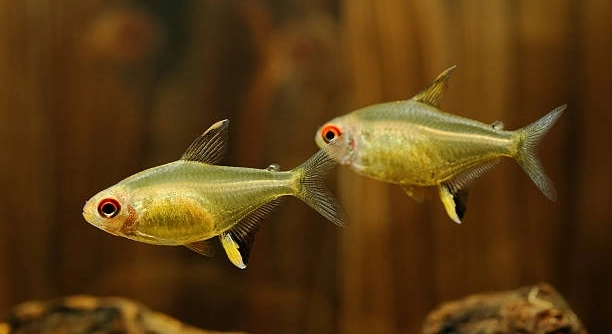
Do you ever notice your lemon tetras behaving differently from one day to the next? These small, bright fish can change their activity, schooling, and feeding habits in ways that may surprise even experienced hobbyists.
Lemon tetra behavior can be influenced by several factors including water quality, tank size, social dynamics, diet, lighting, temperature, and stress levels. Each of these elements plays a significant role in how these fish interact and display natural behaviors.
Understanding these influences will help you create a stable environment and enjoy observing your lemon tetras’ natural habits more closely in their aquarium.
Water Quality Changes
Maintaining stable water conditions is essential for lemon tetras. Even minor fluctuations in pH, ammonia, nitrite, or nitrate levels can affect their behavior. Fish may become sluggish, hide more often, or display erratic swimming patterns if water quality deteriorates. Regular testing and partial water changes help ensure a consistent environment. Sudden shifts, like changing tap water without conditioning it, can stress them significantly. Temperature swings also play a role, as lemon tetras prefer a steady range around 75–80°F. Stress from poor water quality can lead to weakened immunity, making fish more prone to illness. Observing their behavior closely can alert you to issues before they become severe. Providing a well-planted tank with hiding spots can also reduce stress and encourage natural schooling behavior. Clean water is not just about hygiene; it directly affects activity, feeding, and social interactions among the tetras, helping them remain lively and healthy in their tank.
Water quality impacts energy levels, feeding, and social behavior. Stable water conditions keep lemon tetras active and reduce stress-related problems.
Regular monitoring of pH, ammonia, and nitrate levels ensures fish remain healthy. Gradual adjustments prevent shock. Adding plants improves water stability and provides hiding spaces. A consistent routine in testing and water changes can prevent unexpected behavioral changes. Fish may react differently depending on tank size, population, and decor, but stable water remains the foundation. Observing how tetras respond to these conditions helps you fine-tune their environment. Feeding also interacts with water quality; overfeeding can harm water chemistry, affecting their mood and activity. By maintaining cleanliness, proper temperature, and balanced chemistry, you create a supportive environment. Stress is reduced, aggression decreases, and schooling behavior becomes more synchronized. The tetras can thrive, showing their natural colors and playful movement, making your aquarium a calmer, more vibrant space.
Tank Size and Layout
Lemon tetras need enough space to swim freely. Small tanks can make them more skittish or aggressive.
Tank size directly influences schooling, exploration, and comfort. Larger tanks allow natural movement, reducing stress.
A properly arranged tank provides room for swimming and hiding. Overcrowding causes tension and uneven behavior. Adding plants, rocks, or driftwood creates zones for resting and exploration. Observing how tetras move in the space can help optimize layout. Too little open water or hiding spots can lead to fatigue or illness. Well-distributed decor encourages natural schooling and territorial balance. Proper spacing reduces stress and promotes interaction among fish.
Social Dynamics
Lemon tetras are schooling fish and feel safer in groups. Isolated or uneven group sizes can make them shy, stressed, or more aggressive toward tankmates.
Their behavior changes significantly depending on the number of tetras in the tank. Small groups may lead to hiding, nervous swimming, or even fin nipping as stress rises. Larger, balanced schools encourage synchronized swimming and natural interaction. Introducing new fish requires careful observation, as sudden changes in group composition can temporarily disrupt social structure. Even minor rearrangements of tankmates can affect dominance and feeding order. Providing at least six to eight tetras helps maintain stability. Observing their swimming patterns and group cohesion gives insight into their comfort level. Stress or imbalance can be mitigated by gradually introducing new fish and maintaining a consistent routine. Proper schooling behavior not only reduces aggression but also enhances their natural colors and activity, creating a more lively tank environment.
Feeding order and hierarchy often shift with social changes. Lemon tetras quickly adapt but need consistency to reduce stress and maintain harmony.
Schooling behavior relies on group balance. Imbalances in size, age, or temperament can cause tension and alter normal movement patterns. Maintaining even numbers and observing interactions ensures stability.
Diet and Feeding Habits
A sudden change in food type can make lemon tetras picky or less active. Consistent feeding schedules are important.
Diet directly affects energy, coloration, and behavior. Fluctuations in nutrition can lead to lethargy, aggression, or overexcitement. High-quality flakes, frozen foods, and occasional live foods provide balanced nutrition. Overfeeding can pollute the water, causing stress and impacting behavior. Feeding small amounts multiple times a day helps maintain energy without overwhelming water quality. Monitoring how tetras respond to different foods can help identify preferences and health issues. Gradual diet changes prevent shock and support stable behavior. Nutritional variety also encourages natural foraging behavior, keeping fish engaged and active in their environment. Proper feeding reinforces schooling patterns and reduces competition during meal times, promoting harmony among all tank members.
Lemon tetras often become more active and colorful with a balanced diet. Nutrition is key for natural behavior and stress reduction.
Lighting Conditions
Too much bright light can make lemon tetras hide or stay near plants. Dim or natural lighting helps them feel secure and encourages normal swimming patterns.
Sudden changes in lighting, like switching from dark to very bright, can stress tetras. Consistent, gentle lighting maintains their activity and natural coloration.
Temperature Fluctuations
Temperature changes affect metabolism and energy levels. Sudden drops or rises can make tetras sluggish, restless, or prone to hiding. Stable temperatures between 75–80°F help maintain normal behavior and reduce stress.
Lemon tetras’ activity, feeding, and social interactions rely heavily on consistent water temperature. Rapid fluctuations may trigger abnormal swimming, increased aggression, or reduced appetite. Using a reliable heater and thermometer ensures stability. Seasonal changes or nearby drafts can also impact tank temperature. Monitoring daily allows for quick adjustments and prevents stress-related illnesses. A steady environment supports overall health, natural schooling, and vibrant colors, keeping tetras lively and comfortable in the aquarium.
Stress Factors
Overcrowding, sudden movements, or loud noises can trigger stress. Calm, stable surroundings help maintain normal behavior.
What causes my lemon tetras to hide most of the time?
Lemon tetras hide when they feel unsafe or stressed. Common reasons include poor water quality, sudden changes in temperature, or aggressive tankmates. Small tanks or lack of hiding spots can also make them nervous. Providing plants, rocks, or driftwood gives them places to retreat. Observing their behavior over time can help identify patterns. Gradually adjusting tank conditions and ensuring a stable environment encourages more natural swimming and reduces hiding. Schooling behavior also makes them feel safer, so keeping them in groups of six or more helps.
Why do my lemon tetras suddenly swim erratically?
Erratic swimming is often a response to stress or discomfort. It may result from poor water conditions, sudden temperature shifts, or aggressive neighbors. Parasites or internal illness can also cause unusual movement. Ensuring stable water parameters and proper diet can reduce this behavior. Observing fish for signs like clamped fins, rapid gill movement, or loss of color helps detect problems early. Addressing the issue promptly prevents further stress or injury. Providing a calm environment with consistent lighting and minimal disturbances encourages smooth, natural swimming patterns.
Why are my lemon tetras not eating as usual?
Reduced appetite can be linked to stress, water quality issues, or illness. Sudden diet changes may also make them hesitant. Offering familiar foods first and gradually introducing new items helps them adjust. Overcrowding or aggressive tankmates can prevent some fish from accessing food. Monitor their feeding behavior to ensure all fish receive enough nutrition. Maintaining stable water conditions, a consistent feeding schedule, and appropriate portion sizes supports healthy eating habits. Nutrition directly affects energy, coloration, and behavior. Observing how they respond to different foods can help identify health problems early.
Why do lemon tetras chase each other or nip fins?
Chasing or fin nipping can occur due to stress, overcrowding, or uneven social groups. Dominance hierarchies form naturally, but aggression increases if space is limited or the group size is too small. Providing at least six to eight tetras reduces tension and encourages schooling behavior. Rearranging tank decor occasionally can help break up aggressive patterns. Observing which fish are targeted ensures that no individual is excessively stressed or injured. Balancing group composition and maintaining proper tank size encourages harmony. Stress reduction through stable water, temperature, and diet also minimizes aggressive behavior.
How can I tell if my lemon tetras are stressed?
Signs of stress include hiding, erratic swimming, clamped fins, faded coloration, and reduced appetite. Stress often results from poor water quality, sudden temperature changes, overcrowding, or aggressive tankmates. Observing fish regularly helps catch issues early. Ensuring stable water conditions, providing hiding spots, and maintaining proper group sizes reduces stress. Stress management supports immunity, natural behavior, and overall health. Monitoring behavior alongside water parameters is crucial. Even minor environmental changes can affect comfort, so consistency and careful observation maintain their well-being.
Why do my lemon tetras school more tightly than usual?
Tighter schooling often indicates stress or insecurity. Changes in water conditions, new tankmates, or sudden movements around the aquarium can trigger this response. Providing stable water chemistry, consistent lighting, and enough space helps them relax. Gradually acclimating new fish also reduces stress-induced tight schooling. Tight schooling is temporary in most cases, and as fish adjust, they spread out naturally while continuing to maintain group cohesion. Observing patterns helps determine whether environmental adjustments are needed. Proper schooling behavior indicates comfort and balance in the tank.
What should I do if my lemon tetras are losing color?
Loss of coloration can result from stress, poor diet, or illness. Ensuring high-quality, varied foods rich in carotenoids and vitamins helps restore natural colors. Stable water conditions, proper lighting, and minimal disturbances also support color retention. Disease or parasites may also cause fading, requiring prompt identification and treatment. Observing behavior alongside color changes helps determine the cause. Providing hiding spots and maintaining consistent tank parameters encourages fish to regain vibrant coloration naturally. Regular monitoring and care support long-term health and display of natural patterns.
Can lighting changes affect my lemon tetras’ behavior?
Yes, sudden or extreme changes in lighting can stress lemon tetras. Bright light may cause hiding, while dim or natural light encourages normal activity. Maintaining a consistent lighting schedule helps regulate swimming, feeding, and social interaction. Observing responses to light adjustments ensures comfort. Adding plants or decorations can diffuse light and create shaded areas. A predictable lighting routine reduces stress and encourages healthy behavior patterns. Fish often adapt quickly if changes are gradual, and careful monitoring ensures that lighting supports activity, schooling, and coloration.
How often should I test water for my lemon tetras?
Regular testing is essential to maintain stable conditions. pH, ammonia, nitrite, and nitrate levels should be checked weekly or more frequently if problems arise. Monitoring helps prevent stress-related behavior changes. Maintaining water stability supports feeding, schooling, and overall health. Gradual adjustments prevent sudden shifts that can cause hiding, erratic swimming, or fin nipping. Using a reliable test kit and documenting results allows you to track trends and address issues proactively. Consistency in water quality is key to keeping lemon tetras active, colorful, and comfortable in their tank.
What can trigger sudden aggression in lemon tetras?
Sudden aggression often arises from overcrowding, insufficient hiding spots, or unbalanced group composition. New tankmates can temporarily disrupt social order, causing chasing or fin nipping. Stress from poor water quality or temperature changes also contributes. Maintaining proper school size, tank layout, and stable conditions reduces aggressive interactions. Observing which fish are involved allows you to make necessary adjustments. Gradual introductions and consistent care help restore harmony. Providing enough space and enrichment promotes natural social behavior and reduces tension. Aggression is usually temporary if the environment is corrected promptly and consistently.
How do I know if my lemon tetras are comfortable in their tank?
Comfortable lemon tetras swim naturally, maintain coloration, feed regularly, and interact with their group. Calm schooling, smooth movements, and curiosity around tank features indicate low stress. Consistent water quality, temperature, and adequate space support these behaviors. Observing daily provides insight into comfort levels. Hiding occasionally is normal, but constant avoidance signals stress. Proper diet, stable environmental conditions, and balanced social dynamics contribute to their well-being. A well-maintained tank allows tetras to express natural behaviors, maintain health, and display vibrant colors, reflecting their comfort in the aquarium.
What steps prevent long-term behavioral issues in lemon tetras?
Maintaining water quality, stable temperature, proper schooling, and a balanced diet prevents long-term problems. Regular observation allows early intervention. Providing hiding spaces, consistent lighting, and careful introductions ensures natural behavior. Avoiding overcrowding and minimizing disturbances reduces chronic stress. Routine care, gradual changes, and attention to social dynamics keep tetras active, healthy, and displaying normal behaviors, ensuring long-term aquarium success.
Maintaining healthy lemon tetras requires attention to multiple factors in their aquarium environment. Their behavior is influenced by water quality, temperature, tank size, social structure, diet, lighting, and stress levels. Each factor plays a role in how they swim, interact, and feed. Observing their daily habits can reveal subtle changes in comfort and health. Even minor shifts in water chemistry or group composition can lead to hiding, erratic swimming, or changes in appetite. Providing consistent care, stable conditions, and sufficient space allows lemon tetras to display natural behaviors. This attention to detail ensures they remain active, colorful, and healthy, enhancing both their welfare and the overall enjoyment of the aquarium.
Creating a suitable environment for lemon tetras is about balance. Proper tank size and layout give them room to swim while offering hiding spots to feel secure. Maintaining stable water conditions and a regular feeding routine supports consistent energy levels and social interaction. Lemon tetras thrive in groups, so keeping a proper number of individuals prevents stress and aggression. Lighting should be steady and not too intense, allowing fish to feel comfortable while showcasing their vibrant coloration. Gradual adjustments to diet, tankmates, or decorations help avoid unnecessary stress. Monitoring their behavior closely ensures that environmental adjustments are effective. By understanding the key influences on their behavior, you can reduce problems before they escalate, promoting a calm and lively tank atmosphere.
Attention to detail in care routines directly impacts the long-term well-being of lemon tetras. Stress can be minimized through consistent water quality, proper diet, and careful observation of social dynamics. Fish that feel secure are more likely to swim naturally, feed properly, and display vivid colors. Overcrowding, sudden changes, or poor water conditions can cause behavioral changes that affect health over time. Implementing stable routines and thoughtful tank management ensures that lemon tetras remain comfortable and active. Small measures, like providing plants, arranging hiding spots, and monitoring feeding, create a supportive environment. These practices encourage normal schooling, reduce aggression, and maintain natural behaviors. Maintaining this balance over time allows lemon tetras to flourish, making the aquarium a healthier and more enjoyable space for both the fish and their caretaker.

Hello,
If you enjoy the content that we create, please consider saying a "Thank You!" by leaving a tip.
Every little bit helps us continue crafting quality advice that supports the health, happiness, and well-being of pets around the world, for pets of all shapes, sizes, and species.
We really appreciate the kindness and support that you show us!