
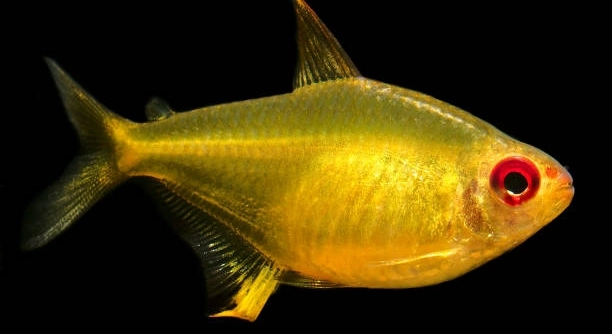
Lemon tetras are small, colorful fish that bring life to any aquarium. Their bright yellow hue and active swimming make them a popular choice for hobbyists. Ensuring they feel comfortable is essential for their well-being.
Creating a welcoming environment for lemon tetras involves providing proper tank conditions, maintaining clean water, offering suitable hiding spots, and ensuring a balanced diet. Consistent monitoring of their habitat promotes stress-free living and encourages natural behavior patterns.
Understanding how to make lemon tetras feel at home can improve their health, happiness, and activity levels in your aquarium. Small adjustments in care often yield significant benefits for these delicate fish.
Setting Up the Right Tank
Lemon tetras thrive in aquariums that mimic their natural environment. A 20-gallon tank is usually sufficient for a small school, allowing them space to swim freely. Using a dark substrate helps their colors stand out and reduces stress. Adding live plants such as Java moss or Anubias provides hiding spots and encourages natural behavior. Gentle water flow is preferred since strong currents can tire them out quickly. Lighting should be moderate, simulating a day-night cycle to maintain their internal rhythms. Regularly checking water parameters like temperature, pH, and hardness is essential for their health. A stable environment with minimal sudden changes reduces stress and prevents disease. Incorporating floating plants or decorations offers extra shelter, making them feel secure. Consistency in maintenance, feeding, and monitoring creates a predictable environment, which lemon tetras respond to positively. Small details in tank setup often make the biggest difference in their comfort and activity levels.
Maintaining stable water conditions prevents stress and encourages active swimming, vibrant colors, and natural schooling behavior in lemon tetras.
Small steps in creating a secure tank setup, including proper substrate, plants, and lighting, have lasting effects. Observing their reactions helps refine the environment further, ensuring they remain healthy and active over time.
Providing a Balanced Diet
Offering a varied diet is key to keeping lemon tetras healthy. They do best with a mix of high-quality flake foods, micro pellets, and occasional live or frozen foods like brine shrimp or daphnia. Feeding small amounts two to three times a day prevents overfeeding and keeps water quality high. Observing their eating habits helps identify if any fish are not getting enough food. Supplementing with vegetable matter, such as finely chopped spinach or spirulina flakes, ensures they receive essential nutrients. Variety stimulates natural hunting behavior and maintains their bright coloration. Avoid feeding large portions at once, as leftovers can decay and harm the water quality. Rotating food types also reduces the risk of nutritional deficiencies. Consistency in feeding times and portions promotes a stable routine, which lowers stress. A proper diet supports growth, immunity, and energy, keeping the fish active and social.
Regularly offering diverse foods supports overall health and enhances natural coloration in lemon tetras.
Incorporating live foods, frozen options, and high-quality flakes ensures lemon tetras get all required nutrients. Observing which foods they prefer allows adjustment to improve intake. Feeding practices also influence behavior, with active, healthy fish displaying brighter colors and schooling naturally. Overfeeding is avoided by giving small portions and monitoring leftovers. A balanced diet not only maintains health but also strengthens immunity against disease. Nutritional variety encourages exploration within the tank, making the fish more active and reducing stress. Using occasional supplements like vegetable matter enriches their diet further. A consistent feeding schedule promotes routine and supports their overall well-being. Healthy lemon tetras are more interactive, swim confidently, and respond positively to their environment, reflecting proper care.
Maintaining Water Quality
Regular water changes are essential for lemon tetras. Changing 20–25% of the tank water weekly keeps ammonia and nitrate levels low, which prevents stress and disease. Using a water conditioner removes chlorine and chloramine, ensuring safe conditions.
Monitoring water parameters daily helps maintain a stable environment. Temperature should stay between 72–78°F, pH around 6.5–7.5, and hardness moderate. Testing kits make it easier to detect fluctuations early. Uneaten food and waste should be removed promptly to prevent bacterial buildup. Consistent filtration is important, and filters should be cleaned monthly without disturbing beneficial bacteria. Proper water quality reduces stress, encourages schooling, and maintains their bright yellow coloration. By keeping water clean and stable, lemon tetras remain healthy, active, and more likely to thrive over the long term.
Over time, careful attention to water quality prevents common illnesses. Regular testing, cleaning, and adjustments help maintain the ideal habitat for lemon tetras to flourish naturally.
Creating Hiding Spots
Lemon tetras feel safer with plenty of cover. Dense plants, rocks, and driftwood give them spaces to retreat when stressed. Hiding spots also allow them to explore without feeling exposed.
Arranging decorations strategically encourages natural behavior. Plants like Java fern or floating moss create shaded areas while leaving open swimming spaces. Driftwood or small caves mimic their natural habitat, making the aquarium feel more secure. Avoid overcrowding the tank, as too many obstacles can restrict movement. Grouping plants in clusters offers both protection and visual interest, supporting schooling behavior. Providing variety in hiding spots reduces stress, promotes exploration, and helps maintain overall health. Adjusting locations occasionally keeps the environment engaging while still safe. Thoughtful placement of cover supports their natural instincts and enhances comfort.
A well-structured tank with varied hiding places allows lemon tetras to feel secure and reduces stress, promoting active swimming and social interaction.
Maintaining Proper Temperature
Lemon tetras thrive in stable water temperatures between 72–78°F. Sudden fluctuations can stress them, leading to illness or reduced activity. Using a reliable heater and thermometer ensures consistency, keeping the tank environment safe and comfortable for daily swimming and schooling.
Keeping the tank away from drafts, direct sunlight, or heating vents helps maintain temperature stability. Gradual adjustments are necessary if changes are required.
Encouraging Schooling Behavior
Lemon tetras are naturally social fish that feel safest in groups. Keeping at least six together promotes interaction, reduces stress, and encourages natural swimming patterns. Isolated individuals often become timid and may hide excessively. Regular observation helps ensure all fish are healthy and active.
Controlling Lighting
Moderate lighting enhances lemon tetra coloration and supports plant growth. Too much brightness can stress the fish, while too little reduces activity and may affect health. A timer ensures consistent day-night cycles, promoting natural rhythms and comfort in the tank.
How many lemon tetras should I keep together?
Lemon tetras are schooling fish that feel most secure in groups. Keeping at least six together is recommended to encourage natural behavior. Smaller groups may cause stress, shyness, and reduced activity. A larger school provides interaction, making the fish more confident and active.
A proper group size helps them swim in coordinated patterns, which reduces stress and improves overall health. Observing their schooling behavior can indicate comfort levels in the tank. Ensuring each fish has space to move freely while maintaining a cohesive group is essential for a thriving aquarium.
What is the ideal tank size for lemon tetras?
A 20-gallon tank is generally sufficient for a small school of lemon tetras. Larger tanks are preferred if you plan to keep more fish or include additional species. Ample swimming space promotes natural behavior and reduces aggression or stress.
Providing adequate room is not only about volume but also layout. Plants, hiding spots, and open swimming areas should be balanced to mimic their natural environment. Avoid overcrowding, as it can lead to poor water quality, increased stress, and disease. A well-sized tank ensures lemon tetras remain healthy, active, and visually vibrant over time.
What should I feed lemon tetras?
Lemon tetras require a varied diet to stay healthy. High-quality flake or micro pellet foods form the base of their diet. Adding live or frozen foods such as brine shrimp, daphnia, or bloodworms supports growth and encourages natural foraging behavior.
Vegetable matter like spirulina flakes or finely chopped spinach provides essential nutrients and helps maintain vibrant coloration. Feed small portions two to three times a day to prevent overfeeding, which can reduce water quality and stress the fish. Observing their eating habits ensures all individuals receive enough nutrition. Regular dietary variety improves health, immunity, and activity levels.
How often should I change the water?
Regular water changes are critical for lemon tetras. Replacing 20–25% of the tank water weekly helps maintain low nitrate and ammonia levels, preventing stress and disease. Clean water supports healthy swimming and bright coloration.
Using a water conditioner removes chlorine and chloramine, making tap water safe. Monitoring water parameters such as temperature, pH, and hardness ensures stability. Cleaning uneaten food and debris reduces bacterial buildup. Consistent water maintenance promotes long-term health and minimizes common problems like fin rot or lethargy.
How can I prevent stress in lemon tetras?
Stress in lemon tetras can be minimized by maintaining stable water conditions, proper tank size, and a consistent feeding schedule. Sudden changes in lighting, temperature, or water parameters can trigger stress responses, affecting health and behavior.
Providing hiding spots with plants, rocks, or driftwood allows them to retreat when needed. Keeping them in schools encourages natural behavior and reduces nervousness. Avoid overhandling the tank or introducing aggressive species. Regular observation helps detect stress signs early, such as hiding, clamped fins, or reduced activity. A stable, enriched environment promotes well-being, longevity, and vibrant coloration in lemon tetras.
Can lemon tetras live with other fish?
Lemon tetras are peaceful and can coexist with other small, non-aggressive fish. Suitable tankmates include small rasboras, guppies, or corydoras catfish. Avoid larger or aggressive species that may harass or eat them.
When selecting tankmates, ensure compatible water parameters and similar activity levels. Mixing species in a balanced tank reduces competition for food and space while maintaining harmony. Regular observation is essential to prevent bullying or stress. Providing hiding spaces benefits all species, giving each fish security. Proper selection of companions enhances social interaction, promotes schooling, and keeps lemon tetras active, healthy, and comfortable in a mixed community tank.
What signs indicate illness in lemon tetras?
Common signs of illness include lethargy, clamped fins, loss of appetite, faded coloration, or unusual swimming patterns. Early detection is key to preventing serious health issues and protecting other fish in the tank.
Regular observation allows you to identify subtle changes in behavior or appearance. Isolating sick fish and treating them promptly helps reduce the spread of disease. Maintaining optimal water quality, a balanced diet, and stress-free conditions minimizes the risk of illness. Recognizing early warning signs ensures lemon tetras recover faster and remain active, vibrant, and healthy in the aquarium.
How long do lemon tetras live?
With proper care, lemon tetras typically live 3 to 5 years. Providing stable water conditions, a balanced diet, adequate space, and minimal stress contributes to longevity.
Regular monitoring of tank parameters, maintaining a consistent feeding schedule, and preventing disease are essential for a long, healthy life. Group living and proper enrichment also promote well-being. Observing their behavior and coloration helps gauge overall health. When cared for correctly, lemon tetras remain active, colorful, and social for several years, enhancing the aquarium’s visual appeal and creating a lively, balanced environment.
Lemon tetras are small, lively fish that can bring a lot of energy and color to any aquarium. Their bright yellow coloration and active schooling behavior make them enjoyable to watch and care for. Ensuring they feel at home requires attention to basic but important aspects of their environment, including water quality, temperature, tank size, and diet. Providing a clean and stable habitat reduces stress, encourages natural behavior, and supports overall health. Regular observation is also key, as it allows you to notice changes in behavior or appearance that might indicate issues. When lemon tetras are kept in proper conditions, they display vibrant colors, swim confidently, and interact naturally with each other. Over time, creating the right environment for these fish becomes second nature, as small adjustments and consistent care can make a significant difference in their comfort and well-being.
In addition to water quality and temperature, social interaction is vital for lemon tetras. They are naturally schooling fish, and keeping them in groups of at least six allows them to feel secure and behave naturally. Isolated individuals often become timid and hide excessively, which can affect their health. Providing plants, driftwood, or other hiding spots adds a layer of security and encourages exploration while still offering safe retreat areas. Diet also plays a major role in their overall health. A varied diet consisting of high-quality flake foods, micro pellets, and occasional live or frozen options ensures that all nutritional needs are met. Including vegetable matter such as spirulina flakes or finely chopped greens adds essential nutrients and supports vibrant coloration. Observing feeding habits helps ensure all individuals get enough food and prevents overfeeding, which can negatively affect water quality.
Finally, maintaining consistency in care is essential for keeping lemon tetras happy and healthy. Regular water changes, monitoring water parameters, and maintaining a stable temperature create an environment that reduces stress and supports long-term health. Paying attention to lighting, decorations, and hiding spots also contributes to their comfort and natural behavior. By understanding their needs and providing a balanced, secure environment, you can help lemon tetras thrive and display their full potential. Watching a well-cared-for school of lemon tetras swim confidently through the tank can be very rewarding. With patience, attention to detail, and consistent care, these small fish can live long, healthy lives while bringing beauty and activity to your aquarium.

Hello,
If you enjoy the content that we create, please consider saying a "Thank You!" by leaving a tip.
Every little bit helps us continue crafting quality advice that supports the health, happiness, and well-being of pets around the world, for pets of all shapes, sizes, and species.
We really appreciate the kindness and support that you show us!