
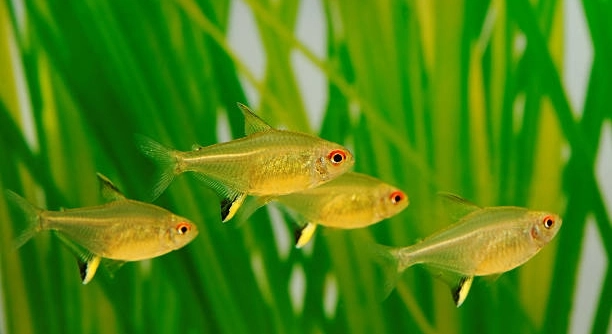
Do you enjoy watching your lemon tetras swim gracefully but notice some seem less lively than others? Keeping them active requires attention to their environment, diet, and social behavior to maintain their natural energy and vitality.
Lemon tetras remain active when provided with stable water conditions, proper temperature, a balanced diet, sufficient swimming space, consistent lighting, enrichment through plants or decorations, and compatible tank mates. These factors collectively support their overall health and activity levels.
Maintaining an engaging and healthy tank environment ensures your lemon tetras thrive, swim energetically, and display their natural behaviors regularly throughout the day.
Stable Water Conditions
Maintaining stable water conditions is essential for keeping lemon tetras active. Sudden changes in pH, hardness, or temperature can stress them, causing lethargy or hiding. Regular water testing and partial water changes help maintain a consistent environment. Avoid overfeeding, as uneaten food can alter water chemistry, impacting their health. Proper filtration ensures debris and toxins are removed efficiently. Introducing new decorations or plants gradually prevents sudden shifts in water quality. Monitoring ammonia, nitrite, and nitrate levels keeps their tank safe and comfortable. Even small fluctuations can make them less energetic, so keeping a steady routine is important. Providing a calm environment with minimal stressors allows lemon tetras to swim freely and interact naturally. Consistency in water conditions supports not only their activity but also their long-term health. Observing your fish daily helps identify early signs of stress, ensuring timely adjustments. A stable habitat encourages natural behaviors and enhances their bright colors.
Maintaining proper water parameters prevents stress-related inactivity and promotes overall health, supporting energetic and lively behavior in lemon tetras daily.
A stable tank allows lemon tetras to explore, feed, and swim actively. Sudden changes, even minor ones, can make them hide or become sluggish. Regular water checks, careful feeding, and consistent maintenance create an environment where their energy is sustained. When tetras feel secure, they interact more with each other, swim in groups, and display their natural patterns, making them more visually engaging. Plants, decorations, and open swimming spaces contribute to their comfort, reducing stress. By monitoring water parameters and keeping a predictable routine, their activity levels remain high, and their health improves. Observing their responses to changes allows adjustments that keep them thriving, making their tank a lively and balanced environment for daily movement and social behavior.
Proper Temperature
Lemon tetras thrive in a temperature range of 74–80°F. Keeping the water within this range ensures proper metabolism and activity. Sudden temperature drops or spikes can lead to stress, affecting swimming behavior and appetite.
Consistent temperature management promotes natural activity, energy, and overall health in lemon tetras, supporting their daily routines.
Maintaining the correct water temperature is crucial for lemon tetras. Water that is too cold can slow their metabolism, making them lethargic and less likely to explore the tank. Conversely, water that is too warm can increase stress and reduce oxygen levels, limiting their movement. Using a reliable heater and thermometer ensures their environment stays stable. Even minor fluctuations can impact their energy and interactions with other tetras. Observing their swimming patterns and feeding habits helps detect temperature-related issues early. Combining proper temperature with stable water conditions supports activity, encourages healthy feeding, and maintains overall vitality. Ensuring the water remains consistently within the optimal range allows lemon tetras to display their natural behaviors, swim energetically, and enjoy a healthy, balanced life in the aquarium.
Balanced Diet
A balanced diet keeps lemon tetras energetic and healthy. Feeding a mix of flakes, micro-pellets, and occasional live or frozen foods provides essential nutrients. Overfeeding can reduce activity, while variety ensures their metabolism and color remain optimal.
Providing a consistent diet with proper portions is crucial. Flakes or micro-pellets should be high-quality and rich in protein, while live or frozen foods like daphnia, brine shrimp, or bloodworms give additional nutrients and stimulate natural hunting behavior. Feeding small amounts two to three times a day helps maintain energy without overloading the tank with waste. Observing how they respond to different foods allows you to adjust portions and ensure all tetras receive proper nutrition. Proper nutrition not only supports swimming activity but also boosts their immune system and enhances coloration, making them more vibrant and lively.
Balanced feeding routines also prevent aggression or stress caused by competition for food. When each tetra receives proper nutrition, they swim actively, interact naturally, and display healthy behavior patterns. Monitoring their intake and avoiding excess keeps water quality stable, further encouraging movement. Occasional live treats create stimulation and prevent boredom, supporting both mental and physical health. Variety and portion control are key to sustaining consistent activity levels, while consistent feeding schedules maintain their daily rhythm, contributing to a healthier, more dynamic aquarium environment where lemon tetras thrive.
Sufficient Swimming Space
Lemon tetras require open swimming areas to remain active. Overcrowded tanks or excessive decorations can limit movement and lead to stress or lethargy.
Providing ample swimming space allows tetras to form shoals and move freely. Open areas in the tank encourage natural schooling behavior, while strategically placed plants and decorations create hiding spots without restricting motion. Observing their movement patterns ensures they have room to explore.
A spacious tank reduces territorial conflicts and supports social interaction. When tetras have room to swim, they stay alert, energetic, and display natural behaviors such as darting, schooling, and exploring. Combining open areas with moderate decoration provides both comfort and stimulation, maintaining activity throughout the day. Ensuring sufficient space helps sustain long-term health, supports growth, and encourages lively interactions among all tank inhabitants. Proper stocking levels, along with careful placement of plants and ornaments, maintain balance between movement and shelter, giving lemon tetras a dynamic, active environment.
Consistent Lighting
Consistent lighting helps regulate lemon tetras’ daily activity. Providing a regular day-night cycle encourages natural swimming and feeding behavior. Sudden changes or prolonged darkness can cause stress and reduce energy levels.
Using a timer ensures predictable lighting. About 10–12 hours of light per day supports healthy activity and prevents disruption to their natural rhythm.
Enrichment with Plants and Decorations
Plants and decorations provide mental stimulation and hiding spots. A mix of live plants, driftwood, and small ornaments allows tetras to explore while feeling secure. Open swimming areas combined with shaded regions encourage movement, reduce stress, and promote natural behaviors, keeping them lively throughout the day.
Compatible Tank Mates
Choosing peaceful, compatible tank mates prevents aggression and stress. Lemon tetras are social but may become inactive if housed with overly aggressive or larger species. Peaceful companions support healthy interactions and allow natural schooling behavior to thrive.
How often should I feed my lemon tetras?
Lemon tetras should be fed small amounts two to three times daily. Overfeeding can cause water quality issues, while underfeeding may reduce energy levels. Providing a mix of high-quality flakes or micro-pellets with occasional live or frozen foods ensures balanced nutrition. Monitor how much they eat in a few minutes and adjust portions accordingly.
What is the ideal tank size for lemon tetras?
A minimum 20-gallon tank is recommended for a small group of lemon tetras. They are active swimmers and thrive in open spaces that allow schooling behavior. Overcrowding leads to stress, reduced activity, and potential health problems. Providing enough swimming room promotes natural interactions and keeps them energetic.
Can lemon tetras live with other fish?
Yes, lemon tetras are peaceful and do well with other small, non-aggressive species. Avoid large or aggressive fish that may stress them. Compatible tank mates include other tetras, rasboras, or small peaceful catfish. Observing interactions helps maintain a balanced community and ensures active behavior.
How do I maintain water quality for active lemon tetras?
Regular water testing and partial water changes are essential. Ammonia, nitrite, and nitrate levels should be closely monitored, and filtration must be efficient. Avoid overfeeding, remove uneaten food promptly, and clean decorations when needed. Stable water parameters encourage swimming, exploration, and natural behaviors in lemon tetras.
What temperature range is best for lemon tetras?
Lemon tetras thrive in water between 74 and 80°F. Consistent temperatures support proper metabolism and prevent stress. Use a reliable heater and thermometer to avoid sudden fluctuations. Proper temperature encourages energy, healthy feeding, and active swimming patterns.
How important are plants and decorations for activity?
Plants and decorations provide hiding spots, mental stimulation, and visual barriers. Live plants are ideal, but a combination of driftwood and ornaments works well. Open swimming areas paired with shaded regions encourage exploration, schooling, and overall activity. Changing decorations occasionally keeps their environment engaging.
Do lemon tetras need a specific light cycle?
Yes, maintaining a regular day-night cycle of about 10–12 hours of light is important. Using a timer ensures consistent lighting. Predictable light encourages normal activity, feeding behavior, and reduces stress. Avoid sudden changes or prolonged darkness to keep them active.
How can I tell if my lemon tetras are stressed?
Signs of stress include hiding frequently, reduced swimming, loss of color, or refusal to eat. Stress can result from poor water quality, incompatible tank mates, or sudden environmental changes. Identifying stress early allows for adjustments that restore activity and overall health.
What should I do if lemon tetras seem inactive?
Check water parameters, temperature, and tank conditions first. Ensure proper feeding, compatible companions, and adequate swimming space. Observing their behavior helps identify specific issues. Adjusting diet, environment, or tank setup can restore natural activity levels over time.
Are there seasonal considerations for lemon tetra activity?
Temperature and daylight variations can influence activity. Maintaining stable water conditions and a consistent light schedule helps prevent seasonal lethargy. Even minor fluctuations can affect metabolism, feeding, and swimming behavior. Ensuring a stable environment keeps them active year-round.
Can live foods improve activity levels?
Yes, occasional live foods like daphnia or brine shrimp provide nutrients and stimulate natural hunting behavior. This promotes movement and engagement. Live foods complement regular flakes or pellets, supporting overall energy, vitality, and the natural behaviors of lemon tetras.
How many lemon tetras should be kept together?
A small group of at least six is ideal. They are schooling fish and feel more secure in numbers. Groups allow for natural interactions, synchronized swimming, and more visible activity. Smaller numbers can result in stress and reduced movement.
How do I prevent aggression in a community tank?
Avoid overcrowding and select peaceful tank mates. Provide open swimming areas and hiding spots to reduce tension. Maintaining proper feeding routines and monitoring interactions helps prevent bullying or stress, ensuring lemon tetras remain active and comfortable in their habitat.
Is filtration important for activity?
Yes, efficient filtration removes toxins, debris, and excess food, keeping water clean. Clean water supports oxygen levels and reduces stress, encouraging swimming and natural behaviors. Regular filter maintenance ensures lemon tetras remain energetic and healthy.
How do I encourage schooling behavior?
Maintain a group of at least six tetras, provide open swimming space, and ensure compatible tank mates. Stable water conditions, proper lighting, and balanced diet reinforce social interactions and natural movement patterns, making schooling behavior more visible and sustained.
Can tank decorations be changed often?
Yes, changing decorations occasionally adds stimulation and prevents boredom. Ensure open swimming spaces remain and introduce new plants or ornaments gradually. A varied environment encourages exploration, natural activity, and engagement while keeping lemon tetras lively.
What role does water hardness play in activity?
Lemon tetras prefer soft to moderately hard water. Consistent hardness levels reduce stress and promote healthy metabolism. Abrupt changes can lead to hiding or reduced swimming. Maintaining proper water chemistry supports energy levels and natural behavior patterns.
How do I monitor activity levels effectively?
Observe swimming patterns, feeding response, color vibrancy, and social interactions. Regular daily checks help detect issues early, such as stress or health concerns. Active lemon tetras display alertness, schooling behavior, and frequent exploration of the tank environment.
Are there specific signs of good health?
Bright coloration, energetic swimming, consistent appetite, and active schooling indicate good health. Healthy fish move confidently, interact with tank mates, and explore their environment. Maintaining water quality, temperature, diet, and proper tank setup supports these behaviors consistently.
How long do lemon tetras typically stay active?
With proper care, lemon tetras can remain active for several years. Stable water conditions, consistent feeding, open swimming space, compatible companions, and environmental enrichment all contribute to long-term vitality and energetic behavior. Regular observation ensures their activity continues at healthy levels.
Keeping lemon tetras active requires attention to several key aspects of their care. Maintaining stable water conditions is one of the most important factors. Sudden changes in pH, hardness, or temperature can cause stress and reduce activity. Regular water testing, partial water changes, and proper filtration help keep their environment consistent. Overfeeding should be avoided, as leftover food can alter water quality and make fish lethargic. Observing your tetras daily allows you to spot changes in behavior early and address any issues promptly. A stable tank creates a comfortable and safe space where lemon tetras can swim freely and display natural behaviors without unnecessary stress.
Diet and nutrition play an equally important role in keeping lemon tetras lively. A balanced diet consisting of high-quality flakes or micro-pellets, complemented by occasional live or frozen foods like brine shrimp or daphnia, provides essential nutrients and stimulates natural hunting behavior. Feeding small portions two to three times a day prevents overfeeding and helps maintain water quality. Ensuring all fish in the tank receive proper nutrition supports their overall health and energy levels. Live foods and occasional variety not only improve their vitality but also encourage movement and social interaction, which are key to active and healthy tetras.
Environmental enrichment and proper tank management also contribute to activity. Open swimming spaces allow tetras to school naturally, while decorations and live plants provide shelter and stimulation. A consistent day-night lighting schedule encourages normal behavior and helps regulate their internal rhythm. Peaceful and compatible tank mates reduce stress and support social interactions. Monitoring temperature, water hardness, and overall water quality further ensures that lemon tetras remain energetic. Combining these factors creates a well-balanced environment that supports physical health, mental stimulation, and natural behavior patterns. When all these aspects are addressed, lemon tetras stay active, display bright colors, and maintain a healthy, lively presence in the aquarium.

Hello,
If you enjoy the content that we create, please consider saying a "Thank You!" by leaving a tip.
Every little bit helps us continue crafting quality advice that supports the health, happiness, and well-being of pets around the world, for pets of all shapes, sizes, and species.
We really appreciate the kindness and support that you show us!