
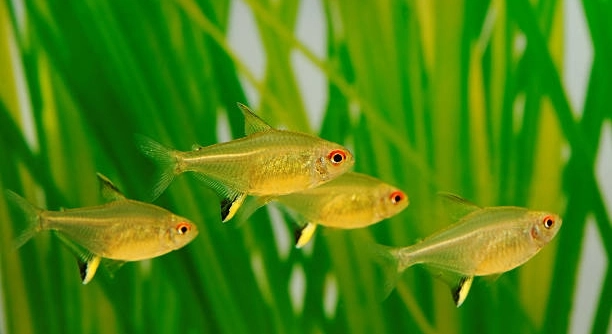
Do you ever find yourself wondering which fish will peacefully share a tank with your lemon tetras? Choosing compatible tank mates can feel overwhelming, especially when you want a harmonious and stress-free aquatic environment for your fish.
Lemon tetras are small, peaceful schooling fish that thrive with other non-aggressive species. Suitable tank mates include small rasboras, corydoras catfish, small danios, pygmy gouramis, harlequin rasboras, otocinclus catfish, and cherry barbs, all of which support stable, healthy community tanks.
Finding the right companions for lemon tetras ensures a balanced tank environment. This guide will help you select compatible species for long-term harmony.
Small Rasboras
Small rasboras are gentle, schooling fish that naturally fit into a community tank with lemon tetras. They share similar water requirements and temperaments, making them ideal companions. Their small size prevents them from intimidating lemon tetras, allowing both species to coexist peacefully. They are active swimmers and enjoy similar hiding spaces, such as plants or decorations. When added in groups, they maintain social behavior, reducing stress for all tank inhabitants. Their colors and movement also add visual interest without overwhelming the tank’s balance. Feeding requirements are compatible with lemon tetras, as they both thrive on small flakes, micro pellets, or frozen foods like daphnia and brine shrimp. Observing their schooling patterns alongside tetras can be enjoyable, as both species move in coordinated groups. They are hardy and adaptable to standard community tank conditions, making them suitable for beginners and experienced aquarists alike. Ensuring proper tank size and hiding spots maximizes their comfort and reduces aggression risks.
Adding small rasboras can enhance both the appearance and harmony of a lemon tetra tank.
Properly introducing rasboras requires gradual acclimation. Slowly adjusting them to tank water prevents stress. They thrive best in schools of six or more, reinforcing natural behaviors. Tank plants and gentle currents improve their comfort and reduce territorial disputes. Monitoring their interactions during the first weeks ensures a balanced, peaceful environment.
Corydoras Catfish
Corydoras catfish are bottom dwellers that coexist well with lemon tetras due to their calm nature and differing swimming levels. They clean uneaten food, contributing to tank hygiene.
Corydoras are small, peaceful catfish that prefer sandy or smooth substrate to protect their barbels. They are social and should be kept in groups of at least three to maintain natural behaviors. They enjoy shaded areas and caves, which help them feel secure. These fish are adaptable to a range of water conditions, though stable parameters prevent stress. Feeding includes sinking pellets, small frozen foods, or flake leftovers. Corydoras are active during the day, complementing the mid-level activity of lemon tetras. Observing their foraging behavior adds another layer of interest to the tank. They rarely interact aggressively with other fish, making them excellent companions. Careful attention to water quality ensures long-term health, as corydoras are sensitive to high ammonia and nitrate levels. Their peaceful temperament and practical role in the tank ecosystem make them valuable additions for a well-rounded, community aquarium.
Would you like me to continue with the remaining five safe tank mates in the same format?
Small Danios
Small danios are active, non-aggressive fish that swim at the top and middle levels of the tank. Their lively nature complements lemon tetras without causing stress. They are hardy and adapt easily to community tank conditions, making them reliable companions for peaceful schooling fish.
Danios thrive in groups of at least six, which encourages natural schooling behavior and reduces potential aggression. They prefer moderate water flow and enjoy open swimming spaces. Their diet is flexible, accepting flakes, micro pellets, and occasional frozen foods. Compatible water parameters and stable temperatures ensure their health. Despite their activity, they do not disturb lemon tetras, allowing both species to coexist comfortably. Watching their coordinated movements adds a dynamic layer to the aquarium. Providing plants and hiding spots helps balance their energy and gives tetras areas to rest.
Introducing danios should be gradual. Observe interactions carefully to confirm they remain non-aggressive. Ensuring enough space prevents overcrowding and stress. Their resilience and social nature make them consistent, harmonious tank mates for lemon tetras.
Pygmy Gouramis
Pygmy gouramis are peaceful, small fish that occupy the mid to upper levels of a tank. Their calm temperament and small size allow them to coexist well with lemon tetras. They enjoy planted areas and gentle water flow.
Pygmy gouramis thrive in well-planted tanks with calm waters. They appreciate floating plants for shelter and resting near the surface. Feeding includes micro pellets, flakes, and live or frozen foods like brine shrimp. They are territorial only in limited spaces, so providing adequate hiding spots minimizes disputes. They do well in community tanks, complementing the active schooling of lemon tetras. Their subtle colors blend naturally with other peaceful fish, creating a visually appealing tank without causing stress. Regular water changes and stable temperatures support their health and longevity, as they are sensitive to poor water quality. Observing their quiet interactions and gentle movements adds a relaxed atmosphere to the aquarium, making them excellent companions for any small, peaceful schooling fish.
Harlequin Rasboras
Harlequin rasboras are peaceful, colorful fish that swim in schools, making them excellent companions for lemon tetras. Their similar size and temperament help maintain harmony in a community tank. They adapt well to standard freshwater conditions and enjoy planted tanks with open swimming areas.
These fish are best kept in groups of six or more. Their schooling behavior reduces stress and encourages natural movement patterns. Feeding includes flakes, micro pellets, and small frozen foods. Harlequin rasboras rarely show aggression, keeping the tank environment calm and balanced.
Otocinclus Catfish
Otocinclus catfish are small algae eaters that clean surfaces without disturbing other fish. They are very gentle and spend most of their time on tank walls, plants, and decorations. Keeping them in groups of at least three ensures comfort and natural behavior.
These catfish thrive in clean, well-oxygenated water with stable temperatures. They prefer a tank with soft substrate and plenty of plants. Their diet primarily consists of algae, but they also accept blanched vegetables like zucchini or spinach. They are shy but peaceful, avoiding conflicts with lemon tetras. Regular monitoring ensures they are feeding well and remaining healthy. Their constant foraging helps maintain tank cleanliness, benefiting all tank inhabitants and supporting a balanced ecosystem.
Cherry Barbs
Cherry barbs are small, peaceful fish with vibrant coloration that complements lemon tetras. They prefer swimming in groups and enjoy planted tanks that provide hiding spaces. Their calm temperament and similar water requirements make them suitable for community tanks.
Cherry barbs thrive in schools of six or more, which encourages natural social behavior. Feeding includes flakes, small pellets, and occasional frozen foods. They rarely display aggression when provided with adequate space and hiding areas. Their lively yet gentle movements enhance tank activity without stressing lemon tetras. Regular water maintenance ensures their colors remain bright and health is sustained. Observing a well-planted tank with these harmonious companions can be rewarding.
What tank size is ideal for lemon tetras and their tank mates?
Lemon tetras are small but active fish that prefer swimming in schools. A minimum tank size of 20 gallons is recommended to accommodate a small group along with compatible tank mates. Larger tanks are better if you plan to add multiple species, as they provide more swimming space and reduce territorial stress. Adequate space helps maintain stable water quality and allows proper filtration. Including plants, decorations, and hiding spots further improves comfort for both tetras and their companions. Overcrowding should be avoided to prevent aggression and maintain health.
Can lemon tetras live with aggressive fish?
Lemon tetras are peaceful and can become stressed or injured if housed with aggressive species. Avoid cichlids, large barbs, or fin-nipping fish that may harass them. Aggression can lead to reduced appetite, hiding, and even disease. Instead, focus on small, calm fish that share similar water requirements. Monitoring behavior during the first weeks is crucial when introducing new tank mates. If aggression is observed, separating the fish or rearranging the tank to provide more hiding spots can help reduce conflict. Creating a calm environment promotes long-term health and social behavior.
How many tank mates can I keep with lemon tetras?
The number of tank mates depends on tank size and fish species. A general guideline is one inch of fish per gallon, but schooling fish like tetras and rasboras need groups of at least six to maintain social behavior. Maintaining balanced numbers prevents stress, territorial disputes, and overcompetition for food. Introducing too many fish at once can strain filtration systems, leading to water quality issues. Proper planning ensures harmonious coexistence, with space for swimming, resting, and hiding. Observing the community regularly helps adjust numbers if any species appears stressed or overcrowded.
What water parameters do lemon tetras prefer?
Lemon tetras thrive in slightly acidic to neutral water with a pH range of 6.0 to 7.5. Temperature should be kept between 72°F and 78°F. Water hardness should remain low to moderate. Consistent water quality is essential, with regular partial water changes to remove nitrates and toxins. Filtration and gentle water flow help maintain oxygenation and prevent stagnant areas. Sudden changes in temperature or pH can stress tetras and increase susceptibility to disease. Maintaining stable conditions benefits both lemon tetras and their peaceful tank mates, promoting natural behavior and vibrant coloration.
What should I feed lemon tetras and their tank mates?
Lemon tetras accept a varied diet including high-quality flakes, micro pellets, and occasional frozen or live foods like daphnia or brine shrimp. Feeding small amounts multiple times a day prevents overfeeding and water quality issues. Tank mates such as rasboras, danios, and pygmy gouramis thrive on similar foods. Bottom-dwellers like corydoras and otocinclus benefit from sinking pellets, algae wafers, or blanched vegetables. Balanced feeding ensures growth, vibrant color, and active behavior. Removing uneaten food prevents decay and ammonia spikes. Observation during feeding helps confirm all species are eating adequately and remain healthy.
How can I introduce new tank mates safely?
Introducing new fish gradually helps prevent stress and aggression. Acclimate them to tank water by floating the bag or using a drip method over one to two hours. Observe interactions closely during the first days. Rearranging decorations can reduce territorial disputes and provide hiding spots. Quarantining new fish before introduction reduces disease risks. Start with one species at a time in moderate numbers to assess compatibility. Adjust feeding, tank flow, and hiding areas as needed. Consistent monitoring ensures all fish remain healthy and peaceful in a shared environment, supporting long-term stability.
How can I maintain a peaceful tank with lemon tetras?
Maintaining a peaceful tank requires careful species selection, proper numbers, and balanced tank layout. Avoid aggressive or overly large fish. Provide ample hiding spots, plants, and swimming space. Regular maintenance, including water changes and substrate cleaning, keeps water quality high. Observing social interactions helps detect stress or aggression early. Feeding all species adequately prevents competition. Stable water parameters and consistent care reduce disease risk and support natural behavior. A well-maintained environment ensures lemon tetras and their tank mates thrive together without unnecessary stress.
Are there signs of stress I should watch for in lemon tetras?
Stressed lemon tetras may hide excessively, lose color, or reduce their activity. Fin clamping, erratic swimming, or decreased appetite are common indicators. Stress can result from overcrowding, aggressive tank mates, poor water quality, or sudden changes in temperature and pH. Regular observation and prompt action, such as adjusting tank conditions or separating aggressive fish, help restore health. Providing plants, hiding spaces, and consistent feeding supports a calm environment. Recognizing stress early prevents illness and promotes long-term well-being for lemon tetras and compatible species.
Can I mix multiple types of peaceful fish with lemon tetras?
Yes, multiple peaceful species can coexist if space, water parameters, and diet are suitable. Mixing small rasboras, corydoras, danios, pygmy gouramis, harlequin rasboras, otocinclus, and cherry barbs creates a lively, harmonious tank. Observe behavior for compatibility, and avoid overcrowding. Proper planning ensures a balanced environment for all species.
Lemon tetras are small, peaceful fish that thrive in calm, community tanks. Choosing the right tank mates is essential to maintain a stress-free environment and support their natural schooling behavior. Compatible fish such as small rasboras, corydoras catfish, danios, pygmy gouramis, harlequin rasboras, otocinclus, and cherry barbs offer companionship without causing aggression or competition. These species share similar water requirements and temperaments, which reduces the risk of stress-related health issues. Ensuring proper tank size, hiding spots, and swimming space allows both lemon tetras and their companions to exhibit natural behavior. Watching a group of lemon tetras move together alongside other peaceful species can be rewarding, as the tank feels balanced, active, and lively. Consistent maintenance, including regular water changes and monitoring of water parameters, supports the long-term health of all fish.
Introducing tank mates should be done gradually to ensure compatibility and reduce potential stress. Acclimating new fish to the water slowly helps prevent shock or sudden changes in their environment. Observing their behavior during the first days is important; signs of aggression, hiding, or reduced appetite may indicate that adjustments are needed, such as providing additional hiding spaces or rearranging decorations. Feeding routines should accommodate all species, with flakes, pellets, frozen foods, and vegetables as appropriate. Proper diet ensures that all fish receive necessary nutrients while maintaining water quality by preventing excess food from decaying. Maintaining consistent water temperature, pH, and hardness is equally important. Sudden fluctuations can weaken the immune system of lemon tetras and other peaceful tank mates, making them more vulnerable to disease. A stable, well-planned tank environment reduces stress, enhances activity, and allows each species to display its natural behaviors.
Keeping lemon tetras with compatible tank mates provides both aesthetic appeal and a harmonious aquatic environment. Their bright coloration, active swimming, and schooling patterns are complemented by other gentle species that occupy different areas of the tank. Bottom dwellers like corydoras and otocinclus help maintain cleanliness, while mid and top-level swimmers add movement and variety. Planted tanks with open swimming spaces, shaded areas, and floating plants provide comfort and security for all fish. Monitoring interactions regularly ensures that the community remains balanced, with minimal aggression or stress. By carefully selecting peaceful companions, maintaining stable water conditions, and following proper feeding and care routines, lemon tetras can thrive for years in a healthy, vibrant community tank. The right setup creates a visually appealing, active, and peaceful aquarium where all fish coexist naturally, offering enjoyment and satisfaction to any aquarist.

Hello,
If you enjoy the content that we create, please consider saying a "Thank You!" by leaving a tip.
Every little bit helps us continue crafting quality advice that supports the health, happiness, and well-being of pets around the world, for pets of all shapes, sizes, and species.
We really appreciate the kindness and support that you show us!