
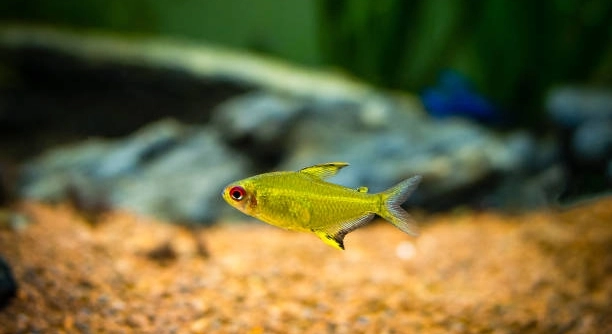
Do you ever find yourself adjusting the lights in your aquarium but noticing your Lemon Tetra seems uneasy? Proper lighting is more important than many think, and even small mistakes can affect their comfort and behavior.
Lemon Tetra are sensitive to lighting conditions, and common mistakes include excessive brightness, uneven illumination, improper photoperiods, and incorrect placement of lights. Each of these factors can cause stress, reduce activity, and negatively impact their overall health.
Understanding these lighting issues can help you create a more comfortable and thriving environment for your Lemon Tetra. Correcting mistakes ensures they remain healthy and active in your aquarium.
Overly Bright Lighting
Too much brightness can make Lemon Tetra anxious and hide more often. Their natural habitat has soft, diffused light, and strong aquarium lighting can overwhelm them. Even if the tank looks vibrant to you, it might be uncomfortable for your fish. Excessive light can also promote algae growth, which reduces water quality. If you notice your Tetra darting or clustering at the corners, it is often a sign the lighting is too harsh. Adjusting the intensity or adding floating plants can help soften the light and create shaded areas where they feel safe. Timing also matters; sudden changes in brightness can startle your fish. Gradual adjustments to light levels make a significant difference in behavior. Observing your Tetra’s reactions to different setups is key. By mimicking natural light conditions, you create a more stable and stress-free environment that encourages normal swimming patterns and natural interactions among your fish.
Excessively bright lights can harm behavior, encourage hiding, and increase stress. Adjusting intensity helps your Lemon Tetra feel secure and active.
Adding floating plants or dimmers can balance light levels. Lemon Tetra respond well to gradual changes, reducing stress and improving overall well-being. Proper lighting promotes health, normal activity, and visible natural coloration in your aquarium. Observing their responses helps maintain the ideal environment.
Uneven Light Distribution
When light is uneven, some areas of the tank may be overly bright while others remain too dark. This imbalance can confuse Lemon Tetra, leading them to hide or cluster in shaded areas. Uneven lighting also affects plant growth, which in turn impacts water quality and the overall ecosystem. Adjusting fixtures, using diffusers, or repositioning lights can help create consistent illumination across the tank. Lemon Tetra prefer predictable environments, and consistent light encourages them to explore the entire tank. Uneven lighting can make it harder to monitor their behavior, as stressed fish may stay hidden. Proper placement ensures every corner is visible and safe. Balancing the light prevents dark zones that can become breeding grounds for unwanted algae or bacteria. This simple adjustment helps maintain both fish comfort and tank aesthetics. Maintaining a consistent lighting pattern promotes healthy behavior and makes the aquarium visually appealing.
Even lighting prevents stress, promotes natural swimming, and keeps plants healthy. Adjusting placement creates a balanced and safe environment for your Lemon Tetra.
Consistent light is crucial for both the fish and the ecosystem. Uneven illumination can disrupt behavior and encourage hiding. Using diffusers, repositioning lights, or adjusting intensity ensures every area of the tank is well-lit without being overwhelming. This allows Lemon Tetra to swim freely, reduces stress, and improves plant growth. A balanced light pattern also makes it easier to monitor fish health. Regularly checking light distribution ensures long-term comfort and stability in the aquarium environment. Properly managing light helps maintain water quality, supports plant life, and keeps your Tetra active, visible, and healthy. Observing their reactions after adjustments confirms the tank is well-suited to their needs, creating a calmer and more harmonious aquatic setting.
Improper Photoperiod
A poor lighting schedule can confuse Lemon Tetra, disrupting their sleep and activity patterns. Too long or too short exposure to light causes stress, affecting feeding, swimming, and overall health. Consistent timing is essential for a stable and healthy aquarium environment.
Maintaining a regular photoperiod of around 10–12 hours of light each day helps Lemon Tetra establish a natural rhythm. Irregular light cycles can lead to stress behaviors, such as hiding or erratic swimming. Using a timer ensures consistent light duration and prevents sudden changes that might alarm your fish. A predictable schedule also benefits live plants, promoting proper growth while reducing algae blooms. Gradual transitions between light and dark periods mimic natural dawn and dusk, helping the fish feel secure. Observing behavior after adjusting the photoperiod confirms the environment is suitable.
Gradually shifting light at the start and end of each photoperiod reduces stress. Sudden changes in lighting can startle Lemon Tetra, leading to anxiety and reduced activity. Combining timers with soft dimming or floating plants helps create a balanced environment. A stable light schedule ensures fish maintain regular swimming patterns, proper feeding, and overall health. This routine also supports plants, keeps algae in check, and promotes a harmonious aquarium atmosphere for Lemon Tetra.
Incorrect Light Placement
Placing lights too close to the water surface or in uneven positions can stress Lemon Tetra and disrupt their natural swimming habits. Proper positioning ensures even light distribution and comfort.
Incorrect light placement can create overly bright spots and harsh shadows, which make Lemon Tetra feel unsafe. When lights are too low, they may overheat the water or create glare that overwhelms the fish. Adjusting height and angle allows light to spread evenly across the tank, reducing stress and encouraging exploration. Shadows and hot spots can also affect plant growth, leading to uneven algae development. Using diffusers or repositioning fixtures helps create a balanced environment that mimics natural conditions. Observing the fish’s swimming and hiding patterns after adjustments indicates whether placement is suitable. Proper positioning keeps the aquarium visually appealing while supporting fish well-being.
Repositioning lights improves swimming patterns, reduces hiding, and promotes consistent plant growth. Proper fixture height and angle prevent glare, uneven illumination, and overheating. By using diffusers and observing fish behavior, Lemon Tetra adjust comfortably, maintaining natural activity and healthier interactions. Balanced lighting also limits algae development, creating a cleaner, more stable tank. Consistent placement supports a calm environment and helps the aquarium function as a safe, predictable habitat. Observing results ensures adjustments meet both fish and plant needs efficiently.
Sudden Light Changes
Abrupt changes in lighting can startle Lemon Tetra, causing stress and erratic swimming. Gradual adjustments are essential to help them adapt without panic.
Using timers or dimmers prevents sudden brightness shifts. Slowly increasing or decreasing light intensity mimics natural dawn and dusk, keeping your fish calm and comfortable.
Using the Wrong Bulb
The wrong type of bulb can affect both fish behavior and plant growth. Bulbs with inappropriate spectrum or intensity may cause stress, fading colors, and hinder natural activity. Choosing bulbs designed for freshwater aquariums ensures proper light quality for both Lemon Tetra and plants.
Neglecting Seasonal Light Variations
Ignoring seasonal changes can disrupt your Lemon Tetra’s natural rhythm. Adjusting light duration to reflect seasonal shifts helps maintain health, activity, and proper behavior.
How bright should the lighting be for Lemon Tetra?
Lemon Tetra prefer soft, diffused light that mimics their natural habitat. Lighting that is too bright can cause stress, hiding, or erratic swimming. Using adjustable lights or adding floating plants can reduce intensity while still illuminating the tank. Observing your Tetra’s behavior is key to finding the right level.
Can too much light harm their health?
Excessive lighting can negatively affect both fish and plants. Lemon Tetra may become stressed, show faded coloration, or reduce activity. Algae growth can increase, impacting water quality and overall health. A moderate, consistent photoperiod and proper light placement prevent these issues and maintain a stable environment.
How long should the aquarium lights stay on each day?
A regular photoperiod of 10–12 hours is ideal. Too short or too long light exposure can disrupt sleep cycles and feeding behaviors. Using a timer ensures consistent duration and gradual transitions between light and dark periods, helping Lemon Tetra feel secure and maintain natural routines.
Is it necessary to adjust lighting for different seasons?
Seasonal adjustments can help mimic natural environmental changes. Gradually shortening or lengthening light periods according to seasonal shifts supports natural rhythms, feeding patterns, and overall well-being. Sudden seasonal changes should be avoided, as abrupt differences can stress Lemon Tetra and disrupt their behavior.
What type of bulbs work best for a Lemon Tetra tank?
Bulbs designed for freshwater aquariums with full-spectrum light are recommended. Avoid overly intense or colored bulbs that alter the tank’s natural appearance. Proper bulbs promote plant growth, reduce stress, and maintain vibrant fish coloration. LED lights are often preferred because they are adjustable and energy-efficient.
How do I prevent sudden light changes from startling my fish?
Gradual adjustments are essential. Using timers or dimmers helps transition between dark and light periods. Adding floating plants or lightly shading areas of the tank can further soften abrupt changes. Watching their reactions after adjustments ensures the method is effective in reducing stress.
Can uneven lighting affect plant growth in the tank?
Uneven light creates areas where plants may grow poorly or algae may develop excessively. Adjusting fixture height, adding diffusers, or repositioning lights ensures consistent illumination. Healthy plant growth supports water quality and provides natural hiding spots, keeping Lemon Tetra comfortable and active.
How do I know if the lighting is stressing my Lemon Tetra?
Signs include hiding, clustering in shaded corners, erratic swimming, or faded coloration. Observing their normal activity patterns helps identify stress. Once adjustments in intensity, placement, or photoperiod are made, improvements in swimming behavior, feeding, and color usually appear within a few days.
Is it safe to use dimmable lights for gradual changes?
Yes, dimmable lights allow gradual increases and decreases in intensity, mimicking natural dawn and dusk. This reduces stress and helps Lemon Tetra adjust smoothly to lighting changes. Combining dimmers with timers ensures consistency and promotes healthier, calmer behavior in the tank.
How important is light placement for Lemon Tetra behavior?
Proper placement prevents hot spots, glare, and uneven lighting that can confuse or stress the fish. Lights positioned too close to the surface or unevenly distributed create bright and dark zones, encouraging hiding or erratic swimming. Adjusting height, angle, and diffusers ensures even illumination for a calm environment.
Can lighting affect the Tetra’s coloration?
Yes, incorrect intensity or spectrum can cause faded colors or dull appearance. Soft, full-spectrum lighting enhances natural colors without overwhelming the fish. Consistent and properly placed light helps Lemon Tetra maintain vibrant coloration while supporting healthy activity and overall well-being.
What steps can I take if my Tetra shows stress from lighting?
First, reduce intensity or add shaded areas. Ensure consistent photoperiods using timers. Adjust fixture placement to eliminate glare or hot spots. Monitor behavior over several days to confirm improvement. If stress persists, reevaluate bulb type, intensity, and tank setup to restore a comfortable environment.
Are there any tools that make lighting easier to manage?
Timers, dimmers, and diffusers simplify control over light intensity and duration. Floating plants or decorations can soften light naturally. These tools help maintain a stable, predictable environment, reduce stress, and promote natural swimming and feeding behaviors in Lemon Tetra.
How can I balance lighting for both fish and plants?
Full-spectrum bulbs and even light distribution support plant growth while keeping fish comfortable. Avoid overly intense light that favors algae over plants. Observing plant health and Tetra behavior together ensures both thrive, creating a balanced, healthy aquarium ecosystem.
Proper lighting is one of the most important aspects of keeping Lemon Tetra healthy and comfortable. Their natural environment features soft, diffused light with gentle transitions between day and night, which helps regulate their behavior and activity levels. In an aquarium, replicating these conditions is essential. Too much brightness, uneven lighting, or sudden changes can stress them, causing hiding, erratic swimming, and even reduced appetite. Observing their behavior closely allows you to adjust the light intensity and placement to meet their needs. Small changes, such as adding floating plants or using a dimmer, can make a noticeable difference in their comfort and reduce stress over time. Consistency is key, and maintaining a predictable schedule helps them feel secure and encourages natural swimming patterns.
Another important consideration is the duration of light exposure. Lemon Tetra thrive under a photoperiod of around 10–12 hours, which allows them to rest and maintain normal feeding and activity habits. Using a timer can help maintain this schedule reliably, preventing accidental overexposure or sudden darkness. Gradual transitions at the beginning and end of the light cycle mimic natural dawn and dusk, which further supports their natural rhythm. The type of bulb also matters. Full-spectrum bulbs designed for freshwater aquariums are ideal, as they enhance coloration, support plant growth, and prevent excessive algae development. Positioning the lights at the correct height and angle ensures even illumination across the tank and avoids creating hot spots or shadows that can confuse or stress the fish.
Maintaining proper lighting is not just about comfort—it also affects the overall health of the aquarium ecosystem. Healthy plants rely on consistent, balanced light to grow, which helps maintain water quality and provides hiding spots for Lemon Tetra. Proper lighting can prevent algae overgrowth, which otherwise competes with plants and negatively impacts the tank environment. Observing your Tetra’s reactions to changes in light intensity, placement, and duration will guide adjustments and ensure they remain active and healthy. By combining soft, full-spectrum lighting with consistent photoperiods and even distribution, you create a safe, stress-free environment that promotes the well-being of your Lemon Tetra while supporting the plants and overall balance of the aquarium. This attention to detail results in a visually appealing tank and happier, healthier fish.

Hello,
If you enjoy the content that we create, please consider saying a "Thank You!" by leaving a tip.
Every little bit helps us continue crafting quality advice that supports the health, happiness, and well-being of pets around the world, for pets of all shapes, sizes, and species.
We really appreciate the kindness and support that you show us!