
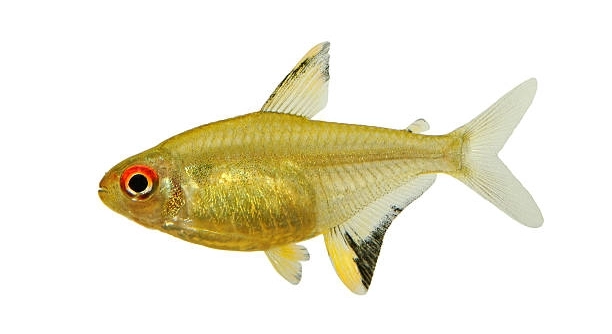
Lemon tetras are small, lively fish that bring color to any aquarium. Watching them swim gracefully is relaxing, but sometimes their behavior hints at problems with feeding habits and overall health in the tank.
Lemon tetras may not be eating properly due to poor water quality, inadequate nutrition, stress, illness, or competition among tank mates. Monitoring their behavior, appetite, and physical appearance can help identify issues early and maintain their well-being.
Recognizing these warning signs early ensures your fish stay healthy and active, helping you maintain a balanced and thriving aquarium environment.
Loss of Appetite
Lemon tetras may suddenly stop eating or show reduced interest in food. This can happen for a variety of reasons, including stress, illness, or changes in their environment. Observing their daily behavior can provide important clues. Sometimes, a fish may nibble at food but quickly swim away, which is different from actively feeding. Changes in water temperature, pH, or hardness can also impact their appetite. Even minor disturbances in the tank, such as rearranging decorations or adding new fish, may cause temporary refusal to eat. Nutrition plays a key role, too. Feeding only one type of food or offering stale flakes can lead to reduced feeding behavior. Noticing subtle changes early helps prevent long-term health problems and ensures your tetras remain active. Proper care, including regular water testing and a varied diet, supports consistent feeding habits.
Loss of appetite is often linked to stress, illness, or poor diet. Early observation and adjustments can help restore normal feeding behavior quickly.
Consistent feeding routines can improve the situation. Offering high-quality flake food, frozen or live options, and splitting portions throughout the day encourages tetras to eat. Maintaining stable water conditions and minimizing sudden changes reduces stress. Observing interactions among tank mates is also important, as bullying or competition can prevent some tetras from reaching the food. By providing a calm environment, suitable nutrition, and monitoring health, you can help your fish regain a proper feeding pattern. Regular observation and minor adjustments often resolve temporary appetite issues. Over time, understanding your lemon tetras’ preferences and habits ensures they remain healthy, active, and engaged with their environment, minimizing problems related to reduced feeding.
Visible Signs of Malnutrition
When lemon tetras do not eat properly, physical changes often appear. Their bodies may look thinner, colors may fade, or fins can appear ragged.
Malnutrition affects their immune system, making them prone to disease and slower recovery.
Detecting early signs helps prevent severe health problems. Fish showing sunken bellies, dull colors, or lack of energy require immediate attention. Adjusting diet with nutrient-rich foods like brine shrimp, daphnia, or specialized flakes can improve their condition. Feeding small amounts multiple times daily encourages consumption and reduces competition. Monitoring water quality is essential, as poor conditions can exacerbate nutrient deficiencies. Over a few weeks, proper care restores their vibrant color and energy. Observation is key; subtle changes often signal underlying issues. By addressing malnutrition promptly, you safeguard the health, appearance, and longevity of your lemon tetras, ensuring they remain active and visible in your tank.
Lethargic Behavior
Lemon tetras that are not eating properly often become less active. They may hover near the bottom or hide more than usual. Reduced movement is a clear indication that something is affecting their health or appetite.
Lethargy can result from poor water quality, low oxygen levels, or underlying illness. When tetras are stressed or weak, they avoid swimming actively and may ignore food. Sometimes, lethargy coincides with visible changes in color or fin condition. Regularly checking tank parameters and maintaining stable conditions can prevent this behavior. Minor adjustments in temperature, pH, and oxygenation often improve activity levels.
Improving diet and reducing stressors are key steps. Offering live or frozen foods can stimulate appetite. Keeping the tank environment calm and avoiding sudden disturbances helps tetras regain energy. Observing them closely allows you to catch early signs of problems. By addressing these issues promptly, lethargic behavior can often be reversed, and fish can return to normal activity levels.
Uneaten Food and Competition
Uneaten food in the tank may indicate that lemon tetras are struggling to eat properly. Dominant fish may take most of the food, leaving weaker ones hungry. Proper observation is essential to ensure all tetras are feeding.
Competition for food can prevent some tetras from consuming enough nutrients. Spreading food in different areas of the tank helps all fish access it. Feeding smaller portions multiple times a day ensures weaker fish get their share. Uneaten food should be removed to maintain water quality. Observing how fish interact during feeding can highlight bullying or overly aggressive behavior, which may need intervention to protect less dominant fish.
Providing varied food types, such as flakes, frozen, and live options, encourages all tetras to eat. Monitoring their growth, coloration, and behavior over time ensures nutritional needs are met. Adjusting tank layout, adding hiding spots, or feeding in separate areas can reduce competition. Maintaining a calm feeding environment and consistent routine helps prevent long-term issues caused by uneven food access. Regularly assessing fish behavior allows you to respond quickly to ensure all tetras remain healthy, active, and well-fed.
Fading Colors
Lemon tetras that are not eating properly often show dull or faded colors. Healthy tetras typically display bright yellow and silver tones, so a loss of vibrancy signals a potential issue.
This change in coloration can be caused by poor nutrition or stress. Ensuring a balanced diet and stable tank conditions often restores their natural colors over time.
Hiding More Than Usual
Fish that avoid open areas and spend most of their time hiding may not be eating properly. Stress, illness, or bullying from tank mates can cause this behavior. Providing hiding spots while addressing water quality and feeding practices encourages more normal activity.
Weight Loss
Significant weight loss is a clear sign lemon tetras are not eating enough. Their bodies may appear thin, and the belly may look sunken. Consistent monitoring and proper diet adjustments are essential to prevent further health decline.
Gasping at the Surface
Frequent surface gasping can indicate inadequate oxygen or stress, which often affects feeding. Maintaining proper aeration and water quality helps fish eat normally and stay healthy.
FAQ
Why are my lemon tetras not eating even though the water looks fine?
Even if the water parameters seem normal, subtle changes can affect appetite. Temperature fluctuations, hidden contaminants, or sudden pH shifts may stress fish. Additionally, illness or internal parasites can reduce feeding, so observation and careful monitoring of behavior and appearance are important.
How can I tell if my lemon tetra is stressed?
Signs of stress include hiding, lethargy, faded colors, rapid gill movement, and erratic swimming. Stress often causes a reduced appetite. Maintaining stable water conditions, providing hiding spots, and avoiding overcrowding helps minimize stress and encourages normal feeding behavior.
What foods are best to encourage feeding?
Offering a mix of high-quality flake food, frozen options like brine shrimp or daphnia, and occasional live foods stimulates appetite. Small, frequent feedings are better than one large portion, especially in tanks with multiple fish or competition.
Can tank mates affect feeding?
Yes. Aggressive or fast-moving fish can dominate feeding areas, leaving weaker tetras without access to food. Spreading food across the tank, feeding in different spots, or temporarily separating fish during feeding can help ensure all tetras eat properly.
How long can lemon tetras go without eating?
Healthy adult lemon tetras may survive a few days without food, but prolonged fasting can weaken them, reduce immune response, and lead to weight loss. Any extended refusal to eat requires attention to water conditions, diet, and potential illness.
Are faded colors a serious sign?
Yes. Fading colors often indicate malnutrition, stress, or disease. Bright coloration is a sign of health in lemon tetras. Ensuring proper diet, reducing stress, and monitoring tank conditions can restore vibrancy and appetite over time.
Should I change the water if fish stop eating?
Regular water changes are essential, but avoid large sudden changes, which can increase stress. Small, consistent changes combined with careful water testing keep the environment stable and support normal feeding behavior.
How do I know if my tetra has parasites?
Parasites may cause weight loss, fin damage, white spots, or unusual swimming patterns. If these signs appear along with reduced appetite, consulting a veterinarian or treating with recommended aquarium medications is necessary to restore health and feeding.
Can temperature affect eating habits?
Yes. Lemon tetras thrive in water between 72-78°F (22-26°C). Temperatures outside this range can slow metabolism or stress fish, reducing feeding. Maintaining a stable, appropriate temperature is key to encouraging regular eating habits.
Is hiding always a sign of a problem?
Not always, but excessive hiding combined with refusal to eat is concerning. Hiding can be normal behavior for a short period, but persistent avoidance of open areas may indicate stress, illness, or bullying by tank mates.
How often should I feed my lemon tetras?
Feeding two to three small portions daily is ideal. Overfeeding can pollute the tank and cause uneaten food, while underfeeding can lead to malnutrition. Observing how much the fish consume in a few minutes helps adjust the amount.
What immediate steps should I take if tetras stop eating?
Check water parameters, remove uneaten food, observe for stress or illness, and offer high-quality, varied foods. Adjust tank conditions gradually and monitor behavior. Early intervention often restores appetite and prevents further health problems.
Can changing the tank environment help?
Yes. Adding plants, hiding spots, or rearranging decorations carefully can reduce stress and encourage feeding. Avoid sudden, large changes, as these may have the opposite effect. Gradual improvements in the environment support overall health and appetite.
Are supplements necessary if tetras are not eating well?
Supplements like vitamins or fortified foods can help if dietary intake is inadequate, but addressing the underlying cause of reduced feeding is more important. Ensure proper nutrition, water quality, and stress reduction first, then consider supplements if needed.
How long does it take for tetras to return to normal eating habits?
Recovery depends on the cause. Minor stress or small environmental adjustments can restore appetite within a few days. Illness or prolonged malnutrition may require weeks of careful care, proper diet, and observation for full recovery.
What role does tank size play in feeding?
A crowded tank increases competition for food and stress. Ensuring adequate space for all fish reduces aggression, allows easier access to food, and supports consistent feeding. Proper stocking density is essential for healthy eating behavior.
Can I hand-feed lemon tetras to encourage eating?
Yes, hand-feeding or placing food near the fish can stimulate interest, especially in stressed or shy tetras. It encourages interaction, helps monitor individual intake, and ensures weaker fish receive food without interference from dominant tank mates.
How do I prevent feeding issues in the future?
Maintaining stable water parameters, providing a balanced diet, reducing stress, and observing behavior regularly prevents many feeding problems. Early detection of changes in appetite or activity is key to avoiding long-term health issues and ensuring vibrant, active fish.
What are the most common mistakes leading to reduced feeding?
Overfeeding, poor water quality, improper temperature, aggressive tank mates, and limited food variety are frequent causes. Addressing these factors consistently helps maintain appetite, color, and overall health in lemon tetras.
How important is routine observation?
Daily monitoring of behavior, feeding, and physical appearance allows early detection of problems. Regular observation helps identify subtle changes in appetite or health before they become serious, ensuring your tetras remain healthy and active.
What should I do if nothing seems to work?
If feeding issues persist despite proper care, consulting an aquatic veterinarian or experienced hobbyist is recommended. Professional advice can identify hidden illness, parasites, or environmental problems, ensuring timely intervention and recovery.
Final Thoughts
Keeping lemon tetras healthy and ensuring they eat properly requires careful observation and consistent care. These small fish are sensitive to changes in their environment, and even minor fluctuations in water quality, temperature, or tank setup can affect their appetite. Noticing changes in behavior, coloration, or activity levels early is essential. Reduced feeding, hiding, or lethargy can be signs of stress, illness, or competition among tank mates. By paying attention to these signs and taking corrective action quickly, you help your tetras maintain their energy, vibrant colors, and overall health. Providing a balanced diet and monitoring their interactions with other fish reduces the risk of long-term problems. Simple actions, such as regular water testing, proper feeding techniques, and maintaining a calm environment, can make a noticeable difference in their well-being.
Nutrition is one of the most important factors affecting lemon tetra health. A varied diet that includes high-quality flakes, frozen foods like brine shrimp or daphnia, and occasional live foods keeps fish interested in eating and provides essential nutrients. Feeding small amounts multiple times a day is better than offering large portions once. This approach ensures that all fish get access to food and reduces the likelihood of uneaten food polluting the tank. It also helps maintain consistent energy levels, which is especially important for shy or weaker fish that may struggle in a competitive feeding environment. Careful observation of how each fish responds to different foods allows you to identify preferences and address potential feeding issues before they become serious. Providing proper nutrition and a stable feeding routine is a key step in supporting healthy growth, vibrant colors, and overall vitality.
Maintaining a suitable environment goes hand in hand with proper nutrition. Lemon tetras thrive in well-aerated, clean water with stable parameters. Regular water changes, monitoring pH, and controlling temperature within the ideal range help prevent stress and illness. Creating hiding spots and ensuring there is enough space for all fish reduces competition and encourages natural feeding behavior. Overcrowding or aggressive tank mates can significantly impact a tetra’s ability to eat, so careful planning of tank size and population is essential. Observing behavior daily, adjusting the environment gradually, and addressing issues as they arise ensures that your tetras remain healthy and active. Consistent care, attention to detail, and proper feeding practices help prevent long-term health problems and create a thriving aquarium where lemon tetras can display their full colors and natural behavior. Over time, these efforts lead to a balanced, stable environment where feeding problems are less likely to occur and your fish enjoy a longer, healthier life.

Hello,
If you enjoy the content that we create, please consider saying a "Thank You!" by leaving a tip.
Every little bit helps us continue crafting quality advice that supports the health, happiness, and well-being of pets around the world, for pets of all shapes, sizes, and species.
We really appreciate the kindness and support that you show us!