
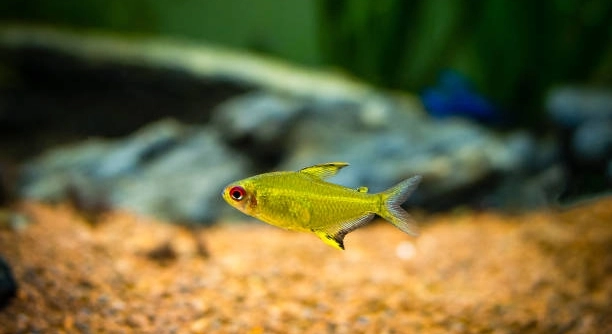
Lemon tetras are small, lively fish that brighten up any freshwater aquarium. Their behavior can sometimes seem unpredictable, leaving owners puzzled about sudden darting, hiding, or unusual swimming patterns among their tank companions.
Lemon tetras may interpret sudden movements, shadows, aggressive tank mates, sharp objects, rapid water changes, loud noises, or unfamiliar reflections as threats. Recognizing these triggers allows owners to create a calmer environment and reduce stress for their fish.
Knowing what these fish see as dangerous helps maintain a peaceful aquarium. Observing their reactions closely can improve their comfort and overall well-being.
Sudden Movements in the Tank
Lemon tetras are highly sensitive to sudden movements. Even a quick hand passing near the tank or abrupt tapping on the glass can startle them. When startled, they may dart around quickly or hide among plants, which can lead to stress over time. Consistent, calm handling helps reduce these reactions. Observing them regularly allows you to notice patterns in their behavior and identify what specifically triggers panic. Lighting also plays a role, as sharp changes in light can mimic movement or shadows, further alarming them. Positioning decorations to provide hiding spots gives them a sense of security. Over time, they may become more confident, responding less to minor disturbances. However, repeated or frequent sudden movements can lead to chronic stress, which affects their immune system and makes them more susceptible to illness. Maintaining a predictable environment ensures a calmer, healthier tank experience for lemon tetras, supporting both their activity levels and overall health in a natural way.
Even small, sudden movements can create a lasting sense of danger. Calm handling reduces stress and promotes healthy behavior patterns.
Providing gentle, consistent interactions and avoiding abrupt motions helps lemon tetras feel safe. Gradually, they learn to explore without fear. Hiding spots, stable lighting, and careful feeding routines further reduce anxiety, creating a secure environment where these small fish thrive.
Aggressive Tank Mates
Aggressive fish in the same tank can intimidate lemon tetras. Signs include chasing, nipping, or cornering smaller fish, which may force them to hide constantly. A well-planned community tank with compatible species prevents repeated stress. Observing interactions is essential to ensure peaceful coexistence.
Keeping only calm, similarly sized fish creates a stable environment for lemon tetras, reducing frequent stress responses and potential injuries.
If aggressive tank mates are present, lemon tetras may spend most of their time hiding or swimming nervously. This prolonged stress can weaken their immune system and reduce feeding, impacting growth and coloration. Careful selection of tank mates is critical. Species that are too large, territorial, or fast-moving often cause fear, while peaceful species allow tetras to maintain natural behaviors. Adding plants, rocks, and visual barriers gives them refuge and reduces confrontation. Adjusting the tank layout to break sightlines helps minimize chasing. Sometimes, separating aggressive individuals or moving them to another tank is necessary to preserve the tetras’ well-being. Monitoring the social dynamics daily ensures that all fish maintain a healthy balance, allowing lemon tetras to swim freely without constant vigilance. Creating a calm, structured environment encourages natural schooling, vibrant coloration, and overall health, which is the goal for any attentive aquarium owner.
Shadows and Reflections
Lemon tetras can mistake shadows or reflections for predators. Quick changes in lighting or shiny surfaces may startle them. Tank placement and lighting control can reduce these stress triggers and help the fish feel secure.
Reflections from aquarium glass or nearby objects can create confusion. Tetras may see themselves or movements outside the tank as threats, causing them to dart or hide. Bright lights or sunlight hitting the tank can amplify these reflections. Arranging plants and decorations strategically helps break up reflections, giving the fish safe areas to retreat. Observing their behavior during different times of the day can reveal patterns, allowing adjustments to reduce sudden flashes or moving shadows. Small changes in tank setup often make a noticeable difference.
Over time, tetras adapt to their environment, but frequent reflections or shadows can cause ongoing stress. Reducing light glare, using a tank background, and placing objects outside the tank carefully help minimize disturbances. Providing stable, consistent lighting ensures calmer swimming patterns.
Loud Noises
Lemon tetras react strongly to loud noises. Vibrations from speakers, doors, or heavy footsteps can startle them, triggering stress and frantic swimming.
Noise creates vibrations in the water that tetras perceive as danger. Even household sounds can affect their behavior. Continuous exposure may lead to stress-related health issues and decreased activity. A quiet, stable environment supports normal swimming and feeding routines, allowing the fish to maintain calm schooling behavior.
Prolonged loud noises can make lemon tetras hide or become skittish, affecting growth and appetite. Positioning the tank away from frequent noise sources reduces disturbance. Using rugs, padding, or placing tanks on sturdy stands helps absorb vibrations. Gradually, tetras may adjust to occasional sounds, but consistent loud exposure continues to stress them. Creating a calm environment encourages natural behaviors, reduces chronic stress, and supports overall health, ensuring the fish remain active and display their full coloration.
Sharp Objects in the Tank
Lemon tetras may see sharp decorations or rough surfaces as threats. These can cause accidental injuries or make them feel unsafe, prompting them to hide or swim nervously.
Keeping smooth plants and rounded decorations helps reduce stress. Safe tank setups prevent injuries and allow tetras to explore freely.
Rapid Water Changes
Sudden water changes can alarm lemon tetras. Quick shifts in temperature, pH, or water chemistry make them feel threatened and disrupt their routine. Gradual adjustments minimize stress, helping them acclimate to changes without panic. Maintaining consistency in water parameters supports their overall health and natural behavior.
Unfamiliar Reflections
Tetras may react to unfamiliar reflections as potential rivals or predators. Reflections from glass or equipment can cause them to dart or hide frequently.
How can I tell if my lemon tetras are stressed?
Signs of stress in lemon tetras include hiding frequently, darting around the tank, losing color, or showing reduced appetite. They may also separate from the school or swim erratically. Observing these behaviors over time helps identify stress triggers and allows you to make adjustments to their environment.
What tank setup reduces stress for lemon tetras?
A calm, well-planted tank with smooth decorations and hiding spots helps lemon tetras feel secure. Avoid sharp objects and overcrowding. Consistent lighting and minimal sudden disturbances reduce stress. Peaceful tank mates are essential, as aggressive fish can create ongoing anxiety and affect their natural schooling behavior.
How often should I change water to avoid stressing my tetras?
Frequent or large water changes can alarm lemon tetras. Small, gradual water replacements—around 10-20% weekly—are ideal. Maintaining stable temperature and chemistry during changes ensures they adjust smoothly. Using a dechlorinator and checking water parameters before adding it prevents sudden shifts that could cause panic.
Can reflections in the tank cause problems?
Yes, lemon tetras may see reflections as rivals or predators. Mirrors, shiny equipment, or sunlight hitting the glass can startle them. Breaking up reflections with plants, backgrounds, or careful tank placement gives them safe spaces and reduces constant stress from visual triggers.
Do loud noises affect lemon tetras?
Lemon tetras are sensitive to vibrations caused by loud noises. Household sounds like door slams, speakers, or footsteps can startle them, leading to frantic swimming or hiding. Placing the tank in a quiet area, using a sturdy stand, and minimizing vibrations helps maintain a calm environment for natural behavior.
What role do tank mates play in lemon tetra stress?
Aggressive or overly active tank mates can intimidate lemon tetras. Chasing, nipping, or territorial behavior forces them to hide constantly. Choosing peaceful, similarly sized fish allows tetras to swim naturally and school without fear. Adding plants and decorations for visual barriers reduces confrontations. Regular observation ensures all species coexist safely.
How can lighting affect lemon tetra comfort?
Sudden changes in lighting or overly bright setups can alarm lemon tetras. Gradual transitions and stable lighting help them adjust. Using floating plants or dimmable lights creates shaded areas, reducing shadows and glare that might be interpreted as threats, allowing them to explore without stress.
Are sudden movements outside the tank harmful?
Yes, lemon tetras interpret sudden hand movements or rapid activity near the tank as danger. They may dart or hide in response. Maintaining calm, predictable movements when near the tank and keeping decorations to provide cover reduces panic, allowing tetras to swim confidently and maintain normal routines.
What should I do if tetras are constantly hiding?
Constant hiding usually indicates stress from water parameters, tank mates, or environment. Check for aggressive fish, reflections, or sudden changes in temperature or chemistry. Adjust decorations, provide additional hiding spots, and ensure a stable, calm environment to encourage natural activity and reduce ongoing anxiety.
Can temperature changes scare lemon tetras?
Sudden temperature shifts are stressful for lemon tetras. They thrive in stable, tropical conditions. Using a reliable heater and thermometer ensures consistency. Gradual adjustments during water changes prevent shock, keeping them active and healthy. Extreme or rapid fluctuations may cause hiding, loss of color, or weakened immunity.
How important is monitoring behavior daily?
Daily observation allows you to detect subtle stress signs early. Tracking swimming patterns, feeding habits, and interactions helps identify triggers like reflections, loud noises, or aggressive fish. Early intervention ensures a healthier, calmer environment, maintaining the fish’s natural behavior and preventing long-term stress effects.
Can decorations reduce stress effectively?
Yes, decorations like plants, rocks, and smooth hiding spots provide security. They break sightlines, reduce aggression from tank mates, and give tetras places to retreat. Ensuring safe, consistent decoration placement supports schooling behavior and encourages exploration without fear, improving overall comfort and well-being.
Is it necessary to limit tank disturbances?
Minimizing disturbances such as tapping the glass, loud noises, or sudden water changes is crucial. Lemon tetras are small, sensitive fish. Reducing these stressors ensures stable behavior, proper feeding, and healthy coloration, allowing them to thrive in a peaceful aquarium environment.
How do I balance water changes with minimizing stress?
Water changes are important but must be gradual. Small weekly replacements maintain cleanliness without shocking the fish. Always match temperature and chemistry to the existing tank water. This careful approach keeps lemon tetras comfortable and prevents panic while supporting overall tank health.
What is the long-term impact of stress on lemon tetras?
Chronic stress weakens immunity, reduces appetite, dulls coloration, and may shorten lifespan. Continuous exposure to threats like aggressive tank mates, reflections, or sudden movements can lead to illness. Creating a stable, calm environment with careful monitoring promotes natural behavior, vibrant color, and a longer, healthier life for the fish.
Lemon tetras are small but sensitive fish that respond strongly to their environment. Their natural instincts make them cautious, and many everyday occurrences in an aquarium can be interpreted as threats. From sudden movements to reflections on the glass, these triggers can make the fish hide, dart, or display unusual behavior. Recognizing these factors allows owners to adjust their tanks and handling practices to create a calmer space. Observing their behavior closely is key, as it helps identify what causes stress and what promotes comfort. Over time, minor adjustments in lighting, tank placement, and decorations can make a noticeable difference in their overall well-being.
Maintaining stable water conditions and choosing compatible tank mates are essential for lemon tetra health. Rapid water changes, aggressive fish, or extreme fluctuations in temperature or pH levels can increase stress significantly. By making gradual water adjustments and keeping only peaceful, similarly sized species in the tank, owners can reduce these stressors. Providing hiding spots, plants, and areas to retreat helps tetras feel secure while still allowing them to explore and school naturally. Even small changes, such as repositioning equipment or adjusting lighting, contribute to creating a safer and more predictable environment. A consistent routine in feeding, cleaning, and observation ensures the fish are comfortable and reduces the risk of chronic stress over time.
Ultimately, creating a calm and secure environment benefits both the lemon tetras and the owner. Stress-free fish are more active, display brighter colors, and maintain healthier appetites. By understanding the triggers that lemon tetras perceive as threats, it is possible to design a tank that supports natural behavior while minimizing anxiety. Paying attention to reflections, sudden movements, loud noises, and water changes allows for a more controlled and predictable space for these small fish. Regular observation, thoughtful tank design, and gradual adjustments make it possible to enjoy a lively and thriving aquarium. Lemon tetras respond well to consistent care, and taking steps to reduce perceived threats ensures they remain healthy and active, creating a balanced and peaceful aquatic environment.

Hello,
If you enjoy the content that we create, please consider saying a "Thank You!" by leaving a tip.
Every little bit helps us continue crafting quality advice that supports the health, happiness, and well-being of pets around the world, for pets of all shapes, sizes, and species.
We really appreciate the kindness and support that you show us!