
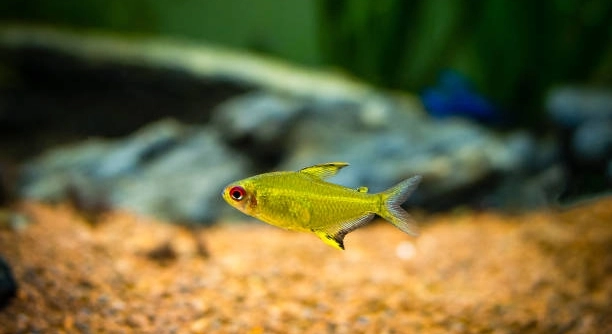
Lemon tetras are small, delicate fish that thrive in calm and stable environments. Providing the right water flow is essential for their health and happiness. Many aquarists overlook subtle adjustments that can make a big difference in their daily behavior.
Maintaining a gentle, consistent water flow is crucial for lemon tetras. Optimal flow reduces stress, promotes natural swimming patterns, and supports proper oxygenation and filtration. Adjusting pumps, filters, and decorations ensures these fish experience conditions that mimic their natural habitat.
Proper water movement enhances their comfort and encourages lively, healthy activity. Small changes in flow can have lasting benefits for their overall well-being.
Adjusting Filter Output
Many aquarists do not realize how much filter output affects lemon tetras. Too strong a current can stress these small fish, making them hide or swim erratically. You can reduce flow by adjusting the filter’s output valve or adding a sponge pre-filter. Decorations like rocks and plants also help break strong currents, giving your fish calmer areas to swim. Observe your tetras for several days after making changes to ensure they are comfortable. A gentle flow helps simulate their natural environment, promoting normal schooling behavior.
Reducing filter output gently creates a balanced environment. Calm areas near plants or rocks let tetras rest and explore safely.
Strong water flow can overwhelm lemon tetras, causing them to expend too much energy. By controlling the filter, you give them areas to swim freely without constant resistance. A properly adjusted flow helps maintain water quality while keeping the fish comfortable. This approach supports healthy activity, reduces stress, and ensures your aquarium remains a suitable habitat for schooling fish. Observing their reactions is key.
Using Live Plants as Flow Breaks
Live plants can diffuse strong currents effectively. They also provide hiding spots and mimic natural environments.
Placing plants strategically near outlets or in open swimming areas creates gentle eddies. Floating plants add surface cover and slow water near the top. This method reduces stress while enhancing tank aesthetics. Plants improve water quality by absorbing nutrients and oxygenating the water. Lemon tetras feel more secure in planted areas, which encourages natural behaviors like schooling and foraging. Choosing fast-growing species or dense foliage ensures maximum protection from strong flow. Over time, plants also help stabilize pH and provide microhabitats for small aquatic organisms. Observing how tetras interact with plants can guide placement for optimal comfort. This combination of plants and flow management ensures a healthier, more natural environment for your fish.
Positioning Decorations Strategically
Placing rocks, driftwood, and plants thoughtfully can slow water flow and create calm swimming zones. Positioning taller decorations near filter outlets reduces strong currents and gives lemon tetras areas to rest safely.
Strategic decoration placement helps divide fast-flowing sections from calmer zones. Driftwood and rocks absorb some of the force from water pumps, allowing fish to swim comfortably without fighting the current. Creating clusters of plants or rock formations near the filter outlet breaks turbulence, producing gentle eddies where tetras can navigate easily. Open swimming areas combined with these calm pockets let fish exercise naturally while avoiding stress. Observing their movement patterns helps refine decoration placement for better comfort and flow balance.
Decorations also provide visual barriers that prevent tetras from becoming stressed by constant exposure to strong currents. Properly spaced structures ensure each fish has room to explore while maintaining school cohesion. By balancing open swimming spaces with flow-reducing decorations, the aquarium remains healthy, functional, and visually appealing. Lemon tetras benefit from both movement and rest, making strategic decoration placement an essential part of tank setup and flow management.
Adjusting Water Pump Strength
Reducing pump speed is a simple way to create a gentler flow in the aquarium. Low-speed settings prevent stress while maintaining filtration efficiency.
Many pumps have adjustable output levels that allow fine-tuning. Slowing the pump creates a more stable environment where lemon tetras can swim naturally without battling strong currents. Maintaining some movement ensures proper oxygenation and filtration, supporting fish health.
High pump speeds can tire small fish quickly, leading to stress or hiding behavior. By adjusting the output gradually, the aquarium can maintain circulation without overwhelming tetras. Observing their activity near the pump helps determine the optimal setting. Using flow diffusers or sponge attachments further softens water movement. Combining pump adjustments with strategic plant and decoration placement creates an environment where lemon tetras feel secure, swim freely, and display natural behaviors. This careful balance supports long-term health and overall tank stability.
Creating Gentle Currents
Gentle currents help lemon tetras swim naturally without exhausting themselves. Positioning filter outlets and pumps carefully creates a balanced flow throughout the tank.
Using flow diffusers or sponge attachments reduces turbulence. Even small adjustments in outlet direction can make swimming areas calmer, improving overall comfort for the fish.
Layering Water Flow Zones
Dividing the aquarium into zones with varying flow allows lemon tetras to choose where they swim. Fast-flow areas near the filter provide exercise, while slower zones near plants or decorations give rest spots. Maintaining this balance supports natural behaviors, reduces stress, and encourages active schooling. Observing how tetras interact with these zones can guide adjustments. Combining plants, rocks, and driftwood to break currents ensures that each zone is distinct yet connected. This layered approach creates a dynamic but safe environment, mimicking natural conditions and promoting overall fish health.
Using Surface Flow Sparingly
Surface agitation should be minimal. Lemon tetras prefer calm water near the top, so reducing strong surface currents enhances their comfort.
FAQ
How do I know if my lemon tetras are stressed by water flow?
Signs of stress include hiding constantly, swimming frantically, or staying near the bottom. If tetras are avoiding certain areas, it usually means the current is too strong. Observing their behavior over several days helps determine if adjustments are needed. Calm swimming in open areas is a good indicator of comfort.
Can I use any filter in a lemon tetra tank?
Most filters work as long as the flow is adjustable. Hang-on-back filters, sponge filters, and canister filters can all be suitable. The key is ensuring that the output does not create overly strong currents that tire the fish or disrupt their schooling behavior.
How can plants help manage water flow?
Plants act as natural barriers, slowing water and creating calm pockets. Floating plants reduce surface agitation, while dense planted areas near the filter outlet create gentle eddies. They also provide shelter, reduce stress, and give tetras areas to explore safely.
Is it better to have a strong current for oxygenation?
Moderate flow is usually sufficient for oxygenation. Too strong a current can stress tetras, while gentle movement allows proper gas exchange and filtration. Combining plants, decorations, and adjusted pump settings ensures oxygen levels remain stable without overwhelming the fish.
How often should I check the flow after adjustments?
Monitor behavior daily for at least a week after making changes. Observe swimming patterns, schooling behavior, and resting areas. Adjust decorations or pump output gradually rather than making sudden changes, giving the tetras time to adapt.
Can decorations completely block water flow?
Decorations should never completely block circulation. They are meant to diffuse or redirect flow, not prevent water movement. Properly spaced rocks, driftwood, and plants reduce turbulence while maintaining overall tank circulation and filtration efficiency.
Should I combine multiple flow control methods?
Yes, combining pump adjustments, flow diffusers, plants, and decorations works best. Each method contributes to a balanced environment, creating calm zones for resting and slightly stronger currents for exercise. Layering approaches ensures consistent comfort and mimics natural habitats.
Do lemon tetras prefer slow-moving water only?
They prefer gentle, consistent flow, not complete stillness. Small areas of faster flow can provide exercise and stimulation, but calm areas are necessary for resting. A mix of gentle currents and slower zones helps maintain natural behavior and reduces stress.
What is the best way to adjust pump strength gradually?
Start at a low setting and increase slowly while observing the tetras. Use flow diffusers or sponge attachments to soften movement further. Stop adjusting once the fish swim freely, school naturally, and use all areas of the tank comfortably.
How do I maintain long-term flow balance?
Regular maintenance, such as cleaning filters, pruning plants, and repositioning decorations, helps keep currents consistent. Observe fish behavior and adjust when necessary. Maintaining this balance ensures lemon tetras remain healthy, active, and stress-free over time.
Can overfeeding affect water flow?
Yes, leftover food can alter water movement by clogging filters or settling in low-flow areas. Feed small amounts that fish can consume quickly, and clean uneaten food promptly. Maintaining proper feeding helps keep flow consistent and water quality high.
Do tank size and shape affect flow management?
Absolutely. Longer tanks allow more gentle, directional flow, while taller tanks may create vertical currents that stress tetras. Adjusting pump placement, using diffusers, and arranging decorations according to tank dimensions ensures consistent and suitable flow throughout.
Are live plants always better than artificial ones for flow control?
Live plants offer natural diffusion, oxygenation, and nutrient absorption. Artificial plants can slow currents but do not provide the same environmental benefits. Choosing the right plant type and density enhances flow management and supports tetras’ health.
How can I tell if my adjustments are working?
Fish should swim calmly in open areas, school naturally, and use all parts of the tank. Reduced hiding and consistent activity indicate successful flow management. Minor tweaks may still be needed, but overall, tetras should appear comfortable and active.
What is the ideal setup for a small aquarium?
A small tank should have a low-output filter, strategically placed decorations, and a mix of planted zones. Gentle currents near the filter and calm areas elsewhere allow tetras to swim freely while reducing stress. Layering these elements creates a balanced and healthy environment.
Can surface agitation be beneficial at all?
Minimal surface movement improves oxygen exchange without stressing the fish. Avoid strong ripples or waves that disturb lemon tetras. Gentle agitation combined with proper planting and decoration placement achieves sufficient oxygenation while maintaining comfort.
How often should I reassess water flow?
Reassess monthly or whenever new decorations, plants, or fish are added. Continuous observation is key to maintaining comfort and preventing stress. Adjust gradually to avoid sudden changes that could upset the tetras’ behavior.
Is schooling behavior affected by flow?
Yes, improper currents can break up schools, causing stress. Balanced zones with calm and mildly flowing areas encourage natural schooling while providing space for individual rest. Observing their interactions helps refine flow and tank layout.
Are there any tools to measure flow strength?
Small flow meters or simple floating objects can estimate current strength. Watching how easily tetras swim against the current also provides a practical indicator. Adjust until fish move comfortably without struggling or avoiding specific areas.
Can I combine multiple filters safely?
Yes, but ensure total output does not overwhelm the tank. Position outlets to create balanced currents rather than adding turbulence. Combining filters can improve filtration and oxygenation while maintaining gentle flow when properly arranged.
Does water temperature affect flow preference?
Slightly warmer water may increase activity, making strong currents more stressful. Cooler temperatures slow movement, allowing tetras to handle slightly stronger flow. Adjusting both flow and temperature together helps maintain comfort and natural behavior.
How do I maintain consistent flow over time?
Clean filters regularly, monitor pump output, trim plants, and reposition decorations when necessary. Consistency in setup, combined with observation of fish behavior, ensures lemon tetras enjoy a stable, stress-free environment. Proper maintenance prevents sudden changes that could disrupt their comfort and health.
Can strong lighting affect flow perception?
Bright lights may make tetras more active and aware of currents. Position plants or floating objects to diffuse light and reduce stress. Balancing light intensity with gentle flow supports natural behavior and enhances overall tank harmony.
Should I change flow for new fish introductions?
Yes, new fish may be more sensitive to strong currents. Create calm zones during acclimation and gradually allow them to explore faster-flow areas. Observing interactions ensures all tetras adjust safely and remain stress-free.
Are seasonal changes important for flow adjustments?
Temperature fluctuations or changes in tank activity can slightly alter flow needs. Regular observation and minor adjustments maintain optimal conditions throughout the year, supporting consistent behavior and health for lemon tetras.
Can substrate type influence flow management?
Fine sand or smooth gravel allows gentle water movement near the bottom, while coarse substrates may create micro-currents. Proper substrate choice helps maintain stable zones and prevents excessive turbulence near resting areas.
Is it necessary to measure water flow in liters per hour?
Not always. Observing fish behavior and flow patterns is often enough. If precise measurement is desired, match the tank size with recommended pump output and adjust gradually, ensuring comfort and safe swimming zones.
How do I balance flow in a planted tank?
Distribute plants to create both calm and flowing zones. Adjust pump output to ensure circulation reaches all areas without overwhelming vegetation. Monitor tetras’ swimming patterns to confirm the setup supports both movement and rest.
Can too many decorations reduce water quality?
Overcrowding can block circulation, trapping debris and reducing filtration efficiency. Ensure decorations are spaced to allow water movement while still creating calm zones, maintaining both flow and tank health.
How long does it take for tetras to adjust to new flow?
Adjustment usually occurs within a few days to a week. Observe behavior closely. If hiding, erratic swimming, or avoidance persists, further adjustments are needed. Patience ensures gradual adaptation without causing stress or health issues.
Is it important to document flow changes?
Yes, keeping notes on adjustments, fish responses, and tank conditions helps track what works. Documentation allows easy replication of successful setups and prevents repeating mistakes when modifying flow in the future.
Can lemon tetras thrive in strong currents if plants are dense?
Dense plants can help mitigate strong currents, but excessive flow is still stressful. Combining moderate pump settings with strategic planting ensures tetras remain comfortable while benefiting from gentle exercise zones.
Are flow adjustments permanent?
No, periodic reassessment is essential. Tank growth, new decorations, or plant changes may require rebalancing flow. Continuous observation and gradual adjustments keep conditions stable and suitable for lemon tetras long-term.
Do temperature and flow adjustments interact?
Yes, higher temperatures can increase swimming activity, making strong currents more stressful. Adjust flow in tandem with temperature changes to maintain comfort and natural behavior patterns.
How does tank size limit flow control?
Smaller tanks require careful pump positioning and fewer decorations to avoid turbulence, while larger tanks allow more flexibility. Flow management must match tank dimensions to provide both calm and active swimming zones efficiently.
Can I use multiple methods together safely?
Combining pump adjustments, diffusers, plants, and decorations is most effective. Each method contributes to calm and active zones, creating a balanced environment that supports healthy schooling, exercise, and rest for lemon tetras.
What is the overall goal of flow management?
The goal is to provide gentle, consistent currents with calm resting zones. Balanced flow reduces stress, encourages natural behavior, supports oxygenation, and enhances overall health, ensuring lemon tetras thrive in a comfortable, stable environment.
Are there signs that adjustments went too far?
If tetras avoid certain areas, hide excessively, or swim frantically, the current may be too strong. Gradual adjustments and observation help fine-tune flow to a level that promotes comfort and natural activity without causing stress.
Do seasonal cleaning and plant trimming affect flow?
Yes, cleaning filters and trimming plants can alter currents. After maintenance, observe swimming patterns and adjust pumps or decorations if necessary to maintain stable and suitable water flow for tetras.
Can water changes impact perceived flow?
Large water changes can temporarily increase or decrease current strength. Repositioning pumps or decorations may be needed afterward. Gradual introduction of new water helps tetras adapt without sudden stress from flow changes.
Are there natural behaviors influenced by flow?
Schooling, foraging, and resting behavior are all affected by current strength. Balanced flow allows tetras to move actively, find food efficiently, and rest safely, mimicking conditions in their native habitat and supporting overall well-being.
Does filtration type matter for flow management?
Yes, different filter types produce varied flow patterns. Hang-on-back filters often create directional currents, while sponge filters diffuse water more gently. Choosing the right filter and adjusting output ensures tetras experience safe, comfortable water movement.
Can I use ornaments to fine-tune flow?
Yes, ornaments act as barriers and redirect water. Proper placement allows control of eddies and calm zones while maintaining overall circulation. Observing fish reactions ensures adjustments meet their comfort needs.
How important is observation in flow management?
Observation is the most important tool. Fish behavior, swimming patterns, and use of different tank zones provide immediate feedback. Adjustments should be based on these cues rather than solely on equipment settings.
Do juvenile tetras need different flow than adults?
Juveniles are more sensitive and require gentler currents. Gradually increase flow as they grow, ensuring comfort while encouraging natural swimming and schooling behavior.
Can overstocking affect flow perception?
Yes, crowded tanks limit calm zones and increase stress from stronger currents. Maintain appropriate stocking levels to ensure each tetra has access to both active and resting areas.
Is regular maintenance essential for flow consistency?
Absolutely. Cleaning filters, trimming plants, and repositioning decorations prevent sudden changes in flow and ensure stable, comfortable conditions for lemon tetras. Observation and gradual adjustments maintain long-term tank balance.
Does aquarium shape affect how I manage flow?
Long, shallow tanks allow more even distribution, while tall tanks can create vertical currents that may stress tetras. Adjust pump placement and decoration layout according to tank dimensions to maintain gentle, balanced flow.
How can I create microhabitats in the tank?
Use plants, rocks, and driftwood to create areas with slightly different currents. These microhabitats let tetras choose resting or swimming zones, supporting natural behavior and reducing stress in a controlled environment.
Can strong lighting exaggerate current effects?
Yes, bright lighting can make tetras more active and sensitive to flow. Floating plants or shaded areas reduce exposure and buffer strong currents, keeping fish comfortable.
Should I adjust flow during breeding periods?
Yes, calm areas are essential for spawning and fry survival. Reduce strong currents near breeding sites and maintain gentle circulation elsewhere to support reproductive behavior without stress.
Can I rely on trial and error alone for flow adjustment?
Observation combined with knowledge of tetras’ needs is more effective than pure trial and error. Gradual adjustments and attention to behavior ensure safe and suitable water flow.
Do substrate and flow interact?
Substrate choice affects micro-currents near the bottom. Fine sand allows smooth flow, while coarse gravel may create turbulence. Adjusting flow with substrate considerations ensures comfortable resting and foraging zones for tetras.
How do I balance flow in a densely planted tank?
Distribute plants to allow slow and faster-flow zones. Combine pump adjustments with strategic decoration placement. Monitoring tetras’ swimming patterns ensures flow is neither overwhelming nor stagnant, maintaining a natural, comfortable environment.
Is patience important in flow management?
Yes, gradual adjustments and observation allow tetras to adapt safely. Sudden changes can cause stress, so patience ensures long-term comfort and healthy behavior.
What are the main takeaways for maintaining proper flow?
Create gentle currents, provide calm zones, use plants and decorations strategically, monitor behavior, and adjust gradually. Consistent observation and maintenance ensure lemon tetras remain healthy, stress-free, and active in their aquarium environment.
Final Thoughts
Maintaining the right water flow is one of the most important factors in keeping lemon tetras healthy and comfortable. These small fish thrive in environments that mimic their natural habitats, where gentle currents allow them to swim freely without stress. Too much flow can tire them out quickly, while too little movement can cause stagnation and poor oxygenation. Adjusting the water flow carefully ensures that the fish can school naturally, explore the tank, and rest in calm areas. By combining proper pump settings, decorations, and plants, you can create a balanced environment where lemon tetras feel secure and active. Observing their behavior over time is key, as it helps you see whether changes are working or need further fine-tuning.
Using plants and decorations strategically plays a big role in managing flow. Floating plants, tall stems, and dense clusters provide natural barriers that slow water movement, creating gentle pockets where tetras can rest. Rocks and driftwood near filter outlets also help diffuse strong currents and redirect flow, giving the fish areas to swim freely without being forced by the current. These calm zones are as important as the areas with slight movement, which allow the fish to exercise and display natural behaviors. Even small adjustments in placement can make a noticeable difference in how the tetras move and interact in the tank. Over time, maintaining these zones improves their overall comfort, reduces stress, and encourages more active, lively behavior.
Consistency and careful monitoring are essential for long-term success. Regularly checking pump output, observing swimming patterns, and making minor adjustments when adding new plants, decorations, or fish ensures that the aquarium remains balanced. Maintaining water quality alongside flow management supports the overall health of the fish. Gradual changes work better than sudden adjustments, giving lemon tetras time to adapt without becoming stressed. With thoughtful planning and ongoing observation, the aquarium can provide a safe, comfortable, and stimulating environment. This approach not only improves the well-being of the fish but also creates a visually appealing and functional tank that reflects the natural conditions these delicate fish prefer.

Hello,
If you enjoy the content that we create, please consider saying a "Thank You!" by leaving a tip.
Every little bit helps us continue crafting quality advice that supports the health, happiness, and well-being of pets around the world, for pets of all shapes, sizes, and species.
We really appreciate the kindness and support that you show us!