
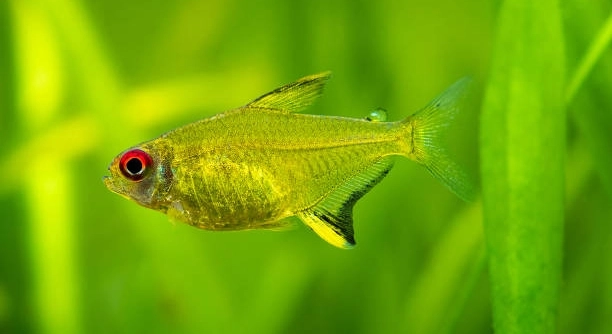
Are your lemon tetras looking less lively than usual? Sometimes, subtle changes in their appearance can signal underlying health issues. Observing them closely helps ensure they remain vibrant and active in your aquarium.
Lemon tetras exhibit several visual signs when unwell, including faded coloration, clamped fins, abnormal swimming patterns, bloating, frayed fins, rapid gill movement, and lethargy. Recognizing these indicators early allows for timely intervention and better health outcomes.
Monitoring these small changes can make a significant difference. Paying attention to their behavior and appearance ensures your tetras thrive in a healthy environment.
Faded or Dull Coloration
When a lemon tetra’s bright yellow hue starts to fade, it can indicate stress or illness. Healthy tetras should have vivid, clear colors that brighten under good lighting. Dull coloration often appears first along the body and fins, making the fish look washed out. Stressors like poor water quality, sudden temperature changes, or overcrowding can contribute to this change. It is important to check water parameters, such as ammonia, nitrite, and nitrate levels, to ensure they are within safe ranges. Additionally, insufficient nutrition or prolonged exposure to low-quality food can reduce vibrancy. Keeping the tank clean and maintaining a consistent feeding schedule helps support natural coloration. Observing your tetra daily will allow you to notice subtle shifts before they become serious.
Faded coloration often signals a need for immediate attention to water conditions and diet. Quick intervention can restore the tetra’s natural brightness.
Maintaining good water quality is essential. Regular testing, partial water changes, and proper filtration prevent harmful substances from building up. Providing a balanced diet rich in vitamins supports health and color restoration. Consistent observation of behavior and appearance ensures issues are addressed promptly, keeping lemon tetras active and visually vibrant in their aquarium.
Clamped Fins
Clamped fins appear when a tetra keeps its fins close to its body, rather than spreading them naturally. This behavior often signals stress or disease.
Clamped fins are frequently caused by poor water conditions, sudden environmental changes, or bacterial infections. When observed, it’s important to isolate the affected fish and test the tank’s parameters. Maintaining stable water temperature and minimizing stressors can encourage the fins to relax naturally. Proper nutrition, including high-quality flakes or live foods, strengthens the immune system and supports fin recovery. In some cases, fin rot may be developing, requiring targeted treatment. Observing interactions with other tank mates is also important, as bullying or overcrowding can exacerbate fin clamping. Early attention to these signs can prevent long-term damage. Regular water changes and attentive care make a significant difference in restoring health.
Preventing clamped fins requires consistent water maintenance and attention to the fish’s environment. Ensuring proper space, diet, and cleanliness helps keep lemon tetras comfortable, reducing stress and the likelihood of fin-related issues.
Abnormal Swimming Patterns
Erratic swimming, such as darting, spinning, or floating unevenly, often indicates stress or illness in lemon tetras. This behavior can be caused by water quality issues, parasites, or low oxygen levels.
Observing the tank carefully can help identify the problem. Sudden jerky movements or tilting to one side may signal internal infections or swim bladder problems. Maintaining clean water with stable temperature and proper filtration is essential to prevent these issues. Additionally, overcrowding can cause anxiety, leading to unusual swimming patterns. Providing adequate space and hiding spots reduces stress and promotes normal behavior. Monitoring feeding habits alongside movement gives further insight into potential health concerns.
Prompt action can prevent the condition from worsening. Quarantining the affected fish and adjusting tank conditions are effective first steps to restore normal swimming.
Bloating or Swelling
A bloated belly in lemon tetras can be a visible sign of digestive issues or internal infections. Swelling may develop gradually or appear suddenly, depending on the cause.
Overfeeding, constipation, or poor diet often leads to bloating. Feeding small portions of high-quality food and occasionally including fiber-rich options, such as blanched peas, can alleviate mild cases. Internal infections, like dropsy, cause more severe swelling and require immediate attention. Ensuring water quality remains optimal is critical, as poor conditions exacerbate health problems. Observing other fish for similar symptoms can indicate whether the issue is contagious. Maintaining a regular cleaning routine and monitoring water parameters prevents recurring problems and keeps your tetras healthy.
Addressing bloating early improves recovery chances. Adjusting feeding habits, treating infections promptly, and maintaining stable tank conditions are key to managing this condition effectively.
Frayed or Torn Fins
Frayed fins usually indicate fin rot or physical damage from tank decorations or aggressive tank mates. Prompt attention is essential to prevent infection and further deterioration.
Maintaining clean water, minimizing stress, and using antibacterial treatments if needed can help fins recover. Proper nutrition supports tissue repair.
Rapid Gill Movement
Rapid gill movement often signals low oxygen levels, poor water quality, or gill infections. It can be subtle at first but worsens if unaddressed.
Regular water changes, aeration, and monitoring ammonia and nitrite levels help alleviate this stress. Observing your tetra’s breathing alongside behavior provides early warning of health issues.
Lethargy
Lethargic tetras may stay near the bottom or hide more than usual. This behavior often reflects illness, poor water conditions, or stress.
Ensuring stable water parameters, appropriate temperature, and minimal disturbances encourages normal activity. Providing high-quality food also supports energy levels and recovery.
How can I tell if my lemon tetra is sick?
Lemon tetras show illness through visible changes in behavior and appearance. Watch for faded colors, clamped fins, erratic swimming, bloating, frayed fins, rapid gill movement, and lethargy. Observing them daily helps catch subtle changes early. Sudden shifts in appetite or activity are often the first signs of a problem.
What causes clamped fins in lemon tetras?
Clamped fins usually result from stress, poor water quality, or bacterial infections. Overcrowding or aggressive tank mates can also cause this behavior. Ensuring clean water, stable temperature, and adequate space helps reduce stress and allows fins to recover naturally. In some cases, fin rot treatment may be necessary.
Why is my tetra swimming abnormally?
Abnormal swimming patterns, including spinning, darting, or floating unevenly, can signal stress, parasites, or swim bladder issues. Maintaining stable water conditions and monitoring oxygen levels is important. Quarantining affected fish and observing feeding habits can help determine whether the problem is environmental or internal.
What should I do if my tetra is bloated?
Bloating often results from overfeeding, constipation, or internal infections. Feed smaller portions of high-quality food and include fiber-rich options like peas to help digestion. Severe swelling may indicate dropsy or another infection, requiring medical treatment and close attention to water quality to prevent worsening.
How do I treat frayed or torn fins?
Frayed fins may be caused by fin rot or physical damage. Keep the tank clean and reduce stress. Antibacterial treatments can help if an infection is present. Providing a nutrient-rich diet supports tissue repair and prevents further deterioration. Avoid sharp decorations or aggressive fish that could worsen fin damage.
Why is my tetra breathing rapidly?
Rapid gill movement is often a response to low oxygen, poor water quality, or gill infections. Ensure adequate aeration and clean water. Test ammonia, nitrite, and nitrate levels regularly. Observing breathing patterns in combination with activity and appetite helps identify the underlying problem early.
How can I help a lethargic tetra?
Lethargy can indicate illness, poor water conditions, or stress. Make sure water parameters are stable, including temperature, pH, and cleanliness. Minimize disturbances in the tank and provide a high-quality diet to restore energy. Isolate any affected fish if disease is suspected to prevent spreading.
Can diet affect the health of lemon tetras?
Yes, diet plays a major role in their health. Feeding only low-quality flakes can lead to nutrient deficiencies, dull coloration, and digestive issues. Offering a balanced diet of flakes, frozen, or live foods ensures proper growth, immune support, and vibrant colors. Varying food types helps prevent constipation and maintains overall well-being.
How often should I check water quality for my lemon tetras?
Water quality should be monitored weekly, at minimum. Test ammonia, nitrite, nitrate, and pH levels regularly. Keeping water clean prevents stress, illness, and infections. Performing partial water changes and maintaining proper filtration reduces the risk of sudden health problems, supporting the long-term vitality of your tetras.
When should I consult a vet or fish specialist?
If a lemon tetra shows persistent signs of illness, such as severe bloating, rapid gill movement, continuous lethargy, or worsening fin damage despite proper care, professional guidance is necessary. Early intervention can prevent the spread of disease and improve the fish’s chances of recovery.
Can tank mates affect the health of my lemon tetras?
Yes, aggressive or incompatible tank mates can stress lemon tetras, causing clamped fins, erratic swimming, and weakened immunity. Choosing peaceful fish and providing enough space reduces conflict. Observing interactions helps identify bullying or territorial behavior that may compromise health.
Is temperature important for keeping lemon tetras healthy?
Maintaining a stable temperature between 72–78°F (22–26°C) is crucial. Sudden fluctuations stress the fish, weaken immunity, and can trigger illness. Using a reliable heater and thermometer ensures consistent conditions. Avoid placing the tank near drafts or heat sources to prevent temperature swings that impact health.
How can I prevent common illnesses in lemon tetras?
Prevention starts with clean water, stable temperature, a balanced diet, and proper tank management. Quarantining new fish, avoiding overcrowding, and minimizing stress reduce the likelihood of disease. Regular observation helps detect early signs, allowing prompt action before health issues become severe.
What are the signs of internal infections in lemon tetras?
Internal infections often manifest as bloating, loss of appetite, lethargy, and abnormal swimming. Rapid gill movement may also be present. Early detection is key. Proper water maintenance, isolation of affected fish, and targeted treatments increase recovery chances. Paying attention to subtle changes prevents severe complications.
How do I know if my lemon tetra is stressed?
Stress can be identified by clamped fins, faded coloration, hiding, rapid breathing, and unusual swimming. Common stressors include poor water quality, sudden environmental changes, overcrowding, and aggressive tank mates. Reducing these factors, maintaining clean water, and providing proper nutrition helps alleviate stress and supports overall health.
Are there any home remedies for sick lemon tetras?
Minor issues, like constipation or mild stress, can sometimes be managed at home with dietary adjustments, water changes, and improved tank conditions. Severe or persistent symptoms, especially infections or dropsy, require proper medications or professional consultation. Early detection increases the effectiveness of home care measures.
How long does it take for a sick lemon tetra to recover?
Recovery time varies based on the severity and type of illness. Mild stress or dietary issues may resolve in days, while bacterial or parasitic infections can take several weeks. Prompt action, consistent water quality, and proper care are essential for a smooth recovery and return to normal behavior.
Can poor lighting affect my lemon tetra’s health?
Yes, inadequate or overly harsh lighting can stress tetras and affect coloration. Consistent, moderate lighting helps maintain natural behavior and vibrant colors. Combining proper lighting with hiding spots reduces stress and creates a more comfortable environment, supporting overall health and activity.
What should I avoid when treating a sick tetra?
Avoid overcrowding, sudden water changes, overmedication, and using incompatible treatments. Rapid adjustments can worsen stress or complicate recovery. Always follow dosage instructions for medications, isolate affected fish when needed, and continue monitoring water parameters to ensure treatments are effective and safe.
How important is observation in preventing illness?
Daily observation is critical. Subtle changes in color, fins, swimming, or breathing often precede serious illness. By monitoring your tetras consistently, you can identify problems early, adjust care, and prevent more severe health issues from developing. Observation is one of the simplest yet most effective ways to keep your fish healthy.
Can stress make lemon tetras sick?
Yes, prolonged stress weakens the immune system, making tetras more susceptible to disease. Stress factors include poor water conditions, incompatible tank mates, sudden temperature changes, and lack of hiding spaces. Reducing these factors is key to preventing illness and maintaining healthy, active fish.
How do I ensure long-term health for my lemon tetras?
Maintaining stable water parameters, providing a balanced diet, minimizing stress, and monitoring behavior are essential for long-term health. Regular tank maintenance, proper filtration, and careful observation ensure that lemon tetras remain vibrant, active, and free from preventable illnesses for years.
Keeping lemon tetras healthy requires attention to their environment, diet, and behavior. These small fish may seem delicate, but with proper care, they can thrive and display their bright yellow colors beautifully. Observing them daily helps catch minor issues before they become serious. Subtle changes in coloration, swimming, or appetite often indicate stress or illness. By paying attention to these signals, you can act quickly to correct water conditions, adjust feeding habits, or isolate an affected fish. This proactive approach prevents more severe health problems and ensures your tetras remain active and lively in the aquarium.
Water quality is one of the most important factors in maintaining the health of lemon tetras. Consistent monitoring of parameters such as ammonia, nitrite, nitrate, and pH helps prevent stress and disease. Regular partial water changes and proper filtration keep the environment clean and stable. Temperature consistency is equally critical, as sudden fluctuations can weaken immunity and cause behavioral changes. Overcrowding and aggressive tank mates can also contribute to stress, so it’s essential to provide enough space and compatible companions. Maintaining clean water and a stable environment lays the foundation for strong immunity, vibrant coloration, and normal activity levels, reducing the likelihood of illness over time.
Nutrition plays a major role in supporting overall health and preventing common issues. Feeding a varied diet with high-quality flakes, frozen, or live foods provides essential nutrients and helps maintain energy levels. Overfeeding or feeding low-quality food can lead to digestive problems and bloating, while a balanced diet supports strong fins, bright coloration, and a robust immune system. Observing how your tetras eat can provide insight into their wellbeing, as changes in appetite often indicate stress or illness. By combining proper feeding, attentive observation, and stable water conditions, you create an environment where lemon tetras can thrive. Following these practices consistently allows your fish to live longer, healthier lives, displaying their natural beauty while avoiding preventable health problems.

Hello,
If you enjoy the content that we create, please consider saying a "Thank You!" by leaving a tip.
Every little bit helps us continue crafting quality advice that supports the health, happiness, and well-being of pets around the world, for pets of all shapes, sizes, and species.
We really appreciate the kindness and support that you show us!