
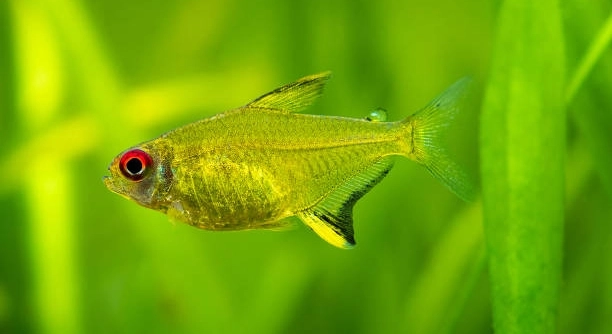
Lemon tetras are small, vibrant fish that bring life to any freshwater aquarium. Watching them interact and grow can be rewarding, especially when you notice changes in their behavior indicating breeding readiness.
Lemon tetras show specific physical and behavioral signs when preparing to spawn. These include increased coloration, chasing behavior, fin displays, and frequent pair interactions. Monitoring water quality, temperature, and diet also influences their readiness and overall reproductive success.
Recognizing these early signals can help you provide the right environment for successful breeding and maintain a healthy, thriving aquarium community.
Color Intensification
Lemon tetras develop brighter, more vivid colors when they are ready to spawn. Males usually show richer yellow tones along their bodies, while females may appear slightly rounder with a subtle glow near their bellies. These color changes happen gradually and are influenced by good water conditions, consistent feeding, and minimal stress. Keeping the tank clean and stable helps bring out the natural hues of both males and females. Observing the subtle differences in shade between males and females can help you identify which fish are most likely preparing to breed. Additionally, a balanced diet with live or frozen foods enhances their coloration and overall health, making them more attractive to potential mates. Sudden shifts in lighting or water quality can temporarily dull their colors, so consistency is important. Regular monitoring allows you to track these changes, ensuring your fish remain vibrant and healthy.
Intensified color in lemon tetras is a clear indicator of spawning readiness, signaling reproductive maturity and overall health influenced by proper diet and stable tank conditions.
Watching the tank fill with bright, active fish as their colors intensify makes the aquarium feel lively and rewarding, encouraging you to support their breeding environment carefully.
Chasing and Courtship Behavior
Chasing becomes frequent when lemon tetras are ready to spawn. Males pursue females around the tank, gently nudging them to encourage movement toward potential spawning areas.
During courtship, males often display their fins fully and swim in tight circles near females. This behavior can be repetitive and sometimes seems aggressive, but it is natural and part of the reproductive process. Females may respond by leading males toward plants or smooth surfaces, which are ideal spots for egg-laying. Observing these interactions provides insight into pair compatibility, as some fish may prefer certain partners over others. Maintaining stable water parameters and low stress levels encourages these behaviors, ensuring a higher chance of successful spawning. Supplementing the diet with protein-rich foods supports energy levels required for chasing and courtship. Regular observation helps you understand individual fish personalities and adjust the tank environment accordingly, such as adding fine-leaved plants or spawning mops. These small adjustments create conditions that align with natural reproductive instincts.
Nesting and Spawning Sites
Lemon tetras often explore plants and smooth surfaces when preparing to spawn. They may linger around fine-leaved plants or spawning mops, indicating preferred egg-laying areas.
Selecting suitable locations is essential for successful breeding. Females look for calm, sheltered spots to deposit eggs, usually near plants or flat surfaces. Providing dense plants or synthetic spawning mops encourages natural behavior. Avoid strong currents, as eggs can be dislodged or damaged. Observing where your tetras spend the most time helps identify ideal spawning sites, giving you an opportunity to adjust the tank layout. Temperature stability and water quality further ensure eggs remain safe during this sensitive stage.
Pair compatibility plays a role in choosing spawning sites. Some females respond better to certain males, leading them to specific corners or plants. By noting these interactions, you can arrange the tank to support successful reproduction. Consistent feeding and minimal disturbance help fish focus on egg-laying rather than avoiding stress.
Increased Appetite and Dietary Needs
Lemon tetras often eat more as they prepare to spawn, showing interest in protein-rich foods like live or frozen brine shrimp.
Boosting their diet supports energy for courtship and egg production. Feeding small portions multiple times a day ensures they get enough nutrients without fouling the water. High-quality flakes or pellets can complement live foods to maintain balanced nutrition. Avoid overfeeding, as it can lead to water issues that stress fish and hinder spawning.
Monitoring feeding patterns helps you spot reproductive readiness. Fish that actively compete for food and maintain bright colors are typically in peak condition. Supplementing with live foods not only boosts appetite but also encourages natural foraging behavior. Regular observation ensures all fish receive adequate nutrition, reducing aggression and improving overall health. Consistent feeding routines create a stable environment, increasing the likelihood of successful spawning and healthy fry development.
Fin Flaring
Males often flare their fins to display strength and attract females. This behavior is more frequent as spawning approaches.
Flaring is a way to establish dominance and demonstrate health. Observing extended fin displays helps identify males that are ready to breed.
Pair Bonding
Lemon tetras sometimes form temporary pairs when preparing to spawn. These pairs swim together, mirror movements, and stay close while exploring the tank. Pair bonding helps synchronize courtship and egg-laying behavior. Males may nudge females gently, and females often lead males to suitable sites. Supporting this natural pairing by maintaining stable water conditions and minimal disturbances can improve spawning success. Providing hiding spots and plants allows fish to feel secure while developing these bonds. Observing interactions gives insight into which pairs are likely to reproduce, helping you anticipate spawning activity and prepare the tank environment for egg protection and eventual fry development.
Subtle Restlessness
Fish may become slightly more restless, moving frequently around the tank and exploring various areas.
FAQ
How long does it take for lemon tetras to spawn?
Lemon tetras usually spawn within a few days after showing full readiness signs. Once males flare their fins, chase females, and color intensifies, spawning may occur within 24 to 72 hours. Water temperature, diet, and stress levels all affect the timing. Consistent tank conditions and high-quality food help speed up the process. Spawning often happens early in the day when fish are most active, so observing their behavior in the morning can give you a good indication of imminent egg-laying.
How many eggs do lemon tetras lay at once?
Females typically release between 20 and 100 eggs during a single spawning session. The exact number depends on the fish’s age, health, and nutrition. Older, well-fed females tend to produce more eggs, while younger or less nourished fish may lay fewer. Providing fine-leaved plants or spawning mops helps protect eggs from being eaten and offers a natural surface for attachment. Eggs usually stick to leaves or mop fibers, allowing them to remain safe while developing.
Do lemon tetras need special water conditions to spawn?
Yes, stable and slightly acidic water encourages spawning. A temperature between 75°F and 80°F, pH around 6.5, and soft water with low minerals is ideal. Sudden changes can stress fish and delay spawning. Regular partial water changes keep conditions stable and remove waste. Soft plants and gentle lighting also help replicate their natural environment, making them more comfortable to reproduce. Maintaining this environment consistently increases the chances of successful egg-laying and hatching.
Can lemon tetras spawn in a community tank?
Spawning in a community tank is possible but not ideal. Other fish may eat eggs or stress the pair, reducing reproductive success. Using a separate breeding tank with plenty of plants or spawning mops ensures eggs are safe. Once eggs are laid, parents may eat some, so removing them or placing eggs in a separate container increases survival rates. A quiet, low-traffic environment reduces stress, making fish more likely to spawn successfully.
How long do lemon tetra eggs take to hatch?
Eggs generally hatch within 24 to 36 hours after being laid. Maintaining clean water and stable temperature ensures faster and healthier development. Newly hatched fry are tiny and require careful feeding with infusoria or liquid fry food. Monitoring water quality is critical during this period because small fry are sensitive to changes in temperature, pH, and waste levels. Proper preparation before spawning can make this stage smoother and increase the number of surviving fry.
What do lemon tetra fry eat?
Fry start by eating infusoria or liquid fry food for the first few days. As they grow, they can gradually transition to baby brine shrimp, microworms, or finely crushed flakes. Frequent, small feedings help promote healthy growth and reduce competition among fry. Maintaining clean water during feeding prevents illness and keeps fry thriving. Observing their growth and adjusting food type ensures they develop properly and reach juvenile stages quickly.
Do lemon tetras need special care after spawning?
Yes, post-spawning care is important. Eggs and fry are delicate, so parents may need to be removed to prevent predation. Keeping water clean and feeding fry properly supports their survival. Gradually acclimating fry to regular tank conditions helps them develop into strong, healthy fish. Monitoring their growth, adjusting food, and maintaining gentle water conditions ensures the next generation thrives in the aquarium environment.
Can lemon tetras spawn multiple times?
Lemon tetras can spawn multiple times if conditions remain optimal. Healthy adults with a good diet and stable environment may reproduce every few weeks. Observing recurring behaviors like chasing, fin flaring, and site exploration signals readiness for another spawning cycle. Maintaining clean water, consistent feeding, and low stress supports repeated successful breeding.
Final Thoughts
Lemon tetras are small but fascinating fish that can bring a lot of life to your aquarium. Watching them display behaviors that indicate they are ready to spawn can be very rewarding. Recognizing signs like brightening colors, chasing, fin flaring, and exploring spawning sites gives you insight into their natural instincts. Understanding these behaviors is important because it allows you to provide the right environment for reproduction. Keeping the water clean, maintaining stable temperature and pH, and providing a balanced diet are key factors in supporting healthy fish and successful spawning. Paying attention to these details ensures your lemon tetras remain active, healthy, and comfortable in their tank.
Creating an ideal environment for lemon tetras to breed doesn’t require complicated equipment, but it does require observation and patience. Simple steps like adding fine-leaved plants, spawning mops, or providing flat surfaces can make a big difference in encouraging egg-laying. Monitoring water conditions regularly, performing small water changes, and avoiding sudden fluctuations in temperature or pH helps prevent stress. Stress-free fish are more likely to engage in natural breeding behaviors, which increases the chances of successful spawning. Providing high-quality food, including live or frozen options, helps maintain energy levels needed for courtship and egg production. Consistent care and attention can turn your aquarium into a stable and supportive space for lemon tetras to reproduce naturally.
Finally, observing lemon tetras as they prepare to spawn can deepen your appreciation for their behavior and the subtleties of freshwater aquariums. Each fish has its own personality, and noticing pair interactions or subtle changes in restlessness can help you anticipate breeding activity. Supporting their needs at the right time not only improves spawning success but also strengthens overall health and vitality. By combining proper diet, water conditions, and careful observation, you create a harmonious environment where your lemon tetras can thrive and reproduce naturally. Understanding these factors helps ensure that your aquarium stays vibrant, and it allows you to enjoy watching your fish flourish while learning more about their unique behaviors.

Hello,
If you enjoy the content that we create, please consider saying a "Thank You!" by leaving a tip.
Every little bit helps us continue crafting quality advice that supports the health, happiness, and well-being of pets around the world, for pets of all shapes, sizes, and species.
We really appreciate the kindness and support that you show us!