
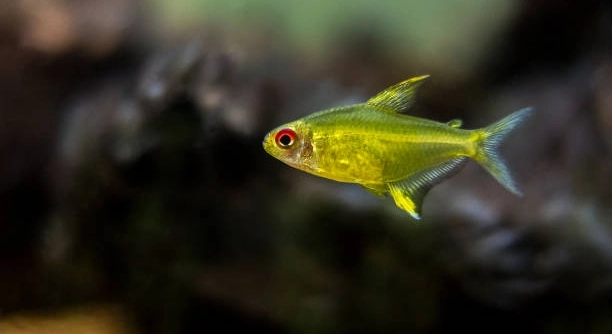
Do you ever notice your tetras swimming too close to each other, sometimes chasing or nipping fins? Watching them can be stressful when the tank feels crowded, and you may wonder if a divider could help.
Tank dividers can be useful in certain situations, such as separating aggressive tetras, protecting sick or injured fish, or managing breeding pairs. Proper use ensures safety and reduces stress while maintaining water quality and social balance in the aquarium.
Learning when and how to use a divider can improve your tetras’ well-being and make your aquarium a calmer, healthier environment.
When Tank Dividers Are Helpful
Sometimes tetras can become aggressive, especially when the tank is small or overcrowded. Using a tank divider can prevent constant chasing or fin nipping. It is also helpful when introducing new tetras to an established group. Dividers allow fish to see each other without direct contact, which reduces stress. They can also protect weaker or sick fish while they recover. Breeding pairs benefit as well, since separating males and females temporarily can prevent unwanted aggression. The key is to use dividers that do not block filtration or water flow, ensuring all fish have clean, oxygenated water. Choosing the right material, like acrylic or mesh, can prevent injuries. Observing the fish’s behavior while using dividers helps determine if adjustments are needed. Over time, some tetras may calm down and require less separation, but dividers offer a practical short-term solution. Proper placement is essential to maintain balance in the tank.
Tank dividers work best in small to medium tanks where aggression or stress is noticeable.
Using dividers can save energy and worry. They allow the tank to function normally while giving fish personal space. They are also temporary, making transitions smoother.
Choosing the Right Divider
Not all dividers fit every tank. Choosing one that fits snugly prevents fish from squeezing through.
Materials matter when selecting a divider. Acrylic and plastic are strong and easy to clean, while mesh allows water flow but may need frequent maintenance. Make sure the divider does not trap fish or create sharp edges. Observe your tetras after installation to ensure no one gets stuck or overly stressed. Adjusting placement or height may be necessary depending on fish behavior. Dividers can also be used creatively, like sectioning off parts of the tank for plants or hiding spots. Maintaining water quality on both sides is important since dividers can affect circulation. Filtration and aeration should remain effective to avoid stagnation. Over time, tetras may adapt, allowing you to remove the divider gradually. Regular checks help maintain a safe environment. Choosing the right size, material, and placement ensures both safety and comfort for all your tetras, making the tank a healthier and calmer space.
Installing Your Tank Divider
Make sure the divider fits snugly to prevent tetras from squeezing through. Check for sharp edges and confirm water can circulate properly on both sides.
Start by rinsing the divider and placing it slowly in the tank. Ensure it reaches the substrate and does not float. Adjust as needed to avoid gaps along the edges. Observe your fish for the first few hours to see how they react. If aggression continues, reposition the divider slightly or add hiding spots to reduce stress. Proper installation ensures safety and helps tetras adapt faster without interfering with daily maintenance.
After installing, monitor water flow and filtration closely. Sometimes dividers block circulation in certain areas, leading to stagnation. Adjusting filter output or aeration can help maintain even water quality. Regular checks prevent debris buildup along the divider, which can impact fish health. Adding plants or decorations along the divider provides visual barriers, making the separation less stressful for tetras. Over time, they often calm down, allowing gradual removal of the divider when safe. Proper monitoring is key for success and long-term tank stability.
Maintaining Tetras with a Divider
Tetras need regular observation to ensure they remain healthy while separated.
Feeding both sides equally is essential to avoid malnutrition or competition. Monitor behavior, watch for signs of stress, and check water quality frequently. Clean the divider regularly to prevent algae buildup. Make small adjustments to plants and hiding spaces to mimic a natural environment. Temporary dividers should not replace proper tank management or social observation. Maintaining a balanced diet, clean water, and stress-free surroundings ensures tetras stay healthy and active. Keep an eye on their interactions through the divider to know when it can be safely removed.
Common Mistakes with Tank Dividers
Placing a divider without checking gaps can allow tetras to squeeze through. Poorly positioned dividers can block water flow or trap debris.
Ignoring fish behavior is another mistake. Some tetras may become more stressed if hiding spots or visual barriers are missing, which can worsen aggression rather than reduce it.
Removing a Divider Safely
Gradually reintroduce tetras by partially lifting or removing the divider in stages. Observe closely for signs of aggression or stress. Temporary separation helps fish adjust without sudden conflicts. Use plants or decorations to create visual breaks during reintegration, reducing the chance of fights.
Divider Placement Tips
Keep dividers away from high-traffic areas like filter outlets. This ensures fish have safe zones and maintains proper water circulation.
FAQ
How long should tetras stay separated by a tank divider?
Tetras usually need separation only until aggressive behavior or stress decreases. This can range from a few days to a few weeks, depending on the species and size of the tank. Observe their interactions carefully. Once the fish are calmer, the divider can be gradually removed. Some tetras adjust quickly, while others need more time. Using plants or decorations near the divider helps reduce visual stress during the transition. Always monitor closely after removal to prevent renewed chasing or fin nipping.
Can tank dividers harm tetras in any way?
If a divider is sharp, loose, or poorly placed, it can injure tetras. Edges should be smooth, and the divider must fit snugly. Blocking water flow can also stress fish by causing stagnant areas. Cleaning and checking the divider regularly prevents algae buildup or trapped debris that could lead to infections or poor water quality. Visual stress can occur if the divider isolates fish too completely or leaves no hiding spots. Choosing the right size, material, and placement minimizes these risks and keeps fish healthy.
Are tank dividers necessary for all tetra tanks?
Dividers are not always needed. In larger, well-planted tanks with plenty of swimming space, tetras often coexist peacefully. Dividers are most useful in small or crowded tanks, during introductions of new fish, or when a fish is sick, injured, or breeding. They provide temporary separation to reduce stress and aggression. Overuse of dividers can limit natural social interactions, so they should be used strategically. Observing your fish’s behavior helps determine whether a divider is necessary and how long it should remain in place.
How do I feed tetras with a divider in place?
Feeding both sides of the divider is essential to ensure all fish get enough food. Use small amounts to prevent overfeeding, which can harm water quality. Placing food near the divider allows fish to see each other while eating, reducing territorial disputes. Some fish may take longer to adjust to separate feeding areas, so patience is important. Regular monitoring ensures no fish is underfed or stressed. Maintaining a balanced diet with high-quality flakes or pellets supports health while they are temporarily separated.
Can tank dividers help during breeding?
Yes, dividers can be useful for protecting breeding pairs or eggs. Separating males and females before introducing them allows controlled breeding without aggression. After spawning, dividers can protect fry from adult tetras that may eat them. Providing plants or mesh mats near the divider gives hiding spots for fry. Temporary use ensures safety while allowing natural behaviors. Removing the divider gradually after fry are strong enough prevents sudden conflicts and helps maintain a calm environment for the adults.
Do dividers affect water quality in the tank?
Dividers can alter water flow if placed incorrectly. Stagnant areas may form behind a divider, causing uneven temperature or waste buildup. Proper filter placement and aeration help maintain circulation on both sides. Regular water testing and cleaning prevent ammonia or nitrate spikes. Adding plants or decorations near the divider can encourage circulation and reduce stress for tetras. Observing water movement ensures the divider does not interfere with tank health while keeping all fish safe.
What materials are best for tank dividers?
Acrylic, plastic, and mesh are common materials. Acrylic and plastic are sturdy, easy to clean, and prevent fish from squeezing through. Mesh allows water flow but may require more frequent maintenance. Avoid sharp edges, and make sure the divider fits the tank securely. Choosing the right material ensures safety, durability, and proper water circulation. Each option has pros and cons, so consider your tank size, filtration, and tetra behavior when selecting a divider.
How do I know when it’s safe to remove a divider?
Fish behavior is the best indicator. Calm swimming, minimal chasing, and reduced fin nipping show readiness. Gradually remove the divider, monitoring interactions closely. Providing hiding spots during this period helps prevent sudden aggression. Some tetras adapt quickly, while others may need extended observation. Patience ensures a smooth transition and maintains a stress-free environment for all fish.
Tank dividers can be a practical tool for anyone keeping tetras, especially when managing aggression, introducing new fish, or protecting sick or injured individuals. They are not meant to be permanent fixtures, but rather temporary aids to maintain a calm and safe environment. By separating fish, you can reduce stress and prevent injuries that may occur from constant chasing or fin nipping. A properly installed divider allows fish to see each other while staying out of direct contact, which helps maintain social balance without isolating them completely. Many people overlook how temporary separation can actually improve the overall dynamics of the tank, making daily observation and maintenance easier. While it might feel unnecessary in a large or well-planted aquarium, in smaller setups or during sensitive periods, dividers can make a real difference in the health and well-being of your tetras.
The key to using tank dividers effectively is proper installation and regular monitoring. The divider must fit securely to prevent fish from squeezing through and must not block water flow or filtration. Checking for smooth edges and stable placement prevents accidental injuries. Observing fish behavior after installation helps determine if adjustments are needed. Sometimes small shifts in the divider’s placement or adding plants and decorations nearby can make a big difference in reducing stress. Feeding on both sides of the divider ensures all fish receive proper nutrition, and cleaning the divider regularly prevents algae or debris buildup that could compromise water quality. Using dividers thoughtfully, rather than as a quick fix, ensures they serve their intended purpose without creating additional problems in the tank.
Even with careful use, dividers should only be temporary. Over time, most tetras adapt to each other and can safely coexist without physical barriers. Gradual removal, while maintaining hiding spots and observing behavior closely, allows the fish to integrate smoothly. Dividers are not a substitute for proper tank management, such as maintaining clean water, adequate space, and a balanced diet. When used correctly, they provide a practical solution for short-term challenges and can improve the overall harmony of your aquarium. Paying attention to the specific needs and behaviors of your tetras will help you decide when a divider is appropriate and when it’s time to remove it. By taking a thoughtful approach, you can support the health, safety, and happiness of your fish while keeping your tank a stable and enjoyable environment.

Hello,
If you enjoy the content that we create, please consider saying a "Thank You!" by leaving a tip.
Every little bit helps us continue crafting quality advice that supports the health, happiness, and well-being of pets around the world, for pets of all shapes, sizes, and species.
We really appreciate the kindness and support that you show us!