
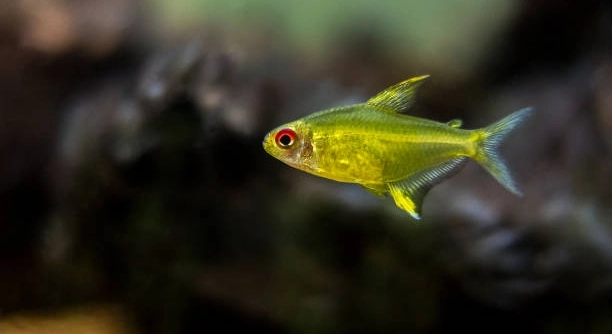
Have you ever watched your lemon tetras swimming calmly and then suddenly darting around the tank in a panic? These small, bright fish can react quickly to changes in their environment, showing sudden bursts of erratic movement.
When lemon tetras panic, they often swim rapidly in irregular patterns, collide with tank decorations, or group tightly together. This behavior is typically triggered by sudden disturbances, poor water quality, or aggressive tank mates, impacting their overall health and stress levels.
Understanding why these tiny fish react this way can help you create a calmer, safer aquarium environment for them to thrive in.
Common Triggers for Lemon Tetra Panic
Lemon tetras are sensitive fish that respond quickly to changes in their environment. Sudden movements outside the tank, loud noises, or vibrations can startle them. Overcrowding or the presence of aggressive fish can also make them nervous, leading to frantic swimming. Poor water quality, such as high levels of ammonia or sudden temperature shifts, adds additional stress. Even minor changes in lighting or new decorations can cause them to panic. Observing their behavior closely can help identify the source of stress before it escalates. By maintaining consistent water conditions and providing hiding spaces, you can reduce the frequency of panicked behavior. These fish thrive in calm, stable environments, so creating a peaceful tank setup is essential. Their natural instinct is to dart and scatter when they feel unsafe, which is why small changes can have a big impact. Consistency and careful observation are key to keeping them comfortable and healthy.
Recognizing triggers early allows you to act quickly, preventing prolonged stress and potential health issues for your lemon tetras.
A calm tank environment supports their natural behaviors. By understanding the factors that unsettle them, you can minimize panic episodes. Proper tank maintenance, regular feeding schedules, and avoiding sudden disturbances create stability. Even minor adjustments, like rearranging decorations gradually or limiting tapping on glass, can make a difference. Observing how they react helps anticipate stressors. Providing plants or hiding spots gives them safe zones to retreat. Over time, consistent care helps lemon tetras feel secure. Watching their peaceful swimming patterns after reducing stress is rewarding and reinforces the importance of attentive care.
How to Calm Panicked Lemon Tetras
Immediate action is important when your fish startle easily. Reducing external disturbances and monitoring water parameters can quickly lower stress levels.
Long-term management focuses on creating a stable and safe environment. Maintaining proper temperature, pH, and filtration ensures water quality remains ideal. Consistent lighting schedules and gentle handling prevent unnecessary shocks. Overcrowding should be avoided, and compatible tank mates should be chosen to minimize aggression. Providing plants, caves, or decorations allows tetras to hide when stressed, giving them a sense of security. Gradual acclimation to changes, like new decorations or tank rearrangements, helps them adjust without panicking. Regular observation allows you to spot subtle signs of stress, such as rapid gill movement or erratic swimming, before it escalates. Feeding routines that are predictable and balanced support their health and reduce stress. By combining environmental control with careful observation, you can ensure your lemon tetras live in a peaceful and thriving habitat. This approach not only calms them during panic episodes but also supports their long-term health and natural behaviors.
Signs Your Lemon Tetra Is Stressed
Rapid, erratic swimming and sudden darting are clear signs of stress. Other behaviors include hiding constantly, clamping fins, or losing color. Observing these patterns early helps prevent more serious health issues and keeps your tank environment safe and stable for your fish.
Persistent stress can weaken their immune system, making them more vulnerable to disease. Lemon tetras may also stop eating or show reduced activity when stressed. Changes in water quality, temperature fluctuations, or aggressive tank mates are often behind this behavior. Providing hiding spots, maintaining stable water conditions, and minimizing sudden disturbances can help reduce these stress indicators and improve overall well-being. Consistency in care allows them to regain normal behavior more quickly and thrive in their tank environment.
Stress also affects social behavior. Lemon tetras are schooling fish, and stress can cause them to isolate or behave aggressively toward each other. Maintaining proper group sizes and monitoring interactions is important. Creating a peaceful environment with plants and open swimming areas allows them to feel secure. Gradual adjustments, rather than sudden changes, help them adapt without panic. Regularly checking water parameters, feeding schedules, and tank conditions ensures they remain healthy. By observing their behavior and responding to stress signals early, you can prevent long-term health problems and maintain a calm, balanced aquarium.
Immediate Steps to Reduce Panic
Moving the fish to a quieter area or covering part of the tank can immediately calm them. Reducing light intensity and minimizing vibrations also helps them feel safe.
Ensuring water quality is stable is critical. Test for ammonia, nitrite, nitrate, and temperature regularly. Small changes like adjusting the heater or adding a water conditioner can make a big difference. Removing aggressive tank mates temporarily or separating overcrowded groups can reduce tension. Introducing gentle currents instead of strong filtration flow prevents constant disturbance. Hiding spaces like plants or decorations allow tetras to retreat, which lowers stress levels. Observing how they respond to these adjustments guides further care.
Consistent monitoring after panic episodes is important. Note any repeating triggers, such as sudden noises or nearby activity, and make adjustments accordingly. Maintaining feeding schedules and avoiding overfeeding supports their health. Over time, these steps reinforce a calm environment. Gradual changes when adding new fish or decorations prevent shock. Tracking water parameters and behavior ensures ongoing stability. Creating a routine that balances tank activity, lighting, and feeding helps lemon tetras feel secure. Regular care and attention prevent future panic episodes and support their natural schooling behavior.
Environmental Adjustments
Adding plants and decorations creates hiding spaces that make lemon tetras feel secure. Arranging them thoughtfully reduces open areas that cause stress, giving fish more control over their surroundings and lowering panic episodes.
Reducing sudden noise and vibrations near the tank is essential. Gentle tank placement and limited tapping on the glass maintain a calm environment, helping the tetras swim naturally without unnecessary fear or stress.
Maintaining Water Quality
Regular water testing and changes keep ammonia, nitrite, nitrate, and pH levels stable. Proper filtration and careful monitoring prevent fluctuations that can trigger panic. Clean, consistent water is essential for lemon tetras’ health, behavior, and long-term well-being, reducing sudden stress responses.
Feeding Practices
Providing small, consistent meals prevents competition and stress. Overfeeding or irregular schedules can cause agitation and erratic behavior, so maintaining a simple routine supports calm and healthy fish.
FAQ
Why do lemon tetras suddenly dart around the tank?
Lemon tetras dart when they feel threatened or startled. Sudden movements outside the tank, loud noises, or quick changes in lighting can trigger this response. They rely on quick swimming as a natural defense mechanism, so providing a stable environment reduces these episodes.
How can I tell if my lemon tetra is stressed?
Signs include clamped fins, faded color, hiding constantly, or refusing food. Erratic swimming and isolation from the school also indicate stress. Early recognition allows for adjustments in tank conditions, improving their health and reducing panic.
Can water quality cause panic in lemon tetras?
Yes, poor water quality is a major factor. High ammonia, nitrite, or nitrate levels, along with sudden temperature fluctuations, can stress fish. Regular testing, partial water changes, and maintaining filtration help keep water safe and minimize panic behavior.
Do tank mates affect lemon tetra behavior?
Aggressive or overly active tank mates can cause constant stress. Lemon tetras are peaceful and thrive in calm, compatible groups. Introducing compatible species gradually and monitoring interactions prevents aggressive behavior and reduces panicked swimming.
Will overcrowding make lemon tetras panic more?
Overcrowding increases stress and triggers erratic swimming. These fish need space to swim in schools without feeling trapped. Maintaining proper group sizes and a spacious tank ensures they stay calm and behave naturally.
How important is hiding space for lemon tetras?
Hiding spaces are essential. Plants, rocks, or decorations provide shelter where tetras can retreat when stressed. Even small hiding spots reduce panic, allowing them to feel secure and regain composure in their environment.
Can sudden changes in light trigger panic?
Yes, sudden shifts in light intensity or turning lights on and off abruptly can startle them. Gradual changes or using timers for consistent lighting prevents sudden stress and helps maintain a calm tank environment.
Is feeding schedule related to panic behavior?
Yes, irregular feeding can cause agitation. Lemon tetras respond well to small, consistent meals. Overfeeding or inconsistent times may increase competition or stress, leading to erratic swimming. A simple, predictable routine helps them feel secure and reduces panic.
Should I separate a panicked fish?
Separation is sometimes necessary if one fish is harassing others or if stress levels are high. Using a temporary divider or quarantine area can calm them down, allowing the panicked fish to recover without endangering the group.
How can I prevent future panic episodes?
Maintaining stable water quality, compatible tank mates, hiding spaces, consistent lighting, and feeding routines all contribute to calmer lemon tetras. Observing their behavior regularly helps anticipate stressors. Gradual changes and attentive care prevent sudden panics and support their long-term well-being.
Are there signs of long-term stress in lemon tetras?
Yes, long-term stress may appear as persistent faded coloration, constant hiding, refusal to eat, or erratic schooling behavior. These signs indicate that the environment needs adjustment. Consistent care and monitoring can reverse stress effects and restore healthy behavior.
Can temperature fluctuations cause panic?
Sudden changes in water temperature are stressful. Lemon tetras prefer stable, moderate temperatures. Using a reliable heater and monitoring with a thermometer ensures they remain comfortable and reduces sudden, panicked swimming episodes.
How quickly do lemon tetras recover after panicking?
Recovery depends on the cause and environment. In a stable, calm tank with proper water conditions, they usually return to normal behavior within minutes to a few hours. Persistent disturbances may prolong stress, requiring careful adjustments.
Do all lemon tetras react the same way to stress?
Individual temperament varies. Some may dart immediately, while others hide or freeze. Understanding each fish’s behavior and observing patterns helps in creating an environment that minimizes stress for the whole school.
What role does tank size play in panic behavior?
Smaller tanks can make fish feel confined, increasing stress and panic incidents. Providing adequate space allows natural schooling behavior, reduces collisions, and prevents constant agitation, helping lemon tetras feel secure and relaxed.
Can I use plants to reduce stress effectively?
Yes, live or artificial plants provide visual barriers and hiding spots. Strategically placed plants create safe zones, break lines of sight, and reduce the feeling of exposure, calming lemon tetras and minimizing erratic movements.
How often should I check water parameters to prevent panic?
Frequent checks, at least once a week, ensure ammonia, nitrite, nitrate, pH, and temperature are within safe ranges. Quick detection of issues prevents stress and helps maintain a stable environment, keeping lemon tetras calm and healthy.
Is it normal for lemon tetras to panic occasionally?
Occasional panic is normal, as sudden disturbances can startle even calm fish. The goal is to minimize frequency through consistent care, proper tank setup, and stable conditions so panic becomes rare rather than constant.
Does stress affect their lifespan?
Chronic stress can weaken the immune system, making them prone to illness and reducing lifespan. Providing a stable, calm environment with good water quality, compatible tank mates, and proper care supports longer, healthier lives.
Can I prevent panic during tank cleaning?
Yes, moving slowly, avoiding sudden water changes, and using gentle handling techniques help. Keeping the routine predictable and providing hiding spots during maintenance reduces stress and prevents panicked reactions.
Is it necessary to remove decorations if fish panic?
Not always, but sudden rearrangements can trigger panic. Gradual placement or moving one item at a time allows fish to adjust without stress. Maintaining familiar landmarks in the tank helps them feel secure.
How can I tell if my interventions are working?
Calmer swimming, resumed feeding, and normal social behavior indicate positive results. Observing their reactions after adjustments helps confirm whether stressors have been addressed effectively. Consistent improvement over days shows interventions are successful.
Can water flow from filters trigger panic?
Strong currents can overwhelm lemon tetras. Adjusting flow or using baffles reduces turbulence, allowing them to swim comfortably. Gentle water movement mimics natural conditions and lowers stress, helping them maintain normal schooling behavior.
Do lemon tetras panic more in new tanks?
Yes, unfamiliar environments can cause stress. Gradual acclimation, adding familiar decorations, and maintaining stable water parameters help them adjust safely, minimizing initial panic episodes.
How long does it take for lemon tetras to adapt to a new tank?
Adaptation usually takes a few days to a couple of weeks. Providing hiding spaces, consistent feeding, and a calm environment speeds up adjustment, reducing stress and supporting healthy behavior.
Are there signs that panic is due to illness rather than stress?
Yes, unusual swimming patterns, labored breathing, or physical changes may indicate disease. Observing symptoms alongside behavior helps differentiate stress-induced panic from health issues, ensuring proper treatment if needed.
Can stress affect breeding behavior?
Yes, stressed tetras are less likely to breed. Maintaining a calm, stable environment with optimal water conditions encourages natural spawning behavior and reduces panic, supporting both health and reproduction.
Is grouping lemon tetras together important to reduce panic?
Yes, they are schooling fish. Being in groups provides security and reduces individual panic. Small or isolated groups are more prone to stress, so keeping at least six tetras together helps them feel safe.
Do lemon tetras recognize stress in each other?
Yes, fish can sense agitation in their school. One stressed individual can trigger others, causing a chain reaction. Maintaining calm conditions and monitoring behavior helps prevent collective panic.
Can adjusting tank decorations reduce panic?
Yes, creating open swimming paths with scattered hiding spots reduces collisions and stress. Gradual adjustments allow tetras to explore without feeling exposed, minimizing sudden panicked reactions.
Are there safe tank mates for stressed lemon tetras?
Peaceful species like small rasboras, guppies, or corydoras are ideal. Avoid aggressive or large fish that may chase or outcompete them. Compatible tank mates reduce stress and help maintain calm social behavior.
How does overfeeding contribute to panic?
Excess food can pollute water and increase competition, leading to stress. Feeding small, controlled amounts ensures clean water and reduces aggression, helping tetras stay calm and healthy.
Can lighting schedules prevent panic?
Yes, consistent light cycles reduce startle responses. Gradual changes with timers help tetras anticipate light shifts, preventing sudden panic and maintaining a stable environment.
Is it normal for some tetras to panic more than others?
Yes, individual temperament varies. Some fish are naturally more timid or reactive. Recognizing these differences allows for tailored care, such as providing extra hiding spots for sensitive individuals.
Do lemon tetras need a specific temperature range to avoid panic?
Yes, maintaining moderate, stable temperatures (around 74-80°F) prevents stress. Sudden heating or cooling can trigger frantic swimming, so careful monitoring is necessary.
Are there behavioral signs that panic is decreasing?
Yes, calmer schooling, normal feeding, and reduced hiding indicate reduced stress. Consistent observation confirms whether environmental adjustments are effective, showing progress in their comfort and security.
How often should I observe my lemon tetras for stress signs?
Daily observation is best. Short, regular checks help detect early signs of panic or stress, allowing timely interventions to maintain a healthy and stable environment.
Can tank size adjustments help reduce panic?
Yes, providing enough space allows natural schooling and swimming behavior. Overcrowded tanks increase collisions and stress, so a larger tank with adequate room supports calmer, healthier tetras.
Is it okay to use artificial plants for hiding?
Yes, artificial plants work well if they create safe spaces. They don’t affect water chemistry and provide consistent shelter, helping reduce stress and prevent panic episodes.
Can sudden temperature drops cause panic at night?
Yes, sudden night-time temperature drops can startle tetras. Using a stable heater and insulated tank placement helps maintain a consistent temperature, reducing nighttime stress.
Do lemon tetras react differently to stress based on age?
Younger tetras may be more skittish, while older ones may show slower responses. Understanding these differences helps in adjusting tank conditions and providing appropriate hiding spaces.
How long should I wait after a panic episode before making changes?
Allow fish to calm down first. Once they resume normal behavior, gradual adjustments like moving decorations or feeding can be made to prevent additional stress.
Can water conditioners help reduce panic?
Yes, conditioners that neutralize chlorine, chloramine, and heavy metals improve water safety. Safe water prevents irritation or chemical stress, helping tetras remain calm.
Are small, frequent water changes better than large ones?
Yes, frequent small changes maintain stable water chemistry and prevent sudden shifts that may cause panic. Large, abrupt water changes can be stressful and should be avoided.
Do lemon tetras remember stressful events?
They may associate certain stimuli with danger, like tapping or sudden movements. Minimizing repeated stress helps them feel secure over time and reduces the likelihood of panic responses.
Can stress affect color intensity?
Yes, stressed tetras often lose brightness. Restoring calm conditions, stable water quality, and proper nutrition helps them regain natural coloration and healthy appearance.
Is regular monitoring more important than occasional deep observation?
Yes, consistent daily monitoring helps catch small stress signs early. Occasional checks may miss subtle changes, allowing stress to escalate and increasing panic frequency.
Can sudden changes in tank mates trigger panic after months of calm?
Yes, even established tetras can react to new additions. Gradual introductions and monitoring interactions help maintain a stable environment and prevent panic in the group.
Does the presence of a mirror affect panic?
Mirrors can temporarily confuse tetras, making them think another fish is invading their space. This may trigger erratic swimming. Limiting exposure or removing mirrors prevents unnecessary stress.
How does current in the tank influence panic behavior?
Strong currents can tire or overwhelm tetras, causing erratic movement. Adjusting filter flow or using baffles creates gentle circulation, allowing normal swimming without triggering panic.
Can stress from one tank affect newly added tetras?
Yes, introducing stressed tetras to a calm tank can disturb existing fish. Quarantine and gradual acclimation of new arrivals prevent transferring panic behaviors.
Are there signs that tetras are adjusting to stress reduction techniques?
Yes, they resume normal swimming, feed regularly, and show social schooling behavior. Observing these improvements confirms that environmental adjustments are working effectively.
Does schooling behavior help reduce panic?
Yes, swimming in groups provides safety in numbers. A strong school reduces individual stress and helps tetras feel secure, lowering overall panic episodes.
Can using live plants improve calmness compared to artificial plants?
Yes, live plants improve water quality, create hiding spots, and mimic natural habitats, which enhances security and reduces stress-induced panic.
Are lemon tetras more sensitive than other small tropical fish?
They can be more reactive due to their schooling instincts and delicate nature. Understanding their sensitivity helps in creating a stable, low-stress tank environment.
Can gentle background music or noise help reduce stress?
Yes, soft, consistent ambient sounds may mask sudden disturbances. Avoid loud or erratic noises, which can startle them and trigger panic.
Is it normal for some tetras to hide while others swim normally?
Yes, individual temperament varies. Some tetras may prefer hiding until they feel secure. Providing multiple hiding spots accommodates these differences, reducing stress across the school.
Do lemon tetras need acclimation after a water change?
Yes, even minor changes in water chemistry can cause stress. Gradual acclimation or small water changes help maintain stability and prevent panic reactions.
Can frequent rearrangement of decorations cause chronic stress?
Yes, constantly moving objects prevents fish from establishing safe zones, increasing anxiety. Minimal and gradual changes reduce stress and support calm behavior.
Does tank lighting color affect panic behavior?
Harsh or very bright lights can startle tetras. Soft, consistent lighting reduces sudden stress and promotes natural swimming patterns, helping maintain a peaceful environment.
Are older lemon tetras less prone to panic?
They may become more accustomed to their environment, reducing reaction intensity. However, sudden disturbances still trigger panicked swimming, so stable conditions remain essential.
Can keeping a journal help track stress triggers?
Yes, recording behavior, water parameters, and disturbances helps identify patterns. This allows timely interventions and prevention of repeated panic episodes.
Is it necessary to isolate a panicked fish long-term?
No, long-term isolation can increase stress. Short-term separation may help, but reintegration into a calm, stable environment is better for social and mental well-being.
Can feeding a varied diet reduce stress?
Yes, a balanced diet improves health, energy levels, and resilience. Well-nourished tetras cope better with minor stressors, reducing frequency and severity of panic episodes.
Do lemon tetras respond to human presence?
They can recognize movement outside the tank. Calm, slow actions help avoid startling them. Sudden tapping or rapid movement often triggers panicked swimming.
Is it normal for tetras to panic during tank maintenance?
Yes, changes in water, sudden movements, or equipment use can startle them. Gentle handling, small adjustments, and providing hiding spots minimize stress during maintenance.
Can stress from illness trigger panic?
Yes, infections or parasites weaken fish, making them more reactive. Observing both health and behavior ensures proper treatment and reduces panic caused by illness.
Are there preventive steps to minimize panic in new tanks?
Yes, gradual acclimation, stable water parameters, hiding spots, and small, compatible groups help new tetras adjust without panic, reducing stress from unfamiliar environments.
Do lemon tetras remember stressful events long-term?
They can associate stimuli with danger. Avoiding repeated stressors helps them feel secure over time, minimizing future panic responses.
Is it better to handle panic behavior reactively or preventively?
Preventive measures are more effective. Stable water, compatible tank mates, hiding spaces, and gentle routines reduce panic frequency. Reactive interventions help, but prevention ensures long-term calm and healthy fish behavior.
Can seasonal changes affect panic frequency?
Yes, temperature, daylight length, and environmental shifts may trigger stress. Monitoring conditions and maintaining stability reduces seasonal panic episodes.
Are lemon tetras more sensitive during breeding periods?
Yes, they may become more reactive or hide more often. Providing calm, undisturbed spaces supports safe breeding and reduces stress-induced panic.
Do tetras recover faster in planted tanks?
Yes, plants provide shelter and improve water quality, creating a stable environment. This reduces panic frequency and helps fish regain normal behavior more quickly.
Can stress cause physical injuries during panic episodes?
Yes, collisions with decorations or glass may cause scrapes or fin damage. Minimizing triggers and providing open swimming space reduces the risk of injury during panic.
Is it necessary to monitor tetras after adding new fish?
Yes, new additions can disturb established behavior. Close observation ensures compatibility, reduces stress, and prevents panic in both new and existing fish.
Does water hardness affect panic behavior?
Extreme hardness or sudden changes can stress tetras. Maintaining moderate, consistent levels supports comfort and reduces erratic swimming responses.
Can a mirror test help assess stress levels?
Occasionally, mirrors can reveal reactions to perceived intruders. Observing responses helps identify timid or easily stressed individuals and adjust the environment accordingly.
Are lemon tetras prone to panic in community tanks?
Yes, if tank mates are aggressive or too active, panic may occur. Choosing compatible, peaceful species minimizes stress and supports normal schooling behavior.
How do I know if hiding spots are adequate?
If all fish have access to cover and panic episodes decrease, hiding spots are sufficient. Observing usage patterns helps determine if more shelter is needed.
Does water flow from air stones affect panic?
Strong bubbles can startle tetras. Gentle aeration provides oxygen without overwhelming them, maintaining calm swimming behavior.
Can frequent human traffic near the tank trigger panic?
Yes, constant movement or vibrations near the tank startle tetras. Placing the tank in a low-traffic area reduces stress and prevents frequent panic episodes.
Are lemon tetras sensitive to sudden pH changes?
Yes, abrupt pH shifts can stress them. Gradual adjustments and regular monitoring prevent panic and maintain a healthy environment.
Can consistent tank routines prevent panic?
Yes, predictable feeding, maintenance, and lighting routines help tetras anticipate daily events, reducing stress and minimizing sudden panic episodes.
Do lemon tetras recover from panic faster in groups?
Yes, schooling provides reassurance. Observing calm members helps panicked fish settle more quickly, restoring normal behavior faster than when isolated.
Is water temperature consistency more important than exact degrees?
Yes, stability is key. Sudden changes are more stressful than minor deviations within the ideal range, helping prevent panic and maintain overall health.
Does stress affect growth in young tetras?
Yes, chronic stress can slow growth and weaken the immune system.
Final Thoughts
Lemon tetras are delicate, active fish that respond quickly to changes in their environment. Their natural instinct is to swim in schools and dart when they feel threatened. While sudden panics are normal occasionally, repeated episodes can indicate underlying stress. Maintaining a calm and stable environment is key to helping them feel secure. Proper tank size, stable water parameters, consistent feeding schedules, and compatible tank mates all contribute to reducing stress levels. Even small changes, like rearranging decorations or altering lighting, can impact their behavior. By observing your tetras carefully, you can identify stress triggers early and make the necessary adjustments to prevent panic. Providing plants, hiding spaces, and gentle water flow allows them to retreat when needed, which encourages normal, relaxed swimming.
Water quality is one of the most important factors for lemon tetras’ health and behavior. High levels of ammonia, nitrites, or nitrates, sudden temperature changes, or improper pH can all lead to panic episodes. Regular testing and partial water changes help maintain a stable environment. A well-functioning filtration system ensures clean water and reduces harmful fluctuations. Even minor disturbances, like tapping on the tank or sudden vibrations, can cause them to dart unpredictably, so keeping their surroundings calm is essential. Paying attention to these details not only prevents panic but also supports their overall health, color, and immune system. Healthy tetras are more likely to display natural behaviors, school properly, and recover quickly from brief moments of stress, creating a more peaceful and enjoyable aquarium.
Behavioral observation plays a critical role in managing panic and stress in lemon tetras. Watching how they interact with each other, respond to environmental changes, and react to feeding routines helps you understand their needs. Some tetras are naturally more timid or sensitive, so providing extra hiding spots for these individuals reduces stress and prevents repeated panic. Gradual adjustments when introducing new tank mates, decorations, or plants ensure the fish can adapt without sudden fear. Consistency in routine, such as feeding at the same times each day and maintaining steady light cycles, supports a calm environment. Over time, these small efforts lead to healthier, more relaxed tetras that display natural swimming and schooling behaviors. By being attentive and responsive, you can create a tank where lemon tetras feel safe, secure, and capable of thriving for years to come.

Hello,
If you enjoy the content that we create, please consider saying a "Thank You!" by leaving a tip.
Every little bit helps us continue crafting quality advice that supports the health, happiness, and well-being of pets around the world, for pets of all shapes, sizes, and species.
We really appreciate the kindness and support that you show us!