
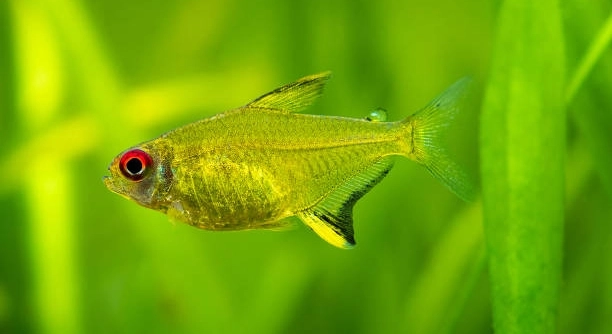
Do lemon tetras are lively, colorful fish that brighten any aquarium. Observing their behavior can be both relaxing and intriguing, as they often swim in groups and interact with their surroundings in gentle ways.
Lemon tetras do occasionally rest on the substrate, although this is not common behavior. Typically, they prefer mid to upper water levels, but resting on the bottom can occur due to fatigue, stress, or changes in water conditions.
Understanding these subtle behaviors can help maintain a healthy environment and ensure your lemon tetras remain active and thriving in their tank.
Why Lemon Tetras Rest on the Substrate
Lemon tetras resting on the substrate can be a sign of simple fatigue or a need to conserve energy. These small fish are naturally active swimmers, so seeing them linger at the bottom may feel unusual. Sometimes, resting on the substrate happens after periods of vigorous swimming or social interaction. Tank conditions can also influence this behavior, including water temperature, current, and overall comfort in the environment. Stress factors like overcrowding, sudden lighting changes, or aggressive tankmates may cause them to stay low temporarily. Additionally, illness or nutritional deficiencies can result in bottom-dwelling behavior. Observing patterns over time helps distinguish between normal rest and concerning behavior. Paying attention to other signs such as loss of appetite, faded coloration, or clamped fins provides insight into their well-being. Offering a balanced diet, stable water parameters, and hiding spots can encourage healthy activity. Recognizing this resting behavior is part of understanding their daily rhythms and keeping them thriving.
This resting habit is usually harmless, especially if it happens occasionally.
Providing a calm environment with consistent water conditions encourages normal swimming behavior. Regular monitoring ensures lemon tetras remain active, alert, and healthy.
How to Support Healthy Behavior
Ensuring your lemon tetras have enough space and hiding spots reduces stress and promotes natural activity.
Maintaining stable water conditions is essential for the overall health of lemon tetras. Sudden temperature fluctuations, improper pH levels, or inadequate filtration can stress the fish and encourage unusual behaviors like bottom resting. Tank size and stocking density matter as well; a crowded tank may force timid individuals to stay near the substrate. Providing a varied diet that includes both flake foods and occasional live or frozen options keeps them energized and less likely to show signs of fatigue. Observing their behavior daily helps catch early signs of stress or illness. Even minor adjustments, such as dimming lights during the day or adding plants and decorations, can make the tank feel more secure. Keeping water clean with regular changes and monitoring ammonia, nitrite, and nitrate levels also supports their well-being. Small environmental improvements can have a large impact on their activity levels. Over time, healthy lemon tetras will spend more time swimming in mid to upper water levels, displaying their natural vibrant behavior and coloration, showing that they feel secure and well cared for.
Common Reasons Lemon Tetras Stay on the Bottom
Occasional bottom resting is normal, but consistent behavior may indicate fatigue, stress, or water quality issues. Observing their environment closely helps identify the cause and allows for adjustments to keep them healthy and active.
Fatigue often occurs after periods of rapid swimming or social interaction with other tetras. Stress factors such as sudden lighting changes, aggressive tankmates, or overcrowding can make lemon tetras retreat to the substrate. Water conditions like temperature, pH, and oxygen levels also play a key role. Poor water quality or irregular maintenance may lead to lethargy. By monitoring these factors, you can distinguish between normal resting and concerning behavior, ensuring your fish remain vibrant and energetic.
Nutrition affects bottom-dwelling tendencies as well. A lack of varied food or insufficient feeding can result in low energy levels, making lemon tetras more likely to rest on the substrate. Offering a mix of flake, frozen, or live foods provides necessary nutrients. Regular observation helps track their eating habits, activity, and overall health. Adjusting tank conditions and diet supports normal swimming behavior and prevents prolonged resting on the bottom, promoting a balanced and lively aquarium environment.
Observing Health and Behavior
Noticing subtle changes in activity or coloration is key to maintaining healthy lemon tetras. Regular observation helps catch issues early.
Health issues can manifest as faded colors, clamped fins, or unusual swimming patterns. Bottom resting may signal fatigue, illness, or stress, particularly if it becomes frequent or prolonged. Monitoring feeding habits and interactions with other tankmates reveals underlying problems. Keeping water parameters stable, ensuring a balanced diet, and providing a comfortable tank environment are essential. Minor adjustments like adding plants or hiding spots can reduce stress. Early detection allows for timely intervention, preventing serious health problems and maintaining their natural vibrant activity, ensuring lemon tetras remain lively and thriving.
Tank Setup Considerations
Providing enough swimming space is crucial for lemon tetras. A cramped tank can force them to stay near the substrate, limiting natural activity and affecting their overall health and behavior.
Adding plants and decorations creates hiding spots, reducing stress. A well-structured environment encourages normal swimming patterns and makes them feel secure, which minimizes prolonged bottom resting.
Water Quality and Temperature
Stable water parameters are essential. Lemon tetras are sensitive to temperature fluctuations, pH changes, and poor filtration. Maintaining consistent conditions helps prevent stress and supports healthy activity.
Regular testing and water changes keep ammonia, nitrite, and nitrate levels safe. Temperature should remain steady, and filters must provide gentle but effective circulation. Clean, balanced water promotes energy and encourages swimming in mid to upper levels rather than staying on the substrate.
Feeding Habits
A varied diet boosts energy levels. Offering flake, frozen, or live foods ensures proper nutrition and reduces lethargy.
Monitoring Social Behavior
Observing interactions within the school helps detect bullying or stress. Lemon tetras thrive in groups and rely on social activity to stay active.
FAQ
Do lemon tetras always swim in the middle of the tank?
Lemon tetras generally prefer mid to upper water levels, where they feel safest and can school comfortably. While they mostly stay in these areas, occasional trips to the bottom are normal, especially during rest or brief periods of fatigue. Observing their usual patterns helps distinguish normal behavior from signs of stress or illness.
Is it normal for lemon tetras to rest on the substrate?
Yes, occasional bottom resting is normal. Lemon tetras are active fish, but they sometimes pause near the substrate to conserve energy. If this happens rarely and the fish appears healthy, it is usually not a concern. Persistent bottom-dwelling or unusual posture may require attention to water conditions or health.
What causes lemon tetras to stay on the bottom?
Several factors can lead to this behavior. Fatigue after swimming, stress from aggressive tankmates, sudden lighting changes, overcrowding, or poor water quality may cause them to stay low. Illness or nutritional deficiencies can also make them less active. Careful observation helps determine the cause and necessary adjustments.
Can water temperature affect resting behavior?
Yes, lemon tetras are sensitive to temperature fluctuations. Water that is too cold or too warm can slow metabolism and cause them to rest on the substrate. Keeping temperature stable within the recommended range for tropical fish promotes normal swimming activity and overall health.
How does tank size influence resting behavior?
A small or overcrowded tank can limit swimming space and make tetras more likely to stay near the bottom. Providing ample room encourages natural schooling behavior, reduces stress, and prevents bottom-dwelling from becoming a persistent habit.
Does diet impact energy levels?
Absolutely. A diet lacking variety or sufficient nutrients can reduce energy, causing lemon tetras to rest more. Including flake, frozen, and occasional live foods ensures proper nutrition, supporting active swimming and vibrant coloration. Observing eating habits helps maintain their energy and health.
Can stress cause bottom resting?
Yes, stress is a common factor. Aggressive tankmates, sudden lighting, or too much activity in the tank can make tetras retreat to the substrate. Creating a calm, structured environment with plants and hiding spots helps them feel secure and reduces stress-induced bottom resting.
When should I be concerned about substrate resting?
Occasional resting is normal, but frequent or prolonged bottom-dwelling accompanied by faded color, clamped fins, or loss of appetite may indicate illness or poor water conditions. Monitoring behavior and water parameters helps identify problems early, ensuring the tetras remain healthy and active.
Are hiding spots important for lemon tetras?
Yes, they are. Plants, decorations, and small caves give lemon tetras safe areas to rest or hide when stressed. A well-decorated tank reduces fear and encourages normal swimming, preventing them from staying at the bottom due to anxiety or insecurity.
Can I improve activity levels in my lemon tetras?
Yes, minor adjustments often help. Improving water quality, stabilizing temperature, providing varied food, and ensuring a calm environment encourages swimming. Observing social interactions and maintaining proper tank size also supports active schooling behavior, keeping lemon tetras lively and healthy.
How do I know if my fish are healthy?
Healthy lemon tetras have vibrant coloration, swim actively, and respond to food. Faded color, lethargy, clamped fins, or frequent substrate resting may indicate a problem. Regular observation and consistent care help maintain their well-being and prevent long-term issues.
Do lemon tetras rest more at night?
Yes, like many fish, lemon tetras have daily rest cycles. They may spend more time near the substrate during the night while conserving energy. Providing a stable light-dark cycle mimics natural conditions and supports healthy resting patterns.
Can tank mates affect resting behavior?
Yes, aggressive or overly active tankmates can stress lemon tetras, causing them to retreat to the bottom. Choosing compatible species and maintaining proper stocking levels ensures a harmonious environment that promotes normal swimming and resting patterns.
Is substrate resting a sign of aging?
Occasional resting can be related to age. Older tetras may show reduced activity and spend more time near the bottom. Ensuring they have proper nutrition, clean water, and a calm environment helps older fish remain comfortable and healthy.
How can I encourage mid-level swimming?
Providing open space in the mid-water area, stable water conditions, and a varied diet encourages normal schooling behavior. Plants and decorations can create a sense of security without overcrowding, making the tetras feel safe to swim actively in the middle of the tank.
What are the main signs of stress in lemon tetras?
Common stress indicators include hiding excessively, staying at the bottom, clamped fins, loss of appetite, and faded colors. Addressing water quality, tank setup, diet, and social environment can reduce stress and restore normal behavior.
Can illness be detected from resting patterns?
Yes, unusual or prolonged substrate resting often signals potential illness. Combining behavioral observation with monitoring physical signs like color, fin condition, and appetite helps identify health problems early, allowing timely intervention to prevent worsening conditions.
How often should I monitor water parameters?
Regular monitoring is essential. Testing for ammonia, nitrite, nitrate, and pH weekly helps maintain a stable environment. Consistent water changes and proper filtration prevent conditions that could cause stress, fatigue, or bottom-dwelling behavior.
Does lighting affect their behavior?
Yes, sudden or intense lighting can stress lemon tetras, prompting substrate resting. Gradual light changes and a consistent day-night cycle create a comfortable environment, promoting normal swimming and resting behavior.
Can bottom resting indicate oxygen levels are low?
Possibly. Insufficient oxygen in the water may cause fish to stay near the bottom or close to filtration areas. Ensuring proper aeration, circulation, and plant balance helps maintain adequate oxygen levels and supports active swimming.
Are some lemon tetras naturally more prone to bottom resting?
Individual temperament can influence behavior. Some tetras may be timid or less active and rest near the substrate more often. Providing a safe environment, compatible tankmates, and stable conditions supports even the more reserved fish in displaying normal activity.
How do I distinguish normal resting from illness?
Occasional resting with bright color, normal appetite, and interaction with tankmates is normal. Prolonged inactivity, color fading, clamped fins, and refusal to eat indicate potential illness and require careful observation and action.
Is substrate resting linked to breeding behavior?
Not typically. Lemon tetras may rest near the bottom during stress or fatigue, but substrate resting alone does not usually indicate breeding activity. Other signs such as increased chasing or spawning behavior would accompany breeding patterns.
What daily care helps prevent excessive bottom resting?
Maintaining clean water, stable temperature, proper diet, and a stress-free environment supports activity. Observing behavior and adjusting tank setup as needed prevents prolonged bottom resting and promotes vibrant, healthy fish.
Can tank decorations impact resting locations?
Yes, fish may rest near or under decorations if they feel unsafe. Strategic placement of plants and hiding spots provides security without restricting swimming space, encouraging normal activity and reducing prolonged bottom dwelling.
Is occasional substrate resting harmful?
No, occasional resting is a normal part of their routine. It becomes a concern only when it is frequent, prolonged, or accompanied by signs of stress or illness. Monitoring behavior ensures it remains harmless and part of natural activity patterns.
Do water changes influence resting behavior?
Yes, poor water quality can cause lethargy, while regular changes maintain a healthy environment. Clean water supports energy, reduces stress, and minimizes unnecessary substrate resting. Consistency is key for active and healthy lemon tetras.
How do I track behavioral changes over time?
Observing and noting daily activity, swimming patterns, and feeding habits helps detect gradual changes. Keeping a simple log of behavior and tank conditions allows early intervention if substrate resting or other abnormal behaviors increase.
Can substrate resting affect schooling behavior?
Frequent bottom resting may temporarily disrupt schooling, especially if a stressed fish isolates itself. Maintaining healthy conditions and ensuring all tetras are active supports proper schooling and overall group dynamics, keeping the school cohesive.
Are there specific signs that resting indicates illness rather than fatigue?
Yes. Signs like faded color, clamped fins, lack of appetite, erratic swimming, or persistent bottom dwelling suggest illness. Combining behavioral observation with water quality monitoring helps determine whether intervention is needed to protect their health.
How long can a lemon tetra safely rest on the substrate?
Short periods of rest are normal. Extended or repeated periods may indicate underlying issues. Observing patterns, along with diet, water conditions, and social behavior, ensures that resting remains part of a healthy routine.
Can lighting schedules reduce substrate resting?
Yes, a stable day-night cycle helps regulate activity. Sudden changes can stress fish, while gradual and consistent lighting encourages normal swimming and resting patterns, minimizing prolonged bottom-dwelling behavior.
Do tankmates influence the amount of resting?
Yes, aggressive or highly active fish can make lemon tetras retreat to the bottom. Providing compatible species and proper group sizes encourages normal schooling and reduces unnecessary resting caused by stress.
Is bottom resting more common in new aquariums?
Yes, new environments can cause stress, prompting temporary substrate resting. Gradual acclimation, stable water parameters, and safe hiding spots help fish adjust, allowing them to swim normally and display typical behaviors over time.
Can supplements help with energy and activity?
A varied diet rich in nutrients supports energy and normal swimming behavior. Occasional supplements like vitamins or live foods can boost health, reducing fatigue-related substrate resting and promoting active schooling.
How does age affect resting patterns?
Older tetras may naturally rest more often due to reduced energy. Ensuring proper care, nutrition, and a calm environment helps them remain comfortable, allowing healthy resting without impacting overall vitality.
Can temperature swings cause prolonged substrate resting?
Yes, sudden changes in water temperature can stress tetras and reduce activity. Maintaining stable, appropriate temperatures for tropical fish prevents lethargy and encourages normal swimming throughout the tank.
Is it normal for only some fish in the school to rest on the bottom?
Yes, individual temperament or minor stress factors can make certain fish rest more. Providing a safe, consistent environment ensures all members of the school feel secure and maintain normal activity levels.
How do I balance activity and resting in my aquarium?
Monitoring behavior, maintaining water quality, feeding a varied diet, and providing a well-structured tank environment supports both energy and rest. Balanced care encourages natural swimming patterns while allowing occasional resting without health concerns.
Can substrate resting damage their fins or body?
No, resting itself does not harm lemon tetras. Only stress, poor water quality, or illness may cause damage, so ensuring proper tank conditions and observing their behavior prevents health issues.
Does the type of substrate matter?
Yes, smooth or soft substrates are safer. Sharp or rough materials may irritate fins and skin if fish rest frequently on the bottom. Choosing appropriate substrate protects their health while allowing normal resting behavior.
Are there signs that substrate resting is improving or worsening?
Improvement is indicated by a return to normal mid-water swimming, bright coloration, and active feeding. Worsening behavior includes frequent or prolonged bottom dwelling, faded color, or loss of appetite, signaling the need for adjustments in care.
How long does it take for behavior to normalize after changes?
Recovery depends on the cause. After improving water conditions, adjusting tankmates, or stabilizing temperature, fish may resume normal activity within days to a couple of weeks. Consistent monitoring ensures lasting improvements in behavior.
Can lighting, diet, and tank setup together reduce resting?
Yes, combining proper lighting, nutritious food, and a safe, structured environment encourages active swimming and healthy energy levels, reducing prolonged substrate resting. Minor improvements in each area have a cumulative positive effect on behavior.
What is the most effective way to prevent excessive resting?
Maintaining stable water conditions, proper diet, compatible tankmates, and a comfortable environment supports natural energy levels. Regular observation and timely adjustments prevent prolonged bottom resting while keeping lemon tetras active, vibrant, and healthy.
Do stress, illness, and fatigue interact to increase resting?
Yes, these factors often compound. Stress makes fish more vulnerable to illness, which can increase fatigue, leading to extended bottom resting. Addressing each element proactively helps maintain overall health and normal activity.
Are hiding spots equally important for all tank sizes?
Yes, regardless of tank size, plants and decorations provide security. Even in larger tanks, hiding spots help reduce stress and encourage natural behavior, preventing excessive substrate resting.
How can I differentiate resting from hiding?
Resting usually involves calm, stationary behavior without concern for surroundings, while hiding involves staying near plants, decorations, or corners due to fear or stress. Observation over time helps identify the reason behind bottom-dwelling behavior.
Can water flow affect resting patterns?
Yes, strong currents may tire or stress fish, prompting substrate resting. Gentle, consistent water movement ensures they can swim comfortably without becoming fatigued or forced to stay low in the tank.
Are some tank plants better for encouraging mid-level swimming?
Yes, floating or mid-height plants allow tetras to swim freely while feeling secure. They provide shelter without overcrowding, promoting active movement in mid to upper water levels instead of constant bottom resting.
Is monitoring resting behavior enough to detect health problems?
Observing resting patterns is helpful but should be combined with monitoring color, fins, appetite, and swimming activity. Multiple indicators provide a clearer picture of fish health and highlight problems early for timely care.
How do I record resting behavior effectively?
Noting times of day, duration, and context of bottom resting helps track patterns. Logging water parameters, feeding, and tank conditions alongside behavior provides insight into causes and helps identify any necessary changes to improve activity.
Can tank size limit natural behavior even with proper care?
Yes, insufficient space can restrict swimming, making resting on the substrate more common. Ensuring adequate tank dimensions allows lemon tetras to display natural schooling, swimming, and resting behaviors without constraint.
Do lemon tetras adjust resting behavior over time?
Yes, as they acclimate to their environment, stress decreases, and activity levels normalize. Observing gradual changes in behavior confirms that they feel secure and are maintaining healthy energy and swimming patterns.
Are there seasonal effects on resting behavior?
While not pronounced in controlled aquariums, subtle seasonal temperature changes or daylight variations may slightly influence activity. Consistent tank conditions help minimize these effects and maintain stable behavior.
Can illness prevention reduce resting?
Yes, preventive care through clean water, balanced diet, proper tankmates, and stable conditions reduces the likelihood of stress and illness, minimizing prolonged substrate resting and promoting active behavior.
Does frequent observation cause stress?
Occasional monitoring is fine, but excessive tapping or sudden movements can stress fish, increasing bottom resting. Observing calmly and from a distance supports normal behavior while allowing you to track health effectively.
Are certain breeds more active than others?
Lemon tetras are generally lively, but individual temperament varies. Some may naturally rest more, while others remain active. Supporting all personalities with proper care ensures a balanced, healthy group.
Can water hardness affect resting patterns?
Extreme hardness or sudden changes may cause discomfort, prompting substrate resting. Maintaining recommended ranges for tropical fish supports normal energy levels and reduces stress-related resting behaviors.
How long is too long for substrate resting?
Occasional resting is normal, but consistent daily periods longer than several hours, coupled with inactivity, faded colors, or poor appetite, indicate a problem that requires intervention.
Are there behavioral cues to watch for alongside resting?
Yes, lethargy, hiding, loss of appetite, color fading, or clamped fins are critical indicators. Observing these alongside resting helps differentiate normal fatigue from health or environmental issues.
Can tankmates trigger excessive substrate resting?
Yes, overly aggressive or dominant fish may intimidate lemon tetras, making them stay near the bottom. Choosing compatible species and providing hiding spots helps reduce stress and promotes active schooling.
Is it normal for resting patterns to vary daily?
Yes, minor daily fluctuations are typical due to activity levels, feeding, or light conditions. Consistent patterns over time are more important than isolated instances, indicating healthy routines.
Can substrate type reduce stress-related resting?
Yes, soft or smooth substrates provide comfort when resting. Rough or sharp materials may increase stress, discouraging natural resting behavior and potentially causing minor injuries.
Does tank lighting intensity influence resting duration?
Bright or sudden lighting can stress tetras, increasing bottom resting. Moderate, gradual, and consistent lighting promotes normal activity while allowing safe resting periods.
Can environmental enrichment reduce resting?
Yes, plants, decorations, and open swimming areas provide stimulation and security. Enriched environments encourage natural swimming and schooling behaviors, reducing unnecessary substrate resting.
How do I know when intervention is needed?
Frequent, prolonged bottom dwelling accompanied by physical signs like color fading, clamped fins, or loss of appetite signals a need for action. Addressing water quality, diet, and stressors early prevents serious health problems.
Are there long-term effects of frequent substrate resting?
Prolonged bottom dwelling due to stress, illness, or poor water conditions can affect health, reduce activity, and impact coloration. Maintaining proper care prevents long-term negative effects, ensuring a healthy and active life for lemon tetras.
Can adjusting tank layout help?
Yes, rearranging decorations, adding plants, and ensuring open swimming areas can make fish feel secure while encouraging mid-level activity, reducing reliance on the substrate for rest.
Do lemon tetras respond well to gradual changes?
Yes, slow adjustments in lighting, temperature, or tank layout reduce stress and prevent excessive substrate resting. Sudden changes may worsen resting behavior or cause temporary fatigue.
How important is consistency in care?
Consistency in water quality, diet, temperature, and social environment ensures stable activity levels, reduces stress, and minimizes unnecessary substrate resting, supporting long-term health and vibrant behavior.
Can age-related fatigue be managed?
Yes, older fish may rest more. Providing easy access to food, gentle water flow, and safe resting spots supports energy and reduces stress, allowing them to rest comfortably without affecting overall health.
Are there visual signs that resting is improving?
Increased mid-water swimming, brighter colors, and active feeding indicate improved energy and reduced substrate resting. Observing these changes over days to weeks shows that interventions are effective.
Does feeding schedule affect resting behavior?
Yes, regular feeding supports energy and normal activity. Skipping meals or inconsistent feeding may increase fatigue, prompting more frequent bottom resting. Consistent feeding schedules encourage active swimming.
Can tank noise influence behavior?
Loud vibrations, tapping, or sudden movements can stress tetras, making them retreat to the substrate. Minimizing disturbances supports natural activity and reduces unnecessary resting.
How do I handle prolonged resting due to illness?
Isolate sick fish if needed, check water parameters, and provide appropriate treatment. Supportive care, nutrition, and a stress-free environment help recovery and restore normal activity levels
Lemon tetras are lively, delicate fish that bring color and movement to any aquarium. Observing their behavior provides insight into their health and comfort. While they are naturally active swimmers, occasional resting on the substrate is part of their normal routine. This behavior can occur after periods of vigorous swimming, during night-time rest, or when they are conserving energy. In most cases, resting on the bottom does not indicate a problem, especially if the fish appear healthy, have bright coloration, and maintain a regular feeding pattern. Understanding their behavior helps fishkeepers provide the proper environment, ensuring these small, vibrant fish remain active and comfortable in their tank.
Water quality, tank setup, and social environment are all important factors that influence lemon tetra behavior. Stable water parameters, including temperature, pH, and ammonia levels, contribute to a stress-free environment. A well-decorated tank with plants and hiding spots gives the fish security and encourages natural swimming patterns. Proper tank size is also critical; overcrowding can cause timid or weaker individuals to stay near the bottom more often. In addition, compatible tankmates and adequate schooling numbers ensure a balanced social structure. Maintaining a balanced diet that includes flake, frozen, or live foods supports energy levels and reduces the likelihood of prolonged bottom resting. Regular observation allows fishkeepers to distinguish between normal rest and signs of stress or illness, allowing timely adjustments.
Monitoring lemon tetras over time reveals patterns in resting, feeding, and schooling behavior. Occasional substrate resting is typically harmless and part of their natural routine. However, frequent or prolonged periods of bottom-dwelling, especially when paired with color fading, clamped fins, or reduced appetite, may signal health or environmental issues. Consistent care, including stable water conditions, proper nutrition, suitable tankmates, and a secure environment, ensures that lemon tetras remain active and healthy. By understanding their behavior and responding appropriately, fishkeepers can provide a habitat that supports their well-being, allowing these small, vibrant fish to thrive and display their natural energy and color. Observing, maintaining, and adjusting care practices creates a positive environment where lemon tetras can live comfortably while showing their full, natural behavior.

Hello,
If you enjoy the content that we create, please consider saying a "Thank You!" by leaving a tip.
Every little bit helps us continue crafting quality advice that supports the health, happiness, and well-being of pets around the world, for pets of all shapes, sizes, and species.
We really appreciate the kindness and support that you show us!