
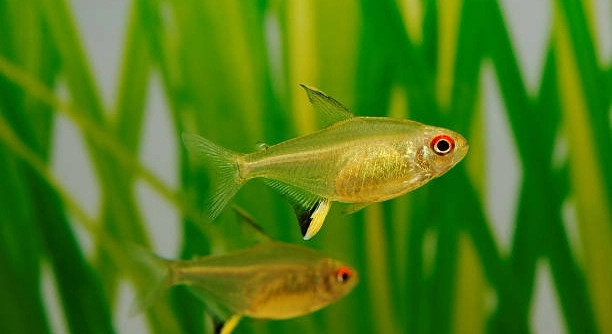
Have you ever wondered how lemon tetras adjust to a new aquarium, gradually learning patterns and responding to familiar sights, sounds, and routines that help them feel safe and comfortable as time passes each day.
Lemon tetras gradually recognize consistent cues within their habitat, such as feeding routines, lighting patterns, and stable surroundings. This developing awareness enhances their social interactions, reduces stress responses, and promotes long term adaptation that reflects measurable learning within a setting.
As you explore their subtle habits, you will notice the small patterns that shape their calm behavior and aquarium life.
Recognizing Feeding Times
Lemon tetras quickly learn to associate certain times of day with feeding. In my aquarium, I noticed that they begin to swim actively and gather near the front of the tank when I approach around the usual feeding hour. This reaction is not immediate; it develops over weeks as they adjust to a schedule. Their behavior becomes predictable, and it is satisfying to see them respond consistently. Over time, they also start recognizing specific feeding spots, waiting near plants or decorations where food is often dropped. It seems like they remember the locations that are safest and easiest to reach. Feeding recognition is more than anticipation—it reflects memory, social learning, and comfort with the environment. Observing these behaviors provides insight into how small, consistent cues can help fish feel secure. Their subtle reactions, from slight movements to synchronized swimming, show their ability to internalize patterns and adapt to routine effectively.
Feeding recognition is an indicator of memory and comfort in lemon tetras, showing how they adapt to repeated routines.
By paying attention to these behaviors, it is easy to see the layers of recognition in action. Each movement, swim pattern, and position near the food source tells a story about how well they know their environment. Over time, they respond more quickly, swim more confidently, and even interact with other fish in more coordinated ways during feeding. The learning process is gradual, and it varies between individual fish. Some may show anticipation immediately, while others are slower to respond. Environmental consistency, such as keeping decorations, plants, and hiding spots the same, reinforces these learned patterns. Recognizing feeding times also helps prevent stress, as predictable routines reduce anxiety and encourage natural behaviors. Understanding their recognition patterns can improve care, allowing for better feeding management and observation of social dynamics. Lemon tetras’ response to feeding cues demonstrates their intelligence and adaptability in a controlled setting, giving a clear example of how small, repeated experiences shape behavior over time.
Identifying Familiar Tank Mates
Lemon tetras can distinguish between familiar and new fish in their tank. They often swim closer to fish they recognize and avoid newcomers initially.
Recognizing tank mates relies on visual and movement cues, showing that lemon tetras track social relationships. Consistent interaction strengthens these bonds.
This recognition affects their daily interactions significantly. When a new fish is introduced, they may hide or stay on the edges, but over time, they gradually explore and swim closer. Their memory of who is familiar influences schooling behavior, reducing stress and promoting a balanced social structure. Observing these dynamics helps understand how they manage hierarchy and comfort. Familiarity also plays a role during feeding, as recognized tank mates often feed together more smoothly. The process is subtle, but over weeks, it is clear which fish are trusted companions and which are not yet integrated. Social recognition is a critical aspect of their adaptability and highlights the complexity of their cognitive abilities within a simple aquarium environment.
Responding to Light Changes
Lemon tetras notice changes in lighting quickly. Sudden brightness or dimming causes them to adjust swimming patterns and seek hiding spots. They respond more calmly when light changes are gradual, showing memory of familiar conditions.
I observed that when I turn on the aquarium lights at the same time every morning, my lemon tetras gradually swim closer to the center of the tank instead of hiding. They become comfortable with the predictable lighting schedule. Rapid changes, however, startle them, causing short bursts of frantic movement. Over several weeks, they adapt to minor variations, showing clear recognition of the usual patterns and learning to anticipate environmental changes without stress. This reaction highlights their ability to perceive and remember cues in their surroundings.
Light patterns also influence their behavior beyond the initial response. During feeding or social interaction, they rely on familiar lighting to feel secure. If lights come on gradually, they become more active, exploring plants and decorations confidently. Their schooling behavior improves as well, since predictable light reduces sudden stress that might scatter the group. Gradual dimming in the evening signals rest time, encouraging calmer swimming and less conflict among tank mates. This sensitivity to light shows their reliance on consistent environmental cues to regulate behavior, demonstrating memory, adaptability, and subtle learning over time.
Recognizing Owner Presence
Lemon tetras react to my presence near the tank, often swimming toward the front or showing subtle excitement during feeding times.
Over weeks, they learn to associate movement near the aquarium with food or activity. My approach triggers small, coordinated movements as they anticipate interaction.
They also notice differences in how I move or the location I approach from. Even minor variations, like reaching from a new angle, can briefly confuse them, but recognition returns quickly after repeated exposure. They seem to remember the sequence of actions, like opening the lid or moving my hand toward the water. These behaviors suggest that lemon tetras distinguish not just physical presence, but repeated patterns and intentions associated with it. Their subtle excitement is observable in the way they cluster, swim more actively, or follow my hand. Over time, this recognition improves interaction, reduces stress, and reinforces their understanding of predictable behavior in their environment.
Remembering Hiding Spots
Lemon tetras quickly memorize safe spots in the tank. When startled, they dart toward familiar plants or decorations instead of random areas.
They return to the same hiding places repeatedly, showing clear spatial awareness. Over time, these spots become central to their sense of security.
Reacting to Feeding Sounds
They respond to subtle sounds linked to feeding, such as tapping on the tank or shaking the food container.
Repeated exposure helps them associate these noises with food arrival, creating anticipation. They swim actively toward the source, showing learned behavior and memory of the cues over time.
Recognizing Tank Layout
Changes in the tank’s layout affect their movement. Lemon tetras notice rearranged plants or decorations, exploring cautiously until familiar patterns return.
Their memory helps them navigate quickly once they adjust, showing they remember original positions and adapt gradually to new arrangements.
How long does it take for lemon tetras to recognize their environment?
Lemon tetras generally start recognizing patterns and familiar spots within a few weeks. In my experience, consistent feeding times, stable decorations, and gradual exposure to light changes help them adjust faster. Some fish may take a little longer, especially if they are shy or newly introduced.
Can lemon tetras recognize individual fish in the tank?
Yes, they can. They often swim closer to familiar tank mates and avoid newcomers at first. Over time, they show more coordinated schooling behavior with fish they know. This recognition helps reduce stress and promotes stable social interactions among all tank inhabitants.
Do lemon tetras notice their owner?
They do. I’ve seen my tetras respond when I approach the tank, especially around feeding times. They swim toward the front or follow hand movements near the lid. Over repeated exposure, they learn to associate my presence with food or activity.
How do lemon tetras react to sudden changes in light?
Sudden lighting changes startle them. They may dart toward hiding spots or swim erratically. Gradual adjustments, like slowly turning on or dimming lights, help them adapt and reduce stress. Predictable light patterns improve their overall behavior and confidence in the tank.
Do lemon tetras respond to sounds?
Yes, they recognize sounds linked to feeding, such as tapping the tank or shaking a container. Over time, these sounds trigger active swimming and anticipation, showing their ability to associate auditory cues with food. Consistent cues improve this learned behavior.
Can lemon tetras remember hiding spots?
Absolutely. They quickly memorize safe areas like plants, rocks, or decorations. When startled, they dart to these familiar locations. Repeated use of the same spots reinforces their spatial memory, helping them feel secure in their environment.
Do lemon tetras adapt to rearranged tank layouts?
They notice changes and explore cautiously at first. Over time, they memorize new positions of plants and decorations. Their memory allows them to navigate efficiently and gradually feel secure again, showing both adaptability and learning.
How does social interaction affect their recognition skills?
Social dynamics influence recognition strongly. Lemon tetras rely on familiar companions to feel safe during feeding and exploration. Strong recognition of tank mates reduces aggression and promotes coordinated schooling, reflecting their ability to remember individuals and respond appropriately.
Do lemon tetras react differently to male and female fish?
They may show subtle differences, often following males or females they know better during feeding or swimming. Recognition seems more about familiarity than gender. Over time, fish learn social roles and adjust behavior accordingly.
Can they remember owners across different rooms or lighting conditions?
They recognize patterns of movement and sounds associated with an owner, even if environmental conditions change slightly. While sudden drastic changes may cause temporary hesitation, repeated exposure helps them maintain recognition and respond consistently.
Are young lemon tetras faster learners than older ones?
Younger fish often adapt quickly to new patterns, feeding routines, and familiar companions. Older tetras may take longer but can still learn effectively if cues are consistent and the environment remains stable.
Do lemon tetras show excitement when seeing familiar objects?
Yes, they often swim actively toward food, favorite hiding spots, or tank decorations they know well. These responses indicate memory and comfort, reflecting how recognition shapes behavior and daily routines.
How does stress affect their ability to recognize patterns?
High stress can slow learning and make tetras more cautious. Keeping water quality stable, avoiding sudden changes, and maintaining consistent routines supports recognition and reduces anxiety, helping them respond reliably to familiar cues.
Do lemon tetras remember the location of food long-term?
They do. Over time, they learn the usual feeding spots and anticipate food arrival. Consistency reinforces this memory, making feeding times predictable and reducing stress while improving overall tank harmony.
Can recognition help in training lemon tetras?
Yes, subtle training is possible. Using consistent cues like feeding sounds, light adjustments, or hand movements encourages memory formation. Over time, they learn to respond predictably, showing that their cognitive abilities extend beyond instinctive behavior.
Do all lemon tetras in a tank recognize the same cues?
Not always. Some are more responsive than others. Individual personalities and social roles affect how quickly each fish recognizes patterns, but repeated exposure ensures that most fish adapt over time.
How long does recognition last if the environment changes?
Recognition can persist if changes are gradual. Abrupt alterations may temporarily confuse them, but with consistent exposure, tetras quickly relearn new patterns. Their memory is resilient, especially for social companions, feeding routines, and familiar hiding spots.
Can lemon tetras distinguish between subtle differences in tank mates?
They notice differences in size, movement, and coloration. While the distinctions are subtle, recognition relies on repeated exposure, helping them identify familiar companions versus new arrivals, which supports social cohesion and reduces stress.
Do they recognize seasonal changes in light or temperature?
They respond more to predictable daily cues than seasonal variations. Gradual shifts in light and temperature allow them to adapt without stress, showing their ability to track environmental patterns over time.
How do I support recognition in my tank?
Consistent feeding, stable tank layout, gradual light changes, and limited sudden disturbances help lemon tetras learn and remember patterns. Observing their responses over weeks gives insight into how recognition develops naturally, strengthening both behavior and well-being.
Lemon tetras are small but surprisingly aware fish. Over time, they recognize their surroundings, familiar tank mates, and even their owner’s presence. Watching them respond to feeding times, lighting patterns, and changes in their environment shows that these fish are not just moving randomly; they are learning and remembering. Each little reaction, from darting toward a hiding spot to swimming actively when food is near, is a sign of memory and recognition. In my own aquarium, I noticed that my lemon tetras became more confident and calm as they adjusted to routines. Their recognition skills make them more predictable and easier to care for, but it also adds a layer of personality and engagement that makes observing them enjoyable. Understanding how they respond to repeated cues helps in creating a stable and comfortable environment that supports both their physical and mental well-being.
Consistency plays a big role in helping lemon tetras recognize patterns. Feeding at the same time each day, keeping decorations and hiding spots in familiar positions, and adjusting light gradually all help them feel secure. Sudden changes, like moving plants or introducing new fish without preparation, can stress them, and their responses can be quite noticeable. I’ve seen my tetras initially hide or swim frantically when a new decoration was added, but over a few days, they explored and accepted it. This shows that while they can adapt, they rely on repetition and predictability to feel safe. By paying attention to their behavior, we can notice which cues they recognize and which changes are more challenging for them. Their reactions are subtle but meaningful, and observing them closely can provide insight into their memory, learning ability, and social dynamics.
Recognition in lemon tetras is also closely linked to their social behavior. They remember familiar tank mates and often interact more confidently with fish they know well. Schooling patterns, feeding interactions, and shared hiding spots all reflect these social memories. Even their reactions to their owner demonstrate a level of recognition that goes beyond instinct. Over weeks and months, their memory of routines and companions improves, making the aquarium feel like a stable and harmonious environment. Supporting this recognition with consistent routines and gentle care helps reduce stress and encourages natural behaviors. Watching lemon tetras develop these recognition skills is rewarding because it highlights their intelligence and adaptability. Their ability to remember, learn, and respond to both environmental and social cues shows that even small fish can form connections and adjust thoughtfully to their surroundings.

Hello,
If you enjoy the content that we create, please consider saying a "Thank You!" by leaving a tip.
Every little bit helps us continue crafting quality advice that supports the health, happiness, and well-being of pets around the world, for pets of all shapes, sizes, and species.
We really appreciate the kindness and support that you show us!