
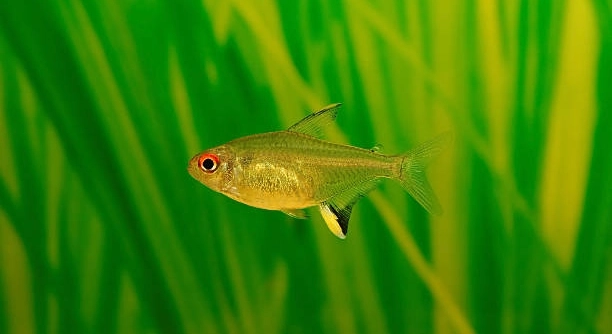
Have you ever noticed lemon tetras moving with a focus that feels more intentional, making you stop and think about the small choices they appear to make in their calm aquatic world each passing day.
Lemon tetras display modest cognitive abilities through pattern recognition, social coordination, and environmental awareness, suggesting they possess more behavioral complexity than often assumed while demonstrating purposeful responses to stimuli that support efficient navigation, group stability, and adaptive decision making processes.
Their quiet abilities reveal deeper behavior patterns that bring a soft sense of meaning to the moments you spend watching.
Understanding Their Subtle Behaviors
Lemon tetras often reveal their intelligence through small behaviors that become clearer when you spend a little more time observing them. They react to patterns in feeding routines, adjust their movement when something changes in their surroundings, and rely on steady group coordination that keeps them safe. These actions might seem simple at first, yet they show a thoughtful rhythm that reflects how these fish manage their daily needs. When you notice the way they maintain space, respond to one another, and return to familiar spots, it becomes easier to see how their choices are shaped by experience. Their behavior is not random, and each movement fits into a larger pattern that helps them interact smoothly with their environment. Watching them with patience can reveal how much intention hides beneath their calm swimming, giving you a closer look at how awareness guides even the smallest decisions they make each day.
Their reactions reflect a steady blend of awareness and learned behavior, allowing them to adjust to changes with surprising ease. This mix of careful movement and quick responses shows how they rely on experience to handle simple challenges while still keeping their place within the group at all times daily.
As you continue watching lemon tetras, their behavior slowly forms a clearer picture of how they respond to everyday situations. They move with purpose, shifting their patterns based on familiarity, comfort, and the signals they receive from others in their group. Each adjustment supports a calm balance that helps them feel secure. Even their smallest reactions can reveal how they process what happens around them, showing a surprising depth beneath their gentle appearance. The more attention you give to these quiet details, the easier it becomes to appreciate how their subtle actions build a steady rhythm in their shared space.
How They Use Social Awareness
Lemon tetras depend on smooth social behavior to maintain order within their group, adjusting their movement and spacing through quick visual cues. These coordinated actions help reduce stress, support safety, and allow them to find stable patterns that make everyday interactions feel consistent and predictable in their environment each day.
Social awareness plays a strong role in how lemon tetras handle their daily routines, shaping the way they interact with one another and respond to even minor changes around them. When they swim together, they create gentle patterns that help maintain a sense of order, allowing each fish to read subtle signals without hesitation. This constant exchange of cues supports their ability to stay safe, regulate their spacing, and avoid unnecessary conflict. Their interactions show how deeply they rely on observation and learned behavior, especially when groups shift or when something unfamiliar enters their space. By adjusting their position and movement, they create a smooth flow that keeps the group steady. These behaviors highlight how much they depend on shared awareness rather than instinct alone. Their coordinated swimming also reflects a calm structure that benefits the entire group, helping them make quick decisions with very little disruption. Over time, these quiet patterns reveal how thoughtfully they respond to one another, making their behavior feel more deliberate than many people expect. These small responses show how their awareness shapes daily life, creating steady habits that help them remain confident, organized, and comfortable as they move within their shared space each day.
How They Respond to Their Environment
Lemon tetras rely on consistent patterns to stay comfortable, reacting quickly to changes in light, movement, and water quality. Their responses may look simple, yet each one helps them maintain stability and avoid unnecessary stress as they navigate their shared space calmly each day.
Their awareness becomes clearer when you see how they adjust to shifting conditions. Slight differences in current or lighting can influence their movement, encouraging them to gather in certain areas or spread out when they feel more secure. These reactions form part of an organized routine that helps them remain steady. They use familiar landmarks within the tank, returning to them whenever something unsettles their usual patterns. Their behavior shows how small details guide their choices, shaping their comfort and overall confidence. These reactions might appear subtle, but they reveal a strong connection between environment and behavior as they adapt each day.
Their sensitivity also plays a big role in how they manage daily activities. When sounds or shadows interrupt their calm space, they react with brief bursts of movement that quickly settle once they feel safe again. This behavior shows how finely tuned they are to changes, even those that seem minor to you. Their need for gentle consistency means they thrive when their surroundings stay stable. Watching how they adjust reveals the thoughtful nature behind their reactions. They do not rely solely on instinct, but also on memory and habit, shaping a balanced pattern that helps them handle small challenges without losing their sense of comfort.
How Memory Shapes Their Behavior
Their memory becomes noticeable as they form stable routines, recalling feeding schedules, safe areas, and familiar cues from their group. This helps them move with confidence, reduce stress, and return to predictable habits that support calm living within their shared space each day.
Their ability to remember patterns allows them to function with surprising steadiness. Over time, they learn when to expect food, how to approach their group, and where to retreat when they need space. These habits show how their past experiences guide their daily choices. When something familiar occurs, they respond smoothly without hesitation. Their memory supports their comfort, helping them understand what to expect and how to react. This creates a peaceful rhythm in the tank, shaped by both awareness and experience. Watching them follow these established behaviors reveals how their memory strengthens their stability, making each day feel predictable and easier for them to manage with quiet confidence.
How They Communicate Subtle Signals
Lemon tetras use small gestures to communicate, relying on quick shifts in movement and spacing to share simple information. These signals help them avoid conflict, stay organized, and keep their group moving smoothly without breaking their calm daily rhythm.
Their signals also guide how they adjust to small changes. When one fish alters direction, others follow with steady coordination that supports group safety. These movements form a quiet language shaped by habit and awareness, helping them respond together without hesitation.
How Observation Affects Their Choices
Observation shapes many of their decisions, allowing them to learn from what they see around them. When they notice patterns in feeding or changes in movement from others, they adjust their behavior to match the moment. These reactions help them stay comfortable and maintain balance within their space. By watching their surroundings carefully, they create routines that support their confidence, making each interaction feel smoother. Their steady attention to visual cues shows how they rely on both awareness and previous experience to stay safe, comfortable, and connected to their group each day.
Why Their Behavior Feels More Complex
Their behavior reflects more than simple instinct, revealing small choices shaped by experience, memory, and awareness. Each reaction, even the softest one, fits into patterns that help them stay balanced within their shared space.
FAQ
Are lemon tetras capable of recognizing patterns in their tank?
Lemon tetras often respond to familiar routines, especially when it comes to feeding, lighting changes, and movement within their space. They learn these patterns over time and adjust their behavior to match what they expect. When something shifts, even slightly, they tend to react by changing their movement or gathering in certain areas. This shows how they rely on memory to stay comfortable. Their reactions may seem small, but they reveal how pattern recognition helps them manage stress, maintain balance, and feel more secure each day.
Do lemon tetras remember their caretakers?
While they may not form emotional bonds, they can associate you with predictable actions such as feeding or tank maintenance. Over time, they often swim toward the front of the tank when they notice your presence because they connect it with something positive. This response is shaped by routine and memory rather than attachment. Their recognition is based on visual cues and timing, allowing them to respond in a steady, calm manner. These learned behaviors help them navigate their environment with a sense of stability.
Why do lemon tetras change their color in certain situations?
Their color often shifts based on stress levels, comfort, lighting, and social interactions. When they feel secure, their yellow tones become brighter and clearer, reflecting stable conditions and low stress. If they feel unsettled or if the environment changes suddenly, their color may fade. This shift helps them communicate with their group and also signals how they are adjusting to the moment. Observing these changes can give you a better understanding of their comfort levels and whether their surroundings need attention.
Do lemon tetras communicate with each other?
Their communication relies on subtle movements, quick shifts in direction, and the spacing they maintain within their group. These signals help them avoid conflict and stay organized. They read one another’s movements and respond quickly, making their actions feel coordinated and smooth. This quiet form of communication supports their ability to handle simple challenges together. Even though it might look effortless, each gesture plays a role in keeping the group steady. Their signals form a soft language shaped by habit, awareness, and routine.
Are lemon tetras easy to manage when kept in groups?
Their comfort depends on being part of a group, since they rely on social behavior to feel balanced. When housed in small groups, they may become stressed or display irregular movement. Larger groups allow them to form natural patterns that support safety and reduce tension. Their group behavior helps them feel confident and encourages gentle interactions. They thrive best in stable, predictable conditions. When their group size is appropriate, they show calmer reactions, smoother movement, and a more natural rhythm in their daily swimming.
Why do lemon tetras react quickly to shadows or movement near the tank?
Their quick reactions come from their strong awareness of changes in their environment. Even small shadows or sudden movement can trigger brief bursts of activity. These responses help them stay alert and protect themselves from potential threats. Once they understand that nothing harmful is happening, they usually settle again. This sensitivity is part of their natural behavior and plays a role in how they process everyday events. Their reactions may seem dramatic, but they are simply responding to shifts that help them stay safe and aware.
Final Thoughts
Lemon tetras show a quiet complexity that becomes easier to see when you spend time watching their patterns. Their behavior is shaped by memory, awareness, and small habits that help them feel secure in their space. They adjust to change gently, reacting with quick movements that settle once they feel safe again. Each shift in their behavior reflects how closely they pay attention to what happens around them, even if those details seem small to you. Their routines are simple, but they show how these fish use past experiences to guide their responses. Over time, their choices create a steady rhythm that supports their comfort and stability. This consistency helps them feel grounded and allows them to move confidently through their environment. When you observe them, their behavior feels calm and measured, revealing how thoughtful their daily patterns truly are.
Their interactions with one another add another layer to their subtle intelligence. Lemon tetras depend on group behavior to stay balanced, and their coordinated movements show how much they rely on visual cues. They respond to each other with quick signals, forming smooth patterns that help them avoid conflict. This shared awareness is not loud or dramatic, but it shapes the way they move together. Their color changes also reveal how they feel, giving you gentle hints about their comfort levels. When they glow with brighter tones, it often means they are relaxed and settled. When their color fades, it can signal that something in their environment feels off. Watching these shifts helps you understand what they need to stay comfortable. Their behavior is built on small decisions made throughout the day, each one influenced by experience, memory, and the signals they receive from their group.
Spending time with lemon tetras can change the way you see their behavior. At first, their actions may look simple, but their choices become clearer once you understand how they react to patterns, changes, and interactions within their space. Their ability to recognize routines, adjust to unexpected moments, and communicate through gentle gestures shows how much thought lies beneath their calm swimming. They are not complicated animals, yet they show a level of understanding that feels more meaningful the longer you observe them. Their quiet responses, steady habits, and awareness of their surroundings create a gentle rhythm that brings a soft sense of appreciation. When you notice how their daily behaviors fit together, it becomes easier to see how much depth exists in their small world, giving you a new respect for the way they move, react, and find balance each day.

Hello,
If you enjoy the content that we create, please consider saying a "Thank You!" by leaving a tip.
Every little bit helps us continue crafting quality advice that supports the health, happiness, and well-being of pets around the world, for pets of all shapes, sizes, and species.
We really appreciate the kindness and support that you show us!