
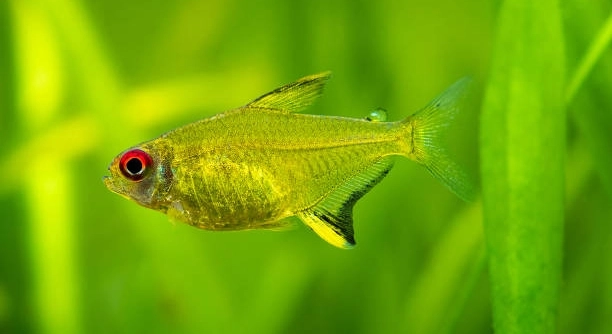
Do you ever notice your lemon tetra swimming nervously or hiding more than usual in the tank? Many fish owners face this issue without realizing small mistakes can make their fish anxious and stressed.
Lemon tetras are highly sensitive to their environment, and common mistakes like overcrowding, poor water quality, sudden temperature changes, or lack of hiding spots can significantly increase anxiety levels, affecting their health, behavior, and overall well-being.
Understanding these mistakes can help you create a calmer, healthier environment and ensure your lemon tetras thrive happily in their aquarium.
Overcrowding in the Tank
Overcrowding is one of the most common reasons lemon tetras become anxious. These small fish need space to swim freely and maintain social interactions without stress. When too many fish are placed in a tank, water quality can deteriorate faster, and movement becomes restricted. Each tetra has a natural swimming pattern, and cramped conditions make it difficult for them to follow their instincts. Overcrowding can also lead to aggressive behavior, even among normally peaceful tetras, causing constant tension in the group. Stress from tight conditions can weaken their immune system, making them more vulnerable to disease. Providing enough space helps maintain a stable hierarchy and allows each fish to find a comfortable area. A larger tank or fewer fish can prevent anxiety, helping lemon tetras display their natural behaviors and enjoy a more peaceful environment.
A tank with insufficient space increases stress levels and reduces the overall health of lemon tetras, often leading to visible signs of anxiety and illness.
By observing your tetras’ swimming patterns and interactions, you can tell if the tank feels too crowded. Adjusting the number of fish or upgrading the tank size often improves behavior, allowing them to swim without fear and interact more naturally. Lemon tetras need calm areas with room to explore, which also reduces competition for food and hiding spots. Even minor changes in stocking density can make a significant difference in their well-being, giving them a stable environment where stress is minimized and they thrive as a group.
Poor Water Quality
Dirty or unbalanced water makes lemon tetras highly anxious. Regular testing of pH, ammonia, nitrites, and nitrates is essential to ensure their comfort.
Maintaining clean water involves partial water changes, careful feeding, and proper filtration. Lemon tetras are sensitive to chemicals, so sudden changes or contamination can trigger stress responses. Poor water quality may lead to lethargy, erratic swimming, or hiding, which are clear signs of anxiety. Fish that live in consistently clean water display brighter colors and active schooling behavior. Adjusting maintenance routines to their specific needs helps reduce stress and supports overall health. Regular observation allows you to notice subtle changes before they escalate into bigger problems.
Creating a stable water environment requires monitoring temperature, pH levels, and hardness to match the species’ needs. Filtration should be efficient but not create overly strong currents that disturb the tetras. Consistent maintenance prevents the buildup of toxins, which can trigger panic or aggressive behavior. Proper feeding routines reduce leftover food and decay, which can pollute the tank. Even small fluctuations in water chemistry can upset sensitive tetras, so tracking conditions daily or weekly is crucial. By keeping the water clean and stable, lemon tetras remain active, healthy, and less prone to stress-induced illnesses.
Sudden Changes in Temperature
Lemon tetras react strongly to sudden temperature shifts. Rapid changes can shock their system and increase stress levels.
Even a small temperature drop or spike can make them hide, swim erratically, or become lethargic. Consistency is key, so use a reliable heater and thermometer to maintain stable water conditions. Avoid placing the tank near windows or vents where fluctuations are common.
Gradual acclimation is essential when introducing new water or moving tetras to another tank. Sudden changes disrupt their metabolism and immune response, increasing susceptibility to disease. Monitoring temperature daily ensures their environment remains steady. A stable thermal environment helps lemon tetras feel secure, reducing anxiety and encouraging natural schooling behavior, feeding, and overall activity. Consistency prevents stress-related illnesses and supports long-term health.
Lack of Hiding Spots
Without places to hide, lemon tetras feel exposed and vulnerable, increasing anxiety. Plants, rocks, and decorations help provide shelter and comfort.
Hiding spots mimic natural environments, giving tetras a sense of security. Open tanks without cover can lead to constant stress and erratic swimming. Dense plant areas or small caves allow them to retreat when frightened or tired. Providing a mix of vertical and horizontal cover creates a layered environment, allowing fish to choose their comfort zone.
Hiding spaces also reduce territorial disputes among tetras. They can establish personal areas, preventing constant chasing or competition for food. Using live plants can improve water quality and offer natural shelter, while decorations like driftwood or artificial caves provide durable hiding spots. A well-decorated tank encourages natural behavior, reduces stress, and helps lemon tetras feel safe in their surroundings. Regularly rearranging or adding new elements can stimulate curiosity without overwhelming them, balancing security with enrichment.
Inconsistent Lighting
Lemon tetras need a stable light schedule to feel secure. Sudden changes in brightness can make them anxious and hide more often.
Too much light or frequent flickering can stress fish, while complete darkness for long periods disrupts their natural rhythm. Consistent day and night cycles help maintain calm behavior.
Poor Diet
Feeding lemon tetras an unbalanced diet affects their energy and stress levels. They require a mix of high-quality flakes, small live foods, and occasional frozen treats to stay healthy. Regular feeding at consistent times prevents competition and reduces anxiety in the tank.
Aggressive Tank Mates
Aggressive or overly active fish make lemon tetras nervous. They are peaceful schooling fish, and constant chasing or bullying increases stress and disrupts their normal behavior.
FAQ
How do I know if my lemon tetra is anxious?
Signs of anxiety in lemon tetras include hiding frequently, swimming erratically, or separating from the school. Loss of color, reduced appetite, and sudden bursts of speed are also indicators. Observing their regular behavior helps you notice changes quickly.
Can water temperature alone stress my tetras?
Yes, sudden or frequent fluctuations in water temperature can stress lemon tetras. Even a few degrees difference can disrupt their metabolism and immune system. Maintaining a stable temperature with a reliable heater and thermometer is essential for a calm environment.
How many lemon tetras should I keep together?
Lemon tetras are schooling fish and feel safer in groups. Keeping at least six to eight together reduces anxiety, as they rely on social interaction for security. Smaller groups can make them skittish and more prone to stress-related behaviors.
Do hiding spots really help reduce stress?
Absolutely. Plants, driftwood, or small caves give lemon tetras places to retreat. Hiding spots help them feel secure, reducing constant tension and fear. A mix of dense and open areas allows fish to choose comfort zones while still swimming freely.
Is overfeeding harmful for anxiety?
Overfeeding can pollute the water and increase stress in lemon tetras. Leftover food decomposes, raising ammonia and nitrate levels. Feeding small portions once or twice a day and removing uneaten food helps maintain water quality and prevents stress.
Can aggressive tank mates cause permanent anxiety?
Yes. Aggressive or larger fish chasing or nipping at lemon tetras can cause long-term stress. Constant fear may weaken their immune system and reduce lifespan. Choosing peaceful species for community tanks prevents this problem and encourages normal schooling behavior.
How often should I test my water?
Frequent water testing is crucial to reduce stress. Weekly checks of pH, ammonia, nitrite, and nitrate levels help you catch issues before they affect the fish. Sudden spikes or drops in water parameters can trigger anxiety, so monitoring keeps their environment safe.
Will lighting affect their behavior?
Yes, inconsistent lighting can make lemon tetras anxious. Bright, flickering, or overly dim lights disrupt their natural day-night rhythm. Maintaining a regular light schedule of around 8–10 hours per day helps reduce stress and supports natural activity and feeding patterns.
Does tank size really matter?
Tank size directly affects stress levels. Small tanks limit swimming space, increase aggression, and can accelerate water quality problems. Providing a tank that allows ample space for swimming and hiding ensures lemon tetras feel secure, supporting their natural behaviors and reducing anxiety.
What are the easiest ways to calm anxious tetras?
Maintaining stable water conditions, providing hiding spots, keeping a proper school size, and feeding a balanced diet are simple but effective ways to reduce stress. Observing their behavior and adjusting tank conditions gradually helps them feel safe and encourages healthy activity.
Can water changes reduce anxiety?
Yes, regular partial water changes keep the tank clean and maintain stable parameters. This prevents toxins from building up and reduces stress. Gradual changes prevent sudden shocks, helping lemon tetras stay healthy, active, and calm in their environment.
How do I acclimate new tetras to prevent stress?
Introduce new lemon tetras slowly by floating the bag in the tank to match temperature, then gradually mixing tank water. Sudden introduction can shock their system. Proper acclimation helps them adjust, reducing fear and encouraging normal swimming and feeding behaviors.
What role does diet variety play in stress reduction?
A varied diet supports energy levels and overall health. High-quality flakes, live foods, and occasional frozen treats keep lemon tetras active and reduce stress from nutritional deficiencies. Predictable feeding times also prevent competition and aggression within the school.
Are decorations necessary or optional?
Decorations are important. Driftwood, plants, and caves give lemon tetras options to hide, explore, and feel safe. Open tanks without shelter can increase anxiety. Even simple layouts with a mix of tall and low cover improve behavior and reduce tension among the fish.
How do I handle sudden tank disturbances?
Minimize sudden movements near the tank, loud noises, or vibrations. Lemon tetras are sensitive to external disturbances, which can trigger panic swimming or hiding. Gentle handling, gradual water changes, and stable surroundings help maintain a calm tank environment and reduce chronic stress.
Can stress affect breeding?
Yes, anxious lemon tetras are less likely to breed. Stress disrupts hormonal balance and energy levels, reducing spawning behavior. Creating a calm environment with stable water, hiding spots, and proper nutrition increases the likelihood of healthy reproduction.
How long does it take for tetras to calm down?
The time varies depending on the source of stress. Minor adjustments like water changes or adding plants can show improvement in a few days. More serious issues, like aggressive tank mates or poor water quality, may take weeks to fully resolve.
Can I use plants to improve their mood?
Live or artificial plants help reduce anxiety by offering shelter and visual barriers. Plants create a natural environment, promote exploration, and give fish a sense of security, which encourages calm schooling behavior and reduces erratic swimming caused by stress.
What is the biggest mistake owners make with lemon tetras?
The most common mistake is ignoring subtle signs of anxiety and not providing a stable, enriched environment. Overcrowding, poor water quality, lack of hiding spots, or inconsistent care all increase stress. Observing behavior and addressing needs promptly keeps tetras healthy and confident in their tank.
How do I know if stress is causing illness?
Stress weakens the immune system, making fish more prone to infections, fin rot, or swim bladder issues. Watch for lethargy, loss of appetite, or abnormal swimming. Early detection and correcting environmental problems often prevent serious illness and restore normal behavior.
Can lemon tetras adapt to minor changes over time?
They can, but adaptation depends on consistency and gradual adjustments. Sudden or repeated changes cause anxiety, while slow, predictable modifications allow tetras to adjust without stress. Maintaining routine care and stable conditions encourages long-term health and reduces nervous behavior.
Lemon tetras are small, delicate fish that thrive in calm and stable environments. Their behavior reflects the conditions of their tank, and even minor mistakes can cause noticeable stress. Overcrowding, poor water quality, sudden temperature changes, and lack of hiding spots are common problems that make them anxious. Each tetra has its own personality, but all of them rely on a safe and comfortable space to swim freely and interact with other members of their school. Watching how they move, feed, and respond to the environment provides clear clues about their stress levels. When lemon tetras are anxious, they may hide, swim erratically, or lose their bright coloration. Understanding these signs is the first step toward creating a more suitable home for them. By paying attention to their needs, owners can ensure the fish remain healthy, active, and social.
Proper care for lemon tetras involves more than just keeping the water clean. Tank decorations, plants, and hiding spots play an essential role in reducing anxiety. These elements give fish places to retreat when they feel vulnerable and allow them to establish small territories without conflict. A well-planned tank layout encourages natural behaviors, including schooling, foraging, and resting, which all contribute to a sense of security. Balanced nutrition also supports their overall well-being, keeping energy levels stable and reducing stress caused by competition for food. Consistent feeding times, using high-quality flakes, live food, or frozen treats, ensures the fish receive proper nutrition without overfeeding or polluting the tank. Monitoring water parameters such as pH, temperature, ammonia, nitrites, and nitrates is equally important. Small fluctuations may not seem serious, but lemon tetras are highly sensitive to changes, and frequent testing helps maintain a stable and healthy environment.
Creating a peaceful habitat for lemon tetras requires observation, patience, and commitment. Changes should be made gradually to avoid shocking the fish, and any signs of stress should be addressed immediately. Choosing compatible tank mates, maintaining a proper school size, and avoiding sudden disturbances all contribute to a calmer tank. When these factors are considered, lemon tetras display bright colors, active swimming, and social interactions that reflect their comfort and security. Every adjustment, whether it’s a new plant, a partial water change, or minor temperature stabilization, contributes to a less anxious and healthier environment. By understanding their behavior and taking deliberate steps to reduce stress, owners can help lemon tetras live longer, happier lives while enjoying a vibrant and balanced aquarium. Observing and supporting their needs ultimately benefits both the fish and the overall tank environment, creating a space where lemon tetras can thrive naturally.

Hello,
If you enjoy the content that we create, please consider saying a "Thank You!" by leaving a tip.
Every little bit helps us continue crafting quality advice that supports the health, happiness, and well-being of pets around the world, for pets of all shapes, sizes, and species.
We really appreciate the kindness and support that you show us!